REVIEW · MUMBAI
Mumbai: Dharavi Slum 2-Hour Walking Tour
Book on GetYourGuide →Operated by Mystical Mumbai · Bookable on GetYourGuide
Dharavi surprises people fast. In just two hours, this small-group walking tour takes you through the narrow lanes of Mumbai’s famous Dharavi so you can understand how daily work and community ties actually run the place. You’ll hear the story behind life here, including how the neighborhood became known worldwide.
I really like that the tour doesn’t stop at stereotypes. You get practical, hands-on examples of local trades like recycling and dye production, plus community landmarks such as schools and churches. You’ll also visit a spot tied to the hit movie Slumdog Millionaire, which gives you a clear way to connect pop-culture fame to real streets and real routines.
One consideration: cameras are strictly prohibited, so you need to be ready to experience Dharavi with your eyes, not your phone.
In This Review
- Key things to know before you go
- Entering Dharavi the right way: a focused 2-hour walk
- Meeting at Café Coffee Day and getting oriented fast
- What the walk actually covers once you’re inside
- The Slumdog Millionaire filming spot: why it matters beyond fame
- Trades you’ll see: recycling, dye, leather, pottery, papadums, soap
- Community life you’ll notice: schools, churches, and local routines
- Safety and respect: what the rules are really for
- Price and value: is $65 for two hours worth it?
- Who this Dharavi walk is best for
- The ending point: finishing at Mahim Junction
- Should you book this Dharavi Slum 2-hour walking tour?
- FAQ
- How long is the Mumbai: Dharavi Slum 2-Hour Walking Tour?
- Where do I meet the guide?
- Where does the tour end?
- What is the price per person?
- Is there an English guide?
- How big is the group?
- Can I bring a camera or take photos?
- What should I wear?
- What should I bring?
- Is this tour suitable for wheelchair users?
- Is transportation included?
Key things to know before you go
- Small group (max 10): Ask questions and keep the walk moving without feeling rushed.
- English live guide: You’ll get clear explanations as you go.
- No cameras, no photos: Plan to document with notes and observations, not images.
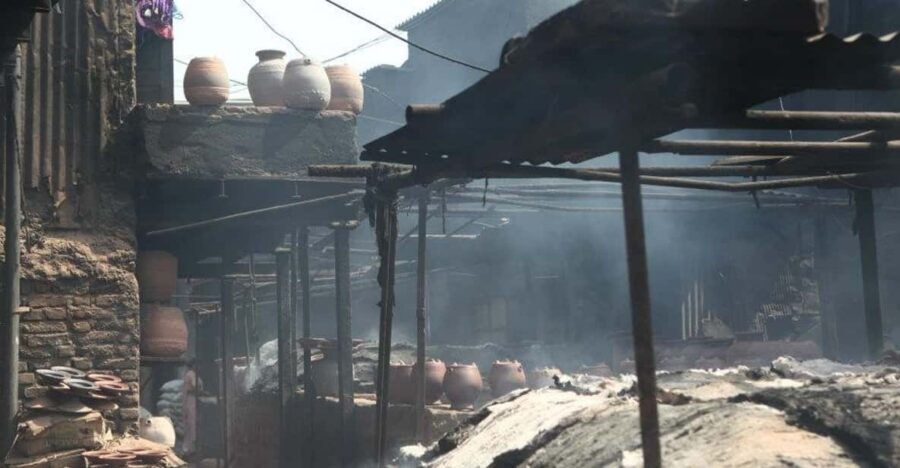
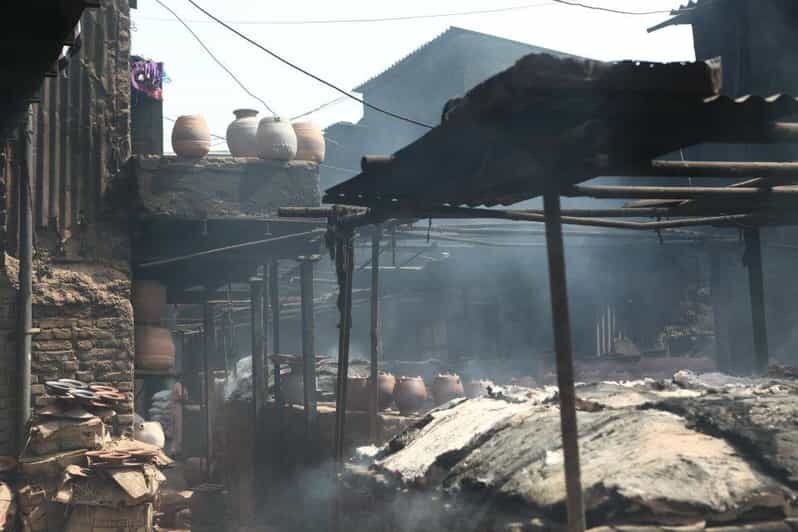
- See working trades up close: Recycling of vegetable oil cans, dye production, leather works, pottery workshops, papadum baking, and soap-making.
- A Slumdog Millionaire filming location: You’ll visit the area where the movie was filmed.
- Community spaces included: You’ll pass by schools and churches used by residents.
Entering Dharavi the right way: a focused 2-hour walk
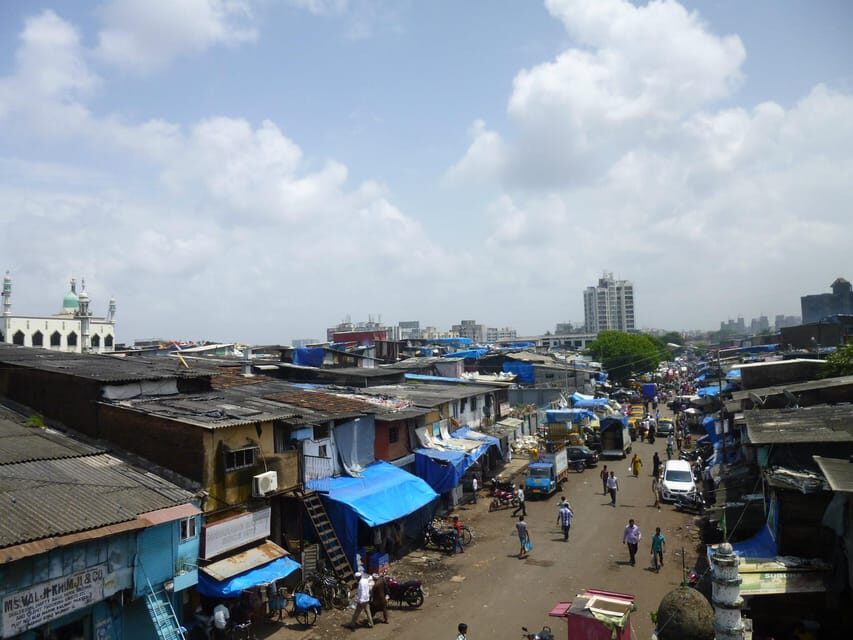
Dharavi is big, busy, and easy to misunderstand from far away. The smartest part of this tour is the time limit. Two hours forces a clear plan: you don’t wander randomly, and you don’t get stuck trying to absorb everything at once.
You’ll meet your guide and start on foot, then move through different parts of Dharavi in a way that helps you build a mental map. The goal isn’t to shock you. The goal is to show you how a dense neighborhood can function through work, organization, and shared effort.
Also, don’t expect the tour to read like a misery tour. The experience is explicitly set up so you won’t come away thinking the area is only defined by extreme poverty. Instead, you’ll see daily activity, local businesses, and community services that residents use every day.
You can also read our reviews of more walking tours in Mumbai



Meeting at Café Coffee Day and getting oriented fast
You start at Café Coffee Day opposite Mahim Railway Station on Tulsi Pipe Road. This matters more than it sounds. In a neighborhood like this, having a recognizable meeting point helps you avoid the usual stress of figuring things out at the start of the day.
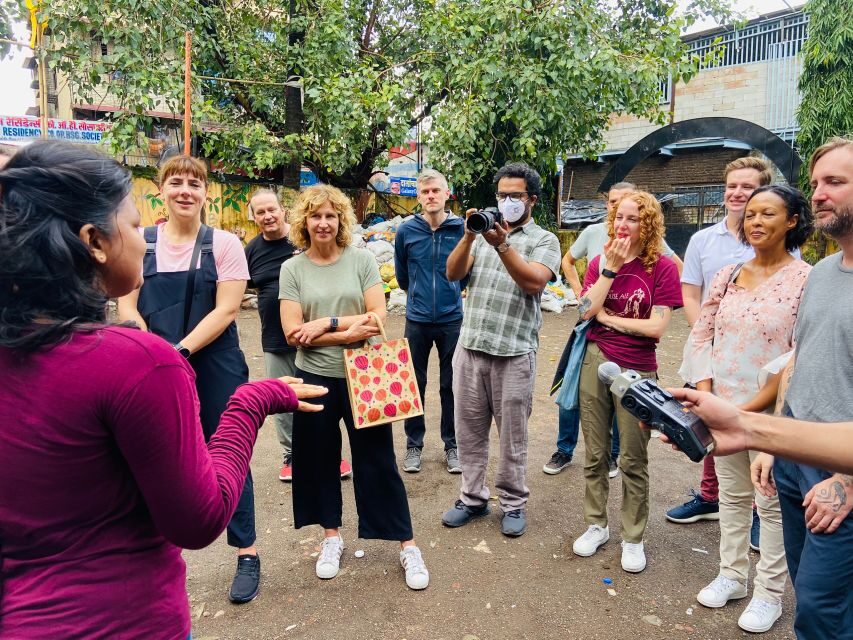
Your guide wears a purple shirt with a footprint logo, so once you spot them, you can relax. If you’re used to tours where the guide blends into the background, you’ll appreciate that this one is easy to identify.
From there, you’ll walk through tight areas and narrow alleyways. Comfortable shoes are non-negotiable. Bring a water bottle and a hat or cap too, since you’ll be outside and moving.
What the walk actually covers once you’re inside
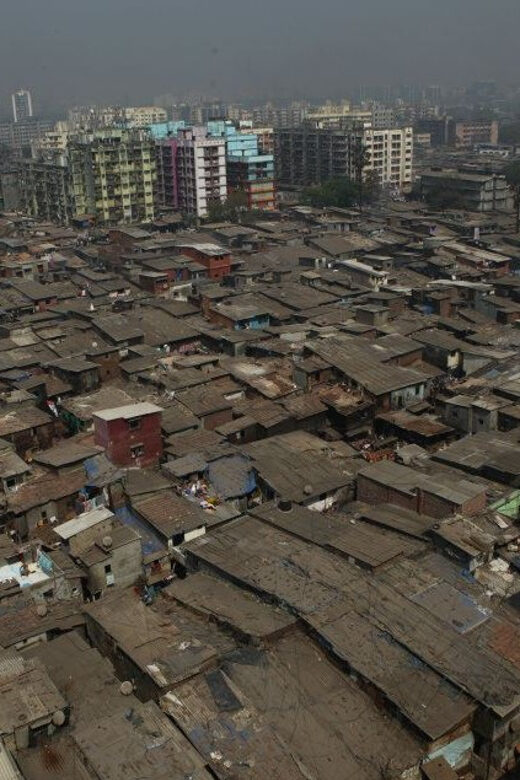
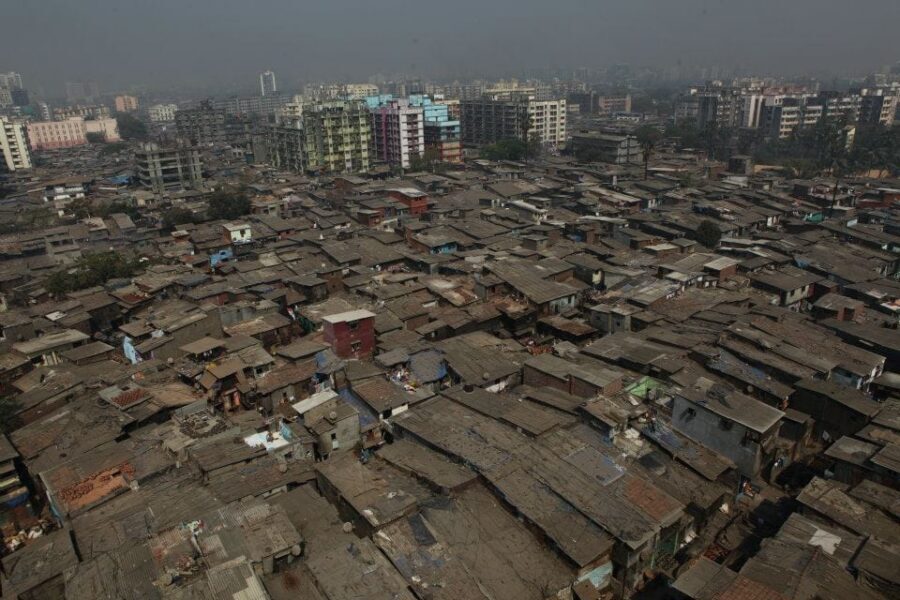
This tour is built around the idea that Dharavi is like a city within a city. You’ll see how different communities and industries sit side by side, and you’ll learn how people keep things running with relatively simple tools.
Expect your guide to take you through a mix of areas: industrial work (especially recycling), residential lanes, and community spaces. One of the most helpful parts is the way you move between zones. You start to notice patterns: where work happens, where people live, and where community institutions fit into everyday life.
You’ll also hear about the scale of Dharavi—often described as home to 700,000 to a million people. That number can feel abstract until you’re walking through the space where those lives unfold.
The Slumdog Millionaire filming spot: why it matters beyond fame
Yes, Dharavi became world-famous after the 2008 movie Slumdog Millionaire. But the more interesting value of visiting a filming location is what it helps you do: connect a global storyline to specific streets and realities.
When you visit the area tied to the movie, you’re not being asked to judge the film. You’re being asked to look at the neighborhood with better context. You’ll learn how the neighborhood gained attention, and you’ll also see how that attention overlaps with daily industry and local routines.
In other words, the movie reference isn’t the whole point. It’s the hook that gets people looking closely once the tour starts.
Trades you’ll see: recycling, dye, leather, pottery, papadums, soap
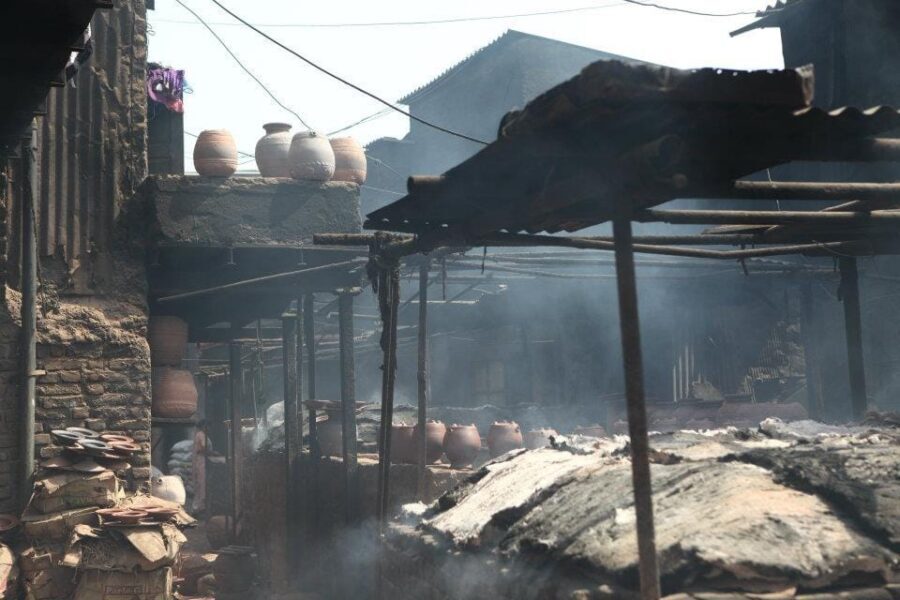
The best part of this walk is the set of trades you’re exposed to. These aren’t vague “businesses” or photo stops. You get real examples of how materials get reused and turned into products.
Here are the trades and activities included:
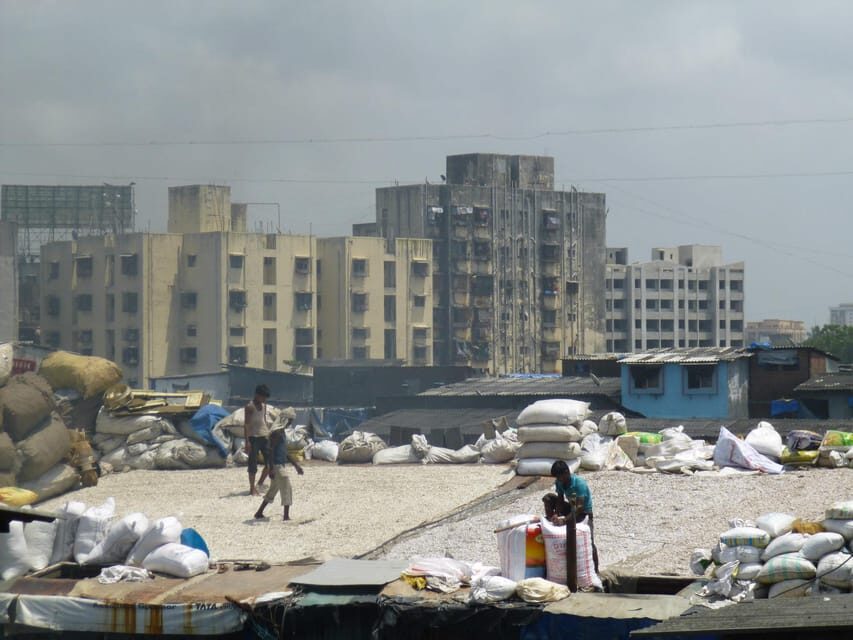
- Recycling vegetable oil cans: a very specific form of reuse that shows how value gets extracted from materials people throw away.
- Dye production: you’ll get a sense of how color and chemicals factor into work that many outsiders never think about.
- Leather works: a reminder that Dhavari’s economy isn’t only recycling.
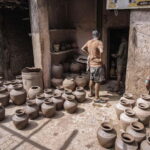
- Pottery workshops: you can see how crafts and making still matter here.
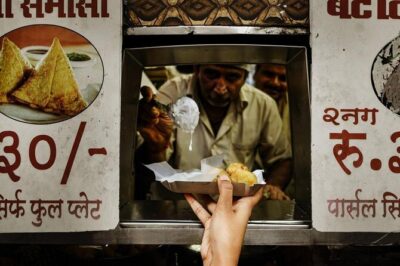
- Papadums baked: the kind of simple food process that ties to daily life, not just industry.
- Places where soap is made: another example of practical production serving everyday needs.
What you’ll take from this, if you keep your mind open, is how skills and systems overlap. You start seeing the logic behind why certain work clusters where it does. It’s not random. It’s adapted to space, people, and the reality of living close together.
This is also why you should treat the tour like a learning walk, not a photo safari. Even without photos, you can come away with a clear mental picture of how the neighborhood’s economy works.
You can also read our reviews of more tours and experiences in Mumbai




Community life you’ll notice: schools, churches, and local routines
A good tour doesn’t just show labor. It shows the structures people rely on to live with dignity and continuity.
On this walk, you’ll see schools and churches used by residents. You’ll also get introduced to places where daily services happen, including soap-making. Those stops matter because they reframe what you think you’re looking at.
Instead of “a slum” as a single story, you start to see a neighborhood with multiple roles: home, work, education, worship, and community support.
One more useful note: the tour is designed to push back against the easiest stereotypes. You’ll be guided to look for ingenuity and the idea that people here are building systems that work for a huge population, not just surviving inside chaos.
Safety and respect: what the rules are really for
This tour includes clear boundaries, and they’re there for a reason.
The big one: cameras are not allowed, and the taking of photos is strictly prohibited. That’s not a minor detail. It changes how you should plan. Bring a notepad or use your memory as your record. If you’re the kind of person who feels lost without a camera, this tour will train you out of that habit.
You also need to dress modestly. Short skirts are not allowed, and you should keep clothing appropriate for a local community setting. Your guide will help keep things respectful, and you’ll get instructions on when you can and can’t record anything.
If you’re worried about safety in tight areas, the tour format is what helps: you’re with a guide throughout, and the experience is structured so you’re moving with purpose, not wandering.
Price and value: is $65 for two hours worth it?
At $65 per person for two hours, this isn’t the cheapest thing in Mumbai. But the value comes from the kind of access you get and how concentrated the experience is.
You’re paying for:
- a live English guide who can explain what you’re seeing in real time
- a small group size (limited to 10), which makes it easier to ask questions
- movement through multiple working areas, not just one street corner
- visits to community spaces like schools and churches
- access to a spot tied to Slumdog Millionaire
If you’re doing Mumbai tours mainly for views, museums, and classic landmarks, you might skip this. But if you want a grounded look at how people organize life in a dense urban neighborhood, this price starts to make sense.
It’s also worth thinking about what you’re buying: not entertainment, but context. A good guide can cut your confusion in half almost immediately.
Who this Dharavi walk is best for
This tour fits best if you:
- want an education-focused walk rather than a photo-heavy outing
- like asking questions and learning how everyday systems work
- prefer small groups with a local guide
- are curious about trades like recycling, dye production, leather work, pottery, and food prep
It’s less ideal if you:
- rely on cameras or photos to process experiences (the rules are strict)
- need wheelchair accessibility (it’s not suitable for wheelchair users)
If you’re visiting Mumbai and want one experience that challenges your assumptions without being sensational, this is a strong candidate.
The ending point: finishing at Mahim Junction
The walk ends at Mahim Junction. That gives you a practical exit point for heading toward your next stop.
One extra detail that makes the end feel purposeful: the tour can wrap up at the Mystical Mumbai office in a school building, where there’s space to share feedback. That closing moment helps the experience feel less like you’re only passing through.
Should you book this Dharavi Slum 2-hour walking tour?
I’d book it if you want a thoughtful, structured look at Dharavi that goes beyond buzzwords. The trade-focused route, the emphasis on community spaces, and the Slumdog Millionaire connection all work together into a clearer picture of how the neighborhood functions.
I’d hesitate if you strongly need photos, or if rules like no camera and modest dress would feel too restrictive for your travel style. Also, if accessibility is a must, this one isn’t designed for that.
FAQ
How long is the Mumbai: Dharavi Slum 2-Hour Walking Tour?
The tour lasts 2 hours.
Where do I meet the guide?
Meet at Café Coffee Day opposite Mahim Railway Station on Tulsi Pipe Road, Mumbai.
Where does the tour end?
The tour finishes at Mahim Junction.
What is the price per person?
The price is $65 per person.
Is there an English guide?
Yes, there is a live English tour guide.
How big is the group?
The group is small, limited to 10 participants.
Can I bring a camera or take photos?
No. Cameras are not allowed and the taking of photos is strictly prohibited.
What should I wear?
Dress modestly. Short skirts are not allowed.
What should I bring?
Bring comfortable shoes, plus a water bottle and a hat/cap.
Is this tour suitable for wheelchair users?
No, it is not suitable for wheelchair users.
Is transportation included?
Transportation on request is included.