REVIEW · MUMBAI
Dhobi Ghat Guided Tour A walk inside the biggest open air Laundry
Book on Viator →Operated by Mumbai Dream Tours · Bookable on Viator
Mumbai’s laundries run on human rhythm. Mahalaxmi Dhobi Ghat is one of the most fascinating places to watch everyday work in real time. What makes this tour interesting is that you’re not just looking from outside—you get a guided walk inside a century-old open-air laundry still doing much of the work by hand.
I especially like how the guide makes the routine understandable. You’ll learn how clothes move through the process, including hands-on steps like washing in troughs, drying, and pressing. That context turns a scene that could feel random into a clear system you can follow.
One thing to think about: if you expect a long, fully hands-on show, you might be disappointed. Part of the work is now done with machines, and at least one person felt the time on site was too short for what they wanted to see.
In This Review
- Key things to notice before you go
- Mahalaxmi Dhobi Ghat: a city-scale job done outdoors
- Where the tour starts: Mahalaxmi Station and a smooth way in
- Inside the open-air laundry: from washing troughs to drying lines
- Charcoal irons and the surprising skill in pressing clothes
- The guide experience: clear answers, a calm pace, and real names
- Price and time: is $12 fair value for this kind of access?
- What to wear and how to be a respectful observer
- Who should book Mahalaxmi Dhobi Ghat, and who might want to skip
- Should you book it?
- FAQ
- What is the Mahalaxmi Dhobi Ghat guided tour?
- Where does the tour start and end?
- How long is the tour?
- How many people are in a group?
- Is the guide available in English?
- What does the price include?
- What is not included?
- Is there a mobile ticket?
- When will I receive confirmation?
- What are the cancellation terms?
Key things to notice before you go

- It’s a working laundry, not a museum stop, so you’re watching daily work unfold
- A guide explains the flow, from washing to drying to ironing, in plain English
- English-speaking support helps you ask questions and get details you’d miss on your own
- A small group (up to 15 people) keeps the pace easier to manage
- Hand methods still matter, including trough washing and charcoal ironing
- Meeting at Mahalaxmi Station makes it simple to reach via public transport
Mahalaxmi Dhobi Ghat: a city-scale job done outdoors
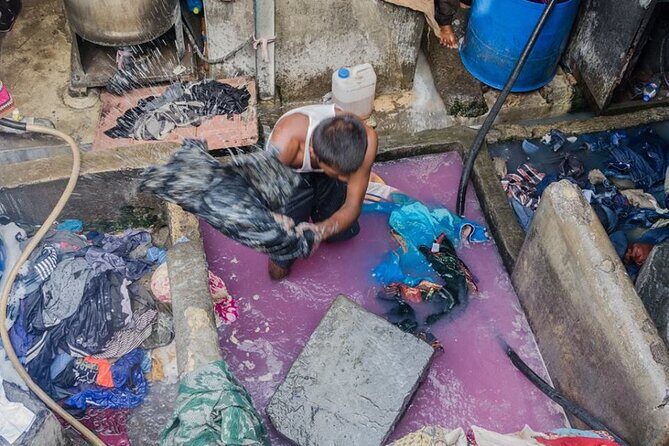
There’s something instantly calming about watching repetitive work that’s done well. At Mahalaxmi Dhobi Ghat, you’re looking at laundry as an entire operation—people working shifts, clothes in motion, and a clear idea of what comes next. This is why the place feels bigger than just a laundry yard. It’s a living part of Mumbai’s daily life.
The ghat has been running for over a century, which means you’re seeing practices that survived real change. Yes, some steps may be mechanized now. But the heart of the experience is that you can still see plenty of it done the old way—people taking responsibility for their part, passing the work along like a timed chain.
And you’re not stuck guessing. A good guide turns what you’re seeing into something you can name. You start to understand why the layout matters, why the steps happen in order, and why so many people are needed just to keep clothes clean for a city of millions.
You can also read our reviews of more walking tours in Mumbai



Where the tour starts: Mahalaxmi Station and a smooth way in

The meeting point is Mahalaxmi Railway Station (Mahalakshmi Railway Station area). For me, that’s a win. It avoids the headache of finding some backstreet office and then walking forever to reach the actual action.
From there, you follow your English-speaking guide into the ghat for your guided walk. The tour listing places the experience at about 6 hours. In practice, that usually means you should plan a half-day block, with time for getting set up and doing the walk, rather than treating it like a quick 30-minute stop.
One more practical detail: the tour uses a mobile ticket. So I’d keep your phone charged and ready to show it.
Inside the open-air laundry: from washing troughs to drying lines
The best part is the step-by-step look at laundry being processed in an open-air setting. You’ll see how clothes go from dirty to crisp through a sequence of work stations.
Here’s the workflow you should expect your guide to explain:
First comes washing in troughs. One person handles the vigorous part—clothes are flogged and worked in the washing setup. It’s not subtle, and that’s the point. Clothes need motion and agitation, and the workers know how to do it efficiently.
Then clothes move to drying. You’ll see the drying side of the operation where laundry is hung up so it can air-dry. This is where you can really start to read the place like a system: the work doesn’t pause for anyone; it keeps flowing.
While everything may look visually similar at first, your guide helps you sort out what’s happening and why each stage matters. That’s important because Dhobi Ghat can look like a jumble if you’re alone. With a guide, you get the logic behind the motion.
Also, keep in mind this is a live workplace. That means it’s active, and you’ll be moving through an area where people are doing their jobs. If you’re the type who likes quiet, slow museum time, this is different. But if you like real-life scenes that teach you how a city runs, this is exactly the kind of stop that hits.
Charcoal irons and the surprising skill in pressing clothes

Laundry isn’t just about washing. The finishing stage is where the results show. During the tour, you’ll learn about the ironing step—performed with bulky charcoal irons.
That detail matters. It’s one thing to watch clothes dry. It’s another to see how they get pressed into neatness without the modern convenience you might expect elsewhere. Your guide can explain how ironing fits into the overall workflow, and it helps you understand that the work requires coordination, not just brute effort.
What I like about this part is how it connects to Mumbai’s broader culture of practical know-how. People aren’t doing laundry as a side hobby. It’s a real craft, built on repetition and taught through doing.
There’s also a human element here: not everything is done by machines, and the tour focuses on the way families and workers divide responsibilities. You can see that teamwork in action. When you understand the division of labor, the place feels less like a spectacle and more like an honest workplace.
The guide experience: clear answers, a calm pace, and real names

A lot of the value here lives in the guiding. The tour includes an English-speaking guide, and the difference between a good guide and a bad one is obvious in this type of workplace visit.
One name that stood out from past tours is Rakesh. In one account, he was friendly from the start and created a comfortable atmosphere. The big thing: he didn’t rush anyone. He answered questions and kept the group feeling at ease while explaining what you were seeing.
That matters for you because Dhobi Ghat can raise questions fast. People wonder things like how laundry is handled, how long processes take, and how the operation stays organized. A guide who takes questions without making you feel like you’re slowing the show makes the whole tour better.
Even the negative feedback points to expectations. One person felt the tour was too short and that machines handle too much of the work. If you go in expecting a quick walk and leave with a deeper understanding of the stages, you’ll likely feel you got your money’s worth. But if your main goal is watching maximum handwork for a long stretch, you should calibrate your expectations first.
You can also read our reviews of more guided tours in Mumbai






Price and time: is $12 fair value for this kind of access?
At $12 per person, this is priced like a straightforward local experience, not a premium attraction. For me, that’s a good sign. You’re paying mainly for two things:
1) guided access and explanations, and
2) having someone help you understand a working system you’d struggle to interpret alone.
The tour runs about 6 hours on the listing, and it stays small (maximum 15 people). Small groups reduce the “herded through” feeling. It also makes it easier to ask follow-up questions.
Now, I’ll be honest about the one drawback tied to value. One person felt it was too brief and that mechanization reduces what you can see. If that’s your biggest concern, you can protect yourself by going in with the right mindset: focus on the process and the meaning of the work, not just on how long you can watch a single hand step.
Still, for most people who like real places with real jobs, $12 is a solid price for a guided look at one of Mumbai’s most distinctive local scenes.
What to wear and how to be a respectful observer

Because this is a working open-air area, you should plan to dress for being outside and moving around. You may also find it’s not spotless, since it’s built around water, laundry, and daily operations.
I’d keep a few practical expectations in mind:
- Wear shoes you’re okay walking in for the duration of the tour block
- Bring your patience. This is not a quiet site where you stroll at will
- Expect to share space with workers doing their jobs
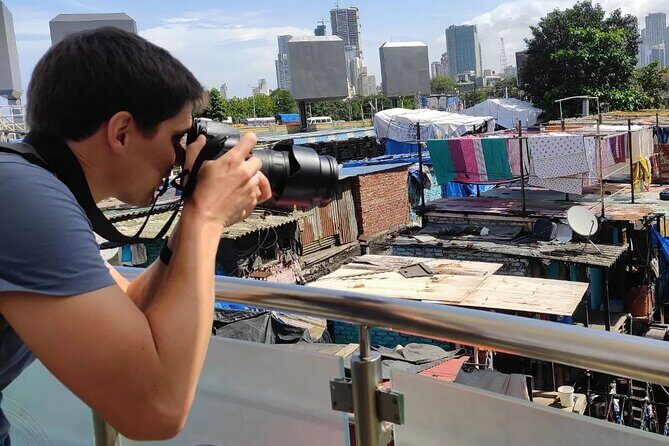
And if you like photos, treat the place with care. People are working. If you want close shots, it’s smart to stay aware of the flow and avoid blocking.
This kind of tour works best when you treat it like learning from a workplace, not filming a set.
Who should book Mahalaxmi Dhobi Ghat, and who might want to skip

This tour is a great fit if you want:
- a guided look at how a city handles everyday needs
- a small-group experience with an English-speaking guide
- a walk where the meaning comes from the process, not just the scenery
It may be less ideal if:
- you’re expecting a long, fully hands-on demonstration with no machine influence
- your ideal tour is all about major monuments and staged photo moments
If you’re the type who likes understanding how things work behind the scenes, you’ll probably love it. If you want only the most dramatic visuals, you might feel it’s more routine than showy.
Should you book it?
Book it if you want a guided window into Mumbai’s day-to-day labor and you like learning how people keep a city running. The standout advantage is the guide support—especially when the guide is calm, friendly, and clear like Rakesh was for one group. At $12, the cost feels reasonable for access and explanation.
Don’t book if you need long time on site to satisfy your curiosity about handwork. One negative experience highlighted that the tour felt short and more mechanized than expected. If your main goal is maximum hand-action for maximum time, you might want to set lower expectations or pair it with other Mumbai stops.
If you do book, go in ready to watch a system, ask questions, and enjoy the fact that you’re seeing something real—open air, working hands, and all.
FAQ
What is the Mahalaxmi Dhobi Ghat guided tour?
It’s a guided walk through Mahalaxmi Dhobi Ghat, Mumbai’s largest open-air laundry facility, designed to show you the traditional way clothes are washed and processed.
Where does the tour start and end?
The tour starts at Mahalaxmi Station (Mahalakshmi Railway Station) and ends back at the same meeting point.
How long is the tour?
The duration is listed at about 1 day 6 hours (approx.).
How many people are in a group?
The tour has a maximum group size of 15 people.
Is the guide available in English?
Yes. The tour includes an English-speaking guide.
What does the price include?
The price includes all fees and taxes and the English-speaking guide.
What is not included?
Food and drinks are not included.
Is there a mobile ticket?
Yes, you receive a mobile ticket.
When will I receive confirmation?
Confirmation is received at the time of booking.
What are the cancellation terms?
You can cancel for a full refund up to 24 hours before the experience starts. If you cancel less than 24 hours before, the amount paid is not refunded.