REVIEW · MUMBAI
Mumbai Tour: The Most Famous Historical Spots By Car
Book on Viator →Operated by Young Tours And Travel · Bookable on Viator
Mumbai hits you fast, even from the car window. This 4-hour, car-based tour uses local storytelling to connect famous landmarks with everyday city life in a place where the streets feel packed and the pace never pauses. I like the way the guide team is presented as locally raised and tuned to the “City of Dreams” details you’ll miss on your own.
I also love the tight, practical structure: an air-conditioned vehicle, bottled water, and coffee or tea keep the experience comfortable while you move between major sights. Another plus is the stop list, which mixes culture and big-city institutions, from Dhobi Ghat’s open-air laundry scene to Gandhi’s Mani Bhavan and onward to the Gateway of India and Victoria Terminus Station.
One consideration: it’s a short tour, so you’ll cover a lot of ground with limited time at each place. Also, it requires good weather, and there’s no lunch included, so plan a light snack strategy if you get hungry.
In This Review
- Key highlights you’ll care about
- How the car tour rhythm helps you see Mumbai (without frying)
- Dhobi Ghat open-air laundry: seeing the city at work
- Mani Bhavan Gandhi House: a museum that connects to real people
- Hanging Garden stop: a short reset in the middle of the route
- Gateway of India and the Taj-area landmarks: the classic Mumbai scene
- Mumbai institutions by car: University, High Court, and what they signal
- Victoria Terminus Station: a major rail landmark in the mix
- Price and value: what $49 buys you (and when it’s worth it)
- Logistics that matter: timing, weather, and the no-lunch reality
- Guide impact: why the right storyteller changes everything
- Who should book this Mumbai historical highlights by car
- Should you book this tour?
- FAQ
- FAQ
- How long is the Mumbai tour by car?
- What does the tour cost?
- Is pickup offered?
- What’s included in the price?
- Is lunch included?
- Is a ticket for admission included?
- Is this tour private?
- Does the tour require good weather?
- Can I get a free cancellation if my plans change?
Key highlights you’ll care about
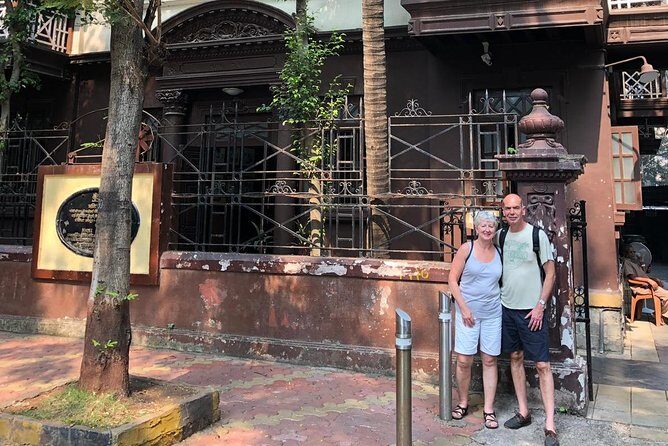
- A fast orientation to Mumbai’s most photographed landmarks without wasting hours on logistics
- Dhobi Ghat (open-air laundry) as a strong look at workaday city life
- Mani Bhavan with Gandhi artifacts for a focused, human-scale history stop
- Gateway of India plus the hotel front row for that classic sea-front postcard setting
- Civic Mumbai in one pass at spots like Mumbai University, High Court, and Victoria Terminus Station
- Hardik and Patrik-style guidance that turns big names into clear stories
How the car tour rhythm helps you see Mumbai (without frying)
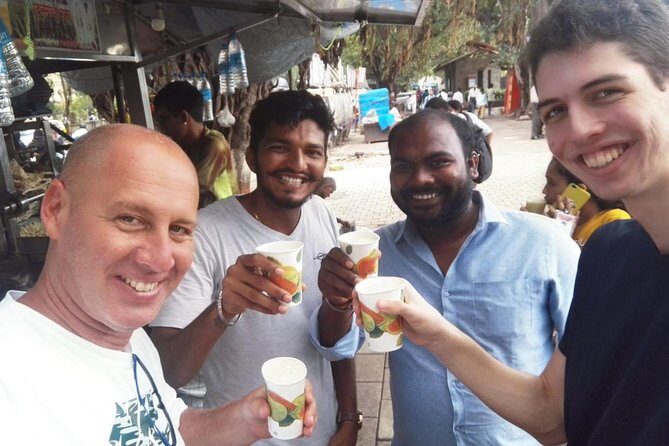
Mumbai is not a “walk-everywhere” city for most first-timers. This tour keeps you moving by car with a short, concentrated time window, so you can still hit landmarks that are spread across different neighborhoods. Because the route is built around well-known stops, you get a clean overview of what you’re actually looking at: the city’s street-level reality plus the monumental, formal side of Mumbai.
I like that it’s set up for people with limited leisure time. At about 4 hours, you can fit it between other plans, and it’s still long enough to notice patterns: crowds, traffic flow, and how the city mixes old-world landmarks with modern expectations. It’s also designed as a private experience for your group, which typically makes the pace feel more “yours” rather than rushed by a large crowd.
Comfort matters too. You get an air-conditioned vehicle, plus bottled water and either coffee or tea. That’s not just nice—it changes how alert you stay when you’re moving through busy areas.
You can also read our reviews of more historical tours in Mumbai



Dhobi Ghat open-air laundry: seeing the city at work
The tour starts at Dhobi Ghat, described as an open-air laundry. This is one of those places where the “famous landmark” label doesn’t fully explain what you’re seeing. Instead of monuments and plaques, you get a live glimpse at labor that keeps the city running.
What I’d suggest to you: treat Dhobi Ghat as a visual checkpoint. Look at the workflow, the space constraints, and how many people and steps are involved in something that sounds simple at first. It’s also a strong contrast to the rest of the day. The later stops lean monumental; Dhobi Ghat leans human and practical.
A possible drawback is time sensitivity. Open-air scenes can be affected by the day’s conditions, and this tour is explicitly dependent on good weather. If it’s even slightly unpleasant, the experience can feel less enjoyable even if you still visit.
Mani Bhavan Gandhi House: a museum that connects to real people
Next comes Mani Bhavan, the Gandhi House. Here, you’re not just seeing a building—you’re stepping into a place that holds old items and artifacts connected to Gandhi. In the feedback from guide-led experiences, people specifically called out learning how this site fits into the story of Gandhi, not just admiring the facade.
I like this stop because it gives you an anchor for the city’s identity. Mumbai is often discussed through business and motion, but Mani Bhavan pushes you to notice the moral and political threads that shaped modern India.
If you want to get the most out of it, go in with one simple mindset: ask your guide to explain what you’re looking at before you start trying to read every label. Short museum time works best when you understand the big picture first, then the objects make sense.
Hanging Garden stop: a short reset in the middle of the route
The day includes a stop at Hanging Garden. You’re not spending a full afternoon there; this is more of a quick pause between major landmarks. For me, these small “reset” moments matter in a short tour. They break up the concentration required to keep track of sights and stories when you’re moving through traffic.
Because the tour is time-boxed, the hanging-garden stop is best viewed as a breather and a visual shift. You’re changing tempo—from museum focus to outside-city atmosphere—so you can refocus before the iconic sea-front area.
Gateway of India and the Taj-area landmarks: the classic Mumbai scene
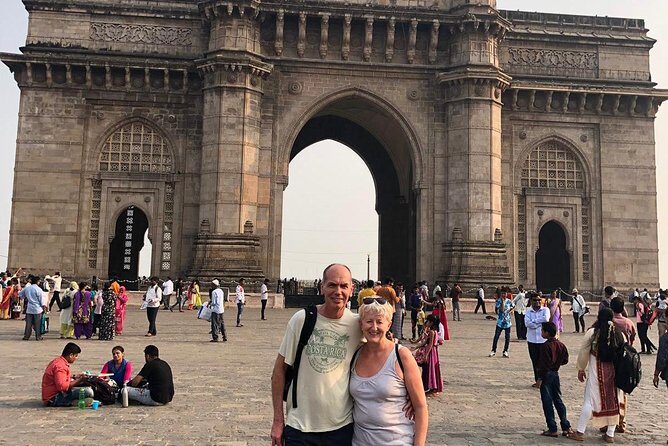
Then you hit the part of Mumbai most people instantly recognize: the Gateway of India area. One review notes the Gateway is an early 20th-century monument, and that guide storytelling helped turn it from a photo into a place with a clear backstory.
Right nearby, the tour also includes stops at the Taj Mahal Palace Hotel and Watson Hotel. Even if you don’t go inside, seeing these landmarks from the outside gives you context for how Mumbai has long presented itself to the world. You’re looking at architecture that has become part of Mumbai’s global image.
Practical tip: keep your camera ready, but also keep your attention on what your guide says. The value here is in connecting the names to why they matter, especially when you have only a few hours total.





Mumbai institutions by car: University, High Court, and what they signal
After the sea-front landmarks, the route shifts into institutional Mumbai with stops at Mumbai University and Mumbai High Court. This part of the tour is useful for first-time visitors because it shows another side of the city: the formal structures where education and law are centralized.
What you’ll get is perspective. Mumbai isn’t only street life and celebrated monuments—it’s also administrative and academic power, built into large civic buildings that shape how the city functions. Even from the curb, these stops help you understand why Mumbai feels so decisive and self-assured in its own pace.
If you’re the type who likes to connect dots, ask your guide to explain how these institutions relate to the areas you passed earlier. In a short car tour, your best time-saving move is to use your guide as the connector.
Victoria Terminus Station: a major rail landmark in the mix
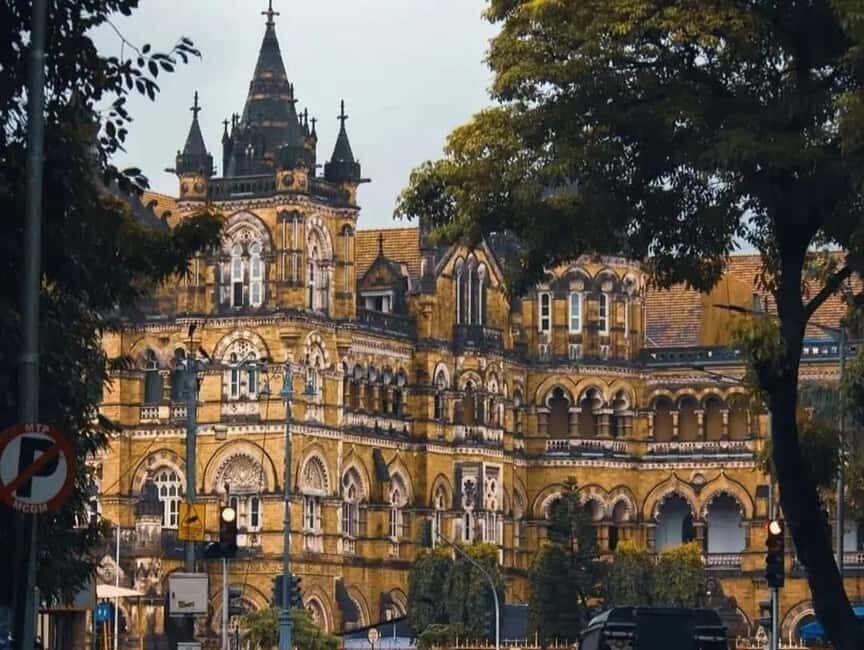
The tour ends at Victoria Terminus Station. A train station can sound like a random final stop, but it actually works well in this route because it ties Mumbai’s monument image to the city’s movement. Rail is a daily life system in India, and a major station like this is one of the most visible symbols of connectivity.
For your planning, remember that station areas can feel busy simply because that’s what they are. The tour time is short and car-based, so you won’t be there lingering for long. Use this final stop to do one thing: look, absorb, and take a few steady photos without expecting a long, calm museum-style visit.
Price and value: what $49 buys you (and when it’s worth it)
At $49 per person for about 4 hours, the value depends on what you want from the day.
Here’s what you’re getting that can save you money or stress:
- Air-conditioned vehicle for the core transport
- Bottled water plus coffee and/or tea
- Parking fees handled for you
- A mobile ticket
- A private tour setup where only your group participates
- The note that admission ticket is free
You’re also paying for storytelling and route efficiency. When you have limited time, the “cost per hour” isn’t the real story. The real value is that you’re less likely to waste time figuring out where to go, how to sequence it, and what to notice.
Skip the tour if you want lots of free wandering time or long, independent museum sessions. This is a highlights route with guided meaning, not a slow travel day. It’s best for first-timers who want orientation and clarity fast.
Logistics that matter: timing, weather, and the no-lunch reality
This experience runs a little over 4 hours. That means you’ll likely feel the pace: see, learn, move on. It’s the right tempo if your goal is “famous historical spots by car” rather than deep, multi-hour detours.
Weather is a real factor. The tour requires good weather, and if it’s canceled due to poor weather, you’ll be offered a different date or a full refund. That’s a key detail for anyone planning tightly around other activities.
Also, lunch is not included. In practice, that matters most if you tend to get hungry quickly. If your schedule doesn’t have built-in food time, plan a snack before you go or after the tour ends so you don’t feel rushed later.
And one more small note: the tour is described as near public transportation, and service animals are allowed. So if you’re mixing tour time with other city plans, this usually plays nicely with your broader movement strategy.
Guide impact: why the right storyteller changes everything
A car tour lives and dies by its explanations. The feedback you have here repeatedly points to strong guide work and a smooth driver partnership. Names that come up include Hardik as a tour guide and Patrik as the driver, with praise for the way the route visits key landmarks like the Gateway of India and Mani Bhavan Gandhi Museum.
Another name that appears is Rahul (with praise for education and logistics support). People also mention learning stories around the Gateway and the Taj hotel area, plus discussion around food—exactly the kind of “small details that turn into big understanding” that make a short tour feel longer.
What that means for you: if you book this, come ready with curiosity. Ask simple questions like what connects the sites, or what to notice from outside versus inside. In a 4-hour format, that kind of back-and-forth usually gets you the most value.
Who should book this Mumbai historical highlights by car
Book it if:
- You’re short on time and want a clear, guided route through major Mumbai landmarks
- You prefer car comfort in busy traffic situations
- You want a mix of famous monuments and a more human city stop at Dhobi Ghat
- You like your history explained through places, not just dates
Consider skipping or switching to a longer option if:
- You want long museum time and quiet wandering
- You’re traveling when weather is uncertain and you can’t flex your plans
- You need lunch built into the schedule
Should you book this tour?
Yes, I think it’s a smart choice for the right traveler. If you’re seeing Mumbai for the first time and you want a guided highlights sweep—Dhobi Ghat to Mani Bhavan to the Gateway/Taj area and on to civic institutions and Victoria Terminus—this format delivers. The price is reasonable for a short, guided car day that includes drinks and handles the transport friction.
But be honest with your priorities. This is not a slow, deep dive into each site. It’s a tight route with stories, built for orientation and efficient learning. If that matches your travel style, it’s a strong way to get oriented quickly and leave with a much clearer mental map of Mumbai.
FAQ
FAQ
How long is the Mumbai tour by car?
It runs about 4 hours (approx.).
What does the tour cost?
The price is $49.00 per person.
Is pickup offered?
Pickup is offered.
What’s included in the price?
Included are coffee and/or tea, bottled water, an air-conditioned vehicle, and parking fees.
Is lunch included?
No, lunch is not included.
Is a ticket for admission included?
The experience notes that admission ticket is free.
Is this tour private?
Yes. It’s private, and only your group will participate.
Does the tour require good weather?
Yes. The experience requires good weather, and if it’s canceled due to poor weather, you’ll be offered a different date or a full refund.
Can I get a free cancellation if my plans change?
Yes. Free cancellation is available if you cancel up to 24 hours in advance for a full refund.