REVIEW · MUMBAI
Vibrant Markets of Mumbai (2 Hours Guided Walking Tour)
Book on GetYourGuide →Operated by Yo Tours · Bookable on GetYourGuide
Some cities sell souvenirs. Mumbai sells the story.
This 2-hour walk is a front-row seat to shopping streets where you can go from Zaveri Bazaar glitter to a clay-pot masala chai view without switching plans. I like that you get real context as you walk, not just a list of stores. I also love the mix of shopping and eating: jewelry, cloth, spices, and then proper Mumbai snacks with desserts at the end. The only thing to watch is that you’re moving through tight lanes and heavy crowds for two hours, so bring comfy shoes and a calm attitude for getting jostled.
If you want a guided “get your bearings fast” style tour, this one fits. The best part is the guide: English and Hindi are available, and guides can adapt the pace and questions, including support like helping you stay safe around busy road crossings. You’ll also get multiple street-food tastings plus a temple and market sequence that helps the city click. One consideration: if you’re sensitive to spice or allergies, you’ll need to tell your guide before you start sampling.
In This Review
- Key takeaways before you go
- Why this short Mumbai market walk makes sense
- Starting at BAPS Shri Swaminarayan Mandir: a calm first step
- BMC Market and Mumba Devi Temple: where the city’s identity shows
- Bhuleshwar and Kalbadevi: the lanes for fruit, fabric, and daily worship items
- Zaveri Bazaar: jewelry shopping as theater and craftsmanship
- Mangaldas Market (opened in 1893): silk, cloth, and tailoring culture
- Chor Bazaar and the flower street vibe: antiques, furniture, and color
- Crawford Market: where cheese, chocolates, and real snack breaks happen
- Desserts and mouth fresheners: the smart ending to a snack-heavy walk
- Price and value: what $14 actually buys you
- What to wear and how to handle Mumbai crowds
- Who this tour suits (and who should choose differently)
- Should you book this Mumbai markets walking tour?
- FAQ
- Where does the tour start?
- How long is the guided walking tour?
- How much does it cost?
- What language is the guide available in?
- What’s included in the experience?
- Where do you end the tour?
- Do I need to be able to walk for the whole tour?
- What should I bring?
- Are allergies handled during the tastings?
- Is free cancellation available?
Key takeaways before you go
- Zaveri Bazaar focus: you spend time in the jewelry power center, not just a quick pass-by.
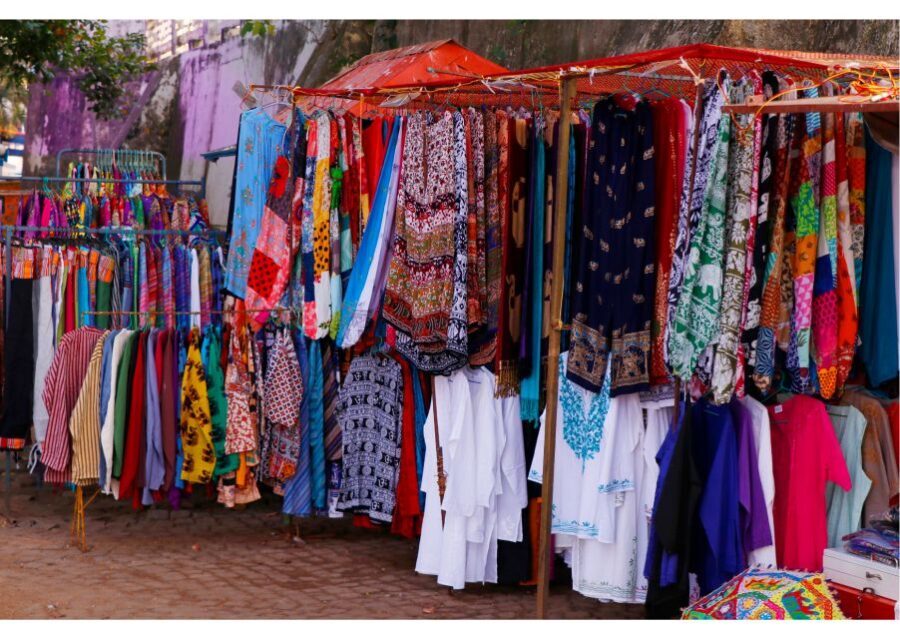
- Mangaldas Market since 1893: silk and cloth shopping culture, with tailors and boutique-style stalls.
- Crawford Market food stop: cheese, homemade chocolates, and a chai break you’ll remember.
- Temple and city-name stop: Mumba Devi Temple adds meaning beyond shopping.
- End with sweets and mouth fresheners: the tour finishes on a practical note, not just on sugar.
Why this short Mumbai market walk makes sense
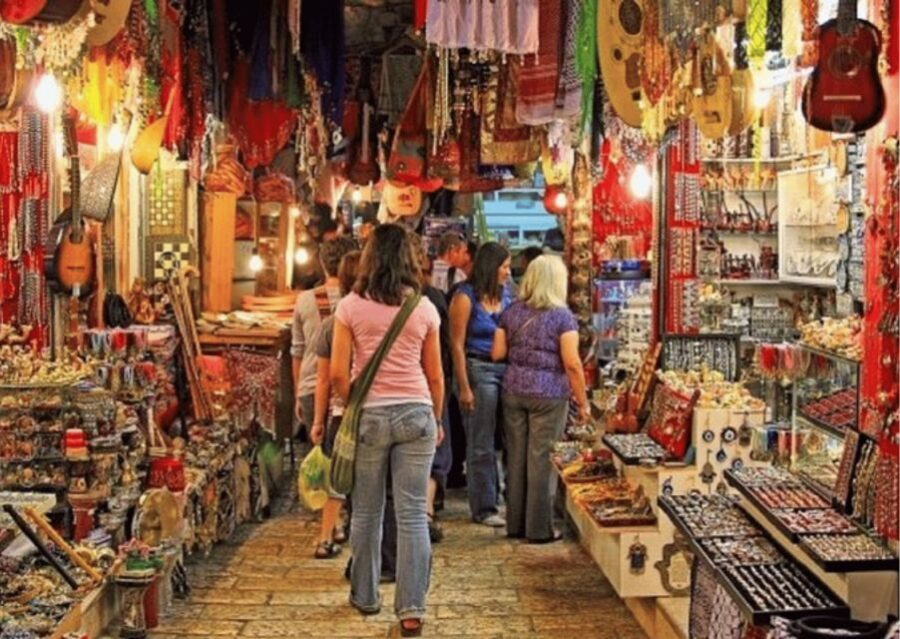
Mumbai can overwhelm you fast. This tour is designed for a quick reset: two hours, walking, and a tight route that helps you understand what you’re seeing. You’re not just browsing—you’re learning how the city organizes itself around goods: jewelry, textiles, spices, religious items, and daily essentials.
At $14 per person, it’s also a value play. You’re paying for (1) a live guide, (2) time in several iconic markets, and (3) multiple food tastings plus a sweet finish. If you’ve been thinking about a food-and-streets day anyway, this is a neat way to combine both without spending the whole morning figuring out where to go.
You can also read our reviews of more walking tours in Mumbai



Starting at BAPS Shri Swaminarayan Mandir: a calm first step
You meet at BAPS Shri Swaminarayan Mandir in Mumbai. I like this kind of meeting point because it’s a clear landmark and you start with a sense of order before the markets take over.
From there, you transition into the market world quickly. The tour route begins with a stop at BMC Market (with guided time and a pass-by segment), then heads toward Mumba Devi Temple. That early structure matters. It means you’re not wandering with a “what am I looking at?” feeling. You get pointed directions, plus short explanations that make the next crowded lane easier to handle.
BMC Market and Mumba Devi Temple: where the city’s identity shows
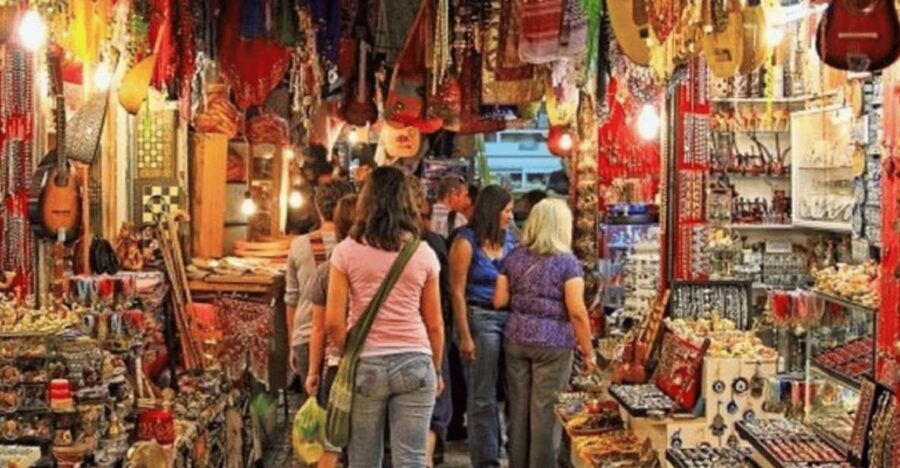
The BMC Market stop gives you a practical introduction to how commerce looks on the ground in Mumbai—what people buy, how stalls cluster, and how the day runs around daily needs. It’s a good warm-up before you hit the larger-name markets.
Then comes Mumba Devi Temple. This isn’t just a photo stop. It ties the city’s identity to place and belief, which changes how you read the surrounding streets. When you understand that religious items and daily commerce share the same neighborhoods, the markets feel less like random chaos and more like a system.
If you’re the type who likes asking questions, bring them. The guides here can answer a lot, and they’ll typically slow down if you want more detail.
Bhuleshwar and Kalbadevi: the lanes for fruit, fabric, and daily worship items
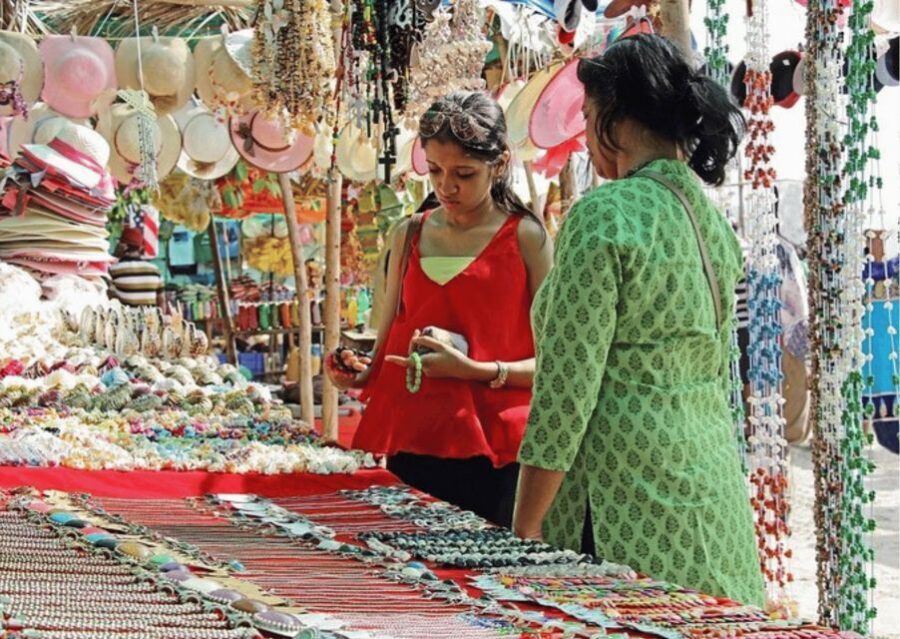
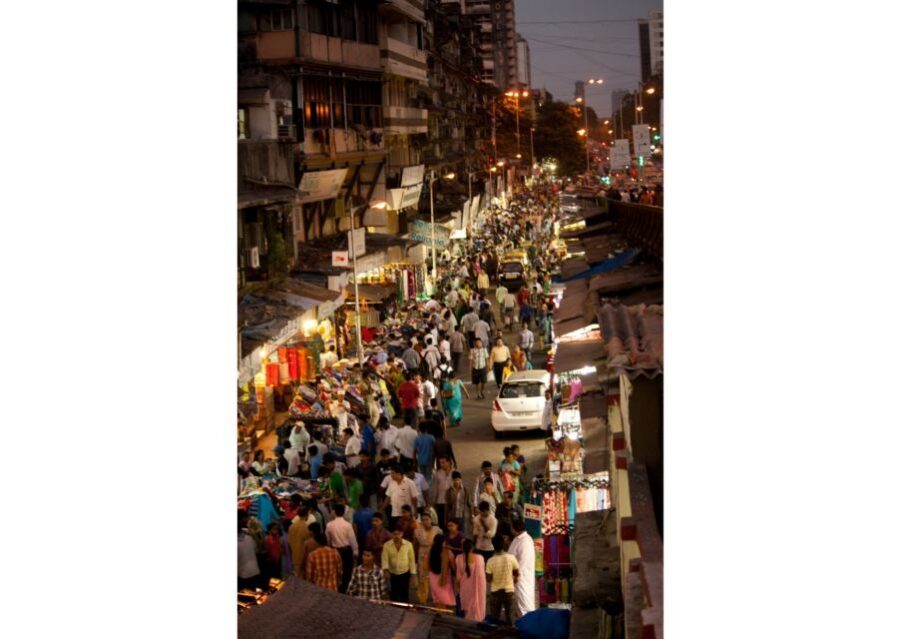
As the walk continues through Kalbadevi and the Bhuleshwar Market area, you’ll see the everyday side of Mumbai shopping. This section is where you notice the variety: fruits and vegetables, imitation jewelry, pooja materials, rose petals, household items, and cloth accessories.
What I find helpful here is the mix. You’re not stuck in one theme. One minute you’re looking at everyday ingredients; the next you’re seeing religious supplies; then the lane turns into fabric and fashion-adjacent shopping. That pattern helps you understand why Mumbai markets work so well for both locals and visitors—they’re built for real routines.
Two practical notes:
- Expect crowds and narrow streets, so don’t plan to browse like it’s a mall.
- Keep your money and phone secure. When you’re surrounded by people, little habits matter.
Zaveri Bazaar: jewelry shopping as theater and craftsmanship
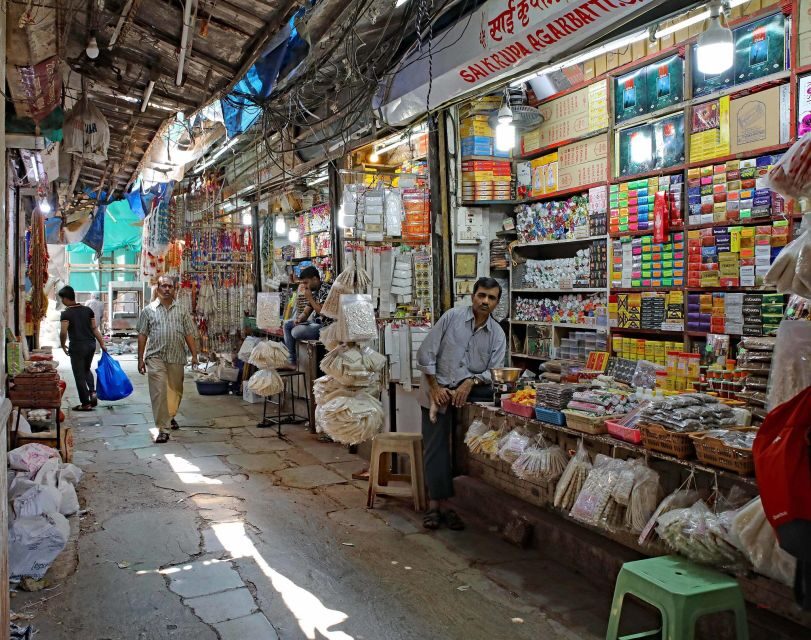
Zaveri Bazaar is one of those places where your brain has to adjust. It’s the largest jewelry market in Mumbai, and it’s known for sparkling ornaments, gold, and glittering stones. You’ll get guided time there and also free time to look around.
Even if you’re not buying, this is worth your time because you can learn how the jewelry culture is presented: display intensity, bargaining energy, and the sheer range of styles. The guided context makes it easier to separate “wow, shiny” from “what’s actually valuable here.”
A small tip: if you’re tempted to buy, decide your range early. When you’re surrounded by gold and stones, it’s easy to lose track of what you planned to spend.
You can also read our reviews of more guided tours in Mumbai






Mangaldas Market (opened in 1893): silk, cloth, and tailoring culture
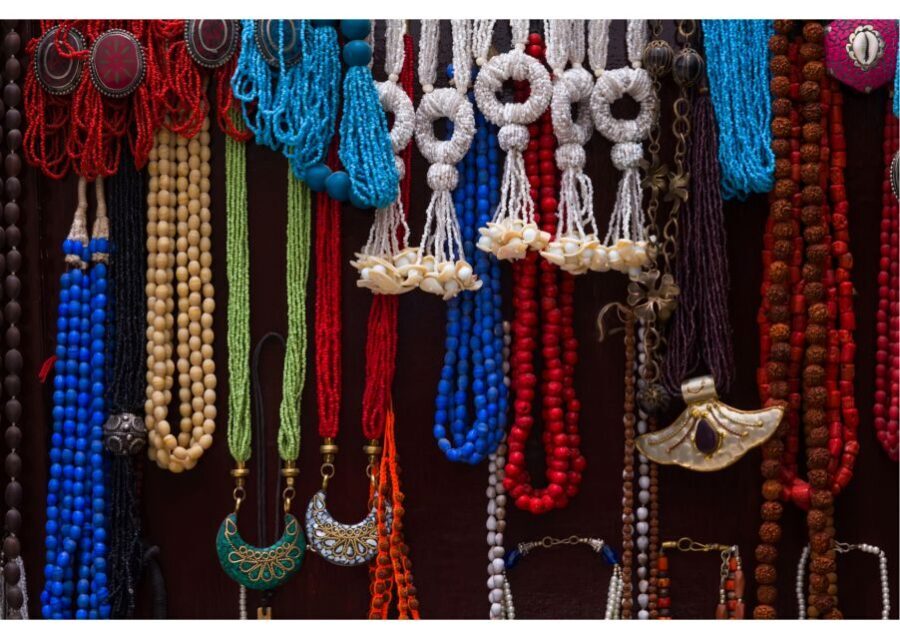
Mangaldas Market opened in 1893, and that date matters. It signals a market built to last, with traditions that still show up in the way silk and cloth are sold and handled.
This stop is especially good if you like textiles. You’ll see silk and cloth shopping, with tailors and designer-boutique style options in the mix. The result is more than just browsing fabric—it’s understanding how Indian outfits are assembled from the building blocks: cloth choices, tailoring, and styling.
If you’re thinking about bringing something home, this is the part of the tour where you’ll see the most “giftable” items. Just don’t expect a quick in-and-out. This is where people linger.
Chor Bazaar and the flower street vibe: antiques, furniture, and color
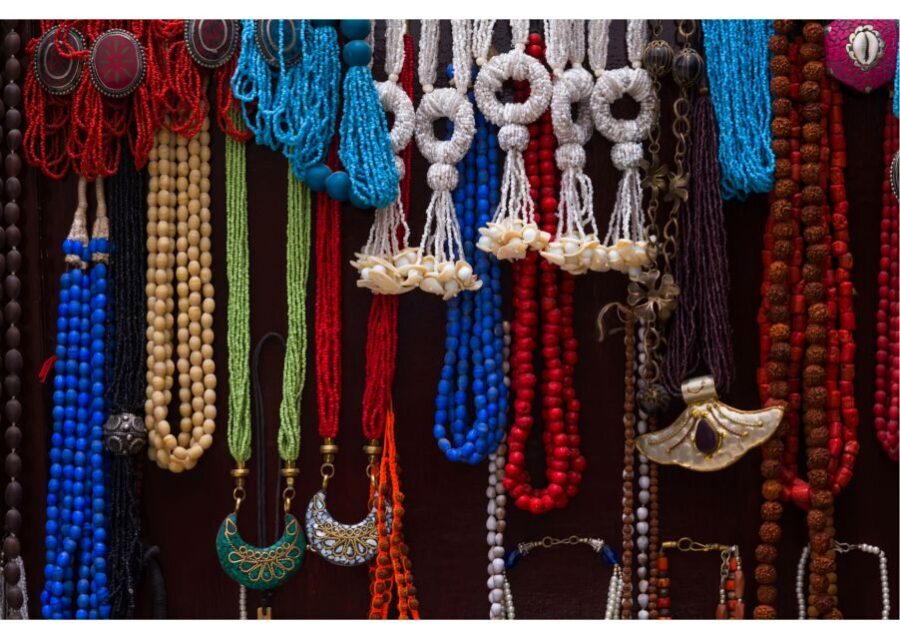
Passing through Chor Bazaar adds another layer: antiques and furniture. It’s a different kind of shopping energy—more hunt-like, less showroom-like. You might spot metal work and older-style crafts, plus the sense that the market is always looking for new stories to resurface.
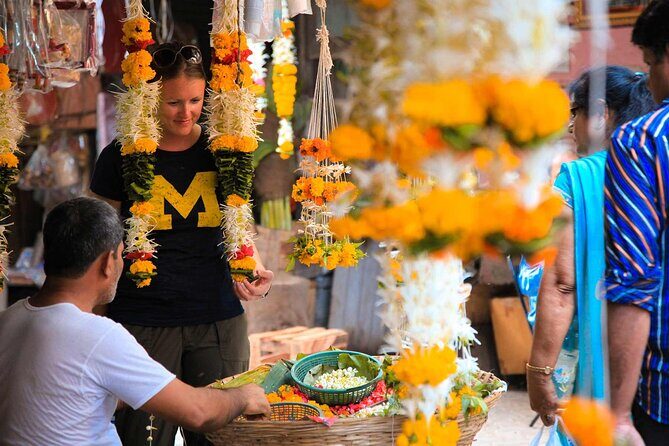
Then you move toward Mumbai’s famous flower street. Even if you don’t buy, the flower section helps you feel the city’s visual rhythm. Markets like this often connect to ceremonies, home worship, and daily life, so the flowers are more than decoration—they’re part of the local calendar.
Crawford Market: where cheese, chocolates, and real snack breaks happen
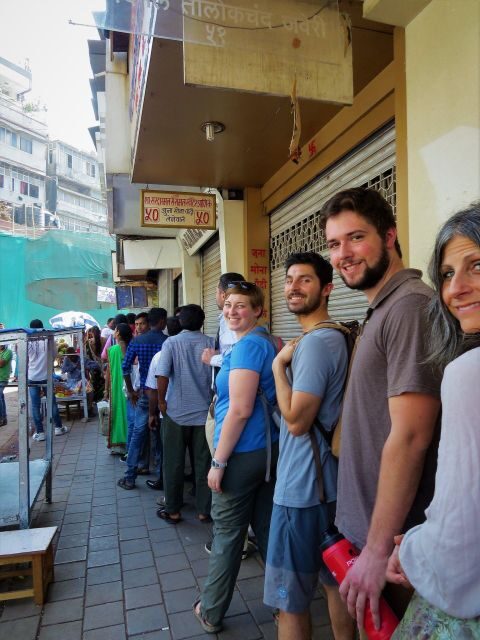
Crawford Market is the big food payoff. It’s known for fruits, vegetables, imported cheese, and homemade chocolates. You’ll get guided time there, plus free time to browse and sample.
This is also where the food tastings become the highlight for most people. You’ll taste multiple authentic street dishes as part of the included experience. Then there’s the signature chai moment: masala chai served in a clay pot, paired with views of Mumbai. That clay-pot detail is the kind of small thing that makes a tour feel specific, not generic.
Two practical considerations:
- Street food can be spicy and rich. If you’re not used to that, start small and go slow.
- Tell your guide about allergies before tasting begins. It’s the easiest way to keep the fun rolling.
Desserts and mouth fresheners: the smart ending to a snack-heavy walk
After Crawford Market, the tour ends with desserts and mouth fresheners. That matters more than you’d think. Mumbai street food is flavorful, and by the end of a two-hour walking tour, your palate needs a reset.
This final stop also keeps you from rushing off right after the last tasting. You get a moment to sit, finish strong, and decide what you want to follow up on later.
Price and value: what $14 actually buys you
$14 for a two-hour guided walking tour with multiple tastings is strong value, especially if you’re the type who wants structure. You’re not just paying for movement—you’re paying for direction, safe pacing in crowded lanes, and the ability to ask questions without guessing.
Also, the food component shifts the equation. If you were planning to buy snacks anyway, the included tasting coverage makes your total spend feel more controlled. And because the tour wraps at Crawford Market, you end your morning in a place where you can keep exploring independently if you want.
What to wear and how to handle Mumbai crowds
This tour is walking for about two hours. The market lanes are busy, often narrow, and you should expect crowds. Comfortable clothes help, but comfortable shoes matter more. You’ll likely spend more time navigating steps and tight spaces than you expect.
Weather-wise, the tour runs in all conditions. If you’re visiting during monsoon season, bring an umbrella. Even a short tour can feel long when your shoes are soaked and you’re trying to keep up.
If you want the experience to feel smooth, do this:
- Keep your phone in a secure pocket.
- Don’t expect quiet.
- Stay patient when streets get crowded.
Who this tour suits (and who should choose differently)
This works best if you want a guided overview of Mumbai markets in a compact time window. It’s a good fit for first-time visitors who want to understand jewelry, textiles, street foods, and the religious thread running through daily shopping.
You’ll also enjoy it if you like conversation. In the guide ecosystem here, you’ll find people who can adjust to your needs—some guides are praised for tailoring the pacing, answering a lot of questions, and supporting you around busy road areas.
It may not be ideal if you:
- Hate crowded spaces or narrow streets
- Have strict dietary restrictions that require lots of guaranteed options (you’ll still get chances to communicate allergies, but street-food choices are real choices)
- Want a slow, window-shopping-only pace with minimal walking
Should you book this Mumbai markets walking tour?
If your goal is a fast, high-signal taste of Mumbai—markets plus food plus city context—this is a smart booking. The included tastings, the clay-pot chai stop, and the end-of-tour dessert/mouth freshener sequence make it feel like more than a basic walk. For $14, you get structure in a place where structure is otherwise hard to find.
Book it if you’re comfortable walking and you’re curious about jewelry and textiles as much as snacks. Skip it only if crowds and tight lanes will stress you out more than you can handle.
FAQ
Where does the tour start?
You meet at BAPS Shri Swaminarayan Mandir in Mumbai.
How long is the guided walking tour?
The tour lasts 2 hours.
How much does it cost?
The price is $14 per person.
What language is the guide available in?
The live guide speaks English and Hindi.
What’s included in the experience?
It includes guided walking, and food tasting of multiple authentic Mumbai street dishes, plus a guide for stories and local tips.
Where do you end the tour?
The tour finishes at Crawford Market.
Do I need to be able to walk for the whole tour?
Yes. It’s a walking tour, and you should be comfortable walking for about 2 hours.
What should I bring?
Wear comfortable clothes. If you’re visiting during monsoon or rain, bring an umbrella since the tour runs in all weather conditions.
Are allergies handled during the tastings?
Yes. You should inform the guide of any allergies before the food tasting begins.
Is free cancellation available?
Yes. You can cancel up to 24 hours in advance for a full refund.