REVIEW · MUMBAI
Dharavi, Dhobighat, and Mumbai Dabbawallas
Book on Viator →Operated by Amaze Mumbai Tour · Bookable on Viator
Mumbai makes more sense on foot and on tracks. This small-group tour stitches together Dharavi, Dhobi Ghat, and the lunchbox system with public transportation, so you get a fast, grounded intro to daily work beyond the postcard Mumbai.
I especially like the way the day is guided end-to-end, with local-style explanations and real care for the group. And the access is practical: you don’t just glance at Dhobi Ghat—you go in inside to see how the open-air laundry functions, while at Churchgate you watch the dabbawallas at work and learn why their system is so reliable. Guides I saw named in feedback include Lucky, Lokesh (Loki), Ganesh, Dawood, Maze, and Mr Naynish.
One heads-up before you book: if you go on a Sunday or public holiday, the dabbawallas portion may not run, and the Dhobi Ghat experience can vary a bit depending on who’s guiding that stop.
In This Review
- Key points before you go
- Entering Dharavi, Dhobi Ghat, and the Dabbawallas World
- Price and the 3-Hour Time Budget
- Start Point at Churchgate: Simple meeting setup
- Stop 1: Dharavi walking tour (about 1 hour 30 minutes)
- Stop 2: Dhobi Ghat from inside (about 20 minutes)
- Stop 3: Churchgate and the dabbawallas in action (about 10 minutes)
- Stop 4: Back to Churchgate for the guide meetup (short wrap-up)
- The local train ride: why transit is part of the experience
- Group size, guide style, and what “personal attention” actually means
- What to bring and how to be a respectful guest
- Who this tour is best for
- Should you book the Dharavi, Dhobi Ghat, and dabbawallas tour?
- FAQ
- What are the main stops on this tour?
- How long is the tour?
- How much does it cost?
- Is it a small-group tour?
- What are the meeting points and the end point?
- Is there hotel pickup and drop-off?
- Is the Dhobi Ghat visit from inside?
- Are the dabbawallas included every day?
- What should I bring?
- Can I cancel and get a full refund?
Key points before you go
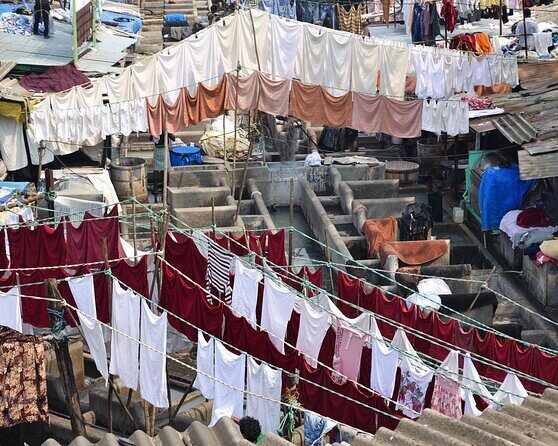
- Three real workplaces in one half-day: Dharavi, Dhobi Ghat, and Churchgate delivery routes
- Small group size (up to 15) means you can actually hear explanations and ask questions
- Public transit between stops helps you understand the city, not just visit it
- Dhobi Ghat from inside, not a street-level look
- Dabbawallas may be off on Sundays and public holidays
- Comfort matters: plan for walking and bring what you need (shoes, sun protection)
Entering Dharavi, Dhobi Ghat, and the Dabbawallas World
If you’ve only seen Mumbai from the window of a taxi, this tour is the correction. You trade views of skylines for the routines that keep the city moving—laundry schedules, lunch routes, and the micro-economies of Dharavi.
The format is also smart for first-timers. You’re not left to “figure it out.” You start at a centrally located meet-up by Churchgate, travel by train and local connections, and finish back in the same Churchgate area. That lowers stress, especially if you’re new to Mumbai’s pace.
And at $20 per person for about 3 hours, you’re paying mostly for the guiding and the organized entry into places you would struggle to navigate on your own. The value shows in the feedback pattern: the guide experience is the centerpiece, and people repeatedly mention feeling safe and looked after while still seeing how things really operate.
You can also read our reviews of more tours and experiences in Mumbai.



Price and the 3-Hour Time Budget
This tour is short—about 3 hours—but not skimpy. In a few hours, you’ll get:
- A guided walking tour of Dharavi (about 1 hour 30 minutes)
- A guided Dhobi Ghat visit from inside (about 20 minutes)
- A look at the dabbawallas at Churchgate (about 10 minutes)
- A wrap-up at the station area (another short stop)
Why that matters: Mumbai can swallow your time with logistics. A timed route like this helps you see three major themes (community industry, open-air labor, lunch delivery) without burning the day.
What you should consider: it’s not a slow, sit-down tour. You’ll walk and you’ll move between sites using public transportation. If you’re someone who hates crowds or hates standing, you may find parts tiring even though the hours are manageable.
Start Point at Churchgate: Simple meeting setup
You meet at Burger King Express Building, opposite Churchgate Railway Station, at IMC Marg, No 14E. The end point is also in the Churchgate area, near Maharshi Karve Rd, with the note to meet at the station entrance of Platform no. 4.
This matters because it reduces the classic “where exactly am I supposed to be?” problem. Also, the guide doesn’t just drop you and vanish—your guide helps with further travel afterward, so you’re not stuck searching for trains or a taxi.
Stop 1: Dharavi walking tour (about 1 hour 30 minutes)
The Dharavi part is a guided walking tour through different areas inside the settlement. This is the component that most people remember because it changes how they think about Dharavi.
What makes it work in this format is that it’s not just a photo stop. You’re on foot with a guide who can explain what you’re seeing—how people live, and how work and trade are organized in a city-within-a-city. Some guides are local to the area, and that kind of context usually shows in the way explanations flow.
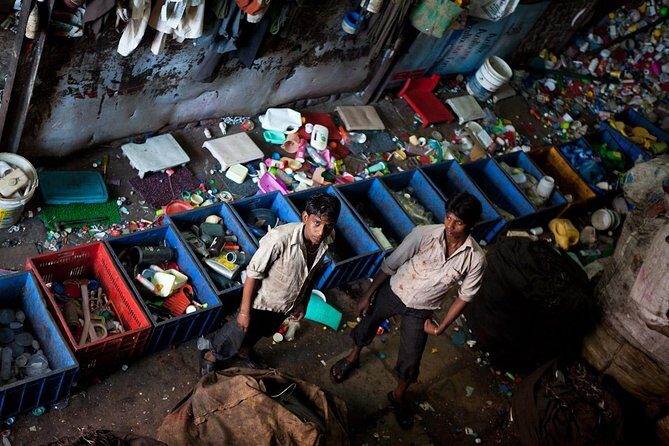
What I think is the key value here: Dharavi is presented as a place where daily work is organized and where many small businesses operate. That shifts the conversation away from stereotypes and toward systems—recycling, manufacturing, and neighborhood-scale logistics.
Photo etiquette is also part of the experience. In the feedback I read, guides were careful about when and where photos were permitted, and they helped keep the visit respectful. That’s a big deal in a place like this.
Possible drawback to plan around: Dharavi is still a lived-in environment. Even with careful guidance, you should expect that the atmosphere can feel intense—crowds, close walls, and people going about their routines. If you’re prone to sensory overload, take it slow and lean on your guide for pacing.
Stop 2: Dhobi Ghat from inside (about 20 minutes)
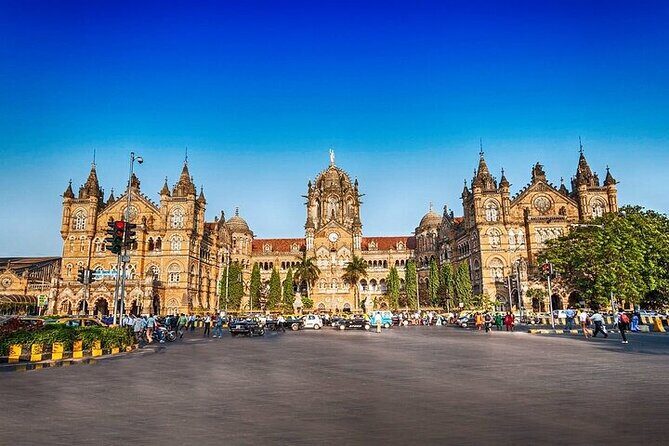
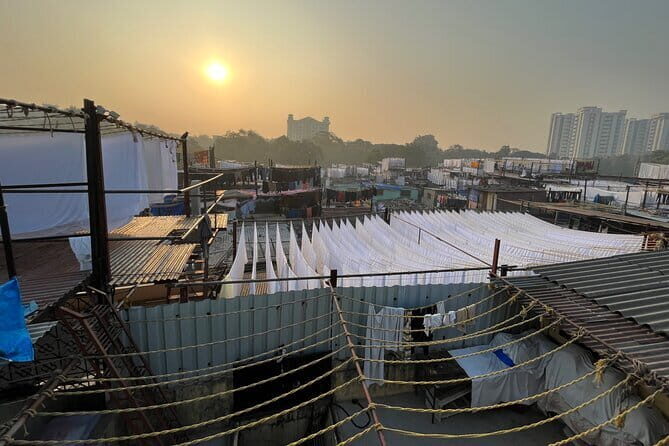
Dhobi Ghat is the open-air laundry area, and the standout here is the wording from the tour: you get the inside tour, not just a quick look from outside.
In practical terms, this stop is your “how it really works” moment. You’ll see how the laundry operation functions as an actual working process, not just an attraction. And because it’s guided from inside, you’re more likely to connect what you’re seeing to the labor routines and flow of work.
How long is it? About 20 minutes. That’s short, so don’t expect a museum-style walkthrough. Instead, treat it as a concentrated snapshot—an eye-level look at a system that runs daily.
One consideration: English communication at this stop can vary. In feedback, there were mentions of an on-site guide whose English was harder to follow, even though the overall experience still landed well. If you’re the type who needs crystal-clear explanations to enjoy a tour, you might want to ask your main guide beforehand how the Dhobi Ghat portion will be explained on the day you go.
Also, timing can affect what you see. One review noted that the Dhobi Ghat was not very active at the time of their visit. You can still learn the layout and function, but your photo and “activity level” may vary depending on when you arrive.


Stop 3: Churchgate and the dabbawallas in action (about 10 minutes)
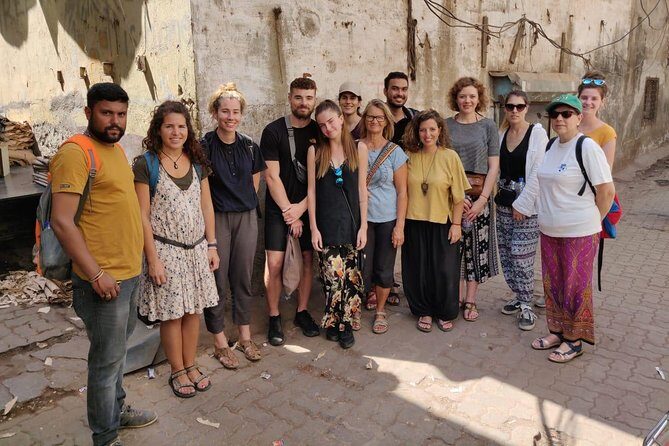
This is the most “clockwork” stop. At Churchgate Railway Station, you witness the dabbawallas—lunchbox delivery people—operating. You also learn how the system works so smoothly.
Even the time is revealing: it’s only about 10 minutes, but it’s staged at a place where you can watch the flow of logistics. You get the feeling of speed and coordination, because the whole point is timely delivery.
Here’s the key planning note: dabbawallas aren’t available on Sundays and public holidays. So if you’re visiting on a weekend, you should check the day before you commit. If the dabbawallas part doesn’t run, the tour can still be worthwhile for Dharavi and Dhobi Ghat—but you’ll lose that particular “machine in motion” feeling.
In the feedback I saw, people were repeatedly impressed by the lunch delivery system and the way the guides explained it plainly. It’s also one of the best moments for teens and first-time visitors who want something that feels tangible and real, not just observational.
Stop 4: Back to Churchgate for the guide meetup (short wrap-up)
The last part is a quick meeting at the station entrance by Burger King Platform no. 4. Think of this as your controlled exit. You wrap up, then your guide points you toward onward travel.
Why I like this design: it keeps you from drifting through the station like a tourist. You finish in the transport hub where trains and taxis are available, so you can keep exploring Mumbai right away.
The local train ride: why transit is part of the experience
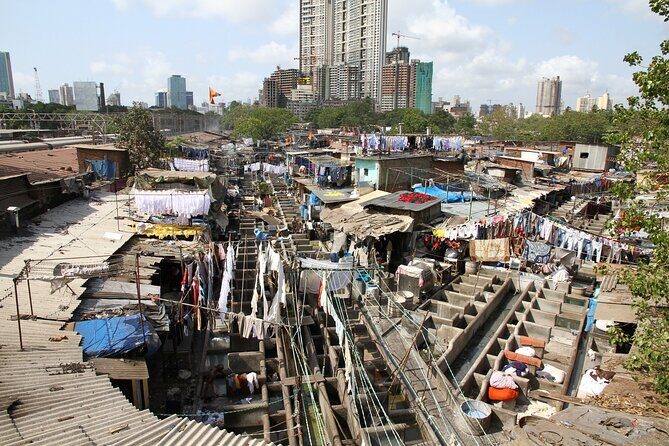
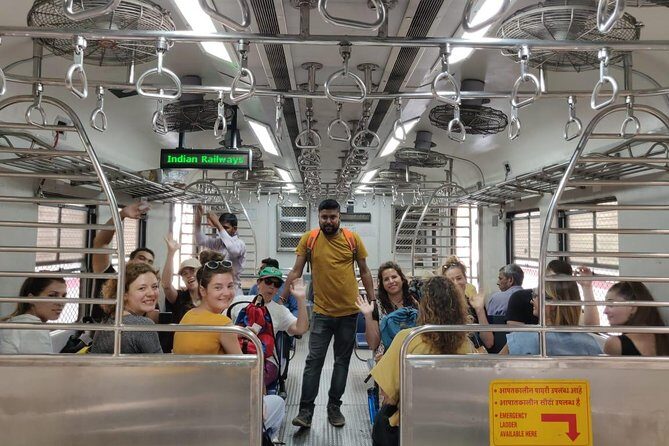
This tour uses public transportation during the day, so you’re not just visiting locations—you’re moving like locals do. That’s more than convenience. It helps you understand Mumbai’s rhythm: how people pack in, how routes connect neighborhoods, and how the city’s energy carries you between workplaces.
Several guides were praised for making the transport part feel manageable, especially for people who were nervous about riding trains or buses for the first time. The best tours treat public transit as a learning moment, not a test.
If you’re worried about it, do what you can control:
- Wear comfortable walking shoes
- Protect yourself from sun (hat or cap is a good idea)
- Keep your phone and valuables secure and easy to access
Group size, guide style, and what “personal attention” actually means
The tour caps at 15 travelers. That small group size is not a fluff detail. In Mumbai, audio and crowd control matter. With fewer people, you’re more likely to stay together, hear explanations, and ask follow-ups without your guide repeating the same points five different times.
Guide names that showed up in feedback include Lucky, Lokesh (Loki), Ganesh, Dawood, Maze, and Mr Naynish. What consistently comes through is that the guides were praised for being thorough and for helping people feel comfortable, including families and kids.
In a couple of mixed reviews, the issue wasn’t the concept—it was execution details like group keeping or explanation clarity at one stop. That’s a normal risk in tours that rely on on-site partners, not a reason to avoid the experience. Just go in with the right expectation: you’re touring real places with real workers, so not every minute will follow a perfectly scripted timeline.
What to bring and how to be a respectful guest
You’ll enjoy this tour more if you show up ready for walking and sun. The tour recommends comfortable walking shoes, sunglasses, and a hat or cap.
Beyond that, I’d add a practical checklist based on what people reported:
- Bring water. In one review, people noted they weren’t provided water or snacks.
- Carry a small snack if you tend to get hungry quickly. (This tour is only about 3 hours, but it moves.)
- Plan for a slower pace in Dharavi. If you’re taking photos, pause before stepping aside—keep the flow.
Respect-wise, follow your guide’s lead on photo permissions in Dharavi. The best guidance I saw in feedback specifically mentioned that guides pointed out where photos were allowed.
Who this tour is best for
This is a strong fit if you want:
- A first-timer intro to Mumbai that goes beyond the usual sights
- A tour that mixes culture with how cities run day-to-day
- A guided walk and transit experience where someone helps you understand what you’re seeing
It can also work well for families, with the caveat that children need an adult. In feedback, families with kids mentioned the tour helped them see a side of India they hadn’t expected.
If you’re very sensitive to uncertainty, crowds, or intense environments, think about your comfort level with Dharavi. This isn’t a staged theme park. It’s a lived workplace and home.
Should you book the Dharavi, Dhobi Ghat, and dabbawallas tour?
I’d book it if you want maximum meaning per hour. You’re getting three work-based stops—Dharavi, Dhobi Ghat, and the dabbawallas—wrapped into a tight 3-hour route with public transit and a guide who helps you connect the dots.
Skip or reconsider if:
- You’re going on a Sunday or public holiday and dabbawallas are a must-see for you
- You dislike walking and would rather do a more relaxed, view-based tour
- You need consistently clear explanations at every stop and you’re worried about language variation at Dhobi Ghat
If none of those are dealbreakers, this one is a high-value way to understand Mumbai’s real systems fast—and it’s the kind of experience that stays with you long after the train ride ends.
FAQ
What are the main stops on this tour?
You’ll visit Dharavi (guided walking tour), Dhobi Ghat (guided tour from inside), and Churchgate Railway Station where you can witness the dabbawallas delivering lunchboxes.
How long is the tour?
The tour is approximately 3 hours.
How much does it cost?
The price is $20.00 per person.
Is it a small-group tour?
Yes. The group size is capped at a maximum of 15 travelers.
What are the meeting points and the end point?
You start at Burger King Express Building near Churchgate Railway Station (outside Platform no. 4). The end point is Maharshi Karve Rd, Churchgate, Mumbai, near the station entrance of Platform no. 4.
Is there hotel pickup and drop-off?
No. Hotel pickup and drop-off are not included.
Is the Dhobi Ghat visit from inside?
Yes. The tour includes the Dhobi Ghat (open-air laundry) tour from inside, not just from outside.
Are the dabbawallas included every day?
No. The dabbawallas are not available on Sundays and public holidays.
What should I bring?
Comfortable walking shoes, sunglasses, and a hat or cap are recommended.
Can I cancel and get a full refund?
Yes. You can cancel up to 24 hours in advance for a full refund. If you cancel less than 24 hours before the start time, the amount isn’t refunded.