REVIEW · MUMBAI
Mumbai: Elephanta Caves Half-Day Guided Tour with Expert
Book on GetYourGuide →Operated by Amaze Tours · Bookable on GetYourGuide
Elephanta Caves can feel like a time machine. I love how this half-day format pairs a ferry ride with hands-on storytelling inside UNESCO-listed stonework. With guides such as Dave, Harish, Krupesh, and Dev, you get clear explanations of Hindu and Buddhist themes carved into solid basalt. The main consideration: you climb roughly 120 steps, so if your back is touchy or mobility is limited, this may not be your best day.
Here’s the trade-off I like: the trip is short enough to fit into a busy Mumbai schedule, but structured enough that you don’t waste your time guessing what you’re looking at. You’ll hit the highlights (including the Shiva cave and its three-headed sculpture) without feeling rushed. And because the group is managed, you start seeing the caves as a connected story instead of random statues.
In This Review
- Key highlights to look for
- Elephanta Caves: why this UNESCO site is worth the ferry
- Getting to the island: ferry timing and the 120-step reality check
- Walking into the caves: basalt art, big pillars, and a 6th-century core
- Three caves, one story: Hindu, Buddhist, and Shiva symbolism
- The plateau, the hall, and how to pace a half-day right
- Toy train on Elephanta Island: small extra, real comfort
- What the guide really adds (and why photos get better)
- Price and value: what $30 actually buys you
- Logistics to keep in mind: timing, bags, and when things can get crowded
- Who should book this tour, and who should think twice
- Should you book the Elephanta Caves half-day guided tour?
- FAQ
- How long is the Elephanta Caves half-day tour?
- How much does the tour cost?
- What’s included in the price?
- Is the tour guide available in English?
- What should I bring for the caves?
- Are there restrictions on luggage?
- Are the Elephanta Caves open every day?
- What about rain and ferry cancellations?
- Is the tour suitable if I have mobility issues or back problems?
Key highlights to look for
- Skip-the-line entry so you spend more time inside the caves than waiting outside.
- Expert guides on religion + symbolism, with examples like Dave, Harish, Krupesh, and Dev mentioned for clear explanations.
- UNESCO bas-reliefs carved from basalt, including a major Hindu cave, a Buddhist cave, and a Shiva-focused cave.
- The big 120-step climb to reach the plateau where the caves sit.
- Toy train at Elephanta Island, included to keep the pace comfortable.
- Ferry time built in (about an hour each way) so you don’t have to plan transport on the fly.
Elephanta Caves: why this UNESCO site is worth the ferry
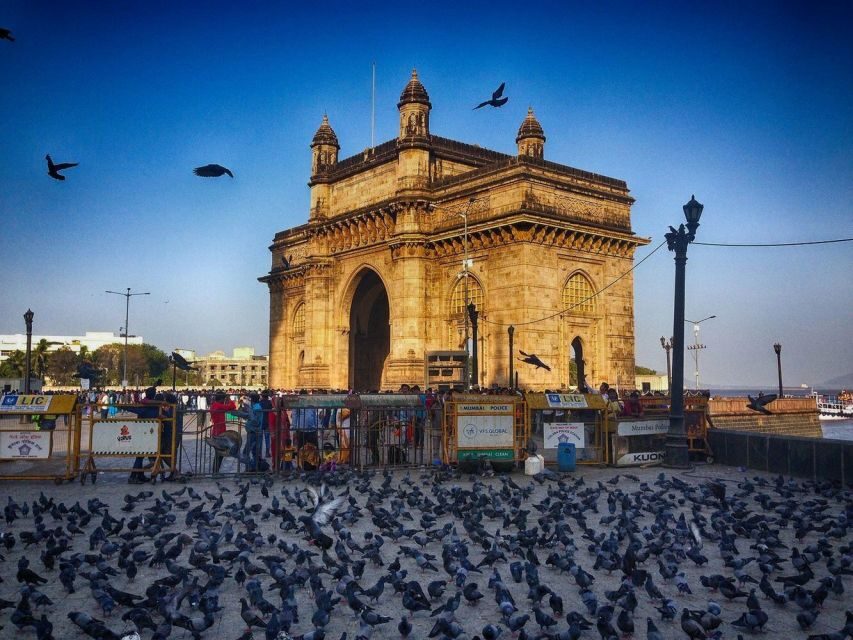
Elephanta Island is one of those places that sounds simple on paper, then shocks you in person. The entire site is carved out of solid basalt rock, so the caves don’t feel like decoration placed on a hill—they feel engineered from the mountain itself. That makes the stone sculptures and architectural spaces hit harder.
The value here is not just seeing the caves. It’s understanding what you’re seeing. When you have an expert guide—people like Dave or Harish are repeatedly praised for making the symbolism click—you start noticing details you would otherwise miss, like how different religious traditions share themes of devotion, mythology, and cosmic order.
You can also read our reviews of more guided tours in Mumbai


Getting to the island: ferry timing and the 120-step reality check
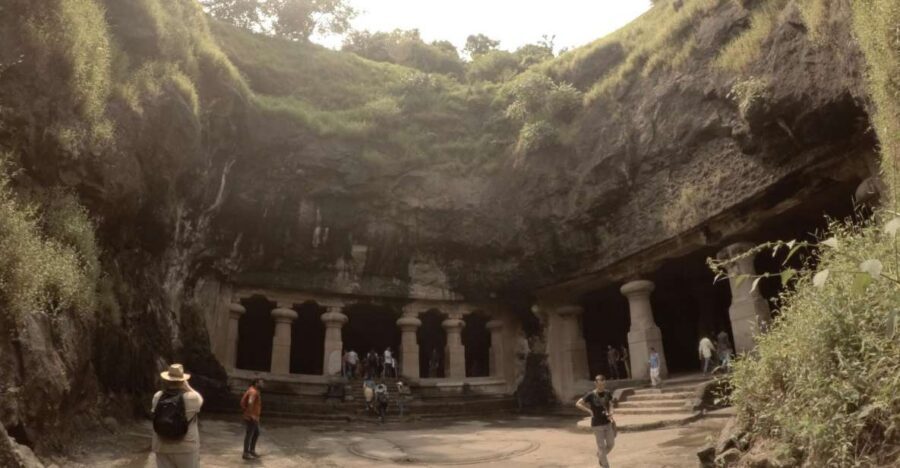
Your day starts with travel by ferry from Mumbai to Elephanta Island (about an hour). If you chose the pickup option, you’ll be collected from your hotel area; if not, you’ll meet at the correct location tied to your booking. Either way, the ferry is part of the experience, not just transport.
Once you reach the island, plan on a climb of about 120 steps to reach the plateau where the caves can be entered. That’s the one physical hurdle built into the experience, and it matters. Comfortable shoes aren’t optional, especially because the island includes stairs, uneven ground, and a few stretches where you’ll want solid footing.
If you’re traveling in the monsoon season (June to September), keep expectations flexible. Heavy rain, strong winds, and high tides can delay or cancel ferries. The good news is that full refunds are available if the tour is canceled, but you should still expect that timing can slip in that season.
Walking into the caves: basalt art, big pillars, and a 6th-century core
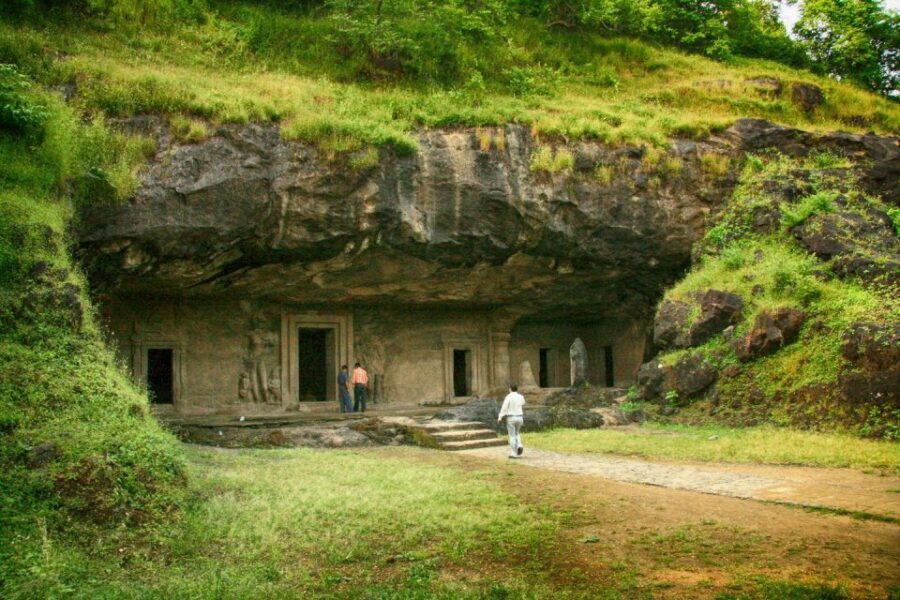
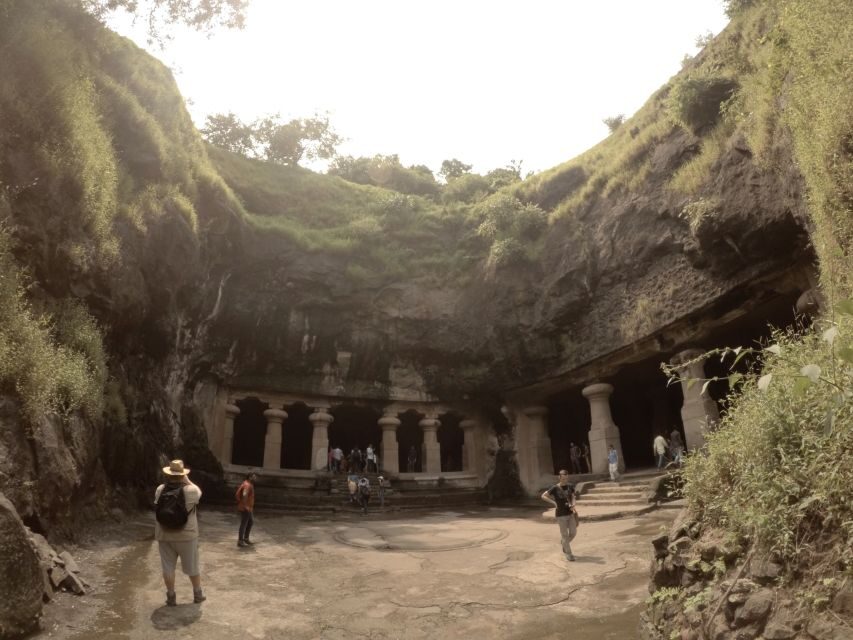
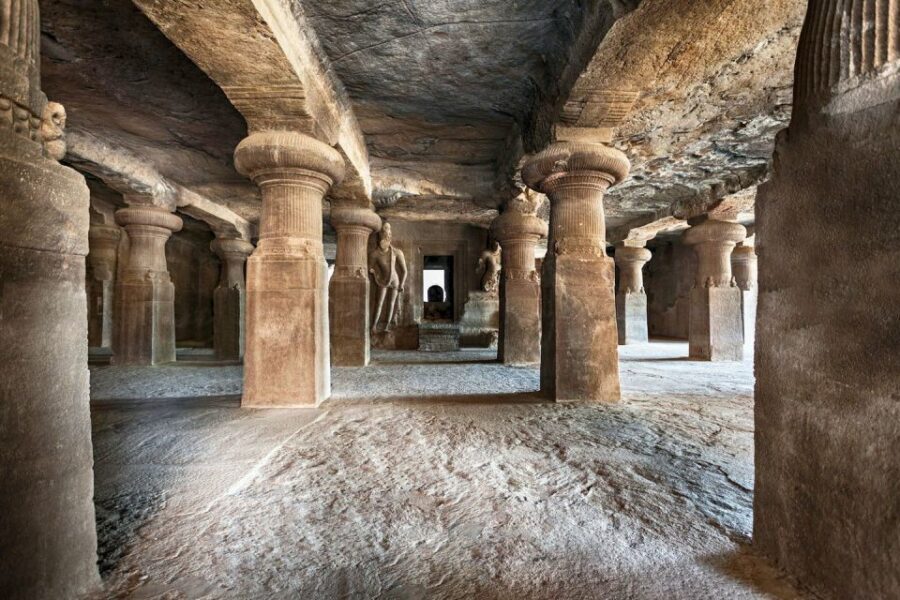
Inside Elephanta, the first wow moment often comes from scale. One of the most talked-about spaces is a large hall supported by huge pillars, linked to 6th-century architecture. Even without a guide, you can feel the intent: this isn’t a small shrine tucked away. It’s a planned sacred space with the kind of stone engineering that makes you stop and look up.
The tour experience focuses on major excavation areas rather than trying to cover everything. Elephanta includes seven major excavation sites overall, but you visit three caves plus key highlights. That’s smart for a half-day schedule. You get enough variety to compare Hindu and Buddhist elements, and then you can spend time in the standout Shiva cave without the day turning into a sprint.
Because your entry is handled with a skip-the-line approach, you lose less time to queueing. That is a real quality-of-life detail in Mumbai, where even short waits can snowball.
Three caves, one story: Hindu, Buddhist, and Shiva symbolism

Elephanta is often marketed as a Hindu site—and the Hindu caves are indeed central. But the real reason it stays interesting is how the carvings reflect both Hindu and Buddhist influences in the same island setting. You’ll spend time in:
- A large Hindu cave
- A Buddhist cave
- A Shiva-dedicated cave with a massive three-headed Shiva sculpture
What the guide does is connect the dots. With explanations that range from the stories behind major figures to the meaning of repeated motifs, you start understanding why certain faces, poses, and icon details are placed where they are. People mention guides like Dave and Harish for turning the caves into something you can follow, not just something you photograph.
The Shiva cave is usually the emotional peak. The three-headed Shiva statue isn’t just impressive because it’s large—it’s impressive because it communicates multiple aspects at once. Standing there, you can feel why this site became a magnet for pilgrims and scholars for centuries.
The plateau, the hall, and how to pace a half-day right
The tour’s pacing is designed for a short visit, and you should use that structure to your advantage. After the initial climb, you’re not left wandering without direction. You move through key spaces and caves in a logical flow, which helps you build a mental map quickly.
You’ll likely spend around 1.5 hours at the caves area on the guided portion, plus travel time by ferry. In practical terms, that’s enough time to see the big sculptures, listen carefully, and still take breaks for photos and water. There’s also bottled water on arrival at Elephanta Island, which helps on hot days.
One pacing tip: don’t try to photograph everything at eye level. Take a few minutes to look up into the pillar hall and into carved sections above reach. The stone work is layered, and the best shots often come after you’ve spent a few minutes simply orienting yourself.
You can also read our reviews of more tours and experiences in Mumbai



Toy train on Elephanta Island: small extra, real comfort
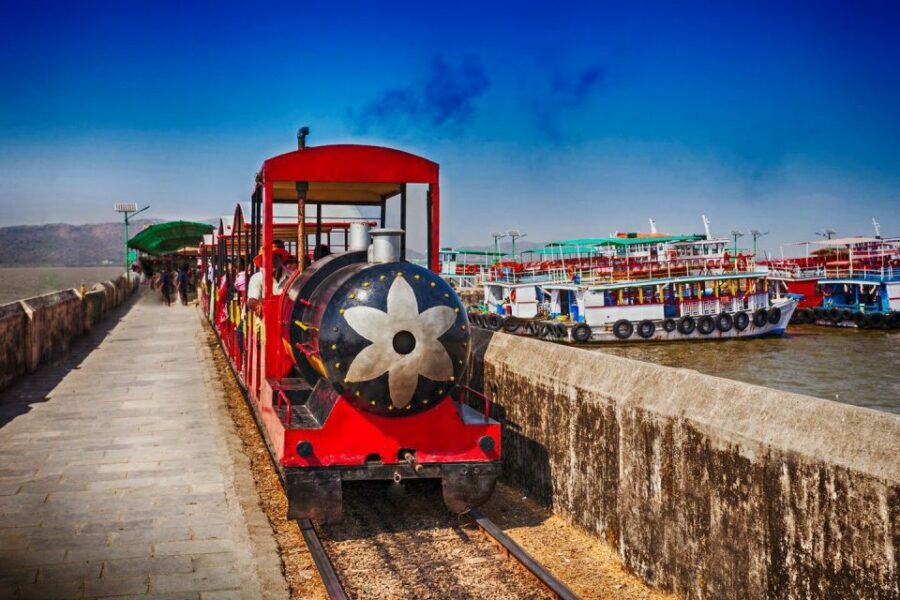
Included in the package is a toy train ride on Elephanta Island. It may sound like a gimmick, but it serves a purpose: it reduces how much walking you have to do on a day built around stairs and transfers.
That matters if you’re doing this as a half-day add-on while juggling other Mumbai plans. You still get the core experience—caves, sculptures, explanations—but you avoid turning the island itself into a leg-burning endurance event.
What the guide really adds (and why photos get better)
The strongest feedback repeatedly points to one thing: guides don’t just recite facts. They help you see. People mention Dave for taking excellent pictures and for clear explanations of Hindu philosophy and Hindu gods, and they mention Harish for stories centered on Shiva. Krupesh is also praised for island-local insight and for sharing lots of photo-friendly angles.
Even if you’re not a huge museum person, you’ll feel the difference. When someone explains why a sculpture is placed where it is—or what a posture or face detail is communicating—the cave stops being a collection and becomes a message.
If photography is a priority for you, this is where the guide’s value shows up fast. They often know the best spots to avoid harsh shadows and crowded lines of sight. You’ll also likely get practical prompts like when to pause, where to stand for pillars, and how to frame the three-headed Shiva sculpture so it looks dramatic rather than flat.
Price and value: what $30 actually buys you
At about $30 per person, this is positioned as a mid-value day trip from Mumbai. What makes it feel worth it is that the price bundles the items that are hardest to assemble cleanly:
- Ferry tickets both ways
- Entrance fee to the Elephanta Caves
- A guide for explanations inside
- Skip-the-line entry
- Toy train on the island
- Bottled water on arrival
If you tried to DIY it, you’d still pay ferry fare and entrance fees. The part you can’t replicate as easily is the guided interpretation of the caves’ religious symbolism. For many visitors, that’s the difference between taking pictures and actually understanding the stone.
There’s also the convenience factor. Hotel pickup and drop-off is offered if you select that option, which can cut down friction. Just know that like any group logistics system, details like timing and coordination are never 100% guaranteed.
Logistics to keep in mind: timing, bags, and when things can get crowded
This experience is straightforward, but you should plan smart for the real-world Mumbai factor.
A few practical points:
- You’ll want comfortable shoes, since the route includes stairs and uneven footing.
- Bring sunglasses and a hat for sun on ferry and island steps.
- No luggage or large bags are allowed, so travel light.
- Expect the ferry area to involve crowds and moving through a busy dock.
Also, Elephanta is closed on Mondays, so double-check your calendar if you’re traveling around the start or middle of the week.
One more note: while most parts tend to run smoothly, there are occasional reports tied to return transport not matching expectations. The safest mindset is to keep a backup plan for your return timing, especially if you’re relying on a pickup option. If you’d rather keep control, you can also consider meeting at the ferry yourself and handling your own way back.
Who should book this tour, and who should think twice
This tour is a good fit if you:
- Want a classic Mumbai day trip with a UNESCO highlight
- Like history and religious art, especially when someone explains meaning behind symbols
- Appreciate structure when you have limited time
- Want photo support and not just access
It may not be the best match if you:
- Have back problems or mobility impairments
- Struggle with stair-heavy routes, since the climb to the plateau is part of the core experience
In terms of group vibe, you can travel as part of a private group too. That can be a nice option if you want more flexible pace and fewer photo timing conflicts.
Should you book the Elephanta Caves half-day guided tour?
If Elephanta is on your Mumbai list, I’d book this guided version. You’re paying for the ferry, the skip-the-line convenience, and the interpretive layer that makes the cave sculptures understandable—especially the Hindu and Shiva-focused parts and the comparison with Buddhist carving.
Book it with two practical expectations: wear shoes for stairs, and plan around weather if you’re traveling in the monsoon months. If you’re traveling Monday, skip this option because the site is closed.
Finally, if you care about photos and clarity, this is the tour type where a good guide makes the day. Guides like Dave, Harish, Krupesh, and Dev are repeatedly praised for turning the caves into a story you can follow—and that’s the difference between a quick look and a day that actually stays with you.
FAQ
How long is the Elephanta Caves half-day tour?
The duration ranges from 1.5 to 6 hours, depending on the selected starting option and schedule.
How much does the tour cost?
It’s listed at $30 per person.
What’s included in the price?
You get a guide, ferry tickets, entrance fee to the Elephanta Caves, skip-the-line entry, the toy train at Elephanta Island, and bottled water on arrival at Elephanta Island. Hotel pickup and drop-off are included only if you choose that option.
Is the tour guide available in English?
Yes, the live tour guide is available in English.
What should I bring for the caves?
Bring comfortable shoes, sunglasses, and a hat.
Are there restrictions on luggage?
Yes. Luggage or large bags are not allowed.
Are the Elephanta Caves open every day?
No. Elephanta Caves are closed on Mondays.
What about rain and ferry cancellations?
During the monsoon season (June to September), ferries may be delayed or canceled due to heavy rain, strong winds, and high tides. Full refunds are available if tours are canceled.
Is the tour suitable if I have mobility issues or back problems?
No. It is not suitable for people with back problems or people with mobility impairments.