REVIEW · MUMBAI
Mumbai: Full-Day Sightseeing Tour of Mumbai
Book on GetYourGuide →Operated by Amaze Tours · Bookable on GetYourGuide
Mumbai can overwhelm you; this tour steadies it. It’s a full-day sweep that ties together Chhatrapati Shivaji Terminus and the everyday drama of Dhobi Ghat, with stops that explain how this city grew and how people actually live. If your guide is someone like Ganesh or Abdul, you’ll get jokes, clear context, and just enough structure to stop Mumbai from feeling like one giant blur.
I also love how the day mixes big-photo icons with places that feel quieter and more human, like Mani Bhavan and the Banganga Tank area on Malabar Hill. The big drawback to plan for: you’re moving for 5–10 hours in a city where traffic is real, and several major sights are short stops rather than slow, wandering visits.
In This Review
- Key points before you go
- Entering Mumbai’s full-day rhythm, from Gateway to Dhobi Ghat
- Price and value: is about $24 actually a bargain?
- The ride: why the driver’s skill matters in Mumbai
- Gateway of India and the Taj area: the classic start, with context
- Kala Ghoda and the art-and-architecture lane
- Oval Maidan, Asiatic Society, and the commuter scene at CST
- Crawford Market: where the senses take over
- Marine Drive: the sea promenade reset
- Mani Bhavan: Gandhi’s story, in a more personal way
- Malabar Hill: Banganga Tank and Hanging Gardens calm the volume
- Dhobi Ghat: the world’s largest open-air laundry
- Odds and ends that make Mumbai feel like Mumbai
- Group size, flexibility, and how guides make the day work
- Cruise-ship and arrival logistics: the Greengate note you should know
- What’s the one “drawback” you should plan for?
- Who this tour is perfect for
- Should you book this full-day Mumbai tour?
- FAQ
- How long is the Mumbai sightseeing tour?
- Is the tour guided in English?
- What’s included in the tour price?
- Is food included?
- Are there private or small-group options?
- Do I need to pay extra for attractions?
- Where does pickup happen?
- If I’m joining from a cruise, where do I meet?
- Will the guide be able to accommodate requests during the day?
Key points before you go
- A one-day “get your bearings” loop through colonial landmark after colonial landmark
- CST (UNESCO) with commuter energy, not just an exterior photo moment
- Market + sea promenade pairing: Crawford Market smells, Marine Drive chills
- Gandhi sites plus calmer hill views, so the day doesn’t stay loud the whole time
- Dhobi Ghat timing for the real spectacle of an open-air laundry operation
Entering Mumbai’s full-day rhythm, from Gateway to Dhobi Ghat
Mumbai has two speeds. One is frantic—cars, crowds, and voices. The other is slower, where you notice details: carvings on a library facade, the way a museum entrance funnels people in, or the small pockets of quiet on a hill.
This tour works because it doesn’t try to turn Mumbai into one single vibe. You get a balanced route built for first-timers: colonial-era grand buildings, major museums and stations, then street-life stops like Crawford Market, and finally the signature Mumbai working sight—Dhobi Ghat.
The day also has a real practical advantage. You’re not left to figure out logistics. You get hotel pickup and drop-off and a chauffeured, air-conditioned vehicle that’s meant for navigating city traffic without turning the trip into an exhausting grind.
You can also read our reviews of more tours and experiences in Mumbai



Price and value: is about $24 actually a bargain?
At around $24 per person, the value comes from what’s included. You’re paying for pickup and drop-off, an English live guide or driver-guide, bottled water, and entrance fees for the included stops. You also get parking fees, fuel, and taxes/road tolls covered, which matters in Mumbai where the “small” costs add up fast.
Food and drinks are not included, so you’ll want to budget for snacks or a simple meal at your own pace. But compared to the alternative—taxis plus separate tickets plus trying to find everything yourself—this format is often cheaper than it looks on paper.
Also, the reviews highlight a consistent theme: the car is kept clean and air-con works, and the driver is strong at dealing with the chaos. That’s part of why it feels like a smart-value day rather than a rushed bus tour.
The ride: why the driver’s skill matters in Mumbai

Mumbai traffic is not background noise. It shapes the whole day. The tour’s structure assumes you’ll be traveling through busy areas, then stopping in places where crowds can build quickly.
This is where the experience tends to feel different depending on who’s behind the wheel. In multiple accounts, drivers were praised for punctuality and safe navigation, with one guide pair even highlighted for moving ahead of big tourist traffic and keeping the day on track.
Two small practical tips come from that reality:
- Bring a light layer. Air-conditioned cars can run cold, then the air outside hits you like a warm wave.
- Don’t plan to “just pop in” anywhere else after the tour. If your day ends at your drop-off point, you’ll still want energy left to eat and decompress.
Gateway of India and the Taj area: the classic start, with context
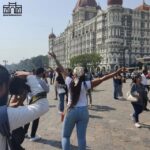
The day often kicks off at Gateway of India, where you can walk a little, take photos, and get the first clue that Mumbai’s story is tied to empires, trade, and power shifts. The Gateway sits right by the Taj Mahal Palace Hotel, so you get that old-world contrast instantly: grand architecture next to a coastline where ships and crowds used to define daily life.
What I like about starting here is how it sets the frame. Even if you’ve seen Gateway photos before, the tour format nudges you to notice what the building represents—colonial legacy and Mumbai’s global role.
This is also a good moment to tell your guide what you’re most curious about. If you want religion and architecture, ask. If you care more about trade and politics, ask. A good guide will adjust the way they talk for the rest of the day.
Kala Ghoda and the art-and-architecture lane
After the waterfront icon, you move into Kala Ghoda, a district where colonial facades sit next to galleries and working cultural spaces. You’ll pass or stop near the Chhatrapati Shivaji Maharaj Vastu Sangrahalaya area and get the sense that Mumbai’s art scene isn’t tucked away—it’s woven into the city center.
As you stroll, you’ll likely see things that feel like they belong in a different century: gothic forms, old-school institutional buildings, and libraries with character. The tour also keeps you near famous places like Sassoon Library and Jehangir Art Gallery (often seen from the route), so your walk becomes more than “look at the street.”
Why it’s worth it: Kala Ghoda is one of the easiest areas to understand the city’s layers. You don’t need insider knowledge to feel the shift—from coastal colonial imagery to creative district energy.



Oval Maidan, Asiatic Society, and the commuter scene at CST
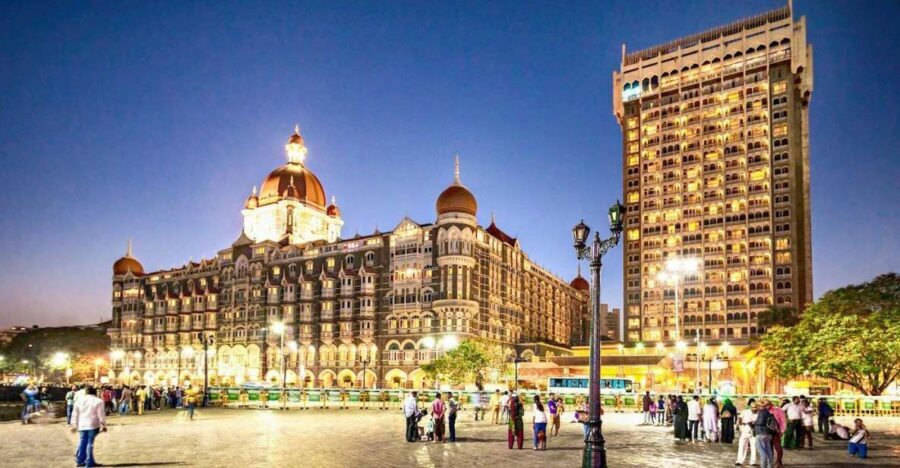
One of the best payoffs comes when the tour reaches Oval Maidan and the surrounding monumental buildings. The open area helps you “see” the city plan—wide spaces, big institutions, and a layout that’s built for scale.
Then comes one of Mumbai’s big hits: Asiatic Society of Mumbai and the adjacent literary world around it. Even if you’re not a museum person, libraries like this give you a shortcut into how Mumbai’s elites and intellectual circles shaped public life.
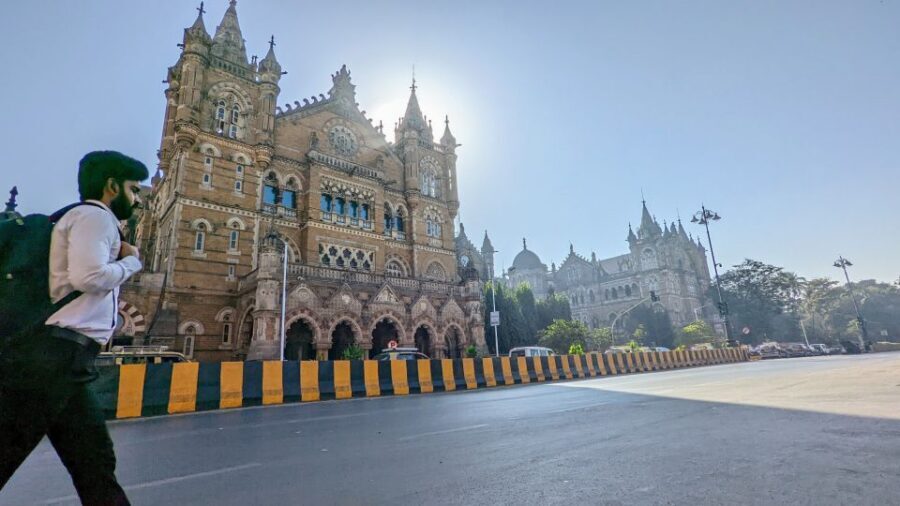
Next you reach Chhatrapati Shivaji Maharaj Terminus (CST)—a UNESCO-listed Victorian Gothic masterpiece. The tour doesn’t treat CST like an empty landmark. You’re inside an active station environment where daily commuters keep the building alive. That contrast is the point. It’s architecture with jobs attached.
Quick tip: CST can be crowded. If you’re sensitive to tight spaces, wear comfortable shoes and plan to move slowly at the entrances.
Crawford Market: where the senses take over
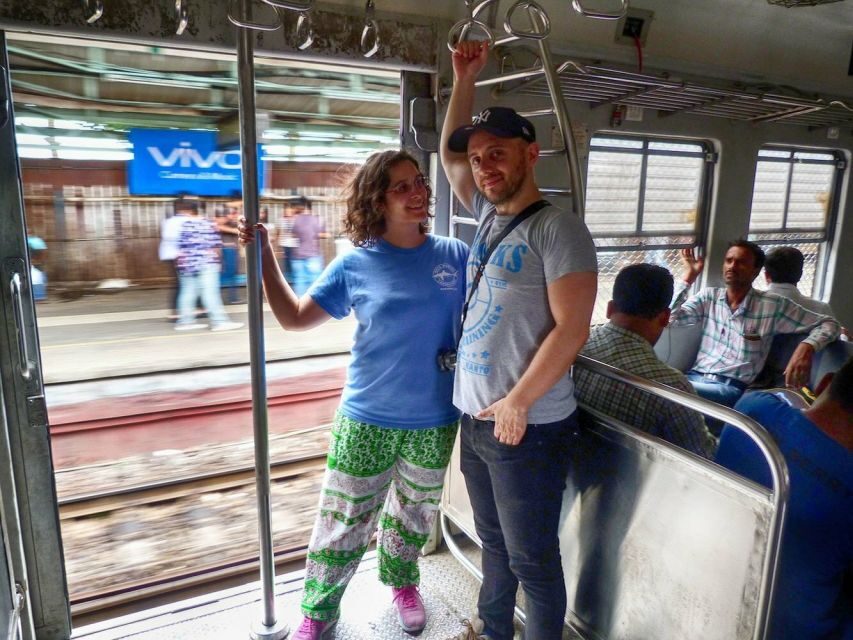
Crawford Market is the kind of stop that’s hard to describe until you’re there. The air carries spices and fresh produce smells. The stalls look colorful even if you’re not a “market” traveler. And the energy is not staged. People come here because it’s useful.
The best way to enjoy it is to keep your expectations realistic. This isn’t a boutique shopping mall. It’s practical commerce. If you want to browse, do it with respect and patience.
If you want to eat, keep it simple. Your guide may suggest where to try something local, but the main value of this stop is understanding how food shopping fits into daily Mumbai life.
Marine Drive: the sea promenade reset
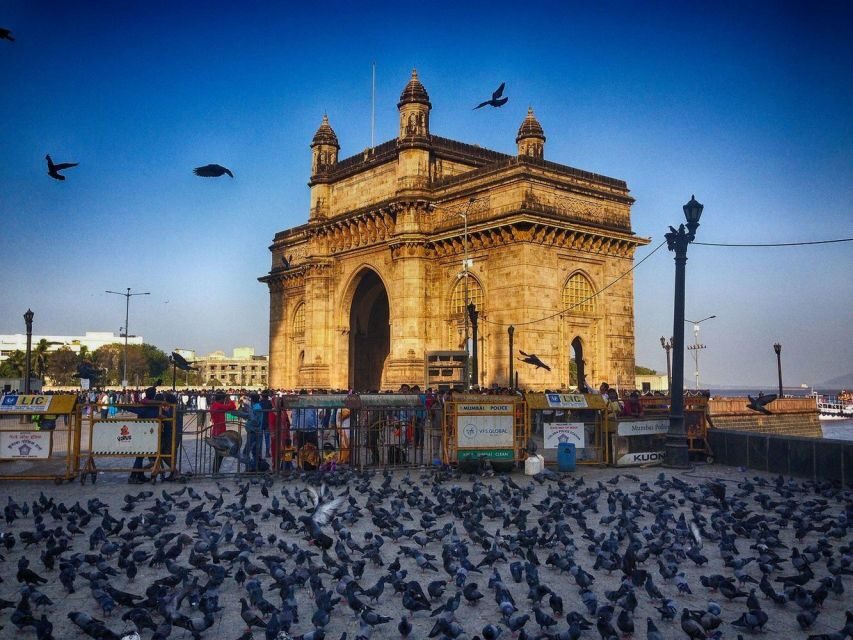
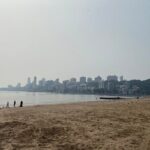
After a market, Marine Drive feels like a breather. It’s scenic, it’s open, and you get those wide views along the Arabian Sea where the city’s rhythm changes again.
Even if the light isn’t perfect, the promenade works. You see how Mumbai uses the coastline as a public space, not just a backdrop. It’s also one of the spots that helps you photograph the city’s curve without being surrounded by buildings the whole time.
I recommend using this stop for slow walking and regrouping. You’ll thank yourself later when the day switches back to history and working-city sights.
Mani Bhavan: Gandhi’s story, in a more personal way
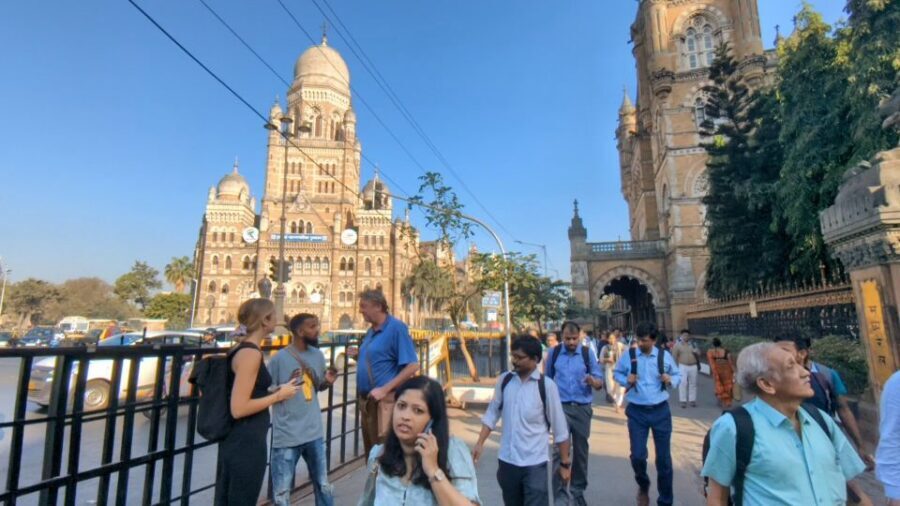
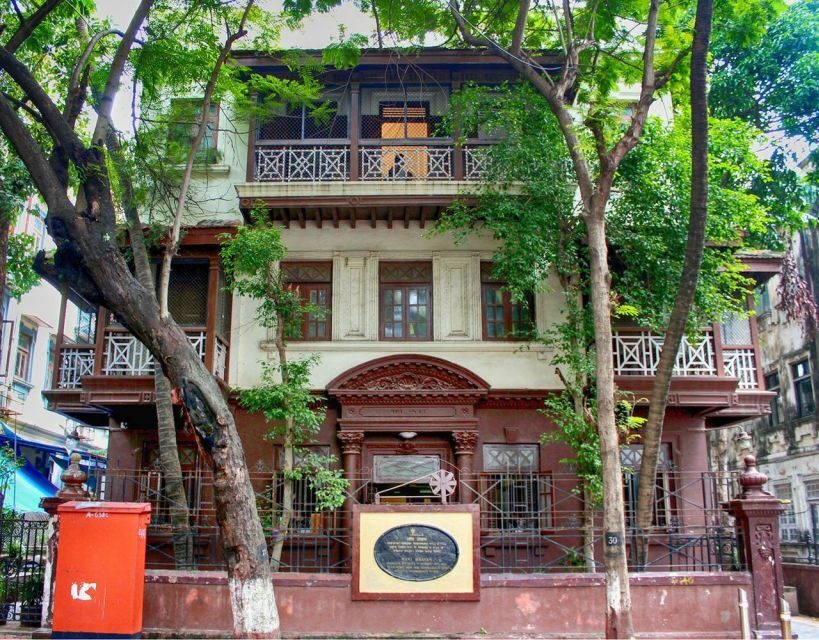
Then the tour pivots into one of the emotional anchors of the day: Mani Bhavan, Gandhi’s former residence turned museum. It’s a stop that often lands well because it moves beyond famous quotes and big statues.
You get a chance to connect Gandhi to a real home base and a specific period, which makes the history feel less abstract. If you like storytelling-led tours (and a lot of these guides do story well), this is usually where the explanations click.
A practical note: museum-style stops can include some walking indoors or through display areas. If you’re traveling with limited mobility, say so early. Guides can often help manage pacing.
Malabar Hill: Banganga Tank and Hanging Gardens calm the volume
Malabar Hill is where Mumbai quietly adjusts itself. The tour typically heads here for Banganga Tank—a sacred water site—and nearby Hanging Gardens, giving you a different side of the city.
This is the part of the day that makes the whole itinerary feel balanced. You’ve already seen heavy architecture and busy markets. Now you get a slower scene with greenery and viewpoint moments.
The value isn’t only the scenery. It’s the contrast. Mumbai is not one mood. You can stand near religious importance and then look outward to see how the city spreads below.
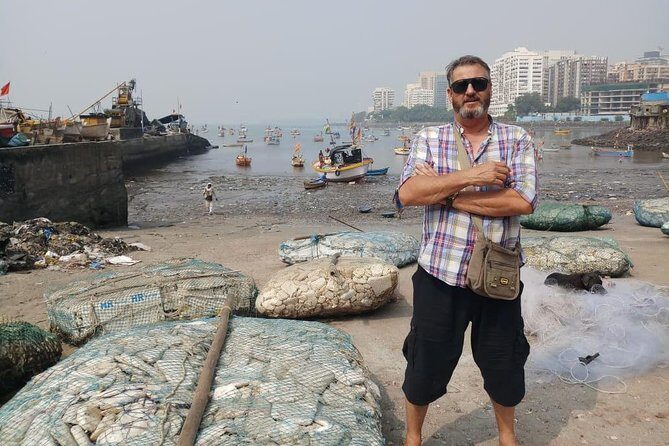
Dhobi Ghat: the world’s largest open-air laundry
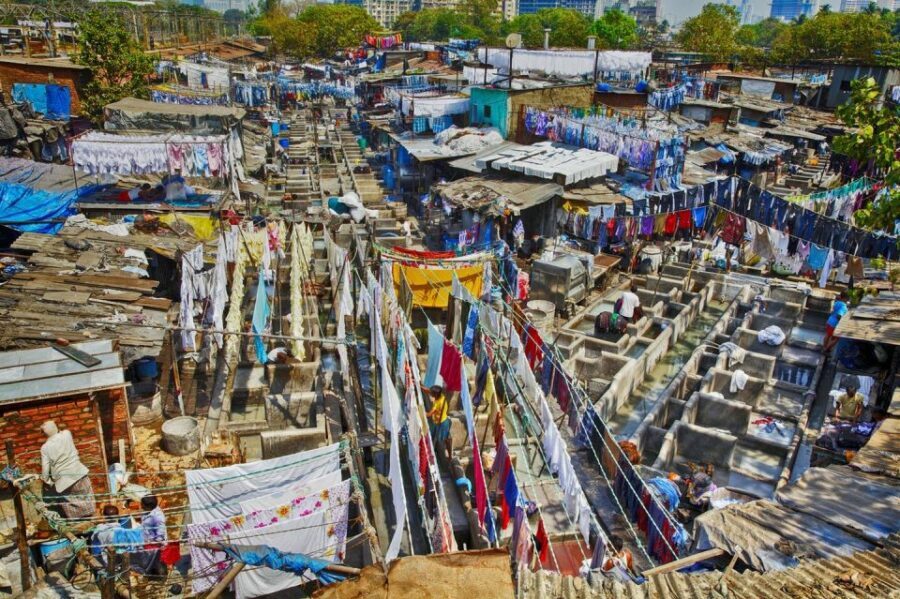
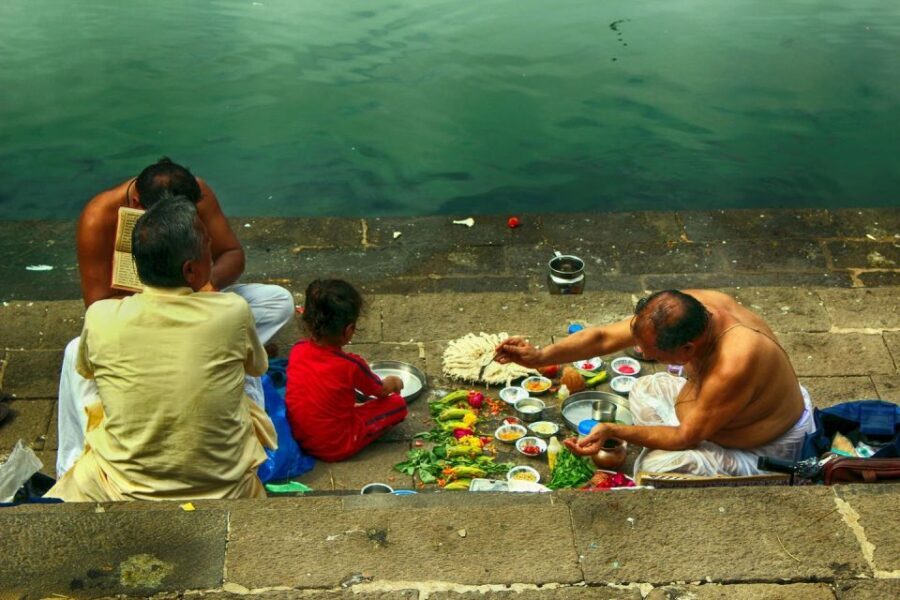
If Gateway is the famous postcard, Dhobi Ghat is the working postcard. You’re watching a major open-air laundry operation—one of the world’s best-known places to see how clothes get cleaned at scale.
It’s also a place where your eyes will keep doing double duty. You see movement—people at work, water handling, routines. Then you notice the logistics: the way a city neighborhood supports a constant service.
A considerate way to approach this stop:
- Keep your camera use respectful.
- Don’t block anyone’s work.
- Give yourself enough time for viewing, not just photos.
Odds and ends that make Mumbai feel like Mumbai
The itinerary often includes several smaller but memorable passes and stops that add texture:
- Jain Temple is typically passed by rather than a full stop.
- You may see Antilia as you drive by, which helps you understand the extreme contrast between wealth and daily labor.
- Dhobi Ghat plus the earlier Gandhi and architecture stops makes the day feel like a full city story, not just a checklist.
And yes, those short photo stops matter. In a city this big, you don’t get to go deep on every layer. The trick is learning what each stop adds.
Group size, flexibility, and how guides make the day work
You can book for private or small groups, and that helps. With fewer people, guides can answer questions without rushing everyone out like a factory line.
Across the experiences, guides were praised for doing three things well:
- Explaining clearly in English with context, not just facts
- Keeping the day comfortable, including rest breaks if you ask
- Managing the route so you spend time seeing, not waiting in traffic
Some guide moments stood out in accounts. One guide pair was credited with avoiding drop-offs that felt like hard-sell shopping. Another was praised for accommodating when someone needed to reduce walking due to travel fatigue. These aren’t minor details. They change whether the day feels like a chore or a win.
Cruise-ship and arrival logistics: the Greengate note you should know
If you’re joining as a cruise passenger, there’s a specific meetup detail. You need to come to Greengate, about 300 meters from the cruise terminal. The port provides a free shuttle, so you’re not walking from the ship, but you do need to plan time to get to the shuttle drop.
If you’re on a tight schedule, this is the kind of detail worth writing down.
What’s the one “drawback” you should plan for?
The biggest consideration is simple: it’s a full day with multiple stops that may not all be long visits. Some sights are quick photo-and-look moments, and you’ll likely spend a good chunk of the day traveling.
So if you prefer slow museum wandering or deep neighborhood exploring, you may feel a bit unsatisfied with time at each location. In that case, I’d treat this tour as your first Mumbai day—the day you learn the city’s layout and pick favorites for later.
Who this tour is perfect for
This tour is ideal if:
- You have limited time and want a first-day overview.
- You like mixing big landmarks with everyday city scenes, including markets and working spaces.
- You want a trained driver-guide to help you handle traffic and transitions.
It’s also a solid choice if you feel a little overwhelmed on arrival. The route gives you structure, and the vehicle prevents the day from becoming one long trek.
Should you book this full-day Mumbai tour?
Yes, if you want a fast, practical way to understand Mumbai in one go. The price-to-inclusions ratio is strong: transport + entrance fees + water + guiding for a single full day is hard to beat.
Book it especially if this is your first day and you want CST, Marine Drive, Mani Bhavan, and Dhobi Ghat on your radar without needing to plan each ticket and ride separately. If you hate rushed pacing, you’ll still probably like the experience, but ask your guide to spend a little extra time where it matters most to you.
FAQ
How long is the Mumbai sightseeing tour?
The duration is listed as 5–10 hours.
Is the tour guided in English?
Yes. The tour includes a live guide in English.
What’s included in the tour price?
The tour includes hotel pickup and drop-off, an air-conditioned vehicle, bottled water, entrance fees for places mentioned, and parking, fuel, taxes, and road tolls.
Is food included?
No. Food and drinks are not included.
Are there private or small-group options?
Yes. Private or small groups are available.
Do I need to pay extra for attractions?
The tour price includes all entrance fees for places mentioned.
Where does pickup happen?
Pickup depends on the selected option, and the meeting point can vary.
If I’m joining from a cruise, where do I meet?
If you choose the cruise passengers option, you must meet at Greengate, about 300 meters from the cruise terminal. A free shuttle is provided by the port.
Will the guide be able to accommodate requests during the day?
The tour includes a live guide, and the experience is designed to be handled smoothly with stops and time management. If you have preferences, it’s best to share them early so the guide can manage pacing.