REVIEW · MUMBAI
Mumbai Heritage Walking Tour of Colaba and Fort
Book on Viator →Operated by Mystical Mumbai · Bookable on Viator
That first glimpse of Mumbai history hits fast. This heritage walk strings together big landmarks and everyday street life in Colaba and Fort with a real local guide and a group capped at 10 people. I like that it’s designed for orientation on day one, yet it still tells stories you won’t easily piece together alone.
I especially like the pacing: about 3 hours with short, focused stops, so you’re not stuck in one spot pretending to read plaques. The local guide factor matters too—people like Anthony and Dev have been praised for making the walk feel personal, including help with photos and practical end-of-walk logistics.
One consideration: it’s still a walking tour, and the activity lists a moderate physical fitness level. If you’re sensitive to cobblestones, crowds near major sites, or heat, plan to keep your stops quick and your pace steady.
In This Review
- Key takeaways before you go
- Why Colaba and Fort Works So Well in One Guided Walk
- Price and Value: What You’re Paying For (and What You’re Not)
- Meeting at Regal Cinema and Ending by Chhatrapati Shivaji Terminus
- Step-by-Step: What to Expect at Each Stop
- Gateway of India: The Icon You’ll Want to Photograph Twice
- University of Mumbai Library (Mumbai’s Big Ben Moment)
- Oval Maidan Pedestrian Crossing: Cricket, People, and City Rhythm
- St. Thomas Cathedral: Old Faith, War Memorials, and Quiet Weight
- Bombay High Court Principal Bench: A Building That Signals Authority
- Fashion Street: Bargains, Side Shops, and Real Shopping Energy
- Chhatrapati Shivaji Terminus (CST): UNESCO-Level Beauty, Up Close
- The Big Reason This Tour Feels Worth It: The Guide
- When This Walk Is the Right Choice for Your Trip
- What to Bring and How to Make the 3 Hours Feel Good
- Should You Book This Mumbai Heritage Walk?
- FAQ
- FAQ
- How long is the Mumbai Heritage Walking Tour of Colaba and Fort?
- What’s the group size for this tour?
- How much does the tour cost?
- Where does the tour start and end?
- What’s included in the tour price?
- Are there admission tickets required for the main stops?
- What is the cancellation policy?
Key takeaways before you go

- Small-group cap of 10 keeps the walk from turning into a parade
- Fixed, landmark-heavy route covers Gateway of India to Chhatrapati Shivaji Terminus in one sweep
- Frequent departure times let you pick the part of the day that suits your schedule
- Bottled water and a pro guide make the experience easier from start to finish
- Photo-friendly stops include CST and colonial-style architecture where you’ll naturally want more than one angle
Why Colaba and Fort Works So Well in One Guided Walk
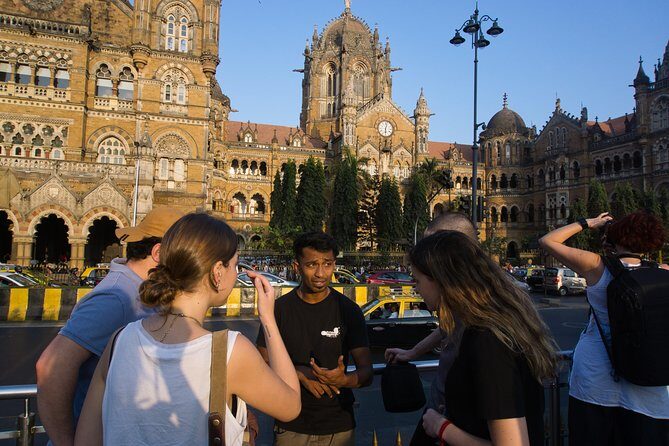
Colaba and Fort are where old Mumbai energy and colonial-era architecture collide. The trick is knowing what you’re looking at. This tour does the thinking for you: you walk the area and get context as you go, rather than stopping to research later.
I also like that the route hits both the “big name” sites and the smaller-feeling street moments. You’ll see world-famous Mumbai landmarks like the Gateway of India, then move to places that feel like daily life—like the crossing at Oval Maidan and the shopping lanes around Fashion Street.
If you’re short on time, this tour is a smart way to get your bearings fast. And because there are numerous tour times throughout the day, you can usually fit it between other sightseeing plans without forcing your whole trip around one schedule.
You can also read our reviews of more walking tours in Mumbai



Price and Value: What You’re Paying For (and What You’re Not)
At $66.87 per person, the price isn’t just for walking. You’re paying for a professional local guide plus structure—an actual path through the area with stops timed to keep you moving.
Here’s the value equation I like: you get a compact tour (about 3 hours) that bundles multiple major sights into one outing. If you tried to do the same route solo, you’d spend time figuring out what matters, where the best angles are, and which buildings you should pay attention to while you’re passing them anyway.
What’s not included is also part of the decision. There’s no hotel pickup and drop-off, so you’ll want to build in time to reach the start point and make your own way to the end near CST.
Meeting at Regal Cinema and Ending by Chhatrapati Shivaji Terminus
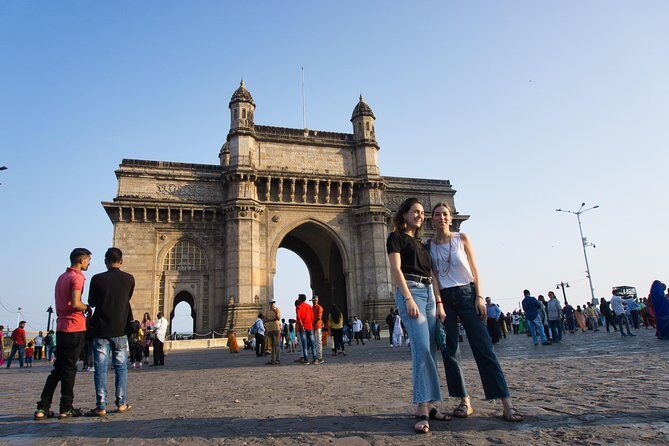
The tour starts at the Regal Cinema Building area on Chhatrapati Shivaji Maharaj Marg, Apollo Bandar, Colaba. That’s a practical location because you’re already in the zone for classic South Mumbai sights. The meeting point is also listed as near public transportation, so you’re not stuck hunting for a car or taxi right at the start.
The walk ends at Chhatrapati Shivaji Terminus (CST), in the Fort area. I like ending at CST because it’s a natural hub for your next move—whether you’re heading to another neighborhood or wrapping up your day with a transit connection. Plus, CST is one of those places where you’ll want to linger, even if the tour itself keeps moving.
Step-by-Step: What to Expect at Each Stop
Gateway of India: The Icon You’ll Want to Photograph Twice
You begin at the Gateway of India, the arch-monument built in the early 20th century. It was erected to commemorate the landing in December 1911 of King-Emperor at Apollo Bunder in Mumbai.
This is your “anchor” stop. Even if you’ve seen photos before, standing there in real life gives you scale: you get the monument, the shoreline area around it, and the sense that this is one of the city’s ceremonial gateways. Admission is listed as free, so you’re not wasting budget before the stories even start.
Possible drawback? This is also a high-traffic, photo-heavy area. If you hate crowds in front of big monuments, just keep your expectations realistic: you’ll likely wait a minute for clear shots.
You can also read our reviews of more historical tours in Mumbai






University of Mumbai Library (Mumbai’s Big Ben Moment)
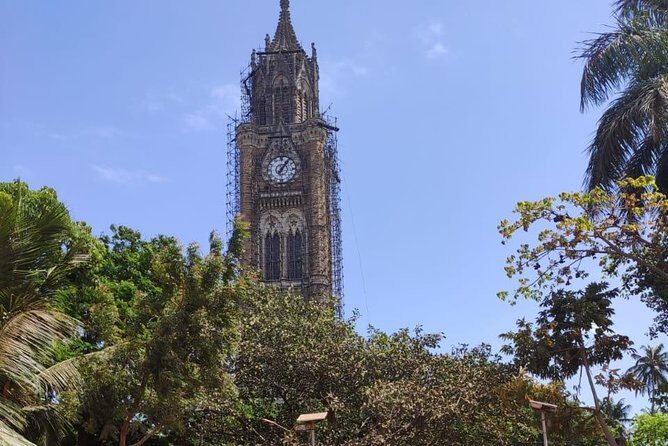
Next up is the University of Mumbai Library, with a focus on colonial architecture and a very specific landmark reference: Mumbai’s “Big Ben.”
This stop works because it’s not just sightseeing for sightseeing’s sake. You’re learning how these buildings project power and identity through design—clock towers, symmetry, and the feel of official institutions. Even if you don’t plan to study the building closely, it’s a great contrast point after Gateway of India’s more monumental style.
Admission here is also listed as free, which makes this a low-cost, high-impact pause in your walking flow.
Oval Maidan Pedestrian Crossing: Cricket, People, and City Rhythm
Then the tour moves to Oval Maidan Pedestrian Crossing, where the theme becomes daily life. The area is famous for cricket—hundreds of people playing in a colonial park setting.
I like this stop because it’s where the tour stops feeling like a museum route. You see how outdoor space shapes routine and community. If you’re trying to understand Mumbai beyond monuments, this is one of the quickest ways to do it: watch how people move through the park and how the sport becomes a social event.
Admission is listed as free here as well. The only real “consideration” is timing—activity levels can vary depending on the day and hour, so you might see a lot or you might see more casual play.
St. Thomas Cathedral: Old Faith, War Memorials, and Quiet Weight
At St. Thomas Cathedral, you’ll visit one of Mumbai’s oldest cathedrals. The stop also includes memorials connected to fallen British soldiers and their families.
This is a reflective moment in an otherwise outward-facing sightseeing stretch. What I appreciate is the balance: you’re not only looking at architecture—you’re also being directed to understand what these memorials represent and how they fit into the layers of Mumbai’s colonial past.
Admission is listed as free, so you can take your time inside without worrying about extra costs. The trade-off is that cathedrals tend to have rules around movement and photography, so follow the guide’s lead.
Bombay High Court Principal Bench: A Building That Signals Authority
Next is the Bombay High Court Principal Bench, one of the oldest high courts of India.
Courts can feel like “just buildings” if you’re rushing. The guide’s role here is important: you’re learning why this structure matters, not only what it looks like. The stop gives you a sense of how governance and law physically shaped the city’s public face.
Admission is listed as free, which is great for staying on schedule. Still, expect the area to feel busy, especially when legal staff and visitors are moving through.
Fashion Street: Bargains, Side Shops, and Real Shopping Energy
From institutions to shopping: Fashion Street is described as a cluster of over 385 street-side clothing shops and a known spot for bargaining.
This stop is valuable because it breaks the pattern of monuments-only sightseeing. It also gives you a taste of Mumbai as a marketplace city, not just a sightseeing city. Even if you don’t plan to buy much, you’ll learn how street commerce works—fast negotiations, constant motion, and a lot of choice packed into a small area.
Admission is listed as free, but your real cost here might be impulse. If you hate bargaining, go in with a plan: browse, compare, and decide what you’re willing to pay before you get pulled into the back-and-forth.
Chhatrapati Shivaji Terminus (CST): UNESCO-Level Beauty, Up Close
The final major stop is Chhatrapati Shivaji Terminus, the train station recognized as a UNESCO heritage site. You’ll view it as one of the most beautiful train stations in India.
This end point matters because it’s not just a quick glance. You’re arriving at a place that’s both functional and dramatic—architecture built for movement, but designed to impress. Admission is listed as free, so the cost stays focused on the guided experience rather than entry fees.
A practical note: CST is large and active. If you want photos, give yourself time to reposition. The guide can help point you toward spots that work better.
The Big Reason This Tour Feels Worth It: The Guide

Even with a strong route, the guide is what makes a walking tour click. The tour description emphasizes a professional and local guide, and the experiences from named guides like Anthony and Dev line up with what you want in this kind of itinerary: story context, smooth movement between stops, and help making the walk practical.
Dev, in particular, has been praised for enthusiasm and being photo-friendly, plus getting people into a shared taxi at the end. That kind of detail helps if you don’t want to stand around figuring out the next step after the walking portion ends.
If your priority is learning how South Mumbai fits together—why these buildings are here, what they were meant to signal, and how the streets function now—this guide-led format is a strong match.
When This Walk Is the Right Choice for Your Trip
This is a great fit if:
- You want a day-one orientation in South Mumbai without building a custom route.
- You like walking through neighborhoods where daily life shows up next to major monuments.
- You prefer small-group tours and don’t want to fight for space every five minutes.
It may not be the best fit if:
- You want a totally self-paced experience with no guidance.
- You’re extremely sensitive to crowds at major photo stops like Gateway of India and CST.
- You’re not comfortable with a moderate walking pace for about 3 hours.
What to Bring and How to Make the 3 Hours Feel Good
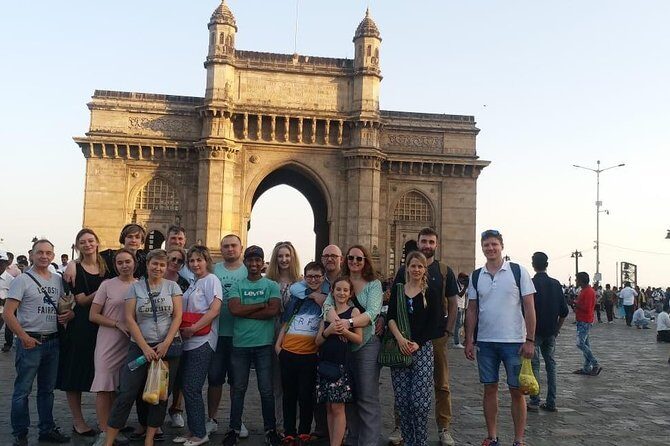
Bring comfortable shoes. Even with a guided route, you’re still walking between major points. Wear light layers if the weather is warm, and take the bottled water provided rather than skipping it.
For photos, consider this simple move: shoot at the start of each stop, then shoot again once the guide has finished context. You’ll end up with pictures that match the story you learned, not just random monument shots.
Also, since the tour ends at CST, think about what you’ll do afterward. That station-area finish is convenient, but only if you’ve got a next plan lined up.
Should You Book This Mumbai Heritage Walk?
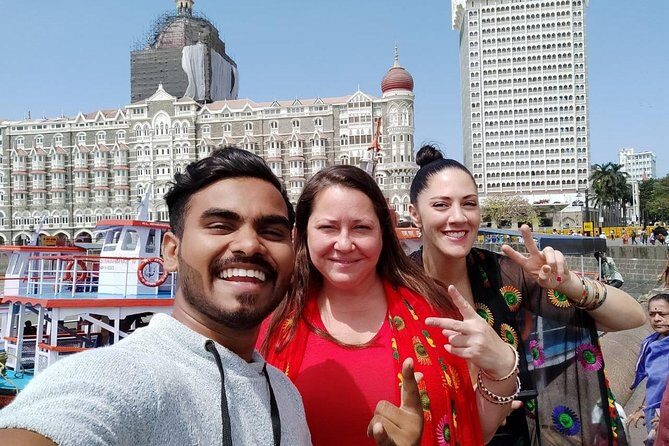
I’d book it if you want an efficient, guided tour that combines headline landmarks with street-level Mumbai in just about 3 hours. The route makes sense for first-timers: Gateway of India → university architecture → Oval Maidan → St. Thomas Cathedral → Bombay High Court → Fashion Street → CST.
The value is strongest when you care about interpretation, not just ticking off sights. If you’d rather stroll without anyone talking, you might find the cost harder to justify. But if you like having the “why” explained while you’re standing in front of the “what,” this one is a very solid bet.
FAQ
FAQ
How long is the Mumbai Heritage Walking Tour of Colaba and Fort?
It’s approximately 3 hours.
What’s the group size for this tour?
The tour is limited to a maximum of 10 travelers.
How much does the tour cost?
The price is $66.87 per person.
Where does the tour start and end?
It starts at the Regal Cinema Building on Chhatrapati Shivaji Maharaj Marg, Apollo Bandar, Colaba, and ends at Chhatrapati Shivaji Terminus (Fort area).
What’s included in the tour price?
A professional local guide and bottled water are included.
Are there admission tickets required for the main stops?
The listed stops include Gateway of India, University of Mumbai Library, St. Thomas Cathedral, Bombay High Court Principal Bench, and Chhatrapati Shivaji Terminus with admission ticket marked as free.
What is the cancellation policy?
Free cancellation is available up to 24 hours in advance of the experience start time for a full refund. If you cancel less than 24 hours before, the amount paid is not refunded.