REVIEW · MUMBAI
Group Guided Walking Tour in Fort and Colaba
Book on Viator →Operated by M/s Khaki Tours · Bookable on Viator
Mumbai tells its story on foot. This Fort and Colaba guided walk strings together old institutions, colonial-era architecture, and must-photo sights like the Gateway of India—all in about 2.5 hours. I love the small group size (max 12), because the guide actually has time for your questions, and I love how the history feels practical: buildings become a timeline for how Mumbai grew from fishing and farming roots into a modern metropolis. One thing to keep in mind: you’ll be outside for a good chunk of the route.
Plan around your comfort. The tour requires good weather, and the stops are close enough to keep things moving but long enough that you’ll be on your feet most of the time.
In This Review
- Key things to know before you go
- Getting oriented: Fort to Colaba in about 2.5 hours
- Town Hall (Asiatic Society Library): why Portuguese and British rule still shows up
- Horniman Circle Garden: a quiet pause wrapped in Victorian streets
- St. Thomas Cathedral: Mumbai’s oldest Anglican church and its memorials
- Flora Fountain: the city square where Mumbai meets its own version of Piccadilly
- Oval Maidan: cricket origin energy plus UNESCO surroundings
- Rajabai Clock Tower: a Big Ben comparison and the University of Mumbai evolution
- Kala Ghoda: Mumbai’s premier art district and the “secrets” in plain sight
- Keneseth Eliyahoo Synagogue: seeing a Jewish enclave that is changing
- Gateway of India: the iconic finish with Taj Mahal Palace in view
- Price and value: why $16.73 feels fair for what you get
- What to expect from the guide (and how to get the best answers)
- Timing, transport, and comfort tips for a smoother walk
- Should you book the Fort and Colaba walking tour?
- FAQ
- How long is the Fort and Colaba walking tour?
- What is the group size limit?
- Is there an admission fee for the stops?
- Where do I meet and where does the tour end?
- What happens if the weather is bad?
- Is the ticket mobile?
Key things to know before you go

- Small group (up to 12) for more personal answers while you walk between landmarks
- Photo-focused route from Town Hall to the Gateway of India and Taj Mahal Palace area
- 500-year historical storyline tied to Portuguese and British influence, plus what came after
- No admission fees at the listed stops, so you can focus on the walk and the guide’s context
- A guide can steer you toward local recommendations for what to do once you’re back on your own
Getting oriented: Fort to Colaba in about 2.5 hours
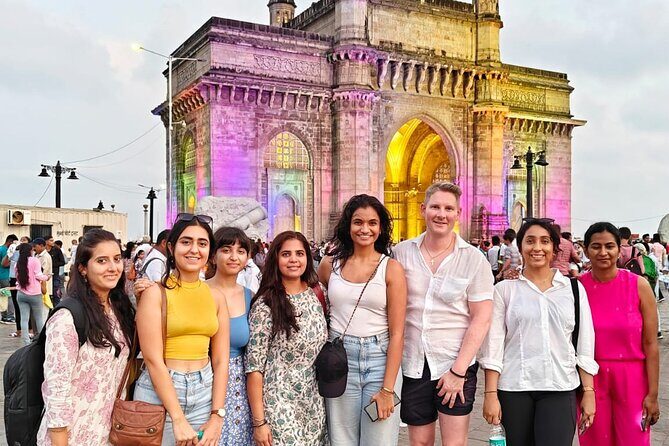
This is the kind of walk that helps you get your bearings fast. Fort and Colaba are only a slice of Mumbai, but they’re stacked with landmarks tied to key eras of the city’s growth. The route is built around recognizable stops, so you always know where you are—even when the streets twist.
The group size matters here. With a maximum of 12, you’re not shuffling along with a crowd while a guide talks into the air. Instead, you can ask quick questions and actually hear the details that make each place click.
You’ll also end up with a solid mental map for later days. By the time you finish near the Gateway of India and the Taj Mahal Palace Hotel area, you’ll understand why this coastline matters and how the city’s power center shifted over time.
Practical note: the tour uses a mobile ticket, and the meeting point is at the Asiatic Society / Town Hall area in Fort. The walk ends at the Gateway of India in Colaba.
You can also read our reviews of more walking tours in Mumbai



Town Hall (Asiatic Society Library): why Portuguese and British rule still shows up
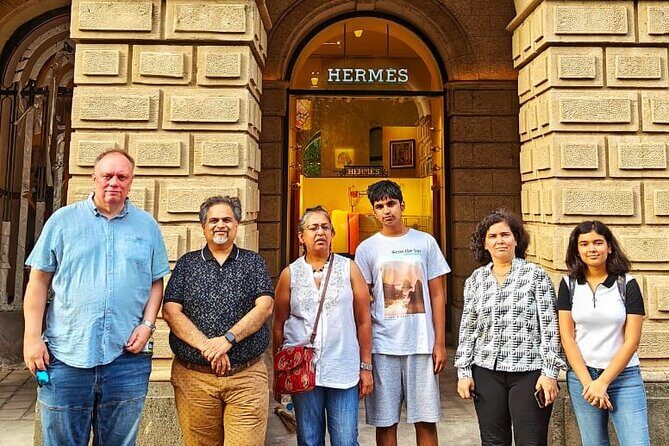
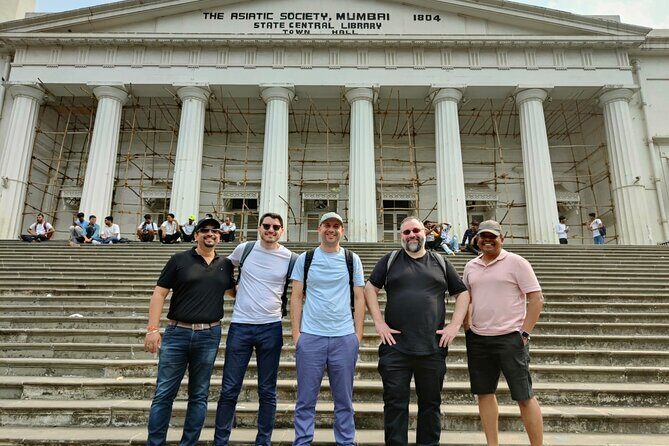
Your first stop sets the tone: Town Hall and the Asiatic Society Library area. This is where the guide starts connecting political control to the city’s physical look and social habits. You’ll hear how Portuguese and British colonization helped shape Mumbai into a different kind of place—less village, more organized city.
What I like about starting here is that it gives you a “why” before you move into the “wow.” The buildings and institutions you see later make more sense once you understand the momentum behind the change.
One drawback of the opening minutes: if you’re hoping for inside-the-building time, this stop is listed at 20 minutes with free admission. So treat it as a focused introduction, not a long museum-style visit.
Horniman Circle Garden: a quiet pause wrapped in Victorian streets
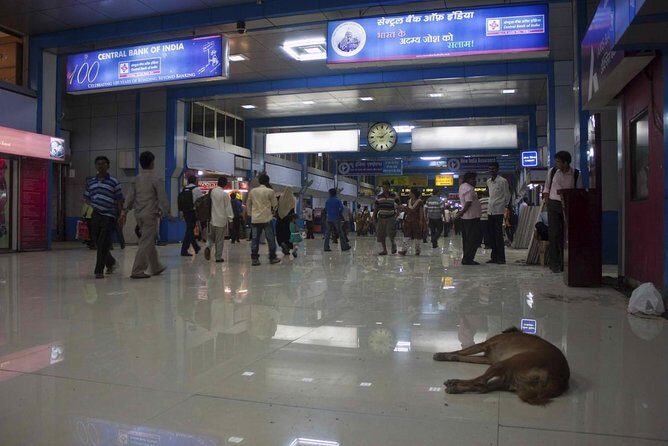
Horniman Circle Garden is one of those spots that can look simple at street level, but becomes more interesting when somebody explains what used to happen here. The garden is described as Mumbai’s oldest garden, surrounded by Victorian buildings, which means it sits right in the middle of a European-influenced streetscape.
During the walk, this is where your eyes get recalibrated. After the story-heavy start, the garden works like a reset button. You can pause, take photos, and watch the space do its job—providing a break in the middle of the urban machine.
This stop is 15 minutes with free admission, so it’s not a long linger. Still, it’s long enough to get the point and move on without rushing.
St. Thomas Cathedral: Mumbai’s oldest Anglican church and its memorials
Next comes St. Thomas Cathedral Mumbai, described as the city’s oldest Anglican church. This stop is your architecture and atmosphere moment. You’ll spend time inside, with the guide pointing out memorials and the grand altar.
If you like history that lives in objects—names, dates, and religious art—this is the kind of stop you’ll appreciate. Churches like this often become a record of who the city served, who funded what, and how faith communities organized themselves over time.
Time is 15 minutes, again with free admission. That means you’ll get a look, but you won’t have a long sit-down. If you’re the type who likes to read every plaque slowly, consider pairing this with a longer independent visit later.
Flora Fountain: the city square where Mumbai meets its own version of Piccadilly
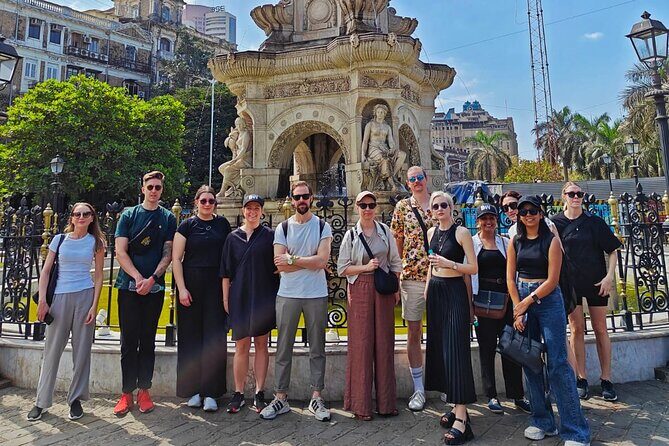
Flora Fountain is presented as Mumbai’s answer to a classic city square vibe—compared to Piccadilly Circus—plus the nearby Martyrs’ Memorial angle. The point here isn’t just the photo. It’s the way this central plaza acts like a stage for public life.
This is also a good moment to check your route. When you’ve seen colonial institutions and then land in a square, you start noticing how public space evolved alongside the city. A guide can help you spot what you’d otherwise walk past without realizing it mattered.
You’ll have about 15 minutes here, with free admission. It’s short, but it works well for orientation and a quick, memorable stop in the heart of the town.
You can also read our reviews of more guided tours in Mumbai





Oval Maidan: cricket origin energy plus UNESCO surroundings
Oval Maidan is where the walk shifts from religious and civic landmarks to something more everyday and instantly relatable: Indian cricket. The area is described as the birthplace of Indian cricket, and it’s also tied to a UNESCO World Heritage setting for the surrounding grand buildings.
This stop is great if you want your tour to include culture, not just colonial-style architecture. Even if you don’t follow cricket daily, you’ll likely recognize the significance once it’s framed. Sports history is a powerful entry point because it shows how a colonial-era city eventually made something distinctly its own.
You’ll spend 20 minutes here. Again, free admission is listed, so it’s time for observation, photos, and the guide’s explanation of why the location matters.
A small caution: it can be busy depending on the day. You’ll still have time to enjoy it, but keep your phone ready and your expectations realistic for a quick stop in an active city area.
Rajabai Clock Tower: a Big Ben comparison and the University of Mumbai evolution
Then comes Rajabai Clock Tower, positioned as Mumbai’s answer to Big Ben. The guide’s focus here is the evolution of the University of Mumbai and how the tower fits into the city’s academic identity.
Clock towers are more than decoration. They signal power, order, and ambition—things cities want to project when they’re building institutions that last. The guide helps you read this tower as part of that broader plan.
This stop is 15 minutes with free admission, which makes it ideal if you like crisp storytelling but don’t want to commit to a long building visit. If you’re an architecture fan, you’ll likely get a lot out of the explanation in that limited time.
Kala Ghoda: Mumbai’s premier art district and the “secrets” in plain sight
Kala Ghoda is your architecture and style stop, framed as Mumbai’s premier Art District. You’ll get a chance to marvel at diverse architecture and hear about secrets buildings hold—meaning details you’d miss if you were just walking through.
This is one of the best places on the route to slow down mentally. It’s visually rewarding, but the guide makes it more than a photo walk by explaining what you’re seeing and why those building styles matter.
Time is 15 minutes with free admission, so treat it as a guided highlight. If you like what you see, it’s the right area to explore later on your own, since the art-district streets naturally invite extra wandering.
Keneseth Eliyahoo Synagogue: seeing a Jewish enclave that is changing
Next is Keneseth Eliyahoo Synagogue, tied to Mumbai’s Jewish enclave. The tour highlights that signs of Jewish life are now almost extinct in the city, which adds weight to what can otherwise look like just another historic structure.
This is a respectful stop: the guide steers you toward understanding community presence through what remains—buildings, cues in the area, and the reality of how neighborhoods change over generations.
You’ll spend 15 minutes with free admission. It’s enough time for context and a look around, but it’s not a deep study. Still, it’s a strong reminder that Mumbai’s story isn’t only colonial and political—it’s also human and communal.
Gateway of India: the iconic finish with Taj Mahal Palace in view
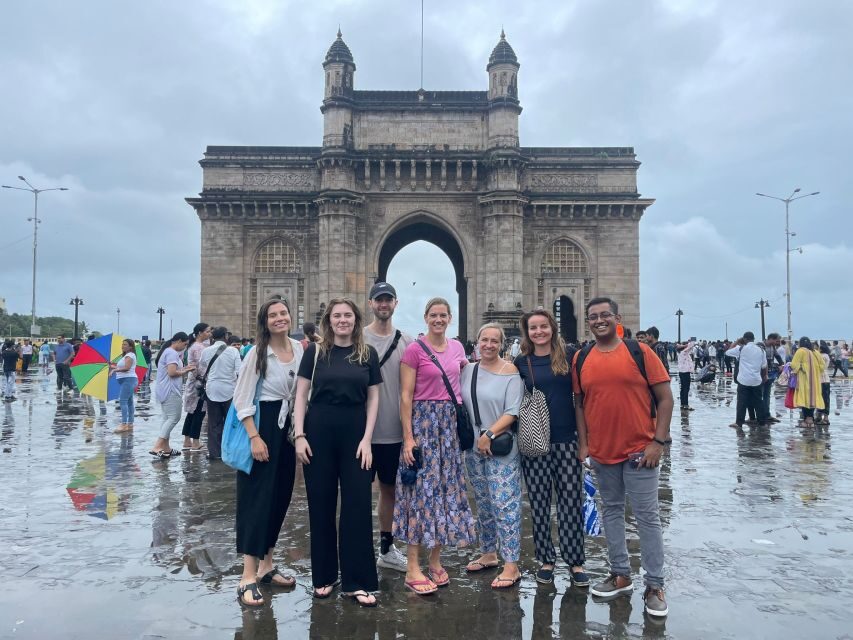
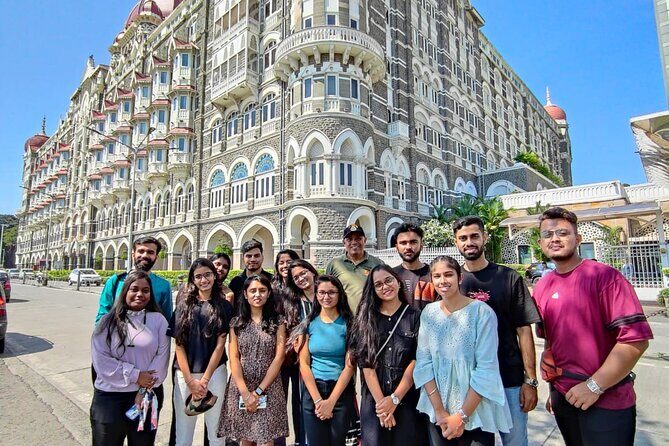
The walk ends with two of Mumbai’s most recognizable symbols: the Gateway of India and the Taj Mahal Palace Hotel area. This is the payoff photo moment. Even if you’ve seen the Gateway from postcards, it lands differently when you’ve just walked through the city’s institutions, squares, towers, and community history.
The guide wraps up the storyline here, so the Gateway isn’t only a landmark—it becomes a visual marker for Mumbai’s evolution and its outward-facing identity.
You’ll have 20 minutes here with free admission. That’s enough time to take pictures, get your bearings, and decide what you want next. Just keep in mind: this area is popular, so plan for some crowd energy.
Price and value: why $16.73 feels fair for what you get
At $16.73 per person, this is priced like a budget-friendly introduction to central Mumbai history. The big value isn’t just that the stops have free admission. It’s that you’re buying interpretation—someone to connect Portuguese and British influence to what you’re actually seeing, plus practical local suggestions so your day doesn’t end right at the finish.
The 2 hours 30 minutes duration also helps. You’re getting a concentrated route rather than a half-day commitment that would eat your whole schedule. And with the max group size of 12, you’re more likely to feel like you’re part of a conversation than a passenger in a moving slideshow.
My favorite part of the value equation is how the guide can point out details you’d otherwise miss. In our group, the guide (Palak) made it clear that you can see the same buildings walking alone and still not understand why they matter. That’s hard to price, but it’s exactly what turns a normal stroll into a smart day out.
What to expect from the guide (and how to get the best answers)
The tour is built around a guide who tells the 500-year story of Mumbai’s evolution and can add local recommendations. That means your experience isn’t only factual—it’s also situational. A good guide helps you connect landmarks to what’s around them right now.
If you want to maximize it, come with one question. Something like:
- Where should I go next for food in this neighborhood?
- What’s worth visiting if I only have a couple hours after this walk?
Because the group stays small, you’re more likely to get a direct answer rather than a generic list.
Also, build in a quick breather mindset. In one of the groups I heard about, there was even a complimentary coffee break mid-walk. Not every day is the same, but it’s a sign that the tour may include a small pause to keep energy up.
Timing, transport, and comfort tips for a smoother walk
This is a walking tour, so you want to dress and move like you’re doing neighborhood sightseeing, not sightseeing-from-a-taxi. Shoes with grip help, especially if surfaces look slick or uneven.
Because the tour starts in Fort and ends at the Gateway area, you’ll spend the walk gradually moving toward the waterfront. That’s good for momentum. It also means you should plan for sunlight and heat depending on the day and season.
The tour is near public transportation, so if you want to arrive early or leave quickly, it should be easier than for tours stuck in remote areas. Still, the meeting point matters: start at the Asiatic Society / Town Hall area (Fort), and end at the Gateway of India area (Apollo Bandar, Colaba).
Finally, don’t ignore weather. The tour requires good weather, and if conditions are poor, you’ll be offered a different date or a full refund.
Should you book the Fort and Colaba walking tour?
Book it if you want a tight, well-structured introduction to Old Mumbai without spending hours researching each landmark. It’s especially worth it if you like architecture, photo stops that come with context, and a guide who can turn street-level sights into a clear story.
Skip it (or consider another option) if you hate walking for long stretches, or if you need lots of time to linger inside each site. This tour is designed to move through key stops in a couple hours, not to replace a slow, independent day of museum-level visits.
If you’re aiming for value—smart history, iconic sights, and a small group experience—the price and format make this an easy yes.
FAQ
How long is the Fort and Colaba walking tour?
The tour lasts about 2 hours 30 minutes.
What is the group size limit?
The group has a maximum of 12 travelers.
Is there an admission fee for the stops?
The listed stops show admission ticket free, so you should not need to pay entry fees for these specific sites.
Where do I meet and where does the tour end?
You start at the Asiatic Society / Town Hall area in Fort, and you end at the Gateway of India area in Colaba.
What happens if the weather is bad?
The experience requires good weather. If it’s canceled due to poor weather, you’ll be offered a different date or a full refund.
Is the ticket mobile?
Yes, the tour uses a mobile ticket. Confirmation is received at the time of booking.