REVIEW · MUMBAI
“Mumbai City Sightseeing Tour”
Book on Viator →Operated by Navigate Mumbai Tours · Bookable on Viator
This route turns one half-day into a real feel for Mumbai. I like the tight lineup of sights (Gateway to Gandhi to CST) and the photo-ready viewpoints along the Arabian Sea. You also get a helpful, human guide experience, with names like Kavitha and Ravi often leading groups.
One watch-out: the day moves fast. You’ll spend short chunks at each stop, so if you want slow museum time or deep dives into one neighborhood, this format may feel a bit rushed.
In This Review
- What makes this tour work so well
- Key highlights worth your time
- Why this South Mumbai route feels like a smart first day
- Starting in Colaba: Gateway of India by the waterline
- The oldest wet dock and fish market stop: real Mumbai, not museum Mumbai
- Rajak Society and Dhobi work: laundry life you can watch up close
- Oval Maidan: cricket grounds plus big-city civic buildings
- Western Railways station vibe at the black-and-white building
- Marine Drive and the Malabar Hills skyline: the city’s postcard hour
- Malabar Hill gardens and the House of Governor: luxury views with context
- Mani Bhavan Gandhi Museum: your included “slow” moment
- CST (Times Square CSMT) and the colonial train-station wow factor
- Crawford Market and the colonial market street energy
- Colonial power stops: police, postal, banking, and the White Town Hall
- Price and what you’re really getting for $45.39
- Timing, pacing, and how to enjoy the short stops
- What kind of traveler should book this Mumbai tour
- A quick sense-check: should you book it?
- FAQ
- How long is the Mumbai City Sightseeing Tour?
- How much does the tour cost?
- What’s included in the price?
- Are entrance fees included for all stops?
- Is lunch included?
- Is the tour private?
- Can I cancel and get a full refund?
What makes this tour work so well
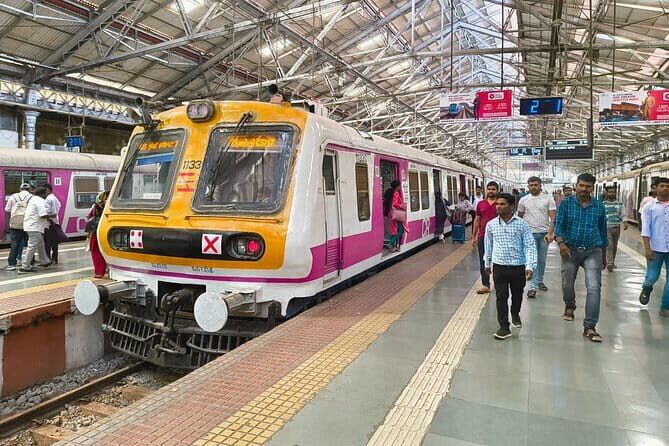
You start in Colaba and keep the focus on the classic South Mumbai trail—old stone by the sea, everyday life inland, then colonial-era institutions and markets. The tour is private, so it’s only your group, and the plan is built for a quick orientation rather than a long hike.
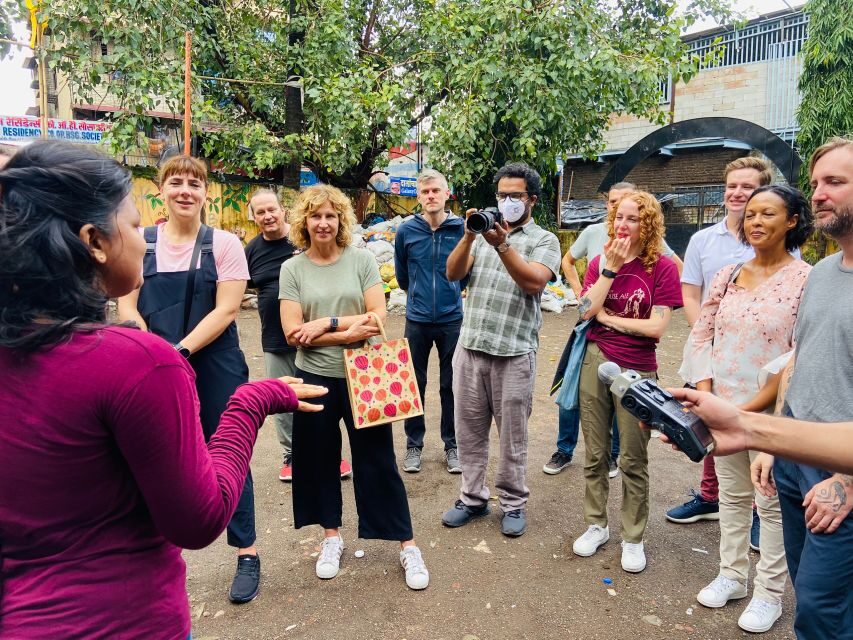
Guides have a knack for answering questions and matching the pace to the group, and some groups even get extra photo help from guides like Kavitha and Ravi. If you’re the type who gets cranky when the city sweeps you along, this tour usually holds steady.
Key highlights worth your time

- Gateway of India to Marine Drive: sea views plus landmark architecture in one sweep.
- Dhobi Ghat-area laundry scenes at Rajak Society: everyday work you can actually watch.
- Oval Maidan cricket grounds and major civic buildings: a compact lesson in how the city organizes public space.
- Malabar Hill viewpoints: luxury district energy plus city-and-sea panoramas from the gardens.
- Mani Bhavan Gandhi Museum: the included museum stop gives you a meaningful pause.
- CST (Times Square CSMT) and Crawford Market: train-station drama and market chaos in a manageable package.
You can also read our reviews of more city tours in Mumbai


Why this South Mumbai route feels like a smart first day
Mumbai can overwhelm you fast. Roads are loud, neighborhoods blur, and you can spend your first day just trying to figure out where things are. This tour helps you get your bearings fast by chaining together the most recognizable South Mumbai landmarks in a logical order.
At $45.39 per person for about 4 to 5 hours, the value isn’t only the sights. It’s the mix: sea landmarks, working-life scenes, major civic spaces, and a museum stop. And you’re not doing it alone—there’s a driver and guide, plus bottled water and an air-conditioned vehicle.
It’s also private. That means your group controls the rhythm a little more than a big bus tour would. In one version of the experience, Sunil has been the driver when schedules required a swap, which is a good sign: the operation can adapt without dropping the itinerary.
Starting in Colaba: Gateway of India by the waterline
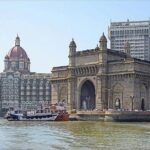
The day typically kicks off near PizzaExpress Dhanraj Mahal in Colaba, then heads straight to Gateway of India. This is one of those places that looks great from multiple angles, especially when the Arabian Sea is in frame.
The tour keeps the focus on what you’re seeing and why it matters. Near Gateway, you also pass by major Taj properties, and the guide’s job here is to connect the architecture to Mumbai’s history and trading-era setting.
Practical note: Gateway is a “stand and look” spot. Expect your time there to be about 30 minutes, which is long enough for photos and quick context, but not long enough to sit and people-watch for hours.
Good for: first-timers who want the iconic opening shot.
Not ideal for: people who dislike short photo stops.
The oldest wet dock and fish market stop: real Mumbai, not museum Mumbai
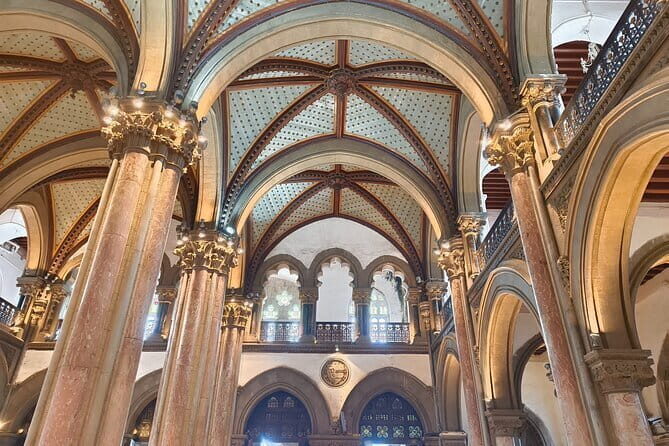
Next comes a pass-through near the old wet dock and old fish market. This is one of the most “you’re actually in the city” moments of the day.
You get to see the practical side of Mumbai’s coastline—how trade and daily work connect. The tour doesn’t ask you to treat it like a staged attraction. Instead, it frames it as a living part of the city.
Because this is a moving pass-through rather than a long hang, you’ll want a phone ready and your camera settings quick. If you’re sensitive to smell or crowds, this might not be your favorite stop, but it’s also the most honest one.
Good for: travelers who want everyday energy.
Not ideal for: anyone expecting quiet, polished scenery.
Rajak Society and Dhobi work: laundry life you can watch up close
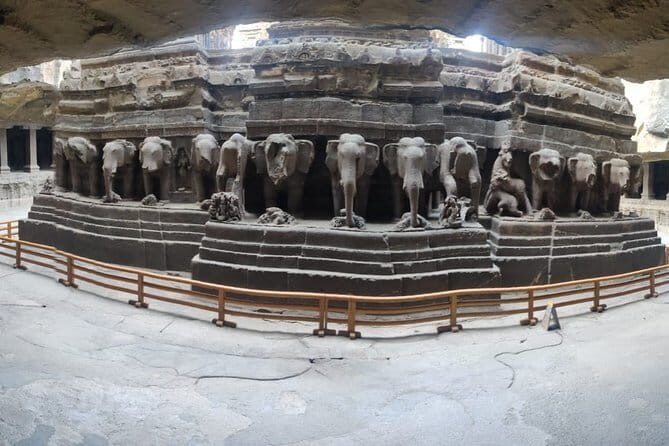
Then you head toward Rajak Society, a neighborhood known for the dhobis—people who do laundry for commercial clients. Here, you’ll witness how laundry runs on both human effort and machines.
This stop is special because it isn’t about monuments. It’s about a system. You see the rhythm of work and how a city economy relies on services you don’t always notice until you’re standing near it.
Your time is about 30 minutes, so you won’t get a full documentary experience. Still, it’s a powerful contrast after the coastal landmark stops.
Tip: If you’re going in warm weather, keep water close and stay mindful of the pace around you. This is an active working area.




Oval Maidan: cricket grounds plus big-city civic buildings
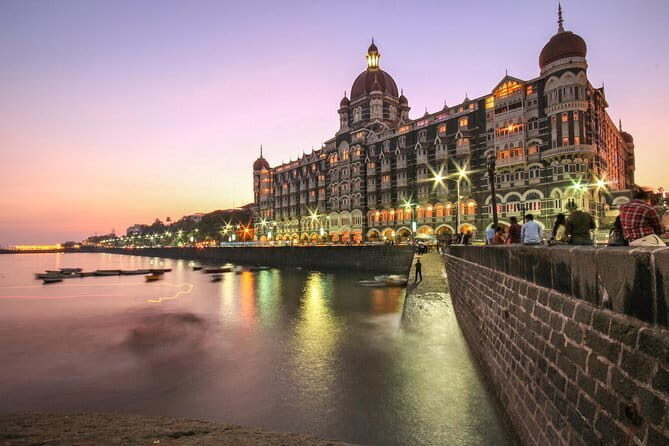
After Rajak Society, you move to Oval Maidan, a large ground tied to the cultural importance of cricket in Mumbai. This is also where you get a layered look at major buildings around the park—Victorian Gothic and Art Deco architecture, including the High Court, the University of Mumbai, and the Civil Session Court.
The guide’s value here is simple: they translate architecture into “this is why these buildings matter.” You’re not just looking at walls—you’re seeing how the city used formal design to project authority and public identity.
Your time is shorter here—around 15 minutes—so the goal is impressions, not memorization. The good part is that you’ll likely leave with a clearer mental map of where key institutions sit in the city.
Western Railways station vibe at the black-and-white building
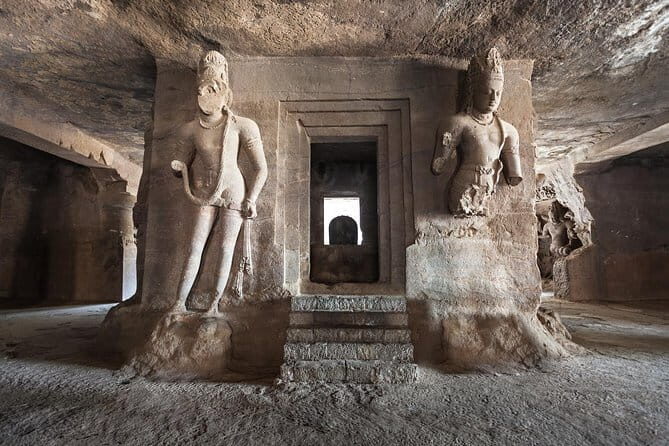
You also stop for views of a black & white Victorian building that serves as the headquarters of Western Railways. This one is more about architecture recognition than big speeches.
If you like old office-and-infrastructure style buildings, you’ll appreciate how the city built power structures right into its streetscape. If you don’t, just use this moment for a photo and move on. The tour is paced for variety.
Marine Drive and the Malabar Hills skyline: the city’s postcard hour
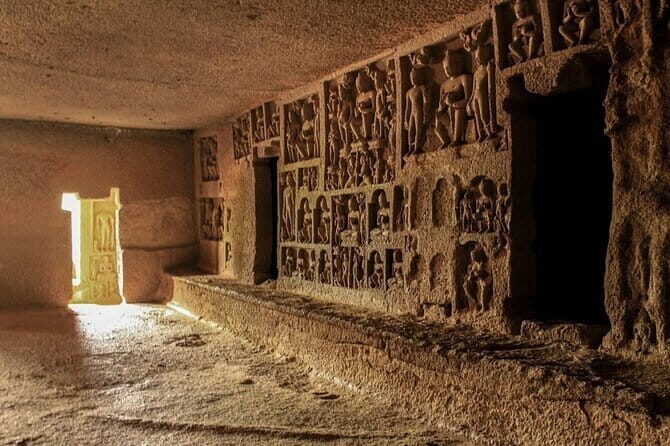
Now you hit Marine Drive, with views toward Malabar Hills and out over the Arabian Sea. This is one of those Mumbai scenes where the city feels theatrical, even in the middle of daily life.
The tour frames Marine Drive as a great spot for photographs—especially with sea light and skyline lines. Time here is about 15 minutes, which means you’ll want to be ready to shoot when your guide tells you the best angles.
You’ll also see the largest beach area with street food stalls nearby. The itinerary doesn’t promise a formal food stop, but the presence of stalls means you can decide on the spot if you want a quick snack.
Good for: couples, photographers, and anyone who loves city-sea contrast.
Not ideal for: people who hate street scenes or prefer museums only.
Malabar Hill gardens and the House of Governor: luxury views with context
Next is Malabar Hill, a neighborhood known for ministerial residences and a polished “up the hill” feeling. The tour pairs this with views and walkable garden moments at Hanging Gardens, where you can look across South Mumbai and back toward Marine Drive.
You also get a stop to see the House of Governor (Mumbai), which keeps the day tied to governance and power, not just scenery.
One more cultural stop in this zone is a view related to the resting place of Zoroastrians (Persians), where you’ll learn about the religion’s approach to burial. Even if you only get a short stop, this is a distinct reminder that Mumbai holds multiple communities and traditions side-by-side.
Time allocation here tends to be around 40 minutes for Malabar Hill and about 20 minutes for Hanging Gardens. That’s enough for views and photos, but keep expectations realistic: you’re not doing long wandering. The tour is still a half-day sweep.
Mani Bhavan Gandhi Museum: your included “slow” moment
The itinerary’s longest contained stop is usually Mani Bhavan Gandhi Museum, with about 45 minutes and the admission included. This is the emotional anchor of the tour.
The visit is to the home where Mahatma Gandhi once resided, now turned into a museum. The experience typically includes a library, picture gallery, and displays connected to Gandhi’s person and legacy.
Because it’s included and timed, this stop often feels like the best value inside the package. It gives you a break from looking outward, and it connects Mumbai’s identity to a much larger Indian story.
Tip: If you like museums, this is the one you should prioritize mentally. Even at 45 minutes, you’ll get more out of it if you keep your attention on a few themes instead of trying to read everything.
CST (Times Square CSMT) and the colonial train-station wow factor
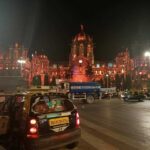
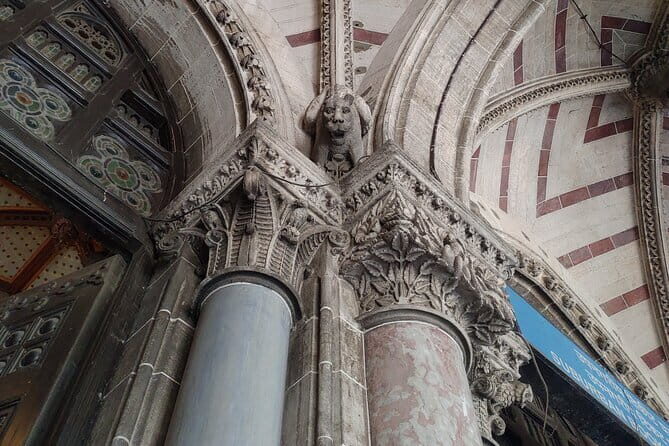
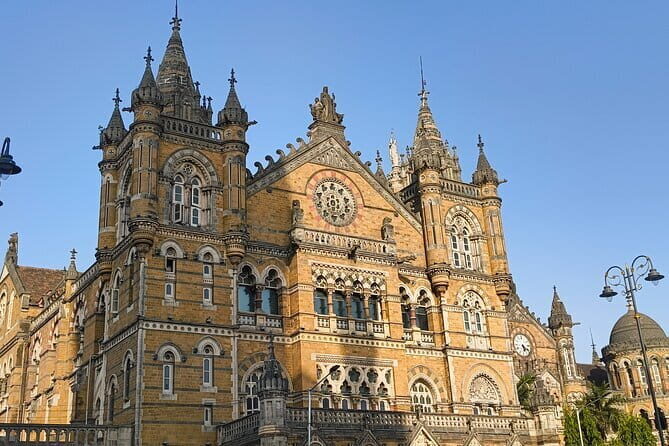
After Mani Bhavan, you head to Times Square CSMT, a nickname-like reference for the Chhatrapati Shivaji Maharaj Terminus (CST) area. Your guide explains why it’s considered one of the world’s most stunning train stations and points out the Victorian design inside.
This is the perfect stop for travelers who like to see how the city’s infrastructure became architecture. CST is busy, and the station’s scale makes it feel like a moving set.
The stop is about 25 minutes, so it’s enough for orientation and a few good photos, but not enough to explore every corner in detail. Use your guide’s suggestions on where to stand, what to look for, and how to frame the main interiors.
Crawford Market and the colonial market street energy
Next comes Crawford Market, described as the city’s first market. This is where the tour shifts from landmarks to everyday commerce.
You’ll walk through the market atmosphere with a guide who shares the market’s history and what to look for. And yes, the crowds and goods can be intense—so if you dislike dense markets, wear patience like armor.
This stop is about 25 minutes. That’s the sweet spot: long enough to feel the space and spot interesting stalls, short enough that you don’t lose the rest of the route.
Colonial power stops: police, postal, banking, and the White Town Hall
Later in the day, the tour includes several pass-by viewpoints tied to colonial-era institutions. These include:
- Police headquarters built during the colonial era
- A huge building tied to the postal service
- Colonial-era banking headquarters and mintings
- The White Town Hall
- A sailor’s club building turned into State Police Headquarters
In a half-day, you can’t become an expert in every institution. But what you can do is build a mental pattern: colonial authorities used durable stone and formal design to create control, commerce, and communication.
Your guide’s explanations make these quick stops feel connected instead of random. It’s like assembling a puzzle where each piece is a visible reminder of how Mumbai was shaped.
Price and what you’re really getting for $45.39
At $45.39 per person for 4 to 5 hours, the pricing makes sense if you value organization and access more than long wandering.
Included:
- Air-conditioned vehicle
- Driver & guide
- Bottled water
- All fees and taxes
- Mani Bhavan admission included
Most other stops list admission as free, so you’re not paying a ticket stack across the day. The one paid-included museum helps justify time inside rather than outside only.
If you’re comparing this to self-guided hopping by taxi, the value often comes from two things: you don’t waste time figuring out the route, and you get context at each stop so your photos come with meaning.
Timing, pacing, and how to enjoy the short stops
The entire experience usually lasts 4 to 5 hours and ends back at the meeting point near Colaba. That structure works best if you treat each stop as a quick chapter.
Here’s how to make it enjoyable:
- Keep your camera accessible, since Marine Drive and Malabar Hill are photo-focused.
- Pick one “must focus” stop: for many people, it’s Mani Bhavan.
- Don’t try to read every sign at every location. Use your guide’s highlights.
Also, Mumbai traffic can change your day. The tour includes an AC vehicle, which is a practical comfort, especially when you’re going from waterfront scenes up to viewpoints.
What kind of traveler should book this Mumbai tour
This tour fits well if you:
- Want a first-time Mumbai orientation in a single half-day.
- Like a mix of landmarks, city life, and institutions.
- Prefer a guided route where someone else handles the connections.
- Travel with a small group and want it to feel private.
It may not fit if you:
- Want slow, deep museum time beyond 45 minutes.
- Hate crowds or active working areas like the laundry and market zones.
- Think a “city tour” should mean long walking. This is more about smart stops and short visits than hours of trekking.
A quick sense-check: should you book it?
If you want a structured “South Mumbai greatest hits” tour that also includes real-life work scenes and an actual museum stop, this is a solid pick. The price-to-time ratio is reasonable, especially with air-conditioning, guide time, and the included Mani Bhavan admission.
My final advice is simple: if your goal is to get oriented fast and come away with a clear mental map of Mumbai’s key areas—this tour does that. If you’re hoping for slow, deep exploration of just one theme, look for a more specialized longer tour instead.
FAQ
How long is the Mumbai City Sightseeing Tour?
It runs about 4 to 5 hours.
How much does the tour cost?
The price is $45.39 per person.
What’s included in the price?
The tour includes bottled water, all fees and taxes, an air-conditioned vehicle, and a driver & guide. Mani Bhavan Gandhi Museum admission is included.
Are entrance fees included for all stops?
Most stops are listed as free admission, while Mani Bhavan Gandhi Museum has admission included.
Is lunch included?
No. Lunch meals are not included.
Is the tour private?
Yes. It’s a private tour/activity, so it’s only your group.
Can I cancel and get a full refund?
Yes, free cancellation is offered. You can cancel up to 24 hours in advance for a full refund.