REVIEW · MUMBAI
Mumbai: City Tour, Elephanta Caves, Dharavi Slum W/Options
Book on GetYourGuide →Operated by Amaze Tours · Bookable on GetYourGuide
Mumbai hits you fast, and this plan fits. You get a tight Mumbai city tour with big-ticket stops like UNESCO Elephanta Caves, plus the reality check of Dharavi in the same day. I love how the schedule is built around expert local guides, so you’re not just walking past landmarks.
One of my favorite parts is the pairing of guides: you’ll have one person for the city rhythm and another for Elephanta’s carvings. Guides like Daivat and Dave on Elephanta show up often, and they focus on what you’re actually looking at, not a random checklist.
The main drawback is physical effort and water time. Elephanta means more than 100 steps with no elevator, and the ferry can be rough enough that a motion-sickness plan is smart.
In This Review
- Key highlights to look for
- UNESCO momentum: Elephanta Island + CST in one packed day
- The South Mumbai circuit: Gateway of India, Marine Drive, and the Malabar Hill views
- Elephanta Caves logistics that actually matter: ferry, 120 steps, and seasickness
- Monsoon reality check
- Dharavi in a guided, industry-focused way (not a shock parade)
- City details that round out the day: Dhobi Ghat, Crawford Market, and Mani Bhavan
- Price and logistics: why $32 can be good value here
- Choosing the right option: how 4 to 10 hours changes your priorities
- Practical packing and comfort tips for this Mumbai schedule
- Should you book this Mumbai city, Elephanta, and Dharavi tour?
- FAQ
- Is Elephanta Caves included in every option?
- How long is the ferry ride to Elephanta?
- Do I get hotel pickup and drop-off?
- Is transportation air-conditioned?
- Are there stairs at Elephanta Caves?
- What should I bring for this tour?
- What happens if ferries are delayed or cancelled in monsoon?
- Is the tour suitable for people with mobility issues?
Key highlights to look for
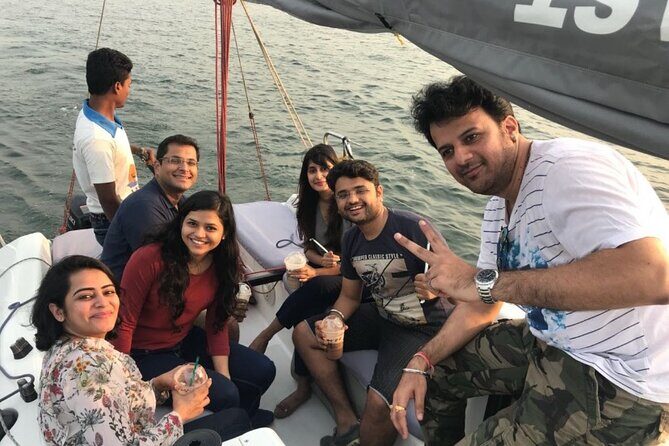
- Ferry time is part of the experience, with about 1 hour each way to Elephanta Island
- Elephanta Caves are guided, with time for the big religious sculptures like the three-faced Shiva
- Dharavi tour adds context, focusing on small industries and community life
- City stops are efficient, including Marine Drive and the historic feel of CST and Crawford Market
- Your guide can shape the pace, and many guides are praised for keeping things comfortable
UNESCO momentum: Elephanta Island + CST in one packed day
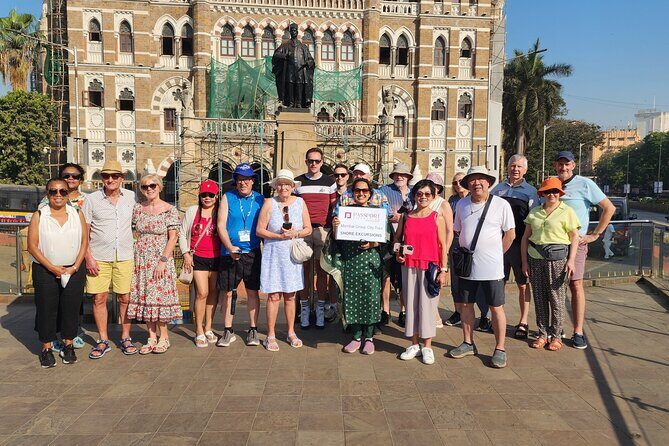
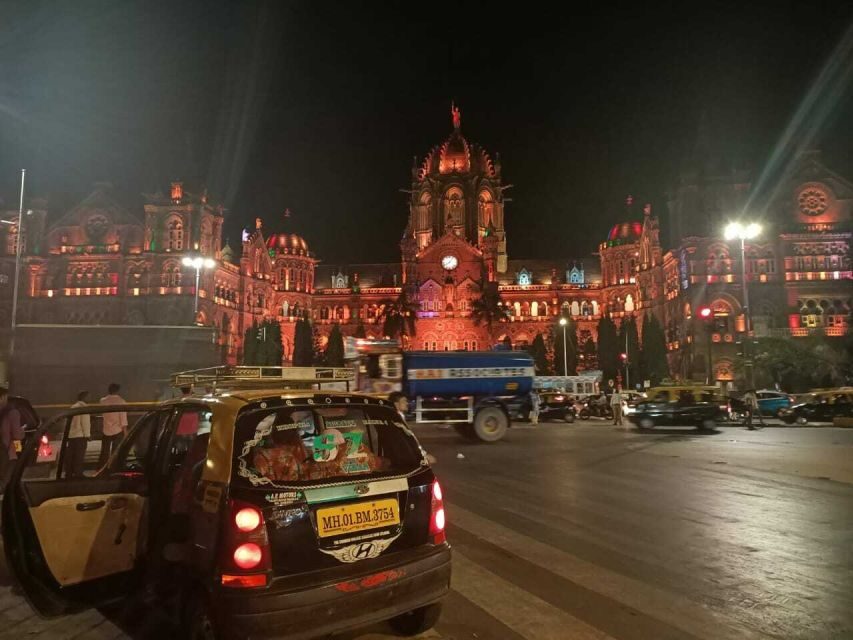
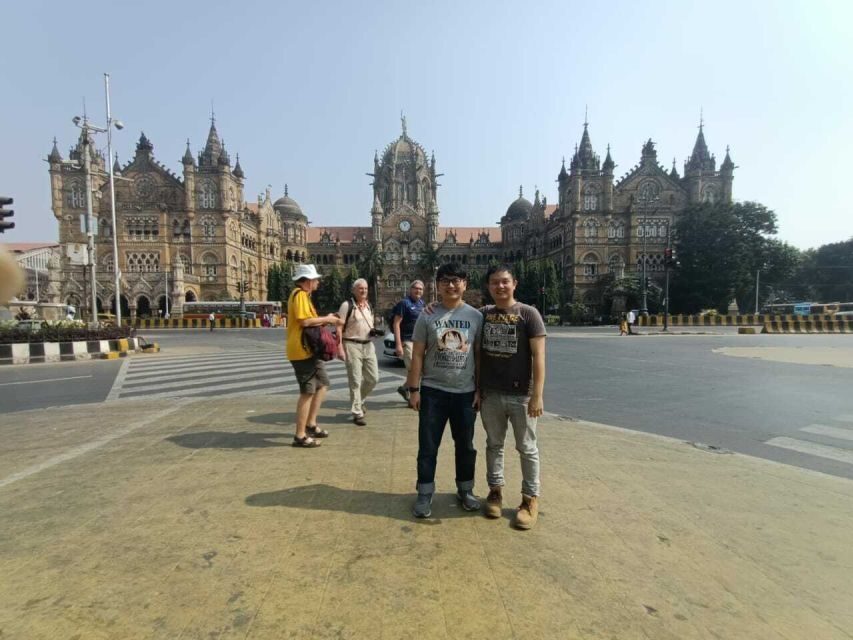
If you want a real first-timer overview, this is the kind of tour that gives it to you. The backbone is two UNESCO sites. You’ll start in the city with Chhatrapati Shivaji Maharaj Terminus (CST), a World Heritage railway station known for its mix of Victorian Gothic and Indian architectural elements. Even if you’re not a train nerd, CST works because it’s visual and it anchors the city’s colonial-era story without feeling like a museum stop.
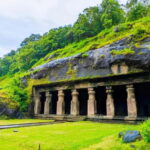
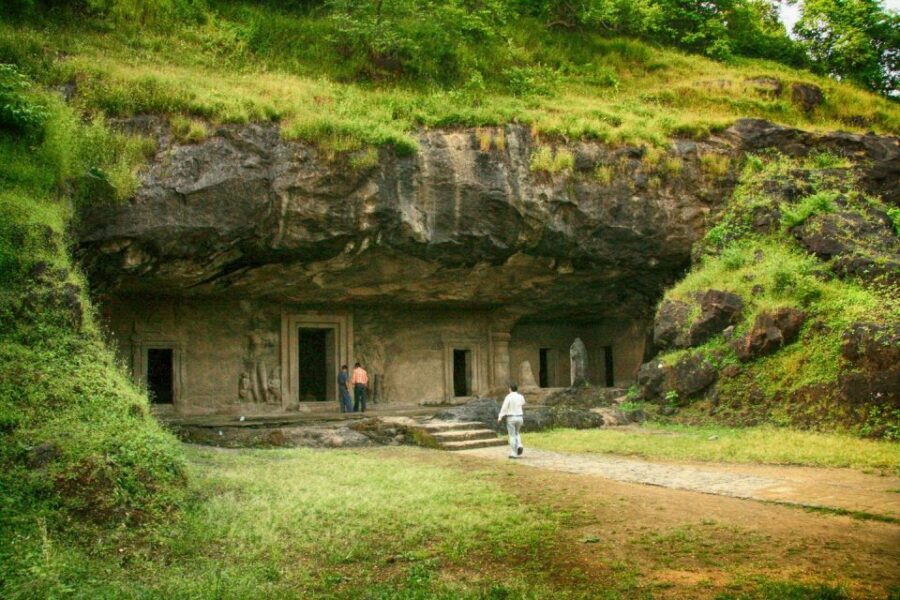
Then comes the big shift: the Elephanta Caves on Elephanta Island. These are UNESCO too, built into rock and dedicated to Lord Shiva. The reason this stop matters is simple: you’re looking at centuries-old sculpture made to be understood by walking through it. That’s exactly why a guided approach helps. The guide’s job isn’t to say names; it’s to point you to the iconography and explain what the carving style is telling you.
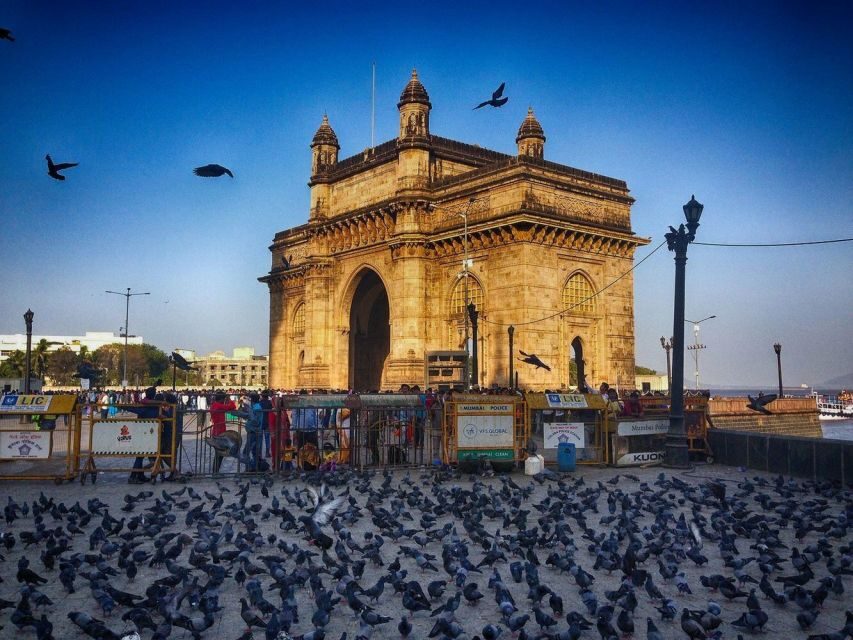
This tour also gives you time for the city in between, so you don’t feel like you’re traveling only to and from islands. You’ll see the waterfront at Gateway of India, get views over the Arabian Sea, and then bounce back to land for a full city slice before the ferry return.
You can also read our reviews of more city tours in Mumbai

The South Mumbai circuit: Gateway of India, Marine Drive, and the Malabar Hill views
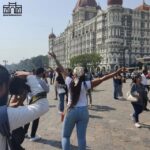
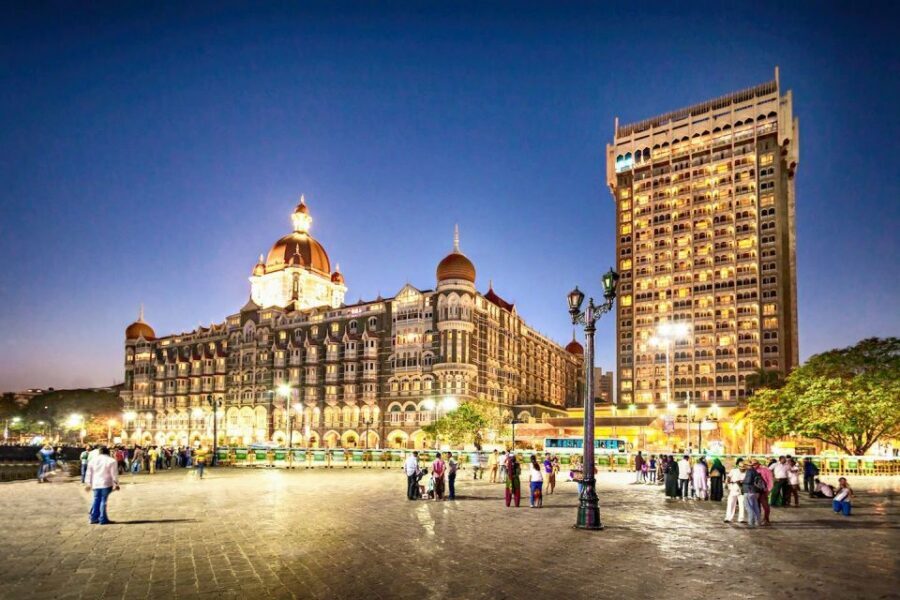
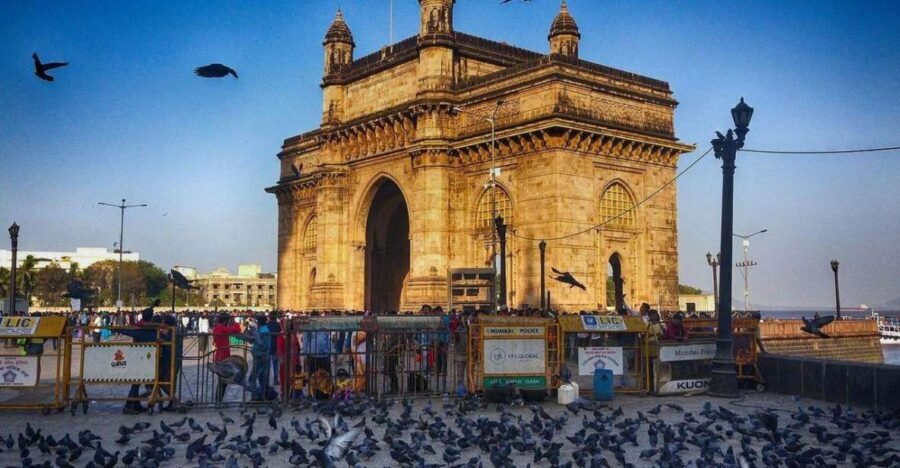
The city part feels like a fast “best-of” walk through old and new Mumbai. Your route typically starts at Gateway of India, the famous waterfront arch that signals you’re in Mumbai’s public-life zone right by the sea. Nearby, you’ll also see the Taj Mahal Palace Hotel area from outside, which is a great contrast point: Mumbai luxury sits right next to working neighborhoods and daily street scenes.
From there you’ll move through parts of the city that are built for quick orientation. Marine Drive is a highlight because it’s dramatic at night, but it’s still worth seeing even during daylight. The nickname Queen’s Necklace comes from the curve and the line of lights, so if your timing allows, you can catch the glow.
Then there’s Hanging Gardens on Malabar Hill. It’s a short stop, but the view payoff is real. You’re up above the traffic and buildings, looking out across the urban sprawl, and it gives you a mental map of where the rest of your day is happening.
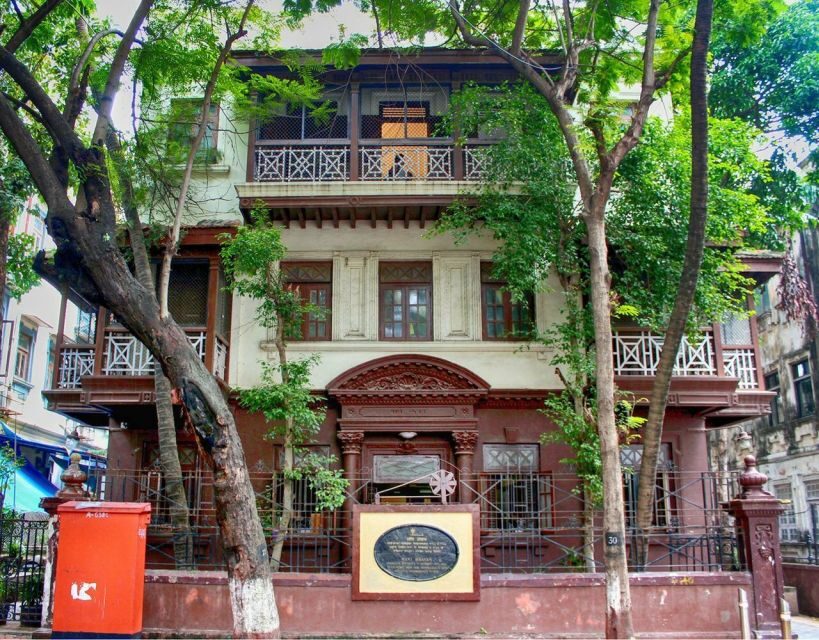
If you’re the kind of traveler who likes history but also wants atmosphere, you’ll likely appreciate the smaller stops too: Mani Bhavan with guided time, and Banganga Tank for a quiet cultural pause. The tour keeps these brief, but the goal is to help you leave with a coherent story of Mumbai’s layers rather than just photos.
Elephanta Caves logistics that actually matter: ferry, 120 steps, and seasickness
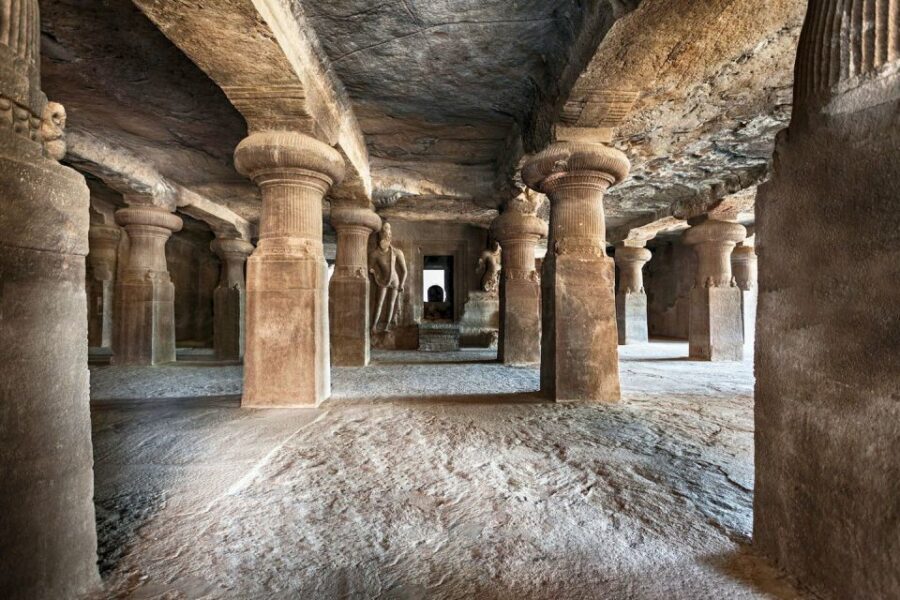
Elephanta is the headline, but the details around it are what make or break the day. The ferry ride is about 1 hour each way, and it can be crowded depending on the day and time. You’re also crossing water to get to a site with steep access.
Here’s the practical truth: Elephanta has no elevator. You’ll climb more than 100 steps to reach the cave area, so you need comfortable shoes and a steady pace. Also, this tour is not suited for people with back problems or mobility impairments. If stairs are a deal-breaker, this is one of those “choose another plan” moments.
What you get once you’re there is a guided walkthrough focused on Shiva. One detail that pops in the feedback is the guide’s ability to explain the meaning behind what you’re seeing, not just point and move on. Names like Daivat and Harish show up with praise for explaining carvings and taking great photos.
A note on comfort: the ferry can feel rough. Several people recommend having a plan for motion sickness. If you know you’re sensitive, bring seasickness medication and take it early. Even if you’re fine with boats, plan to slow down and drink water during the waiting periods.
Monsoon reality check
During monsoon season (July to mid September), ferries may be delayed or cancelled when winds are strong. If that happens, you may be offered an alternate plan: a visit to Kanheri caves in Mumbai, or a 30% refund. This isn’t a reason to skip—just a reason to stay flexible and pack for weather.
Dharavi in a guided, industry-focused way (not a shock parade)
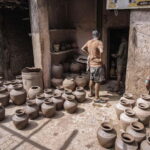
The Dharavi portion is handled with a clear theme: work, trade, and community. Dharavi is described as one of the largest slums in Asia, but the tour angle isn’t pity. You’ll look at everyday economic life, with small-scale industries such as pottery, leather, recycling, and textiles. The point is to show how people build livelihoods and solve problems locally.
The best part of this segment is the human context from local guides. In the feedback, Dawood stands out as a guide who makes people feel comfortable, with humor and a strong personal connection to the area. Some city guides connect it back to what you saw elsewhere, while Dharavi guides ground the story in how the place actually functions.
There’s also a “pace” advantage here. One traveler noted that the slum guide shortened some walking when they got tired, which matters in a full-day schedule where heat can pile up fast. If you want a social and economic perspective that isn’t just a photo stop, this is the kind of structure you’ll appreciate.
One thing to keep in mind: you’re visiting a working neighborhood. That means you should be respectful, keep movement thoughtful, and follow your guide’s cues for how to behave in each area. This isn’t a place for wandering off on your own.




City details that round out the day: Dhobi Ghat, Crawford Market, and Mani Bhavan
Not every tour includes the in-between places that help Mumbai feel real. This one does, and you’ll likely notice the difference when you start tying stops together in your head.
A few stops worth calling out:
- Crawford Market: a quick guided look that gives you a sense of the city’s commercial pulse
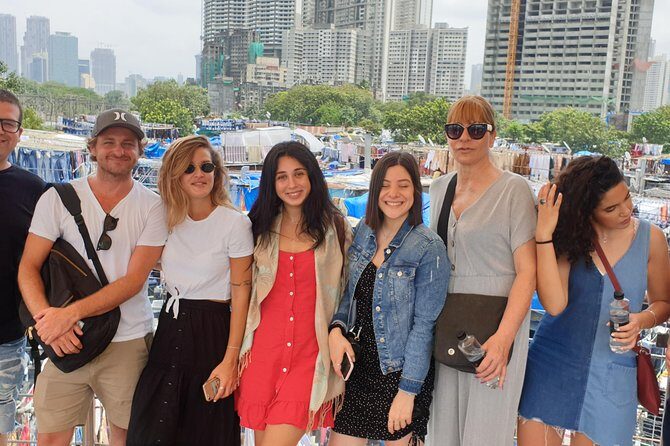
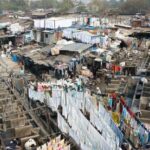
- Dhobi Ghat: guided time and a walk through the outdoor laundry scene
- Mani Bhavan: a guided visit that adds a historical beat beyond architecture and waterfronts
- Oval Maidan: a short stop that helps connect the city’s open spaces to the rest of your route
These are not long “stand and stare” moments. They’re timed so you can keep the flow going: city → ferry → caves → city → Dharavi (if selected) → back to your hotel.
If you care about the texture of daily Mumbai life, Dhobi Ghat is usually the kind of stop that sticks with you. It’s not just scenery; it’s a functioning system, and a guide helps you understand what you’re seeing without slowing the day down too much.
Price and logistics: why $32 can be good value here
At around $32 per person, this sounds almost too good for a day that includes ferry logistics and UNESCO sites. The value comes from what’s wrapped into the main price—especially for the full-day versions that include Elephanta and Dharavi.
What’s commonly included:
- Private tour
- Air-conditioned vehicle with a driver (with an exception noted for the half-day option from a meeting point)
- Hotel pickup and drop-off (again, depends on the selected option)
- Ferry tickets to and from Elephanta
- Elephanta Caves entrance fees and village taxes
- Expert tour guide
- Dharavi tour when you choose the all-inclusive full-day city + Elephanta + Dharavi option
What can cost extra depending on your option:
- Elephanta may not be included if you choose a half-day option that excludes it
- Some options may not include hotel pickup, and some may not include the A/C car
- Personal expenses are always on you
Also, transport quality matters in Mumbai. The feedback summary gives a useful signal: 86% of reviewers gave top scores for transport. That’s a big deal when your day has long driving segments, waiting time, and ferry coordination.
So yes, price is part of the story. But the real value is that the tour handles the moving parts—ferry + sites + local guiding—so you spend your attention on seeing and understanding rather than sorting tickets and timing.
Choosing the right option: how 4 to 10 hours changes your priorities
The duration range from 4 to 10 hours is a hint that you’re not buying one single fixed day. Your itinerary shifts based on the option you pick.
Look closely at what you’re selecting:
- If you pick an option where Elephanta Caves are included, you should expect the ferry time and the cave climb to shape the day.
- If you choose the Half-Day Elephanta Tour from Meeting Point, your inclusions change: Elephanta Caves entrance fees and ferry tickets may be excluded (and A/C car + hotel pickup may be excluded too, depending on the option details).
- If you want Dharavi, choose the all-inclusive full-day version where Dharavi is explicitly included.
My practical advice is simple: if you have limited time and you want the strongest contrast between Mumbai’s global face and local life, go for the full-day city + Elephanta + Dharavi option. It’s longer, but it avoids the pain of trying to stitch together separate days.
If you already know you’ll struggle with steps, heat, or ferry discomfort, you may want to avoid Elephanta-included options altogether. This tour makes logistics easy, but it can’t change the physical reality of that stair climb.
Practical packing and comfort tips for this Mumbai schedule
This kind of day is won or lost on footwear and sun management. Here’s what you should plan for:
Bring:
- Comfortable shoes (the cave climb demands real grip)
- Sunglasses
- Sun hat
Plan for weather:
- In hot months, take water seriously and pace yourself. Multiple guides in the feedback are praised for checking in and making adjustments when people got tired. That’s good, but you still want to do your part.
Mobility and health notes:
- This tour is not suitable for people with mobility impairments or back problems due to steps at Elephanta
- The caves have no elevator, so there’s no easy workaround
Baggage note:
- Luggage or large bags are not allowed. Pack light enough that you can move comfortably through crowded areas and ferry terminals.
If you’re motion-sensitive:
- Add seasickness medication to your kit. The ferry can be rough, and the crossing time is long enough to matter.
Should you book this Mumbai city, Elephanta, and Dharavi tour?
I’d book this tour if you want one day that covers the big map points: Gateway of India, CST, Elephanta Caves, and Dharavi, with local guides at each stage. The strongest reason to book is the guide setup: names like Loki, Maze, and city guides such as Ganesh show up with consistent praise, and Elephanta island guides like Daivat and Dave are repeatedly singled out for making the carvings make sense. On top of that, the transport coordination and ferry tickets are handled for you, which is a huge relief in Mumbai.
I wouldn’t book it if stairs and ferry movement are major problems for you. Elephanta’s more than 100 steps with no elevator is the hard limit, and the ferry ride can feel rough. Also skip if you want a slow, relaxed day with minimal transit; this schedule is efficient by design.
If you’re a first-timer, short on time, and comfortable with heat, stairs, and a guided pace, this is a strong way to see Mumbai’s contrasts in a single stretch.
FAQ
Is Elephanta Caves included in every option?
No. Elephanta Caves are not included if you choose the option labeled as a Half-Day sightseeing tour. You should confirm your selected option includes ferry tickets and cave entrance fees.
How long is the ferry ride to Elephanta?
The itinerary lists ferry time of about 1 hour each way, for a total of roughly 2 hours on the water.
Do I get hotel pickup and drop-off?
Pickup is optional, and it can be available from Mumbai Airport, hotels nearby the airport, North Mumbai, Juhu, Santacruz, Andheri, Powai, and Goregaon. Hotel pickup and drop-off may not be included for the Half-Day Elephanta Tour from Meeting Point option.
Is transportation air-conditioned?
The tour includes an air-conditioned vehicle in the private tour options. Air-conditioning is not included with the Half-Day Elephanta Tour from Meeting Point option.
Are there stairs at Elephanta Caves?
Yes. There is no elevator, and you’ll climb more than 100 steps to reach the top of the Elephanta Caves.
What should I bring for this tour?
You should bring comfortable shoes, sunglasses, and a sun hat.
What happens if ferries are delayed or cancelled in monsoon?
During monsoon (July to mid September), ferries can be delayed or cancelled due to strong winds. In that case, the activity provider may offer a visit to Kanheri caves in Mumbai or a refund of 30%.
Is the tour suitable for people with mobility issues?
No. It is not suitable for people with back problems or mobility impairments, mainly because of the large number of steps at Elephanta.