REVIEW · MUMBAI
Highlights of Mumbai Sightseeing Tour: TRAVELLERS CHOICE AWARDED
Book on Viator →Operated by Amaze Mumbai Tour · Bookable on Viator
Mumbai goes by fast; this tour keeps up. This is a private, customizable way to see South Mumbai’s biggest sights in one day, with a guided route you can tweak plus hotel pickup. You also get snacks and drinks to keep you going while the city does what it always does: moves.
I especially love the front-door convenience—hotel pickup and drop-off in an air-conditioned car—so you spend less time figuring out logistics and more time looking up at grand old buildings. I also like the flexibility, with multiple itinerary options so you can choose what fits your day.
One thing to plan around: Mumbai traffic and road time can be intense. If you’re prone to motion sickness, the drive between stops can feel like a lot, and the tour may feel faster-paced during busy hours.
In This Review
- Key Things That Make This Mumbai Tour Worth It
- Why This Tour Gets You Oriented Fast
- Gateway of India: The Port Landmark That Sets the Mood
- Colaba and the Market Streets: Easy “First Taste” Mumbai
- Oval Maidan: University Buildings and the Big-City View
- Kala Ghoda and Town Hall (Asiatic Society Library)
- CSMVS Museum: The Big Museum Stop You Can Time Right
- Crawford Market to Marine Drive: From Shopfront Energy to Sea Breezes
- Churchgate Railway Station and the Local Train Ride Option
- Chhatrapati Shivaji Terminus: Rail Glory in Brick and Stone
- Mani Bhavan Gandhi Museum: A Reflective Stop That Doesn’t Drag
- Kamala Nehru Park and Hanging Gardens Area
- Dhobi Ghat: Watching the Laundry Works at Human Scale
- Banganga Tank and the Walkeshwar Temple Complex
- Price and Value: What You Get for About $33
- Guides, Drivers, and the Pace That Keeps You Happy
- Who This Tour Suits Best (And Who Might Prefer Something Else)
- Should You Book This Mumbai Highlights Tour?
- FAQ
- How long is the Mumbai Sightseeing Tour?
- What’s included in the tour price?
- Is lunch included?
- Are tickets included for each stop?
- Does the tour offer hotel pickup in all areas?
- Can children join?
- What is the cancellation policy?
Key Things That Make This Mumbai Tour Worth It
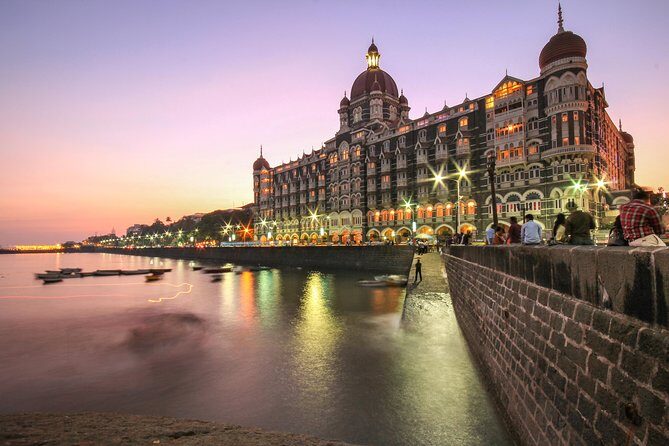
- Hotel pickup + drop-off in a climate-controlled car cuts out the hardest part of sightseeing
- You set the pace and the plan, choosing from multiple itinerary options
- Snacks and drinks are included, which helps when you’re hopping from market to museum to viewpoint
- Local train ride option adds a real Mumbai moment without you having to study the system first
- A guide who can tailor on the fly, and names like Imran, Dinesh, Loki, and Dawood pop up for a reason
- Major South Mumbai icons are grouped efficiently, so you get more “wow per hour”
Why This Tour Gets You Oriented Fast
If it’s your first day in Mumbai, you’re going to feel a lot. New sights. New sounds. And new traffic rhythms that have no interest in your schedule. This tour’s biggest strength is simple: it bundles the essentials into one managed day so you can get your bearings fast.
The format helps. You’re not stuck with a rigid bus loop. You can adjust what you see and how long you linger. That matters in Mumbai, where a “quick photo stop” can turn into a 20-minute conversation with a shopkeeper, a street scene, or a view you didn’t expect. Guides like Imran and Dinesh (both frequently mentioned) seem to work well with that style of travel—structured enough to hit the highlights, flexible enough to feel human.
The tour also gives you practical downtime. Snacks and drinks keep energy steady between viewpoints and markets. And with pickup and drop-off included, you’re not constantly reorganizing your day around transport.
You can also read our reviews of more tours and experiences in Mumbai.


Gateway of India: The Port Landmark That Sets the Mood
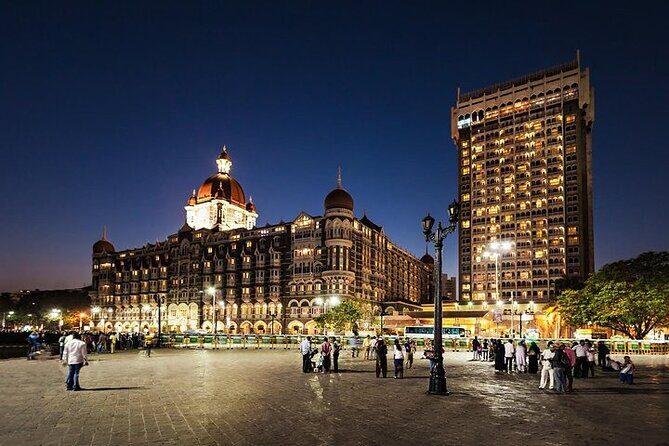
You start at the Gateway of India, a major arch monument built in the early 1900s. It was erected to commemorate the landing of the first British monarch in India, so it’s tied to a specific chapter of the city’s colonial-era story.
It’s also a great place for context. Even if you’re not a history person, you can read the city in layers here: the sea-facing setting, the flow of visitors, and the way this spot anchors the surrounding neighborhoods. The stop is short, so treat it like a “reset moment.” Grab your photos, orient yourself, then let your guide connect the dots as you head deeper into South Mumbai.
Tip: If you care about photos without crowds, ask your guide how the light looks at your time slot. It’s not guaranteed, but a smart guide can help you time frames.
Colaba and the Market Streets: Easy “First Taste” Mumbai
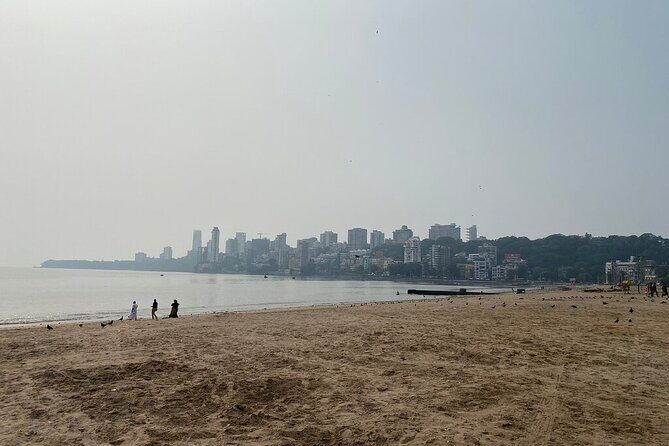
Next is Colaba, a tourist-popular area where you get a feel for what makes Mumbai sticky. You’ll see streets built for walking and browsing, plus that mix of old-world charm and commercial energy that defines this side of the city.
This stop is intentionally brief, and that’s a feature, not a bug. You’re getting flavor without losing the day. Colaba works best when you treat it as a window into how locals and visitors move—then you decide later if you want to come back for shopping or street-food hunting.
Oval Maidan: University Buildings and the Big-City View
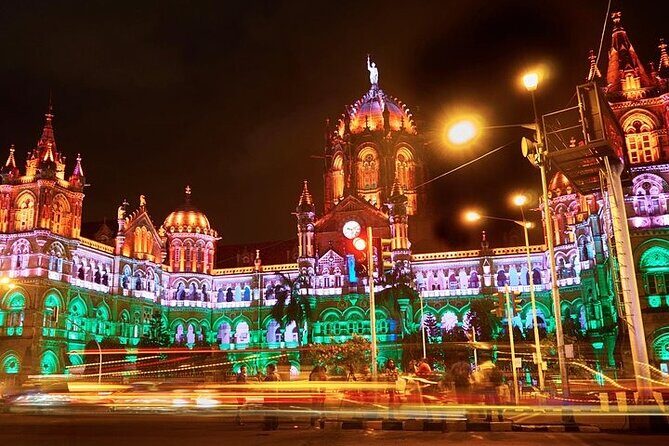
Oval Maidan is a prime “look up” zone. It’s where you’ll spot landmarks tied to Mumbai University, including the Rajabai Clock Tower, plus the Bombay High Court. Your guide will usually connect these buildings to the city’s status as a major legal and educational hub.
Admission here isn’t included, so think of this stop as outside-and-around time. Still, it’s a useful break from the crowds at the water and markets. It gives your brain a chance to register the scale of the city’s institutions.
If you love classic architecture, this is where you’ll feel it most.
Kala Ghoda and Town Hall (Asiatic Society Library)
Then it’s Kala Ghoda, known for its architecture and character. This area is a good pick if you like old facades, historic layouts, and the way colonial-era design blends with modern city life.
After that, you’ll hit the Town Hall / Asiatic Society Library area, a popular photography spot. Even if you skip fancy museum time, you’ll want a minute here. The buildings and street angles tend to reward just walking slowly.
Photography people: you’ll likely appreciate that this tour doesn’t just shove you from one “must-see” to the next. It offers short, focused pauses at visually rewarding corners—Loki and Ganesh-style guiding tends to help you find the best angles and explain what you’re looking at.


CSMVS Museum: The Big Museum Stop You Can Time Right
One major highlight on this route is the Chhatrapati Shivaji Maharaj Vastu Sangrahalaya (CSMVS), formerly the Prince of Wales Museum of Western India. This is the main museum in Mumbai, and it’s a natural stop if your day includes a culture-and-art block.
Important reality check: the itinerary notes vary on what’s included for admissions. The museum is listed as a stop, but the ticket inclusion isn’t clearly spelled out in the stop details you provided. So if museum time is a priority for you, ask your tour manager what’s covered in your exact option.
In practice, the tour is designed so you can spend your time well. If you’re museum-curious, you can add enough time to see a meaningful chunk. If you’re not, you can keep it brief and use the rest of the day for street scenes and viewpoints.
Crawford Market to Marine Drive: From Shopfront Energy to Sea Breezes
Crawford Market is one of South Mumbai’s famous markets, named after Arthur Crawford. Markets here aren’t just places to buy things. They’re social spaces. You’ll see the city’s day-to-day side—colors, signs, people moving with purpose.
Then you roll to Marine Drive, a 3.6-kilometre boulevard on the South Mumbai waterfront. The road was constructed by late philanthropist Bhagojisheth Keer and Pallonji Mistry, which gives the promenade a story beyond just being pretty.
Marine Drive also works well as a decompression stop. After the rush of markets, you get space to breathe and take in the shoreline line. Your guide can point out the details you’d miss while you’re busy snapping photos.
When it shines most: late afternoon into evening. Your exact lighting will depend on your schedule, but the vibe is usually best when you’re close to sundown.
Churchgate Railway Station and the Local Train Ride Option
One of the smart additions on this tour is the option to take a Mumbai Local Train ride, included in the tour price. You stop at Churchgate Railway Station, then you get that rare combo: classic Mumbai architecture plus real transit life.
This is where you’ll feel how big Mumbai is. It’s not a “tour ride” in the theme-park sense. It’s part of how the city actually runs. That’s a big reason people love this tour for first-time orientation.
A quick caution: trains can be busy. If you’re traveling with kids or anyone who doesn’t handle crowds well, let your guide know at the start. They’ll guide you on timing and how long to allocate.
Chhatrapati Shivaji Terminus: Rail Glory in Brick and Stone
Next is Chhatrapati Shivaji Terminus (often just called CST). It was constructed in 1887 and still functions as a headquarters of Central Railways. This stop is a visual treat if you like historic transport buildings—the kind that look like they belong on a postcard and in a history book.
You’ll get a straightforward look and context without the day getting swallowed by a museum-like pace. It’s also a good contrast to the local train ride: you see both the living transit system and the monumental station heritage.
If you’re timing a photography session, your guide can usually recommend where to stand for the best shots based on pedestrian flow and the angle you want.
Mani Bhavan Gandhi Museum: A Reflective Stop That Doesn’t Drag
Then comes Mani Bhavan, a museum and historical building dedicated to Gandhi. It’s located on Laburnum Road in the Gamdevi precinct. This is one of those stops that feels different from the colonial-era architecture theme—more personal, more human-scale.
This museum stop is listed with admission included in the tour option you shared, which is a nice value add. You’ll get a focused block of time, enough to understand the significance without turning the day into “museum marathon mode.”
Guides like Dawood and Alam are often praised for making history feel connected to the city you’re standing in—not like a lecture you’re trapped in.
Kamala Nehru Park and Hanging Gardens Area
Kamala Nehru Park is part of the Hanging Gardens complex and covers about 16,000 square meters. This stop gives you a break from street intensity. It’s also another angle on the city—green-ish pause with a view-friendly feel.
Expect a short visit. The point here is recovery and perspective, not an extended garden day. After markets and major landmarks, that breathing room helps.
Dhobi Ghat: Watching the Laundry Works at Human Scale
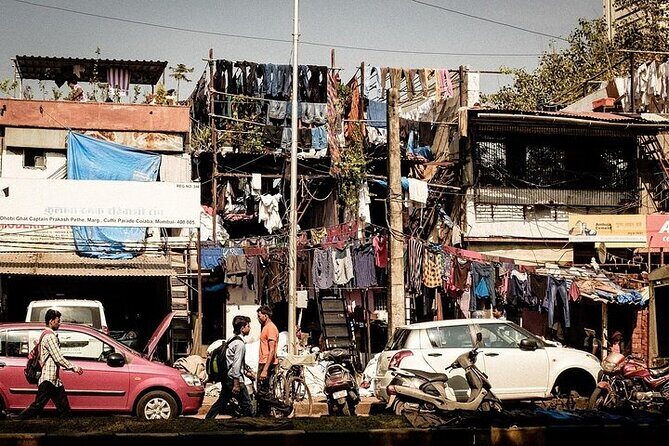
Dhobi Ghat is an open-air laundromat where dhobis wash clothes and linens from Mumbai’s hotels and hospitals. This is one of the stops that makes the city feel real in a way a landmark alone can’t.
The tour lists admission included for this stop, which is great because it removes one more cost variable. You’ll also likely hear from your guide about how this system has long been part of Mumbai’s service economy.
A note on expectations: this isn’t “performative sightseeing.” It’s work happening in public. If you’re uncomfortable around busy work zones or you’re sensitive to noise and movement, you can keep your time shorter and still get the point.
Banganga Tank and the Walkeshwar Temple Complex
Then you’ll visit Banganga Talav (Banganga Tank), part of the Walkeshwar Temple Complex in Malabar Hill. The stop is brief—about 10 minutes in your route—but it gives you an ancient water setting tucked into a very urban city.
This is where Mumbai shows a quieter side. Temples and tanks in dense cities often feel like a reset button. If you’re traveling with someone who loves places of worship, this will land well.
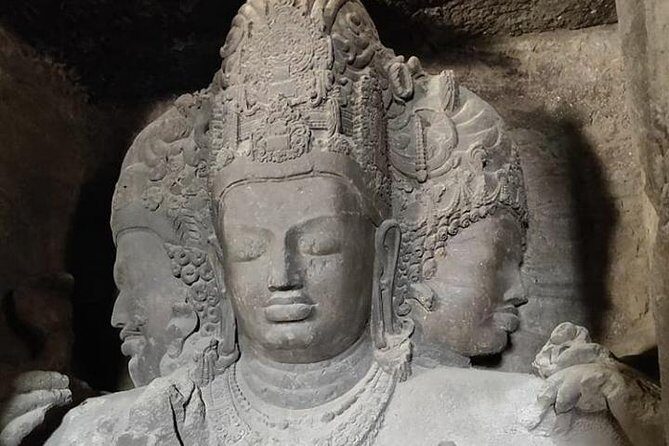
You’ll also see a Jain temple as part of the stop mix. Even if you don’t enter, the visual and cultural contrast is noticeable.
Price and Value: What You Get for About $33
Let’s talk about the big question: is $33 per person actually a good deal?
Based on what you shared, it’s not just “a driver and a list.” You’re getting:
- air-conditioned transport
- a guided route managed by an English-speaking tour manager
- hotel pickup and drop-off
- snacks and drinks
- multiple major sights grouped efficiently
- admission coverage called out for certain stops (like Mani Bhavan and Dhobi Ghat)
- and, in the local-train option, a Mumbai Local Train ride included
Add it up and the value is clear: you’re paying for time savings and local context. In a city like Mumbai, where getting from one area to another can be time-consuming, bundling the route is where you win.
Also, the reviews score is strong: 4.9 out of 5 with 98% recommended. That doesn’t automatically mean every day runs perfectly, but it suggests the guiding approach and logistics usually land well.
Guides, Drivers, and the Pace That Keeps You Happy
The tour’s reputation hinges on the human part. Names you’ll see come up again and again include Imran, Dinesh, Loki, Ganesh, Abdul Ahad, Dawood, Alam, Maze, Kavitha, and Surendra Pal.
What stands out in the way these guides are described is not just information. It’s responsiveness. People note guides adjusting pace, stopping for details they didn’t plan, and offering food suggestions at the right moments. One guide example you shared is Loki steering people toward a street-food place that’s been operating since 1939. That’s the kind of detail that makes a tour feel like it’s attached to real life instead of a checklist.
Driver quality shows up too. Several notes mention safe, punctual driving and smooth timing. One person did flag that car size might be a factor for comfort and that traffic can feel overwhelming—so if you’re sensitive, plan for a slightly less relaxed ride and keep a motion remedy handy just in case.
Who This Tour Suits Best (And Who Might Prefer Something Else)
This is a great fit if:
- it’s your first visit and you want a clean overview fast
- you like architecture, landmarks, and city stories
- you want hotel pickup and don’t want to micromanage transit
- you’re open to a local train moment
It may not be your best choice if:
- you want a slow, wandering day with lots of unscheduled downtime
- you’re extremely sensitive to road conditions and motion sickness
- you prefer deep museum time over quick highlights
If you’re traveling in a group, the structure can also be helpful. Even though it’s private in setup, the pricing model includes group discounts, and that can make it easier to share costs.
Should You Book This Mumbai Highlights Tour?
If you have half a day to a full day and you want to understand Mumbai without spending that time lost in logistics, I’d say yes—especially if you’re excited by classic sights like Gateway of India, Marine Drive, CST, and Gandhi’s Mani Bhavan.
Book it if you want:
- maximum highlights per day
- guided context
- pickup and drop-off
- and the option to ride a local train
If you’re on the fence, I’d base the decision on one thing: your tolerance for city traffic. If you’re okay with that trade, this tour is a smart, well-rounded way to see a lot of Mumbai without turning your trip into a stressful commute.
FAQ
How long is the Mumbai Sightseeing Tour?
It runs about 5 to 6 hours for the sightseeing-style options. Some add-ons run longer, like City + Dharavi at about 7 hours and City + Elephanta caves starting at a minimum of 9 hours.
What’s included in the tour price?
You get air-conditioned car transport, an English-speaking tour manager, guided tour time, and hotel pickup and drop-off. Snacks and drinks are included as part of the experience. The local train ride option is included in the tour price.
Is lunch included?
No. Lunch is not included.
Are tickets included for each stop?
Many stops list admission as free, and some stops specify admission included (like Mani Bhavan Gandhi Museum, Dhobi Ghat, and the local train option). Oval Maidan is noted as admission not included. For the museum stop, ticket inclusion isn’t clearly stated in the stop details you provided, so it’s smart to confirm.
Does the tour offer hotel pickup in all areas?
Pickup is offered, and if you’re in South Mumbai the tour tends to end earlier. Pickup from the Mumbai cruise port may have an additional charge.
Can children join?
Children must be accompanied by an adult.
What is the cancellation policy?
You can cancel for a full refund if you cancel at least 24 hours before the experience starts. If you cancel within 24 hours, the amount paid is not refunded.