REVIEW · MUMBAI
Dharavi Slum Tour – See the real Slum with a Local Guide
Book on Viator →Operated by Inside Mumbai Tours · Bookable on Viator
Two hours in Dharavi rewires your assumptions. This Dharavi slum tour is built around a resident perspective: you walk through daily life, work areas, and family spaces in Asia’s largest slum, plus you’ll visit where Slumdog Millionaire was filmed inside Dharavi.
I particularly love that you’re guided by an English-speaking local who lives in Dharavi, not a distant observer. And I love the focus on how the small businesses actually run—from plastic recycling to leather, garment/textile, and metal industries—so you come away understanding the place as a working community, not just a headline.
One heads-up: this visit is close-up and real-life. You’ll want comfortable walking shoes, and since food and drinks aren’t included, plan basic comfort so you can stay attentive for the full ~2 hours.
A resident guide from Dharavi gives you the real viewpoint—how people live, work, and socialize day to day.
You’ll see working industries up close, including plastic recycling, leather, garment/textile, and metal work.
The tour aims to challenge the usual misery-only narrative, replacing it with practical, lived context.
You’ll also visit the Slumdog Millionaire filming location inside Dharavi, connecting pop culture to everyday life.
Small groups (up to 15) help you ask questions and keep the walk manageable.
In This Review
- Dharavi With a Resident Guide: What Makes This Tour Different
- Your First Steps In Dharavi: From Meeting Point to Street-Level Reality
- Homes, Kids, and Community Life: What You Actually Learn on the Walk
- Small Industries and Recycling Work: Understanding Dharavi’s Economy
- Slumdog Millionaire Filming Spot: Connecting Movie Fame to Real Streets
- Price and Time: Is $7.93 Good Value for a 2-Hour Tour?
- Practical Tips That Make the Experience Smoother (and More Respectful)
- Who Should Book This Dharavi Slum Tour (and Who Might Skip It)
- Should You Book Dharavi Slum Tour? My Take
- FAQ
- Where does the tour start?
- How long is the Dharavi slum tour?
- Is the guide English speaking?
- What’s included in the price?
- How big are the groups?
- Is food provided during the tour?
- What happens if the weather is poor or the minimum number of travelers isn’t met?
Dharavi With a Resident Guide: What Makes This Tour Different
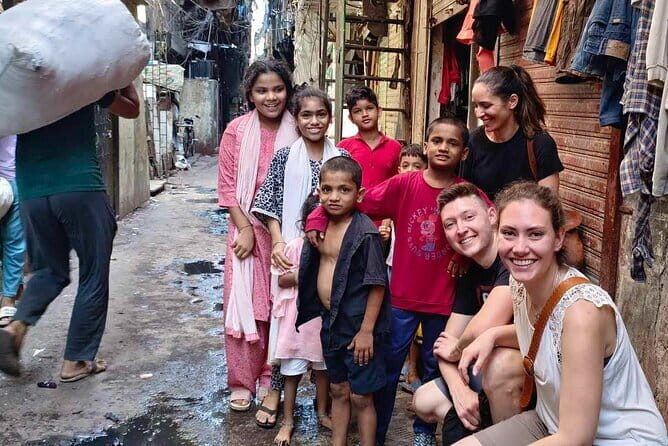
This Dharavi slum tour starts with the simplest idea, and it’s the reason it works: you see Dharavi through someone who lives there. That changes the tone fast. Instead of a script built for outsiders, you get a guided walk that explains how daily routines, home life, and work connect—often in the same area.
You’re not just hearing about “conditions.” You’re seeing where children play, where families relax, and where people conduct business. The guide’s insider knowledge helps you move through the area with clarity, because they can point out what matters and what you might otherwise miss.
The tour also has an explicit goal: to dispel the common idea that Dharavi is only misery. The experience is meant to show dignity, energy, and entrepreneurship—without pretending problems don’t exist. That balance is important, especially in a place made famous by a movie and often reduced to a single story.
Your First Steps In Dharavi: From Meeting Point to Street-Level Reality
You’ll meet at Third Wave Coffee on Tip Road (Unit no. 58, Ground, Ram Mahal, Senapati Bapat Marg, Marinagar Colony, Station, Mahim, Mumbai, Maharashtra 400016). The tour ends back at the same meeting point, which keeps logistics simple after a couple of hours of walking and observation.
From there, you’ll head into Dharavi with an English-speaking guide who lives in Dharavi. That language detail matters more than it seems. When you’re asking about how daily life works—where people stay, how the neighborhood functions, how work is organized—clear communication is what turns photos into understanding.
The walk is designed to be realistic and focused. You’ll be shown where people live and how families organize shared spaces. You’ll also get a sense of leisure and routine—what a “normal day” looks like when you step out and see kids playing and neighbors resting.
A practical note: this isn’t a “ride-by” tour. It’s a walking experience, and the recommendation is straightforward: bring comfortable walking shoes. Plan to be on your feet for roughly two hours.
You can also read our reviews of more guided tours in Mumbai


Homes, Kids, and Community Life: What You Actually Learn on the Walk
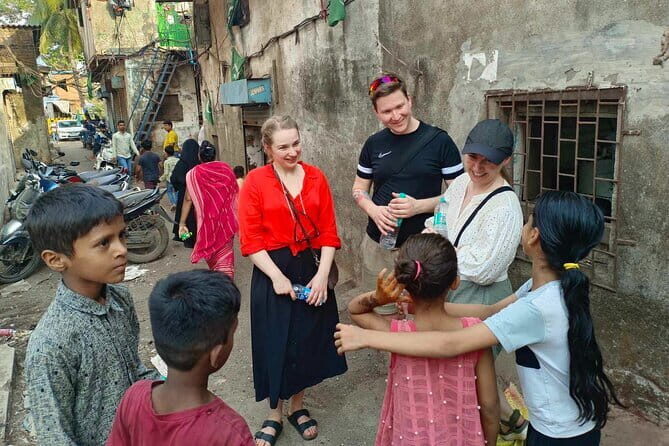
The most valuable part of a Dharavi slum tour is what you learn when you stop treating the area like a single attraction and start seeing it like a neighborhood. This one does that by guiding you through everyday scenes: where family life happens, where children play, and how people relax.
I like that the tour frames these moments as part of the social fabric, not as spectacle. You’re not just hunting for “evidence” of hardship. You’re watching a living place operate. That’s why the experience can feel surprising in a good way—you get the reality of daily rhythms, and you also get context for why people are doing the work they do.
You’ll also see where different types of business activity take place. That connection—home and work in close quarters—helps you understand the logic of the area more quickly than reading about it. It’s the difference between imagining “conditions” and actually grasping how people organize space to make life work.
The tour’s overall message is that Dharavi isn’t only about struggle. It’s also about problem-solving, skills, and community infrastructure that grew from necessity and kept going because people built their own livelihoods.
Small Industries and Recycling Work: Understanding Dharavi’s Economy
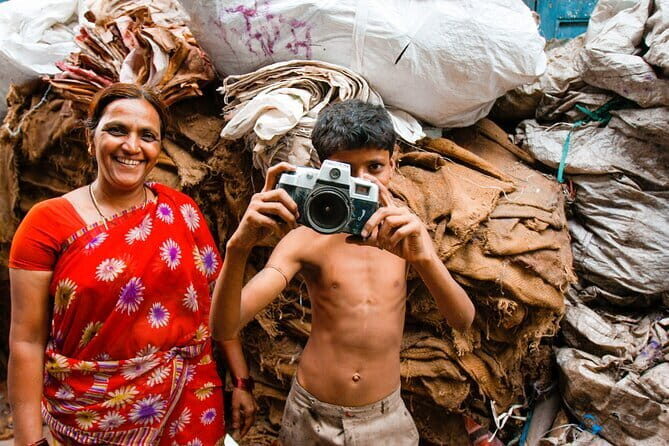
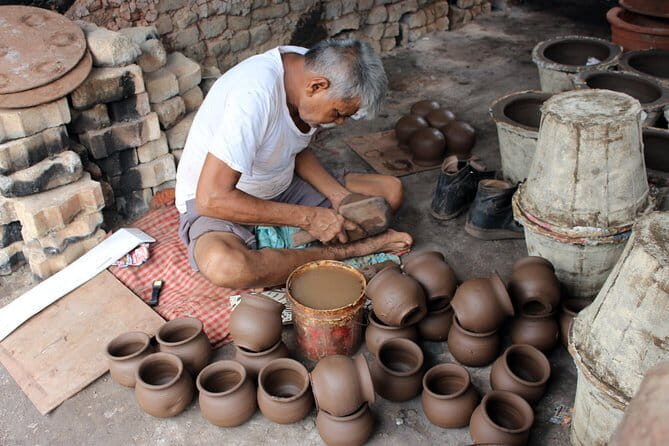
One of the tour’s biggest strengths is that it doesn’t stop at generalities. You’ll learn about specific industries and how they operate in day-to-day terms, including:
- plastic recycling
- leather industry
- garment/textile work
- metal industry
The guide also explains that the work done here adds up to about 1 Billion US dollars in yearly income. Even if you mentally translate that into smaller units, it’s still a powerful way to understand scale. Dharavi isn’t presented as an “invisible economy.” It’s presented as an active one.
In the walk, the tour aims to show the variety of businesses and the way small workshops form a network. In a lot of places, you’d need separate trips for “work life” and “neighborhood life.” Here, the tour connects them. That makes it easier to answer the question you’ll have after you leave: How does a place like this function economically?
Also, the small-group format (up to 15 people) makes questions easier. If you’re the type who wonders how supply chains work or how tasks get divided inside a small operation, this format gives you room to ask—without turning the walk into a lecture.
Slumdog Millionaire Filming Spot: Connecting Movie Fame to Real Streets
Dharavi is famous partly because of Slumdog Millionaire, and this tour gives you a direct link to that pop-culture connection. You’ll visit the location where the movie was filmed inside Dharavi.
What makes this stop worth your attention is the contrast. Movie scenes are built to look a certain way. Real neighborhoods are built to function. When you stand in the filming area, you’re seeing the same ground—but through a different purpose: everyday life instead of a set.
This is also where the tour’s bigger goal clicks. The film’s fame can bring outsiders with a simplified story. The guide uses that moment to pull you back into the real context: people live here, work here, and raise families here. The filming location becomes less about trivia and more about understanding how outsiders describe a place—and how locals actually experience it.
If you like travel that links culture to reality, this part gives you a satisfying “aha.” You’ll finish the tour thinking about how media shapes perception, and how a local guide can correct the record—without getting preachy.
Price and Time: Is $7.93 Good Value for a 2-Hour Tour?
At $7.93 per person, this Dharavi slum tour is priced for accessibility. The most important value question isn’t only the low price—it’s what you get within the 2-hour window.
Here’s what’s included:
- An English-speaking guide who lives in Dharavi
- all entrance fees
Not included:
- food and drinks
When you cost this out like a practical traveler, the value looks strong. You’re paying for guided access, language support, and time spent walking and interpreting the area with an insider. The tour also keeps the group size small (max 15), which often matters more for quality than people expect.
Two hours also helps. Dharavi can be emotionally intense if you go in unprepared. A short, focused tour is easier to process. You don’t have to spend half a day trying to absorb everything at once.
Booked on average about 6 days in advance, it’s also a sign this tour has steady demand. If you’re serious about doing it during your Mumbai days, it’s smart to reserve early rather than assume you’ll find space last minute.



Practical Tips That Make the Experience Smoother (and More Respectful)
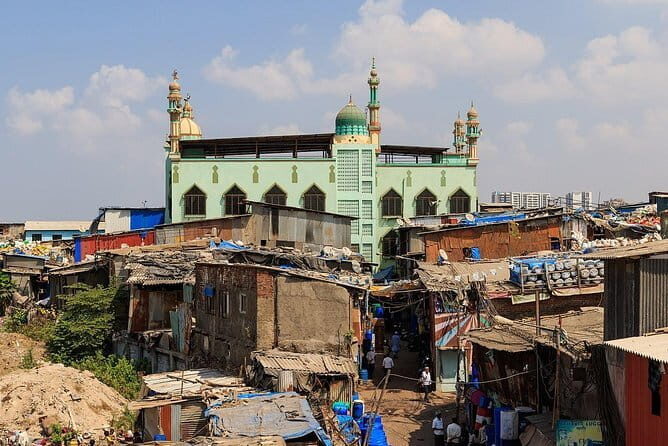
This tour works best when you go in with the right mindset and a little preparation. Here are the things that will help you enjoy it more and avoid awkward moments:
1) Wear comfortable shoes.
You’ll be walking during the ~2 hours, and the tour explicitly recommends comfortable footwear.
2) Go in expecting real homes and work.
This is about daily life—where families live, where kids play, and where businesses operate. Keep your tone respectful and keep your questions focused on how life works.
3) Plan for no food or drinks.
Since food and drinks aren’t included, you’ll feel better if you handle your hydration and energy before you meet your guide. (It’s a small detail, but it matters when you’re paying attention for two hours.)
4) Be flexible about timing.
The tour is weather-dependent and requires good weather. If conditions aren’t right, you’ll be offered another date or a full refund, so don’t stress if your first choice gets changed.
5) Keep an eye on the meeting point.
The start point is very specific—Third Wave Coffee on Tip Road in Mahim. Arrive on time so you don’t slow down the group.
Who Should Book This Dharavi Slum Tour (and Who Might Skip It)
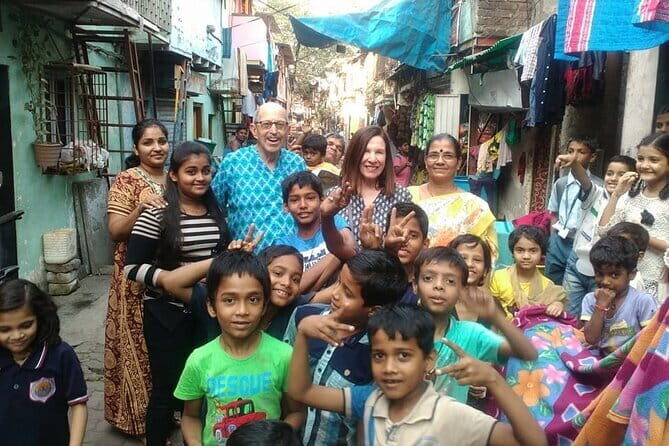
This tour is a great match if you:
- want a local, resident-guided perspective
- like learning how real economies work, not just sightseeing
- enjoy cultural connections (especially movie filming locations)
- are comfortable with an experience that focuses on people’s daily life and work
It may not be the best fit if you:
- dislike close-up encounters with everyday reality
- want a purely comfortable, “stay above it all” sightseeing style
- need frequent breaks for long walking
Because it’s only about two hours and limited to 15 people, you still have options to manage your comfort. But your attitude matters here more than on typical tours.
Should You Book Dharavi Slum Tour? My Take
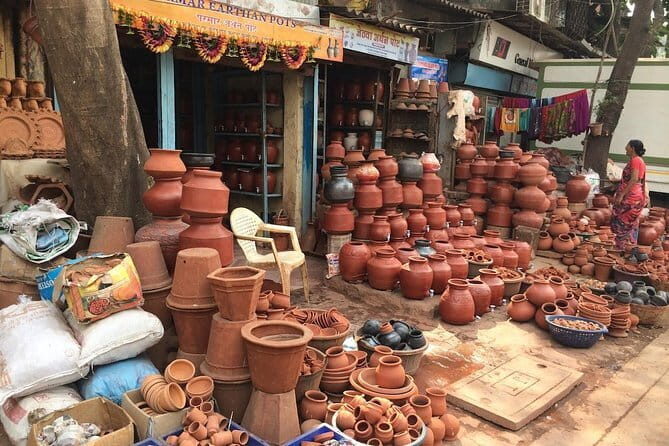
If you want Mumbai travel that feels honest and grounded, this Dharavi slum tour is worth considering. The selling point isn’t just that it’s famous or low-cost. It’s the combination of a resident guide and a clear focus on work and community life—plastic recycling, leather, garment/textile, metal industries—and the way those connect to family spaces.
Book it if you like learning through a real person’s eyes and you want your questions answered on the ground. Skip it if you’re looking for a detached, comfortable “viewpoint” experience.
For me, the best way to think about it is simple: you’re paying for understanding, not just photos. And in a place like Dharavi, that kind of understanding is hard to fake.
FAQ
Where does the tour start?
The tour starts at Third Wave Coffee, Tip Road, Unit no. 58, Ground, Ram Mahal, Senapati Bapat Marg, Marinagar Colony, Station, Mahim, Mumbai, Maharashtra 400016, India. The tour ends back at the meeting point.
How long is the Dharavi slum tour?
It runs for approximately 2 hours.
Is the guide English speaking?
Yes. The tour includes an English-speaking guide who lives in Dharavi.
What’s included in the price?
The price includes the English-speaking guide and all entrance fees. Food and drinks are not included.
How big are the groups?
The tour has a maximum of 15 travelers.
Is food provided during the tour?
No. Food and drinks aren’t included, so plan to have eaten or bring what you need beforehand.
What happens if the weather is poor or the minimum number of travelers isn’t met?
The experience requires good weather. If it’s canceled due to poor weather, you’ll be offered a different date or a full refund. If a minimum number of travelers isn’t met, you’ll also be offered a different date/experience or a full refund. You can cancel for free up to 24 hours in advance for a full refund.