REVIEW · MUMBAI
Mumbai City Sightseeing Small Group Tour
Book on Viator →Operated by Magical Mumbai Tours · Bookable on Viator
Mumbai changes mood every few blocks. This shore-friendly small-group tour uses an air-conditioned coach and port pickup/drop-off, so you spend less time wrangling logistics and more time seeing the sights. Expect a fast, photo-friendly route through Mumbai’s big-name landmarks and neighborhoods.
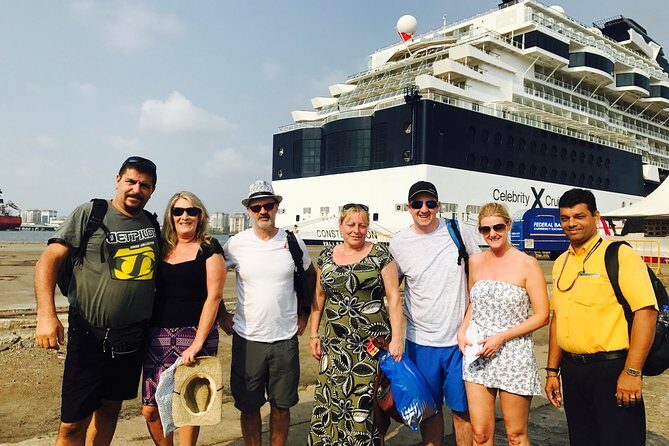
I love the guided storytelling. With guides like Atik, the stops come with context, and the tone stays friendly and practical, so questions don’t feel like a bother.
One watch-out: the timing is tight at each viewpoint, and you’ll likely run into sales pressure around busy areas and market stops—so go in with patience and a polite no ready.
In This Review
- Why This Mumbai Shore Excursion Feels Efficient
- The Small-Group Size That Makes the Coach Tour Work
- Price and What You Actually Get for $38.48
- The Route From Gateway of India to CST: What Each Stop Really Does
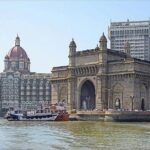
- Gateway of India: Start With the Icon Shot
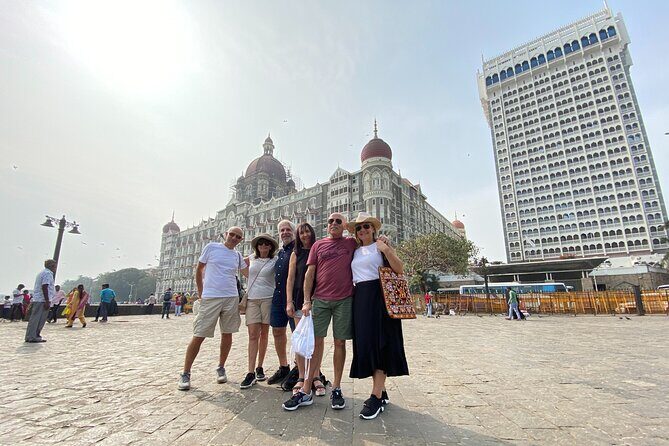
- Taj Mahal Palace Photo Stop: One Quick Look
- Dhobi Ghat: Daily Work in the Middle of the City
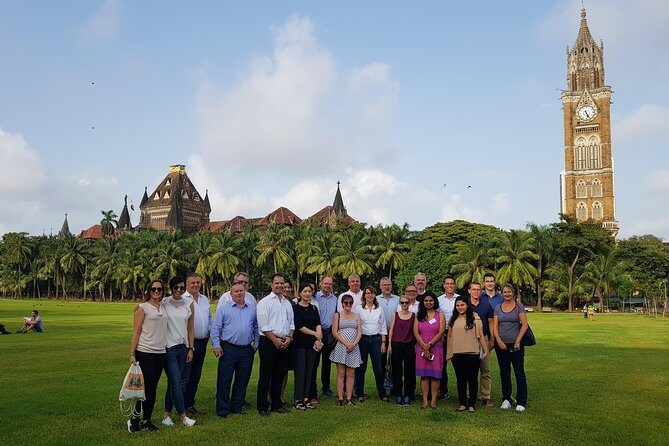
- University of Mumbai Library and Rajabai Clock Tower: Colonial-Era Scale
- Churchgate Railway Station: A Transportation Landmark, Not Just Transit
- Marine Drive: The Drive That Becomes a View
- The Garden and Park Views: Hanging Gardens and Kamala Nehru Park
- Hanging Gardens: Quick Green Pause
- Kamala Nehru Park: More Time to Watch the City
- Mani Bhavan Gandhi Museum: The Most Meaningful Stop
- Crawford Market: Where the City Shows Its Teeth
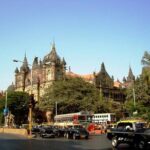
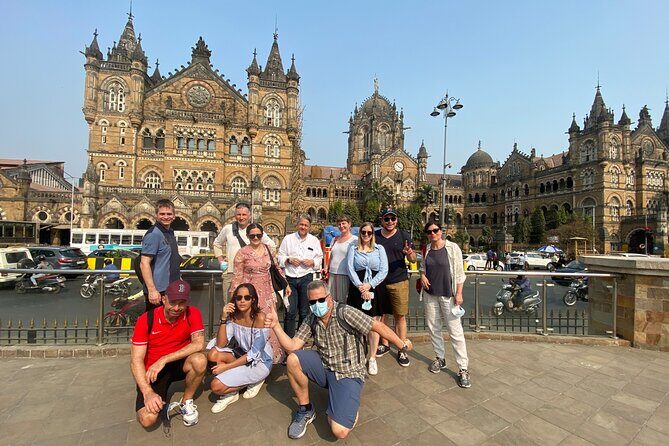
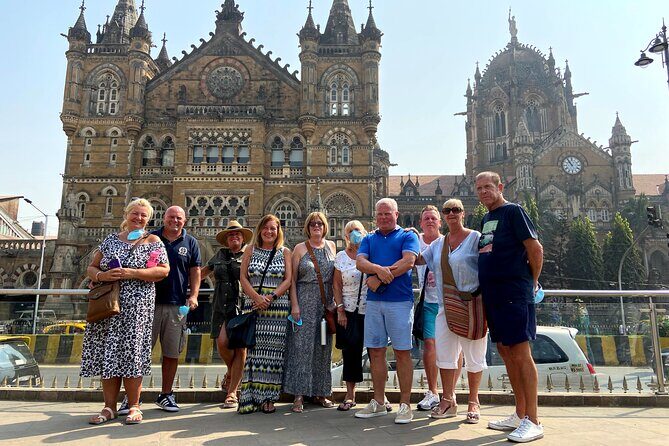
- Chhatrapati Shivaji Terminus (CST): The Big Final Architectural Hit
- The Guide Experience: Friendly, Responsive, and Story-Driven
- Timing Tips: How to Make Short Stops Work for You
- Who This Tour Is Best For
- Practical Stuff to Know Before You Go
- Should You Book This Mumbai City Tour?
- FAQ
- How long is the Mumbai City Sightseeing Small Group Tour?
- What does the tour cost?
- Is port pickup and drop-off included?
- What’s included in the tour price?
- Are any admission tickets included?
- How many people are in the group?
Why This Mumbai Shore Excursion Feels Efficient
This tour is built for a short stop in port. You’re moving by coach across key areas, and you’re not left alone to guess what matters. With a maximum of 16 travelers, the vibe stays manageable instead of chaotic.
It also helps that the meeting point lines up with a central landmark area. Starting at The Taj Mahal Palace (Apollo Bandar, Colaba) puts you right where Mumbai’s “first photos” usually happen, and it makes the return simple since you end back at the same spot.
And at $38.48 per person for about 5 to 6 hours, the math works if you’re a first-timer who wants variety: waterfront views, colonial-era architecture, a major rail icon, and a real slice of daily city life.
The Small-Group Size That Makes the Coach Tour Work
A max group of 16 sounds small, and in practice that matters. You get a better chance to hear the guide over the noise, plus you’re less likely to get stuck behind a crowd every time you want a photo.
The tour also leans on a simple rhythm: drive, stop, short walk, guide explains, photos, then move on. That’s not glamorous, but it is effective when you have limited time.
The other practical win is the English-speaking guide plus included entry for select sights. You’re not hunting for ticket counters or decoding signage while you’re on borrowed time.
You can also read our reviews of more city tours in Mumbai

Price and What You Actually Get for $38.48
For this kind of city tour, the price is mainly paying for three things:
- A guided route that covers many major sights in a few hours
- An air-conditioned coach for the transitions (important in heat)
- Fees and taxes included for the parts that require them
Food and drinks are not included, so plan on buying water or a snack on your own if you need one. Hotel pickup/drop-off is also not included, which is why the port-style logistics are the big selling point here—pickup and drop-off are built into the experience.
One more value note: many stops have free admission, while a couple have admission tickets included. That structure keeps costs controlled without turning the day into a long ticket line festival.
The Route From Gateway of India to CST: What Each Stop Really Does
This is a highlights route. Each stop is short on purpose, so think of it as orientation plus photo time, rather than a slow sightseeing day.
Gateway of India: Start With the Icon Shot
The tour’s first stop is Gateway of India, with about 30 minutes on the ground. This is where most people want their establishing photo, and the guide gives you the quick background so it’s not just a pretty arch.
You’ll also see the waterfront energy that makes this part of Colaba feel like the classic Mumbai postcard. If you’re jet-lagged, this is a good place to wake up—there’s motion, landmarks, and plenty to watch while you listen.
Taj Mahal Palace Photo Stop: One Quick Look
Next is The Taj Mahal Palace, around 15 minutes. Since it’s free and short, it’s mostly a photo moment and a way to connect the dots between modern luxury and the city’s coastal history.
Because it’s brief, keep your camera ready and don’t wander too far. The coach timetable matters here.




Dhobi Ghat: Daily Work in the Middle of the City
Dhobi Ghat is next, with about 20 minutes, and admission is included. This stop stands out because it’s not about buildings. It’s about how people live and work.
The guide’s explanation helps a lot here. Without that context, it can feel like a chaotic scene you’re just watching from the edge. With the story, you notice patterns and get a clearer sense of what you’re seeing.
If you want respectful photos, keep distance and move with the flow. This isn’t a theme park stop.
University of Mumbai Library and Rajabai Clock Tower: Colonial-Era Scale
You’ll get University of Mumbai Library (about 15 minutes) and then Rajabai Clock Tower (about 10 minutes). These are quick hits, but they’re useful if you like architecture and want a hit of the city’s grand institutional look.
Even in short time, the guide explanation helps you read what you’re seeing—why these places matter, and how they fit into Mumbai’s older layers.
Churchgate Railway Station: A Transportation Landmark, Not Just Transit
Then comes Churchgate Railway Station for about 10 minutes. In a city where trains shape daily life, a major station is more than a background setting.
The guide framing makes it worth your time, even if you’re not a train person. You see how architecture and daily movement blend here.
Marine Drive: The Drive That Becomes a View
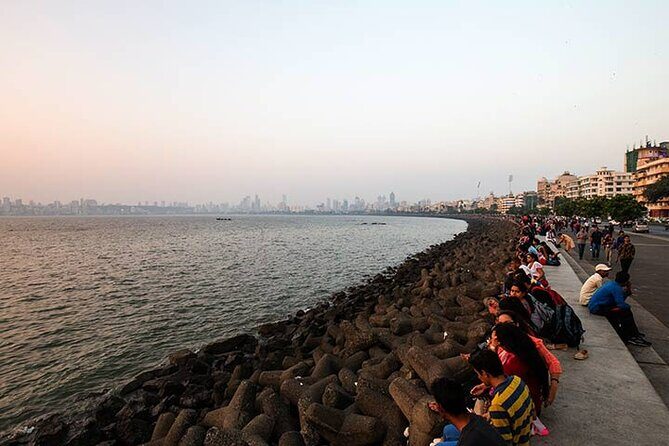
Stop for Marine Drive (about 20 minutes). This is one of those places where you can feel the city’s rhythm at street level, especially when you’re moving between other major landmarks.
Bring some patience for traffic vibes and crowds. This is a popular photo zone, so expect people stepping into your frame.
The Garden and Park Views: Hanging Gardens and Kamala Nehru Park
This part is a calmer break after rail stations and busy streets.
Hanging Gardens: Quick Green Pause
Hanging Gardens gets about 20 minutes, and admission is free. The big value is that it gives your day a change of pace—views, greenery, and a spot where you can pause your feet without giving up the sightseeing.
It’s also a good moment to re-check your bearings. Mumbai’s scale is big, and a scenic viewpoint can help you understand where you are relative to other stops.
Kamala Nehru Park: More Time to Watch the City
Then Kamala Nehru Park, also around 20 minutes, free admission. This is another viewpoint stop. If you like watching how locals move around a public space, you’ll enjoy this as more than just a camera stop.
The guide explains what you’re looking at so you’re not just staring at scenery with no context.
Mani Bhavan Gandhi Museum: The Most Meaningful Stop
If I had to pick a “slow down and pay attention” stop, it’s Mani Bhavan Gandhi Museum. You get about 45 minutes, and admission is included.
This is where Mumbai stops being only about architecture and photos and becomes about a key thread of Indian independence history. The longer time window matters because museum-style stops need more breathing room than a street-corner photo spot.
The guide’s talk helps you connect the dots faster. You’ll see that the museum isn’t just a display—it’s part of a story about Mahatma Gandhi’s time in the city.
If your day is packed with icons, this stop adds weight.
Crawford Market: Where the City Shows Its Teeth
Next is Crawford Market for about 30 minutes, free admission. This is one of those places where you immediately feel the city’s energy.
You’ll be in a market environment, not a quiet museum. That means you may get approached by people trying to sell things or push for attention. A calm, polite no goes a long way.
Still, it’s worth your time if you want to see what “regular Mumbai” feels like. Use the guide to orient you, then keep moving. Don’t let one stall hijack your whole schedule.
Tip for photo lovers: buy nothing just to justify lingering. If you want a photo, take it quickly and move on.
Chhatrapati Shivaji Terminus (CST): The Big Final Architectural Hit
The last major stop is Chhatrapati Shivaji Terminus with about 30 minutes and free admission. This is the sort of place where you can lose time if you’re not careful, so I like that the guide keeps the group moving.
You’ll get enough time for exterior views and a satisfying sense of scale. The guided explanation helps you appreciate the design rather than just taking a generic “I was here” photo.
Since you end back at the original meeting point, this is a good closing stop before your return transfer.
The Guide Experience: Friendly, Responsive, and Story-Driven
The strongest feedback points here revolve around the guide. The style is human, not robotic. People appreciate when the guide is friendly and informative, and when questions are answered without fuss.
One name that comes up in the guide roster is Atik. The value of a guide like that is simple: he ties together what you’re seeing so the day feels like a route with meaning, not a random checklist of famous places.
Also, having someone handle the photo moments is surprisingly helpful. Even just being told where to stand for better angles saves time and stress.
Timing Tips: How to Make Short Stops Work for You
Because each stop is relatively short, your success depends on your strategy.
- Wear comfortable shoes. Some areas involve quick walking and uneven surfaces.
- Keep your camera strap short enough to move fast.
- Don’t try to win a photo contest at every stop. Pick 2 to 3 “must shots” per area.
- Stay near the group. With a coach-based route, missing the timing is the easiest way to ruin the flow.
If you’re coming off a cruise day, you’ll also want to be on time for pickup windows. If the cruise is late or you miss the connection, refunds aren’t offered for that scenario.
Who This Tour Is Best For
This works best if you’re:
- On a port day and want a broad city introduction
- A first-timer who likes landmark hopping with context
- Someone who values an English-speaking guide and included fees
- Traveling with people who want a plan, not a free-for-all
It’s also a smart pick if you dislike spending your limited time in a city figuring out transport between scattered neighborhoods.
If you want slow, deep museum time or long local-market wandering, you might find the stops too brief. But for “see a lot, get oriented, and go back inspired,” it’s a strong fit.
Practical Stuff to Know Before You Go
You’ll ride in an air-conditioned vehicle, which is a real comfort advantage compared to self-guided walking in Mumbai heat.
This experience is designed for most travelers, and the group stays limited. You’ll have a mobile ticket, which usually makes entry smoother at the stops that require tickets.
Good weather matters. If conditions are poor and the tour can’t run as planned, you’ll be offered a different date or a full refund.
If food is part of your sightseeing plan, you’ll need to budget for it yourself. Water and snacks aren’t included.
Should You Book This Mumbai City Tour?
Book it if you want a tight, guided, high-value hits tour in a limited time window. At this price, you’re paying for transportation plus guidance plus a chunk of included admissions, which is exactly what you want on a short shore day.
Skip it (or rethink) if you need lots of free time to wander on your own, or if market environments make you tense. You can still enjoy Crawford Market and Dhobi Ghat, but you’ll want the right mindset: quick, respectful, and ready to move with the group.
If you like practical structure and big-city orientation, this is the kind of tour that helps you understand Mumbai fast—then gives you a clearer idea of where to go next on your own.
FAQ
How long is the Mumbai City Sightseeing Small Group Tour?
It runs for about 5 to 6 hours.
What does the tour cost?
The price is $38.48 per person.
Is port pickup and drop-off included?
Yes, port pickup and drop-off are included. The tour ends back at the meeting point.
What’s included in the tour price?
An English-speaking tour guide, an air-conditioned vehicle, and all fees and taxes are included.
Are any admission tickets included?
Yes. Admission is included for Dhobi Ghat and Mani Bhavan Gandhi Museum. Other stops list free admission.
How many people are in the group?
The tour has a maximum of 16 travelers.