REVIEW · MUMBAI
Private Full-Day Mumbai City Highlights with Markets Tour
Book on Viator →Operated by Pacific Classic Tours India · Bookable on Viator
Mumbai hits hard, fast. This private, full-day route mixes major landmarks with hands-on shopping stops, so you get the best of old Bombay and modern Mumbai without wasting your time on guesswork.
I like that it’s truly private: you get a dedicated local guide and a driver, and you can shape the day around what you care about (more time browsing fabrics, a quicker market lap, a longer museum look). I also love the mix of sights that cover different Mumbai moods: colonial architecture, working waterfront views, and the daily rhythm of Dhobi Ghat.
One consideration: this is a long day (about 8 to 9 hours) packed with drive-pasts and short visits. If you’re aiming for deep, slow sightseeing at every stop, you’ll want to manage expectations and use your guide to prioritize.
In This Review
- Key points worth planning for
- Why this Mumbai markets-and-monuments day works
- Getting around: private pickup that actually saves your day
- Gateway of India: start with a bold colonial arch
- Chhatrapati Shivaji Terminus (CST): the UNESCO Gothic train cathedral
- Mahatma Jyotiba Phule Market (Crawford Market): food energy and spice browsing
- Mangaldas Market: fabric wholesale lanes for serious shoppers
- Zaveri Bazaar: jewelry lanes and gold trading momentum
- Hanging Gardens (Pherozeshah Mehta Gardens): terraced calm and animal hedges
- Mani Bhavan Gandhi Museum: small museum, big ideas
- Dhobi Ghat: see Mumbai’s open-air laundry from the bridge
- Haji Ali Dargah and the High Court: drive-bys with meaning
- Marine Drive: the Queen’s Necklace photo stop
- Price and value: what $177.47 includes and why it mostly works
- Dress code and practical tips for smooth entry
- Who this private tour suits best
- Should you book this Mumbai City Highlights with Markets Tour?
- FAQ
- How long is the Mumbai highlights and markets tour?
- What time does the tour start?
- Is pickup and drop-off included?
- Are any attraction entrance fees included?
- Is this tour private or shared?
- What dress code should I follow?
- Is lunch included?
Key points worth planning for
- Markets + monuments in one day: you shop with context, not as a random shopping sprint
- Private air-conditioned transport: smoother timing across Mumbai traffic
- Photo-ready waterfront stops: Marine Drive and Gateway of India are built for quick magic moments
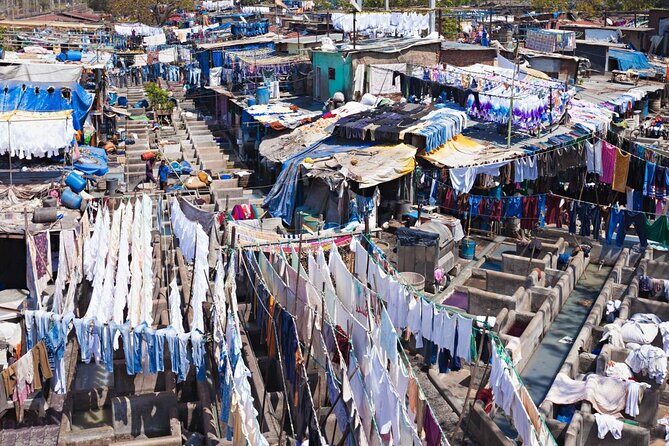
- Dhobi Ghat best-view tip: check the bridge view near Mahalaxmi train station for a clearer look
- Admission mostly free: many stops are ticket-free, with Mani Bhavan being a key paid add-on
- Dress code matters: shoulders and knees covered for places of worship and selected museums
Why this Mumbai markets-and-monuments day works
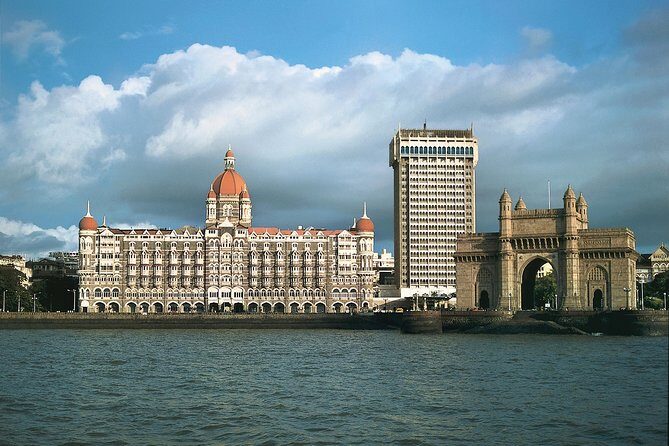
Mumbai can feel like three cities at once: the waterfront and monuments, the food-and-spice markets, and the everyday scenes locals live inside. This tour’s strength is that it doesn’t treat these as separate trips. You move from a UNESCO-listed train terminal to working bazaars, then to Gandhi’s story, then to Dhobi Ghat, all in one logical sweep.
The shopping isn’t just about buying. When you’re standing in Mahatma Jyotiba Phule Market (the former Crawford Market) or inside Mangaldas Market’s fabric lanes, it helps to understand what you’re seeing and why Mumbai built these commercial lanes the way it did. Your guide makes those stops make sense.
If you like travel days that feel efficient without feeling rushed, this fits.
You can also read our reviews of more city tours in Mumbai

Getting around: private pickup that actually saves your day
The tour starts at 8:00 am, with pickup from your hotel, the airport, or a cruise port. You’ll ride in a private air-conditioned vehicle with your guide, and you’ll get bottled water along the way. That matters in Mumbai, where traffic and heat can drain your energy fast.
The other big practical win is flexibility. Because it’s private, your guide can adjust the pace to your group. One example you’ll benefit from is when the tour needs to match your lunch preferences or shopping priorities. In a real case, a guide named Subhalakshmi tailored the day and even coordinated lunch at the Gaylord and later drop-off around FabIndia, which is the kind of convenience that turns a tour into a usable day, not a checklist.
Time is still time, though. Transfers are approximate and depend on day timing and traffic. If you’re arriving late (especially by cruise), you may find some stops feel a bit tighter. A helpful way to handle this: go into the day with “must-see” priorities, so you can tell your guide what matters most.
Gateway of India: start with a bold colonial arch
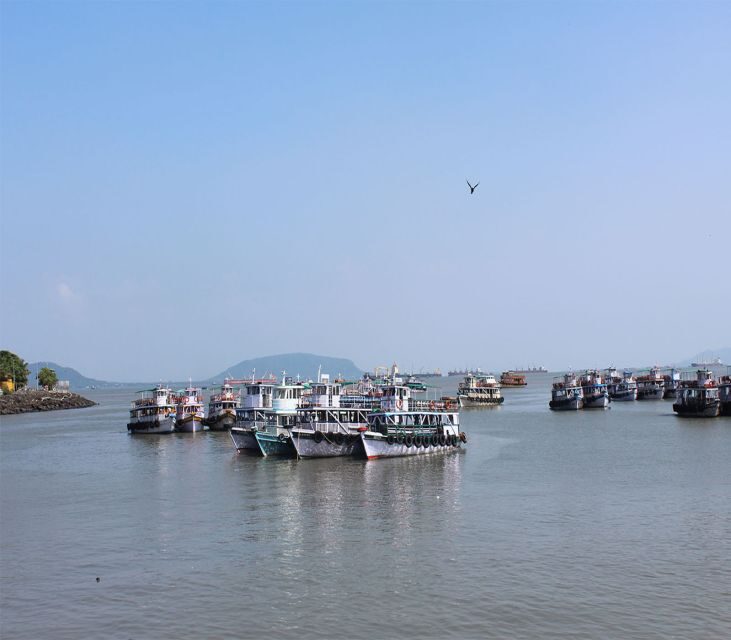
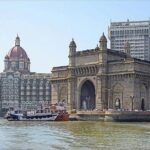
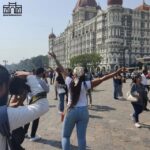
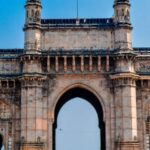
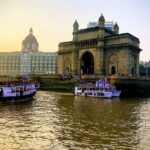
Your first stop is the Gateway of India, a basalt arch built to commemorate the 1911 royal visit of King George V. It faces Mumbai Harbour, so even a short visit gives you a sense of where the city “faces the world.”
This is one of those spots where you don’t need long to get the idea. You’re there to orient yourself—visually and mentally—before the day swings into markets and inland neighborhoods.
Tip: wear comfortable walking shoes. The photo angle is great, but you’ll likely be moving in and around crowds.
Chhatrapati Shivaji Terminus (CST): the UNESCO Gothic train cathedral
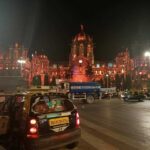
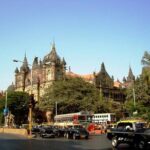
Next comes Chhatrapati Shivaji Maharaj Terminus (CST), the UNESCO-listed Victorian Gothic station that locals still see as a landmark, not just a transit hub. Expect people everywhere. The building is imposing and full of motion—part architecture, part working city.
You’re only stopping for about 30 minutes, so treat it like a “get your bearings and pick your angles” moment. Look up at the massing and details rather than trying to read everything at street level. If you’re into rail history, you’ll appreciate that CST is formerly called the Victoria railway station.
Admission is listed as free for this stop, which is nice because it keeps your day’s costs predictable.
Mahatma Jyotiba Phule Market (Crawford Market): food energy and spice browsing
From monuments to street-level commerce: the day moves into Mahatma Jyotiba Phule Market, formerly known as Crawford Market. It’s described as the largest market in Mumbai, and it’s known for fresh trading—fruit and vegetables, plus meat and fish.
If you like shopping with senses switched on, this is a strong stop. Even if you’re not buying much, you’ll see how Mumbai’s food supply and daily consumption shows up right in the open. It’s also a good place to stock up on spices if that’s on your plan.
The practical drawback is simple: markets like this can get crowded. Give yourself room to step aside when needed, and let your guide handle any negotiation or pacing if you’re trying to compare prices.
Expect about 1 hour here.
You can also read our reviews of more private tours in Mumbai



Mangaldas Market: fabric wholesale lanes for serious shoppers
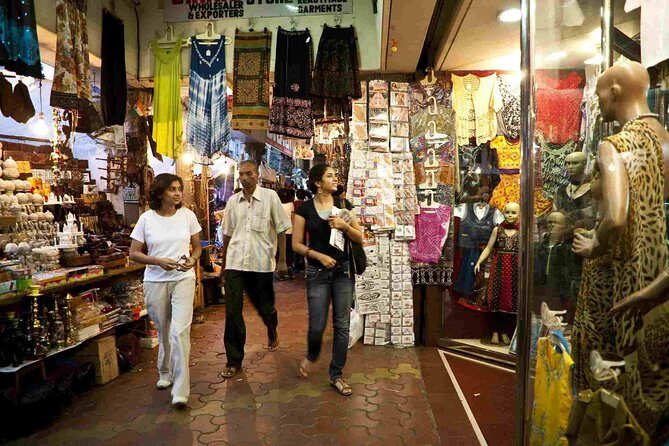
Then you shift into a different kind of market: Mangaldas Market. This is Mumbai’s fabric wholesale zone, with over 100 garment and fabric shops spread across nine narrow lanes.
If you’ve ever tried to shop textiles in a big city, you know this can be overwhelming. The value of doing it with a guide is that you’re not just wandering. You can focus on what you want—suit fabric, silk material, and the kinds of textile choices you’d otherwise miss.
This stop is also described as indoor, which helps if your day is hot or hazy. Expect about 1 hour.
Zaveri Bazaar: jewelry lanes and gold trading momentum
Next: Zaveri Bazaar, a maze of narrow lanes lined with jewelry shops. It’s famous for everything from precious pieces to artificial ones, and the description estimates this area as a source of 65% of India’s gold trading.
Even if you don’t plan to buy, you’ll learn a lot standing inside those lanes. Jewelry in India isn’t just decoration; it’s tied to wealth, family traditions, and celebration. Seeing how concentrated the trade is here helps you understand why this is such a big deal in Mumbai.
This stop is about 1 hour. Wear the same strategy as with other markets: keep your valuables secure, move slowly through the lanes, and ask your guide for the best route if you feel like you’re getting tangled.
Hanging Gardens (Pherozeshah Mehta Gardens): terraced calm and animal hedges
After lunch on your own, you head to the Hanging Gardens, also known as Pherozeshah Mehta Gardens, perched at the top of Malabar Hill. You get terraced gardens, hedges carved into animal shapes, and—on a clear day—views out toward the Arabian Sea.
This stop also gives the day a needed reset. Markets are active; Dhobi Ghat is intense; a garden stop lets your body slow down for a minute.
You’re there about 30 minutes, so focus on walking the terraces and catching the viewpoints rather than expecting a full botanical experience.
A timing note: because the gardens can be viewpoint-driven, you’ll likely enjoy the stop more if you’re ready to pause for photos when the view opens up.
Mani Bhavan Gandhi Museum: small museum, big ideas
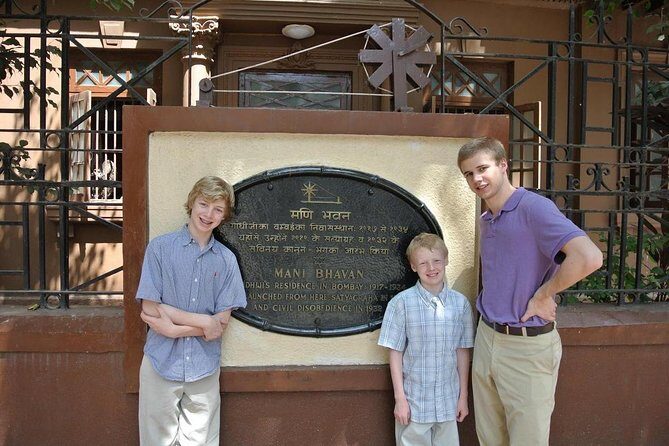
Then you’ll visit Mani Bhavan Gandhi Museum (about 1 hour), where Gandhi lived during visits to Bombay from 1917 to 1934. This is an excellent contrast to the markets: it’s quiet, personal, and focused.
The museum includes Gandhi’s personal room and a photographic record of his life, plus exhibits like dioramas and documents. The description even points to letters he wrote to Adolf Hitler and Franklin D Roosevelt, and tributes from Ho Chi Minh and Albert Einstein.
Admission here is not included, so it’s a paid add-on compared with many other free stops. Still, it’s the kind of place that turns famous names into something human. If your group wants to understand the city beyond landmarks and commerce, this is the stop that gives it depth.
Dress code applies here too. Keep knees and shoulders covered to avoid entry problems.
Dhobi Ghat: see Mumbai’s open-air laundry from the bridge
One of the most memorable parts of the day is Mahalaxmi Dhobi Ghat, described as the world’s largest unmechanized laundry facility and a 140-year-old washing place. This isn’t a staged attraction. It’s a working system, with dhobis washing thousands of garments daily.
What’s especially useful is the way the stop is framed for viewing. The best viewpoint is from the bridge across the railway tracks near Mahalaxmi train station. From there, you can watch the open-air pens and see how the washing happens across those long troughs.
Expect about 15 minutes at Dhobi Ghat. That sounds short, but it’s the right length if you’re also hitting multiple other landmarks afterward. You’ll get the core picture: the movement, the scale, the intensity of the work.
A practical consideration: because it’s a working area, respect the space and keep your attention on safety. This is one of those stops where you can get caught up filming and forget to step back when people are moving through.
Haji Ali Dargah and the High Court: drive-bys with meaning
Two landmarks are “drive pass” moments, but they’re still worth paying attention to.
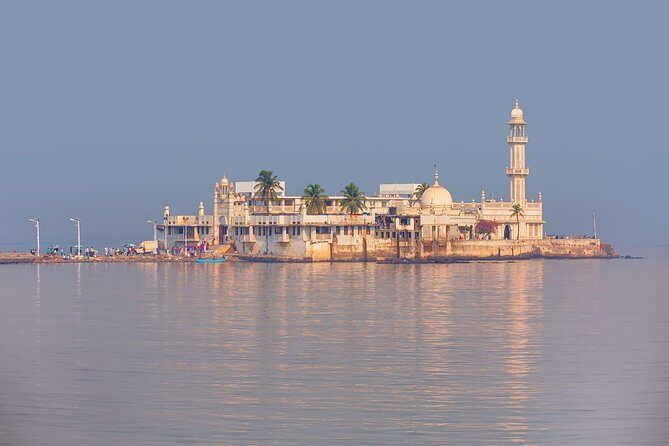
Haji Ali Dargah is an Indo-Islamic shrine on an offshore inlet, built in the 19th century, with the tomb of the Muslim saint Pir Haji Ali Shah Bukhari. The description calls it a sacred mirage from offshore. From the road, you’re mostly getting the sight-line impact rather than a long visit.
Next is the High Court, described as a newly UNESCO-recognized building: an elegant 1848 neo-Gothic structure designed with inspiration from a German castle, intended to assert authority.
Even as drive passes, these stops add layers to the day. They show you that Mumbai’s architecture isn’t one-style colonial leftovers. It’s a set of competing influences and ambitions that still shapes how people move through the city.
Marine Drive: the Queen’s Necklace photo stop
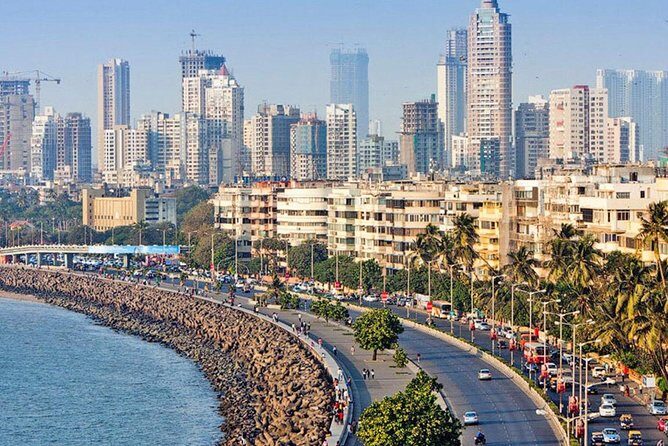
Finish strong with Marine Drive, one of Mumbai’s best-known promenades along the bay. It’s lined with art deco apartments, and at night its lights earned the nickname the Queen’s Necklace.
You’ll get about 15 minutes for photos, and it’s not a time sink. It’s more about grabbing the iconic look and letting the day click into place: markets, history, working life, then that waterfront glow.
Tip: if the light is good, prioritize the side angles that show the curve of the road. If you can’t get that perfect shot, don’t stress. The whole point is a quick, satisfying final postcard.
Price and value: what $177.47 includes and why it mostly works
At $177.47 per person for about 8 to 9 hours, this isn’t a budget sampler. But it also isn’t expensive when you compare what’s included: round-trip pickup and drop-off, private air-conditioned transport, a professional local private guide, and bottled water.
The value gets better because many major stops are listed with free admission tickets (Gateway of India, CST, Mahatma Jyotiba Phule Market, Mangaldas Market, Zaveri Bazaar, Hanging Gardens, Dhobi Ghat, Marine Drive). The big paid exception called out is Mani Bhavan Gandhi Museum, which is not included.
So you’re mostly paying for:
- time saved with a private driver through traffic
- a guide to make markets and architecture understandable
- a route that hits multiple signature sights without you planning it hour by hour
If you’re solo, couples shopping, or a family that wants comfort and short walking bursts between stops, this pricing can make sense. If you only care about one or two landmarks and you’re comfortable navigating on your own, you might find cheaper options. But if your goal is “see the key Mumbai highlights with shopping,” this is built for that.
Dress code and practical tips for smooth entry
One important detail is the dress code: for places of worship and selected museums, no shorts or sleeveless tops. Knees and shoulders must be covered for both men and women. If you don’t comply, you may risk refused entry.
This matters most for stops like Mani Bhavan and also for anything connected to religious sites like Haji Ali Dargah (even if it’s a drive pass, your guide will likely have cues for what areas you can access).
Also plan for heat and walking. The day includes multiple short walking segments in markets and at viewpoints. Choose breathable layers that still cover your shoulders and can cover your knees if needed.
If you want shopping flexibility, bring a small day bag or zip pouch for valuables. Market lanes can be tight, and you’ll want your phone and wallet secured.
Who this private tour suits best
This tour is a great fit if you:
- want Mumbai highlights plus market shopping in one day
- prefer private comfort over crowded group transport
- like learning how places work, not just taking pictures
- want a realistic itinerary that doesn’t require you to plan every turn
It may be less ideal if you:
- want a slow museum-only day
- hate crowd situations (CST and jewelry markets can be busy)
- need lots of time at Dhobi Ghat beyond quick viewing
Best approach: treat each stop as a chapter. You’ll leave with a full picture of Mumbai’s contrasts, without getting stuck in one neighborhood all day.
Should you book this Mumbai City Highlights with Markets Tour?
Yes, I’d book it if your schedule is limited and you want a day that actually covers the big visual markers of Mumbai—Gateway of India, CST, major markets, Dhobi Ghat, and Marine Drive—with transport that keeps you moving comfortably.
Skip it only if you’re set on slow pacing at every stop or you’re only interested in a single theme (like only architecture, only shopping, or only Gandhi). Otherwise, this kind of private route is one of the smartest ways to see Mumbai fast while still making sense of what you’re looking at.
If you do book, go in with a short list: what you most want to see (markets, Dhobi Ghat views, or Mani Bhavan), and ask your guide to pace the day around that list. That’s where the real value shows.
FAQ
How long is the Mumbai highlights and markets tour?
It runs about 8 to 9 hours.
What time does the tour start?
The start time is 8:00 am.
Is pickup and drop-off included?
Yes. Pickup and drop-off are included from your hotel, Mumbai airport, or cruise port.
Are any attraction entrance fees included?
Many stops are listed as free. Mani Bhavan Gandhi Museum is not included.
Is this tour private or shared?
This is a private tour/activity, and only your group participates.
What dress code should I follow?
For places of worship and selected museums, you need shoulders and knees covered. No shorts or sleeveless tops.
Is lunch included?
No. Food and drinks are not included, and lunch is on your own.