Spice lessons in a real Mumbai home. This private class is a hands-on way to learn Punjabi vegetarian cooking with Shilpa, and I loved how clearly she teaches the steps and how she explains flavor pairing so the food tastes right, not just looks right. The main drawback is the menu is seasonal, so if you have a must-cook dish, message her in advance.
The experience runs about 2 hours and you can choose lunchtime or dinnertime. Shilpa keeps it vegetarian, can do a full vegan meal on request, and you’ll sit down to eat what you cook in a warm, home-style setting.
In This Review
- Key highlights you’ll care about
- Why Punjabi vegetarian cooking feels like a culture class
- Meet Shilpa in a Mumbai home near Five Gardens
- The 2-hour format: lunchtime vs dinnertime
- Roti or paratha: learn the bread basics by doing
- Paneer makhni and dal: sauces, lentils, and real flavor pairing
- How the meal becomes a Punjabi thali spread
- Vegan options and seasonal menu planning
- A quick market-style look at spices and ingredients
- Value at $53.34: what you get for the money
- Should you book this private vegetarian class in Mumbai?
- FAQ
- How long is the cooking class?
- Is this a private experience?
- What food and drinks are included?
- Can the menu be made vegan?
- What dishes will we learn to make?
- Where does the class start?
- What is the cancellation policy?
Key highlights you’ll care about
- Punjabi dishes from scratch like roti or paratha, paneer makhni, and dal
- Flavor pairing explained as you cook and then again while you eat
- Vegetarian only, vegan available when you ask ahead
- Food, water, and a local beer glass included with your meal
- Private group experience in a real Mumbai home near Five Gardens
Why Punjabi vegetarian cooking feels like a culture class
If you only eat Indian food on the street, you learn flavors. If you cook it in someone’s home, you learn logic. That’s what I like about this Mumbai class: it focuses on Punjabi comfort food and teaches you what goes together and why. You’ll make flatbread (roti or paratha), then move into curries like paneer makhni and lentils (dal), plus rice and Indian breads. It’s practical cooking, not a demo you watch from the sidelines.
I also appreciate the way Shilpa connects dishes to taste. When she explains how each item fits with the next bite, it helps you repeat the results later. It’s the difference between copying a recipe and understanding a meal.
One more thing: because it’s vegetarian, you still get plenty of depth—cheese, lentils, tomatoes, spices, and breads all work hard here. If you’re looking for a food lesson that doesn’t require you to eat meat to enjoy it, you’ll likely be in the right place.
You can also read our reviews of more private tours in Mumbai



Meet Shilpa in a Mumbai home near Five Gardens
You meet at Indu Villa, Plot No Five Garden, 602-C, Lady Jehangir Rd, Matunga East, Mumbai, Maharashtra 400019. It’s described as near public transportation, which matters in a city like Mumbai where schedules can get chaotic fast.
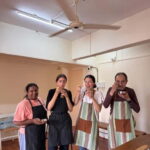
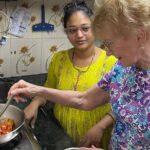
What makes this feel different is that you’re not cooking in a studio kitchen. You’re in a local home environment, which usually means two things: the pace is relaxed, and you’ll see the cooking as it’s done day-to-day. Shilpa is from Punjab and shares stories about the food and lifestyle across different parts of Punjab—those little context pieces make the dishes feel less random.
The class ends back at the meeting point, so you don’t have to plan a second hop across town.
If you’re hoping for a big “tour bus” vibe, this won’t be that. But if you want real conversation and real cooking, this format is exactly the point.
The 2-hour format: lunchtime vs dinnertime
You get about 2 hours (approx.), and you can choose lunchtime or dinnertime. That choice affects your expectations more than you might think.
Lunch sessions are great if you want your meal done while the rest of your afternoon stays open—perfect for pairing with museum time, a market browse, or a slower evening. Dinnertime tends to feel more like a full sit-down meal from the start, which can be comforting if you like your food experience to end with a proper table.
Shilpa is also flexible with the start time if you ask in advance via WhatsApp. If you’re juggling a tight Mumbai itinerary, that flexibility helps.
A practical tip: since the menu is seasonal and vegetarian/vegan options require a heads-up, plan your messaging early—ideally before you arrive, not after you’re hungry and ready to lock in your preferences.
Roti or paratha: learn the bread basics by doing
Flatbread is where a lot of cooking classes shortcut. Here, you’ll learn to make roti or paratha the traditional way. That wording matters. You’re not just assembling ingredients; you’re practicing technique with your hands, watching Shilpa’s process, and getting guidance as you work.
You can think of this portion as your foundation. If you learn bread properly, you’ll understand how the rest of the meal behaves—how curry clings, how bites balance, and how you build a satisfying mouthful.
In the class, you’ll also eat the dishes you make. That means bread isn’t a side quest. It’s part of the main meal structure, and you’ll get immediate feedback from your own results while you sit down to eat.
One more note: since the bread choice is roti or paratha, your exact menu may vary. If you care a lot about one style, contact Shilpa in advance so she can steer the session toward your preference.
Paneer makhni and dal: sauces, lentils, and real flavor pairing
The heart of Punjabi vegetarian cooking is the mix of spice, fat, and comfort textures—and this class focuses on that sweet spot. You’ll learn paneer makhni and dal, and you’ll eat them with rice and Indian breads.
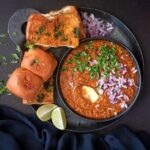
Paneer makhni is fresh cheese in tomato gravy, and it’s the kind of dish that can go from bland to wonderful depending on balance. In a class setting, that balance is exactly what you should focus on: how tomato and dairy work together, how spice levels feel when they mellow in sauce, and what you taste for as the dish comes together.
Dal teaches a different lesson. Lentils need time and attention, and they’re also a flavor vehicle. When Shilpa explains the pairing—what should happen next on your plate—you’ll start thinking like a cook, not like a spectator.
What I liked most is that she pairs instruction with a meal mindset. You’re learning so you can eat right after, and she’ll explain how the combination brings out each dish’s taste. That helps you recreate the idea later, even if you don’t repeat the exact same ingredients.
You can also read our reviews of more cooking classes in Mumbai

How the meal becomes a Punjabi thali spread
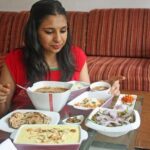
At some point you’ll stop cooking and start eating, and that’s when the class makes full sense. Shilpa sits you down to share the meal and walks you through why the dishes work together. It’s a mini lesson in building a plate, not just consuming food.
In practice, a Punjabi spread is about contrast: bread for scooping and structure, curries for sauce and warmth, dal for comfort and body, and rice for softness. The class approach makes you experience those contrasts in real time, because you made the food yourself.
This is also where the vegetarian angle pays off. A meat-based meal can hide mistakes with salt and fat. With vegetarian cooking, you notice balance more. When it’s done well—as it is here—you get layered flavor without relying on meat.
If you’re someone who wants to leave with memories and also the practical ability to cook again at home, this meal portion is the payoff. You’re not just fed; you’re taught how to assemble bites.
Vegan options and seasonal menu planning
Shilpa offers only vegetarian food. The good news: she can also do a complete vegan meal on request. If vegan is important to you, don’t wait until the last second. Tell her your dietary needs in advance so she can plan what you cook.
The menu is seasonal, which is both a benefit and a small planning issue. It’s a benefit because you’re more likely to cook ingredients that are fresh and available, and the flavors can reflect what’s in season. The drawback is that you might not get the exact dish you’re picturing.
If there’s something specific you want to learn, reach out to Shilpa in advance. She’s flexible about start time too, but the bigger win is flexibility on the menu when she has time to prepare.
If you want the safest bet for satisfaction: go with the dishes listed (roti/paratha, paneer makhni, dal) and treat them as the core focus. That way, even if the final seasonal twist shifts slightly, you’ll still leave with the skills the class is built around.
A quick market-style look at spices and ingredients
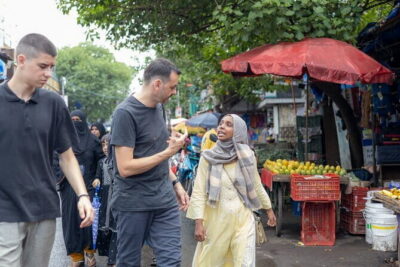
One of the standout details from the experience is how much Shilpa talks about ingredients beyond the cooking steps. In at least some sessions, she takes you on a quick trip to a local grocery, then explains vegetables, spices, oils, tea, rice, and other basics.
That matters because Indian cooking is ingredient-driven. You can follow a recipe and still miss the result if you use the wrong spice strength or the wrong type of lentil. Even if you never buy everything you see in Mumbai again, you’ll leave with a clearer sense of what to look for.
Use this part of the class as your shopping checklist for home. When you get back to your own kitchen, you’ll remember what Shilpa called out and why it matters. That’s how a cooking class turns into a long-term skill, not a single meal.
Value at $53.34: what you get for the money
At $53.34 per person for about 2 hours, this class is priced like a serious, guided experience—not a quick taste-and-leave situation. Here’s why it can feel like good value:
- It’s private for your group, which usually means more attention while you cook.
- You don’t just watch. You learn to make multiple dishes: flatbread, paneer makhni, and dal, plus you eat them.
- Food, water, and a glass of local beer are included, so you’re not piecing together extra meal costs.
- There are group discounts available, which can lower the per-person hit for friends or couples.
- You get a mobile ticket, which helps you avoid paper-chasing.
Where you should be honest with yourself: if you only want a casual snack or you’re not interested in technique, this might feel like more than you need. But if you want a real cooking skill and a meal you can actually recreate, the price starts to look very fair.
Should you book this private vegetarian class in Mumbai?
I’d book it if you fit any of these:
- You like Punjabi food or want to learn why it tastes the way it does.
- You’re vegetarian and want a focused class, with vegan possible on request.
- You’d rather cook with a home-style host than follow a generic recipe online.
- You want a calm, guided experience near Five Gardens without extra city logistics.
You might skip it if:
- You only want guaranteed specific dishes and won’t message in advance about the seasonal menu.
- You want a large-scale “sightseeing” day. This is a food-first experience.
Bottom line: if you want to leave Mumbai with practical cooking confidence, this is one of the better ways to do it. Shilpa’s teaching style and the fact that you cook, eat, and learn the flavor logic makes it feel worth your time.
FAQ
How long is the cooking class?
The class is about 2 hours (approx.).
Is this a private experience?
Yes. It’s private, and only your group participates.
What food and drinks are included?
Food and water are provided, and you also get a glass of local beer.
Can the menu be made vegan?
Yes. Shilpa offers vegetarian food, and she can do a complete vegan meal on request.
What dishes will we learn to make?
You’ll learn to make roti or paratha (flatbread), paneer makhni (fresh cheese in tomato gravy), and dal (lentils). You’ll also eat these with rice and Indian breads.
Where does the class start?
The start point is Indu Villa, Plot No Five Garden, 602-C, Lady Jehangir Rd, Matunga East, Mumbai, Maharashtra 400019, India.
What is the cancellation policy?
Free cancellation is available. You can cancel up to 24 hours in advance for a full refund. Canceling less than 24 hours before the start time is not refundable.