REVIEW · MUMBAI
Indian Curry 5-Hour Cooking Classes In Mumbai
Book on Viator →Operated by Young Tours And Travel · Bookable on Viator
A home invite is the real recipe. In Mumbai you cook Indian dishes with a chef in their home kitchen, then eat what you make for lunch with roundtrip transport.
I like the personal attention you get from a private instructor—names like Deepika, Rahul, and Harsha show up in how guests describe the teaching. I also love the menu flexibility, with popular options like Chicken Tikka, fish curry, Hyderabadi biryani, khichdi, chapati, cumin rice, and a sweet.
One consideration: the total experience is about 5 hours, but only around 3 hours are hands-on cooking; the rest is pickup and drop-off.
In This Review
- Key things I’d circle before you book
- Why This Mumbai Curry Class Feels More Like Visiting Than Learning
- The Dishes You’ll Cook (And How Much Choice You Really Get)
- Inside a Local Home Kitchen: What the 5-Hour Day Looks Like
- Your Chef and Hosts: The Human Part That People Rave About
- Learning Indian Cooking the Practical Way: Techniques You Can Reuse
- The Lunch Part: Eating Your Work Changes the Whole Day
- The Pottery Add-On: A Small Stop With Big Side Value
- Price and Value: Is $59 a Fair Deal for Mumbai?
- Who This Class Is Best For (And Who Should Choose Something Else)
- Tips So You Leave With Real Skills (Not Just Memories)
- Should You Book This Mumbai Indian Curry Cooking Class?
- FAQ
- How long is the Indian curry cooking class in Mumbai?
- What dishes will I learn to cook?
- Can I customize the menu?
- Is pickup and drop-off included?
- Is this a private experience?
- Is free cancellation available?
Key things I’d circle before you book
- Hands-on cooking time is the real prize, with about 3 hours in the kitchen
- You eat your results for lunch, so the meal isn’t an afterthought
- Private, chef-led instruction means you can ask questions and adjust your pace
- Menu choices are part of the experience, including savory mains, breads, and rice
- A pottery visit adds local texture—you can watch potters make pieces by hand
- A family-style welcome shows up again and again in what people loved most
Why This Mumbai Curry Class Feels More Like Visiting Than Learning
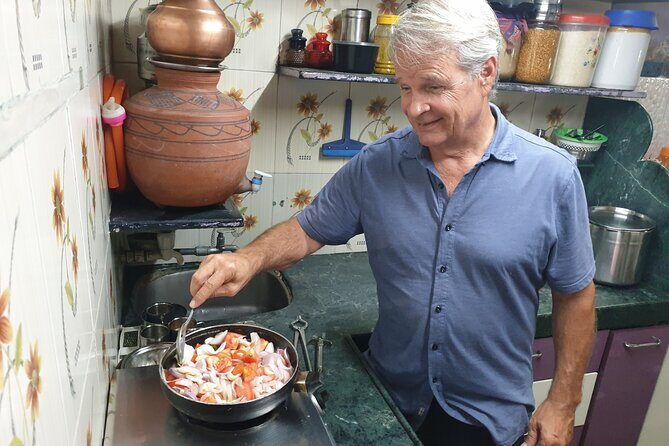
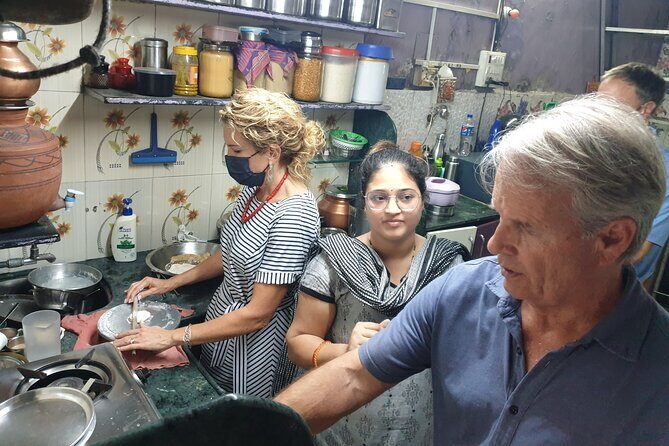
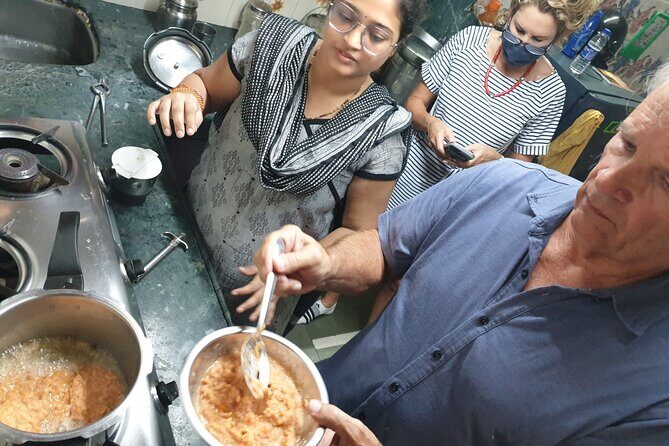
This kind of class works because you’re not stuck in a demo chair. You’re in a real home kitchen, learning while you work, then sitting down to a lunch you cooked yourself. That turns “how do I make this?” into “I just made this,” which sticks fast.
I also like that the experience is built around personal attention. It’s private, so it’s just your group in the session, and you can get help when a spice mix feels too strong or your dough isn’t cooperating yet. It’s the opposite of a rushed, cookie-cutter class.
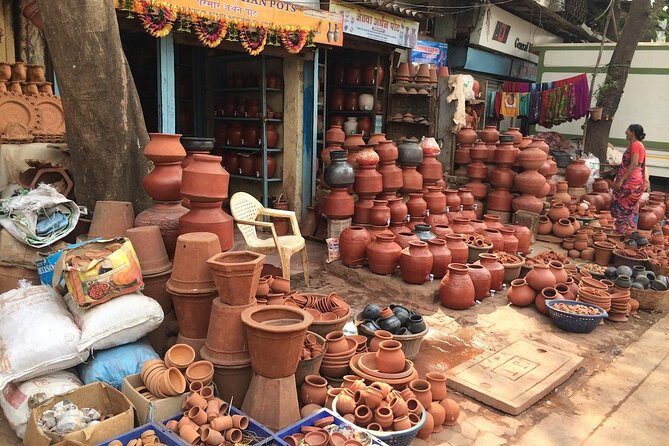
One more thing: the experience includes more than just cooking. You get a chance to explore a pottery area where you can see how potters make beautiful items by hand. That small detour makes the day feel rooted in the neighborhood, not packaged as a stand-alone activity.
You can also read our reviews of more cooking classes in Mumbai

The Dishes You’ll Cook (And How Much Choice You Really Get)
The menu is where this class becomes personal. You’ll cook several Indian dishes, and you can customize what you make to your taste. The common set of options includes chicken tikka masala, fish curry, Hyderabadi biryani, khichdi, egg curry, chapati, cumin rice, and a sweet.
Here’s the smart way to think about this: you’ll likely choose a mix that covers the main flavors and textures of Indian cooking—something saucy (like a curry), something spiced and aromatic (like biryani), a bread (chapati), and a rice side (cumin rice). Then you’ll add something sweet at the end.
Also, don’t expect one single dish to dominate the whole day. Even with only about 3 hours of cooking, the format is designed so you leave with a set of practical skills: spice layering, getting your gravy consistency right, and cooking bread or rice so it’s not just “made,” but actually good.
Inside a Local Home Kitchen: What the 5-Hour Day Looks Like
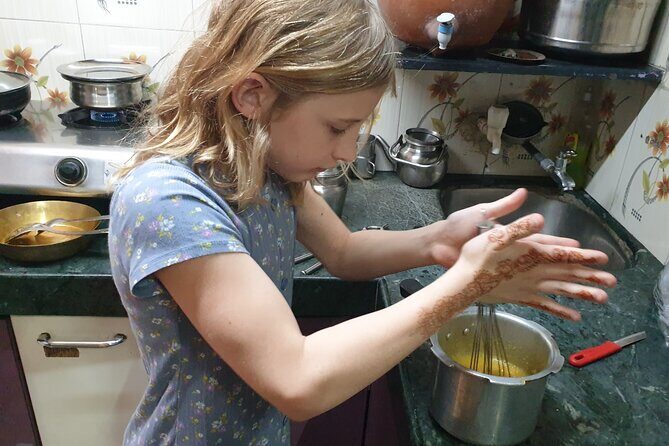
Even though the experience runs about 5 hours, you should plan for the rhythm of a city day: transit comes first. The guidance is that roughly 3 hours are cooking, and the remaining 2 hours are used for pickup and drop-off.
Once you arrive, the day tends to follow a simple flow:
- You meet your chef and get oriented to the kitchen and ingredients
- You start cooking in stages, with hands-on help when you need it
- You finish by eating the lunch you made
That makes the timing more valuable than it sounds. You’re not wasting time waiting for a lecture. You’re working, tasting, adjusting, and learning what changes when you tweak spices or heat levels.
One detail that can affect your comfort: the class happens in a local neighborhood home setting. A few people specifically noted how authentic the setting felt, including when it’s located in tighter local areas. If you like your experiences “comfortable and polished,” this might feel more real—and a bit more plain—than you expect.
Your Chef and Hosts: The Human Part That People Rave About
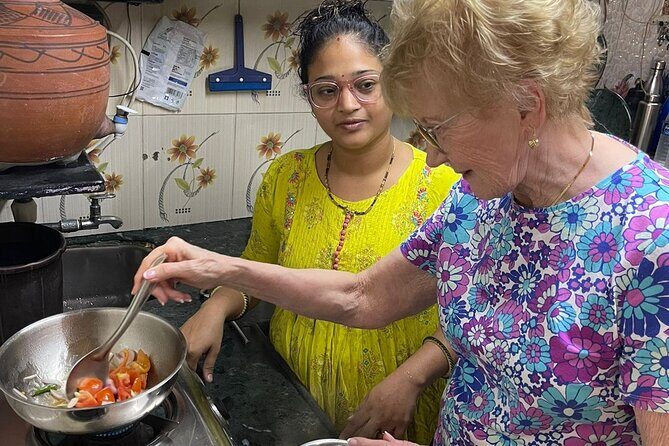
This is where the reviews really line up. People consistently mention a warm, welcoming feel—like being invited into a family routine rather than visiting a classroom. Names that show up in how guests describe their instructors and hosts include Deepika, Rahul, Harsha, Hardik, Nashrah, and Noory.
What matters for you is not the name. It’s the teaching style. Guests talk about hosts helping during the cooking, and guides being entertaining and informative in a way that makes Indian living feel understandable, not mysterious. Many also mention there’s little to no language barrier, which is huge in a cooking class where “a pinch” still needs to land at the right moment.
If you go in curious—asking why a spice is added when it is, or what texture to aim for—you’ll get a lot more out of the session. Private classes reward the people who treat it like a conversation.
Learning Indian Cooking the Practical Way: Techniques You Can Reuse
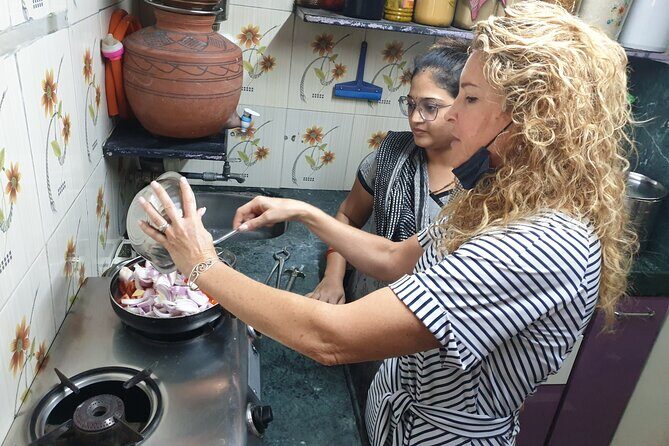
You’re not just collecting recipes. You’re learning how to make Indian food work on your stove later, which is the point of a home-based class.
The teaching centers on:
- Methods and ingredient logic, like how spice blends change when cooked at different heat levels
- Regional cuisine context, including the cultural significance of different regional styles
- Hands-on steps for building flavor across curry, biryani-style rice, breads, and finishing sweets
You’ll likely cover enough variety to understand a pattern: Indian dishes often rely on a mix of aromatics (onion/ginger/garlic style foundations), layered spices, and a sauce or cooking environment that sets the final texture.
And because you’re cooking more than one item, you’ll see how the same spice ideas show up in different ways. A curry might highlight gravy and balance. Chapati focuses on dough handling and heat control. Rice teaches you timing and texture—so it’s not mush or dry.
That’s the kind of skill that survives a vacation. You’ll remember what you did, not just the name of the dish.
You can also read our reviews of more tours and experiences in Mumbai





The Lunch Part: Eating Your Work Changes the Whole Day
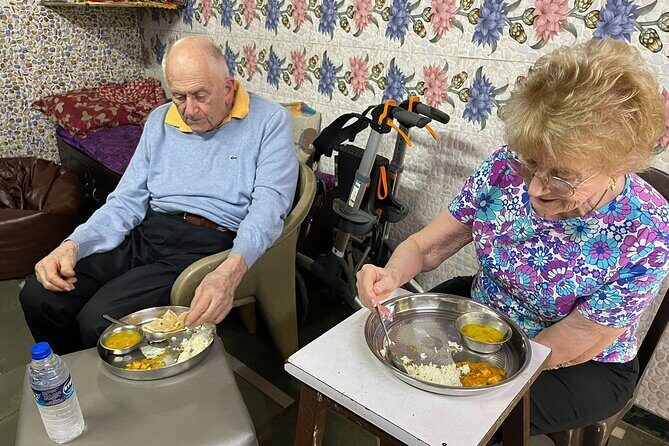
In many cooking classes, the meal is a token tasting. Here, lunch is the payoff. You cook multiple dishes and then eat the results.
That sounds basic until you do the math. If you’re going to spend 5 hours in a kitchen, the value drops fast if you only taste a bite or two. But in this format, your lunch is substantial. It’s also a built-in “quality check”: if something feels off while you’re cooking, you have a chance to correct your approach before the meal lands.
This also makes the class feel satisfying in a sensory way. Curry and breads smell like something real. Spices aren’t just words. And when you sit down, you can notice what tastes balanced versus what tastes flat.
The Pottery Add-On: A Small Stop With Big Side Value
One unique feature here is the opportunity to explore a pottery area. You’ll see how potters create beautiful pieces by hand.
You might wonder why pottery belongs in a curry day. The answer is simple: it helps you broaden the picture of everyday Mumbai beyond food alone. You’re not just learning a dish; you’re getting a glimpse of how craft and daily life connect in local neighborhoods.
Also, it gives your brain a break. After a few hours of stirring, simmering, rolling, and tasting, a short, visual craft visit feels like a reset.
Price and Value: Is $59 a Fair Deal for Mumbai?
At $59 per person, this class sits in the “value if you actually cook” category. The price makes sense when you look at what’s included:
- Private instruction
- Pickup and round-trip transportation
- A home-cooked lunch tied to what you make
- A pottery-area visit
The part to watch is that the total duration is 5 hours, but real kitchen time is about 3 hours. If your goal is maximum hands-on cooking with minimal transit, you’re still getting a solid portion of the day in the kitchen. But if you want an all-day food workshop, you may find it a bit short.
Where it becomes great value is when you’re the type of person who likes to learn by doing. If you’re more of a “watch and snack” learner, you might not feel as satisfied. But if you want skills you can repeat, this setup is exactly the right length.
Group discounts can also help if you’re coming with friends. And since you’ll use a mobile ticket, you’re not dealing with paper hassles mid-trip.
Who This Class Is Best For (And Who Should Choose Something Else)

This experience fits best if you want:
- A hands-on Indian cooking class, not a lecture
- A home-style cultural encounter, with a real chef and hosts
- A day that ends with a full lunch and a local craft stop
It’s also a good option for couples or small groups because it’s private to your group, so you won’t be squeezed into a giant crowd.
You might consider a different option if:
- You hate transit time and don’t want your day split between pickup/drop-off and cooking
- You’re very sensitive to basic local neighborhood surroundings (the authenticity can come with less polish)
Tips So You Leave With Real Skills (Not Just Memories)
If you want this class to pay off later, do a few simple things:
- Take notes on the spice mix steps and timing when you add spices
- Ask what to do if the gravy is too thick or too thin
- Taste during cooking, not only at the end—then note what changed
Also, if your menu is customizable, think strategically. Pick combinations that cover techniques: one curry, one bread or rice item, and one dessert. That gives you the widest set of skills for the effort you’ll put in.
Finally, be ready for a friendly, social atmosphere. People mention a family feel and an inviting vibe where conversation happens while you cook. Go in with curiosity, and you’ll get more than a list of recipes.
Should You Book This Mumbai Indian Curry Cooking Class?
I’d book it if you want a true home-kitchen experience with practical instruction and a lunch that’s more than a snack. The private attention, the chance to cook multiple dishes (including chapati and biryani-style rice options), and the pottery-area stop make it feel like a full cultural afternoon, not just a cooking demonstration.
If you’re choosing between options, weigh one point carefully: you only get about 3 hours of kitchen time. For most people, that’s a good balance. For those who want a long, slow deep-learning session, you may feel the clock move quickly.
FAQ
How long is the Indian curry cooking class in Mumbai?
The class runs about 5 hours total, with around 3 hours of cooking time and the rest used for pickup and drop-off.
What dishes will I learn to cook?
You’ll cook several Indian dishes. Options include chicken tikka masala, fish curry, Hyderabadi biryani, khichdi, egg curry, chapati, cumin rice, and a sweet.
Can I customize the menu?
Yes. The menu can be customized to your taste, and you’ll receive the menu details in advance.
Is pickup and drop-off included?
Yes. Roundtrip transportation from your accommodation is included.
Is this a private experience?
Yes. It’s a private tour/activity, and only your group participates.
Is free cancellation available?
Yes. You can cancel for a full refund up to 24 hours in advance of the experience start time.