REVIEW · MUMBAI
Mumbai Coastal Cooking: From Fishing Net to Flavourful Plate
Book on GetYourGuide →Operated by Explore Mumbai Tours · Bookable on GetYourGuide
Fish markets and cooking lessons in one trip. You’ll hop on a tuk-tuk into Mumbai’s oldest fishing village, then follow the work-from-the-coast trail right to your plate.
I love the hands-on cooking at a real fisherman’s home, guided in English by hosts like Kavita, and often Ravi too. I also like the people-first stops: you’ll meet fisherwomen in colorful sarees at the fish market and see how nets and boats shape what ends up on dinner. One thing to consider: access restrictions can occasionally block the village visit, and the day may shift into more cooking at the home instead.
In This Review
- Key Things You’ll Really Get From This Tour
- From Tuk-Tuk Drop-Off to a Working Waterfront Mindset
- Visiting Mumbai’s Oldest Fishing Village (and the British-Era Detail)
- A possible hiccup: village access restrictions
- The Beach Stop Where You See Nets in Action
- Fish Market Time: How Real Fisherwomen Shape the Menu
- Want a tip for market questions?
- Cooking at a Fisherman’s Home: Where the Lesson Becomes Personal
- The home conversation side matters
- What You’ll Cook: Fish Curry, Mandeli, Bread, and Sour-Spicy Drinks
- A practical way to take it home
- Price and Time: Is $21 a Good Deal for This Kind of Meal Lesson?
- Who Should Book This Tour (and Who Might Not Love It)
- Should You Book Mumbai Coastal Cooking?
- FAQ
- How long is the Mumbai Coastal Cooking experience?
- What does the tour cost?
- What is included in the experience?
- Is this tour private?
- What language is the host or greeter?
- What will I cook or learn during the class?
- Will I see the fishing process?
- Where do I meet the guide?
- Is there free cancellation or pay later options?
Key Things You’ll Really Get From This Tour
- Tuk-tuk to the coast: get out of the tourist lane and into working waterfront life fast
- Net-weaving and traditional fishing techniques: see the process behind the seafood, not just the result
- Fish market encounters: watch how the day’s catch gets chosen, sold, and handled
- Market-to-kitchen cooking: you’ll learn Mumbai-style seafood dishes you can actually repeat later
- A home-cooked lesson with English guidance: hosts like Kavita and Ravi help you step by step
- Good value for 3 hours: $21 buys more than a meal—it buys context and technique
From Tuk-Tuk Drop-Off to a Working Waterfront Mindset
This experience starts the moment you leave central sights behind. The ride is part of the point: it gets you into a different rhythm where the day’s schedule follows the sea, not a museum clock.
You’ll go with an English host or greeter, and the meeting point can vary based on the option you book. After that, expect a tuk-tuk ride into the fishermen’s area, where you’ll start learning by looking first and asking questions second.
In my kind of travel, I like tours that don’t just show photos. This one nudges you to understand what seafood means for a community—who handles it, who sells it, and how skills pass from one generation to the next.
One practical note: this is a private group. That usually means you’ll get more back-and-forth than on big group tours, especially when you’re shopping for ingredients and learning techniques.
You can also read our reviews of more cooking classes in Mumbai
Visiting Mumbai’s Oldest Fishing Village (and the British-Era Detail)
Mumbai’s coastline has always been a crossroads—work, trade, and culture all mixing together. Here, you’ll visit the fishermen’s village, described as the oldest in the city’s fishing story, with roots in the days when this region was made of islands.
A standout piece is the mention of a historic festive ground tied to British history. Even if you’re not a trivia collector, it’s a useful reminder: this is not a single-note community. Layers of influence sit on top of ongoing coastal work.
You’ll also spend time in and around the area connected with boats and docks. That matters because it helps you connect the dots: net-weaving leads to catches; catches lead to markets; markets lead to cooking lessons that match what locals actually eat.
A possible hiccup: village access restrictions
Here’s the honest consideration. Access restrictions can sometimes prevent the village visit from happening exactly as described. When that happens, the day may shift so you still get the core experience—especially the cooking and conversation at the home. If you’re the kind of traveler who hates schedule surprises, you might feel a little jarred. If you’re flexible, it often turns into a more personal class day instead.
The Beach Stop Where You See Nets in Action
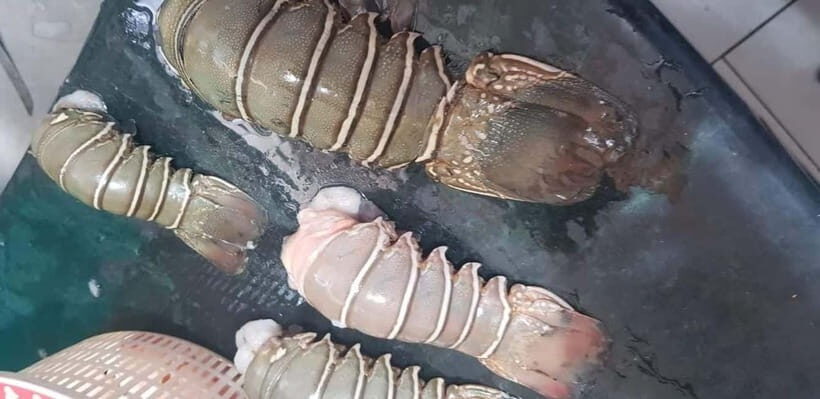
Before you sit down to eat, you’ll head to a local beach area to observe fishermen’s boats and watch traditional net-weaving in real time. This is one of those stops that doesn’t need a slideshow explanation—hands are doing the work, and you can see how the technique fits the coastline.
Pay attention to how nets are handled. It’s not just about catching fish; it’s about timing, strength, and knowing what the sea will likely give on a given day. Even if you don’t catch every detail, the rhythm makes sense fast once you’re standing there.
Then you’ll stroll through the docks area. It’s a practical walk: you’re learning the supply chain of everyday seafood. When you later cook, you’ll feel the difference between fish that was treated with care and fish that was handled like a warehouse item.
Also, you’ll likely see the contrast between what’s easy to photograph and what’s actually useful. The photos might catch colorful clothing and boats. The docks teach you the workflow.
Fish Market Time: How Real Fisherwomen Shape the Menu
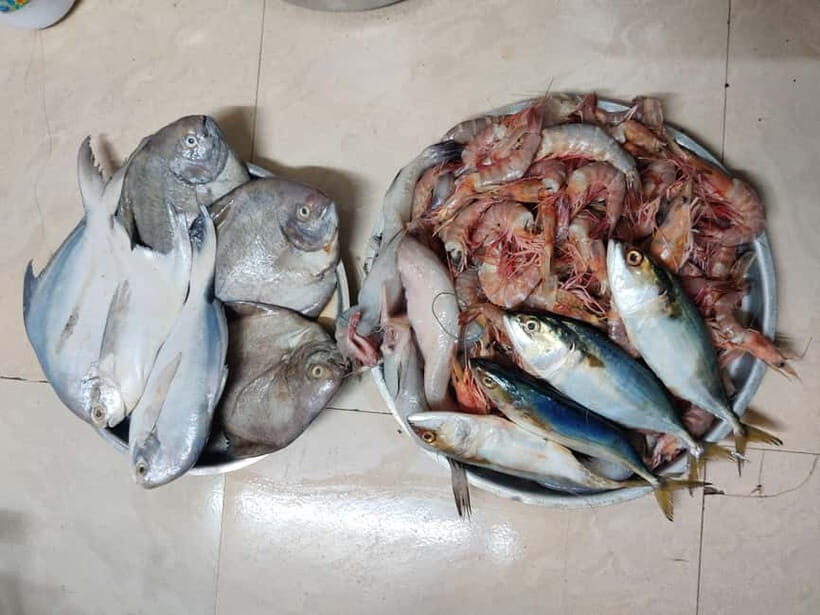
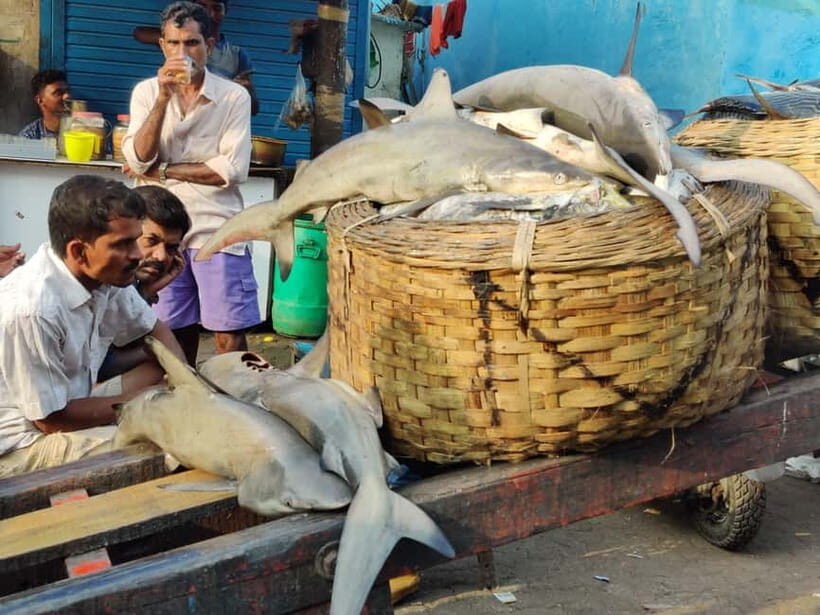
The fish market stop is where the tour gets most human. You’ll wander through the market and encounter women selling fresh catches in colorful sarees—people who are fluent in the daily math of price, freshness, and demand.
This is the part you’ll appreciate most if you like to learn how food decisions get made. In many cities, tourists see fish at restaurants and think that’s the start of the story. Here, you start at the point where fish becomes ingredient—when it’s chosen, cleaned, and priced for the day.
The value of this stop isn’t only that it looks good. It’s that you’ll understand what spices and cooking styles suit the fish types you’re seeing. That turns your later cooking into something you can follow, not just something that tastes good.





Want a tip for market questions?
Ask simple things. What’s the best fish today? How do they like it cooked? What changes if the fish is more oily or firmer? The hosts can translate the ideas into cooking steps later, and it makes the class feel connected rather than random.
Cooking at a Fisherman’s Home: Where the Lesson Becomes Personal
The centerpiece is the hands-on cooking class in a local fisherman’s home. This is where the experience stops being “a tour” and starts being a real interaction.
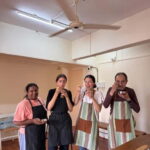
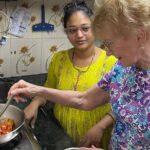
Hosts like Kavita (and often Ravi) speak very good English, which is a big deal. It means you’re not stuck nodding while you watch. You can ask why something is added, what changes if it cooks longer, and how local cooks think about flavor.
In a class like this, you learn by doing: preparing fish dishes, working with spices, rolling dough, and tasting as you go. That’s how you build confidence for your own kitchen later.
The home conversation side matters
The best part isn’t only food skills. You’ll also talk about everyday life and dreams. More than one guest highlighted how warm and open the hosts were, including time for stories while cooking.
That matters because it changes how you remember the trip. The memory becomes a conversation, not just a meal.
What You’ll Cook: Fish Curry, Mandeli, Bread, and Sour-Spicy Drinks
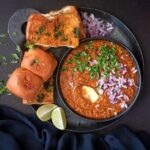
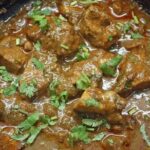
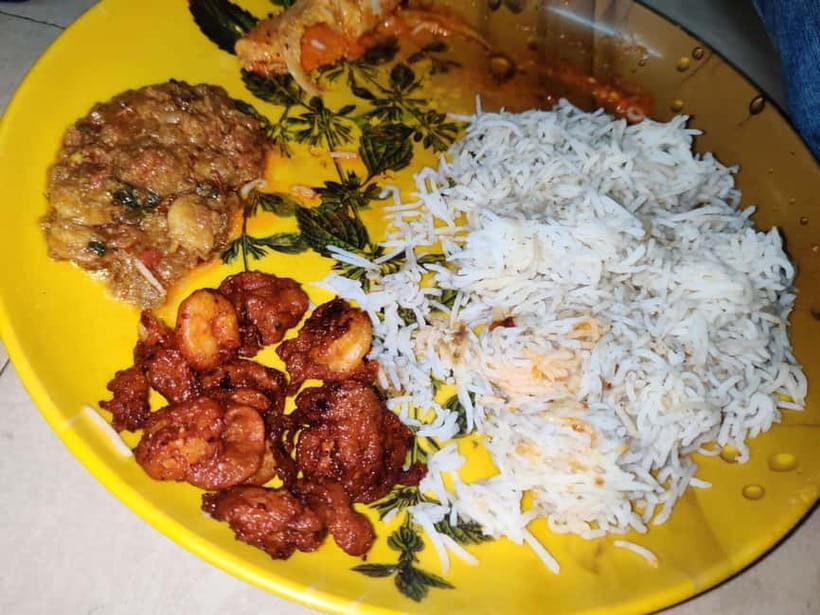
You’ll learn to prepare traditional Mumbai fish delicacies. The tour description calls out several items, including fish curry, chicken dishes, local fisherman’s bread, and a sour-spicy drink. In practice, guests have had meals that include seafood dishes like mandeli (a fish highlighted as delicious) and other fried fish preparations.
You’ll also work with staples like rice and roti/chapati. One reason this matters is that Indian cooking often makes more sense when you understand how bread and rice balance the sauce. The goal is not just to memorize a recipe. It’s to build the rhythm of a full meal.
Here are the cooking elements to expect:
- Fish curry: learn how spice, tang, and heat work together
- Fried fish / mandeli-style preparation: get a feel for texture and timing
- Bread (fisherman’s bread) and roti/chapati: handle dough basics and serving style
- Sour-spicy drink: learn how locals use tang as a flavor anchor
A practical way to take it home
When you taste something you like—say the curry’s tang—try to think in components. Sour. Heat. Salt. Aroma. That mental checklist helps you recreate flavors even if your pantry has different spices.
If you’re a cautious cook, don’t worry. The host guidance is meant to take you step by step, and you’ll learn what to do rather than being handed random tasks.
Price and Time: Is $21 a Good Deal for This Kind of Meal Lesson?
At about $21 per person for a roughly 3-hour experience, this is strong value—if you care about more than a plate of food.
Here’s why the price feels fair:
- You’re getting a market visit plus a working waterfront walk, not just a kitchen session
- The cooking happens in a home with real guidance in English
- You’re learning multiple dishes (not one simple plate) and seeing the ingredients come from the sea
Time-wise, 3 hours is compact. You’ll likely spend a good chunk moving between stops, then focus on cooking and tasting. One guest mentioned the experience running closer to 4 hours, which suggests the pace can stretch if conversation or cooking needs extra time. If you have tight evening plans, still aim for breathing room, but don’t expect a full day to disappear.
A private group also matters for value. If you’re paying for “less crowd, more attention,” you’re getting a better ratio of teacher time per person than the typical group class.
Who Should Book This Tour (and Who Might Not Love It)
This tour suits you if:
- You enjoy hands-on cooking more than just watching
- You want an authentic link between seafood, markets, and real home meals
- You like meeting locals and asking questions about everyday life
- You’re open to learning in a residential setting, not a staged venue
You might think twice if:
- You strongly prefer tightly guaranteed schedules and fixed access to every stop
- You dislike walking and market atmosphere (even if it’s not described as extreme)
- You’re only interested in cooking and would rather skip market and waterfront context
Should You Book Mumbai Coastal Cooking?
Yes—if you want a market-to-kitchen experience where the seafood story starts at the sea and ends with you tasting what you made. The top reasons to book are the home-cooking instruction and the fact that you see the workflow behind the ingredients, not just the final dish.
I’d especially recommend it if you like English-guided learning from hosts such as Kavita, and if you’re the type who enjoys sharing stories while food is simmering. If access restrictions hit and the village stop shifts, you may lose one specific waterfront moment—but you’ll still get the core meal lesson, conversation, and hands-on cooking.
If you’re looking for a cheap souvenir lunch, skip it. If you want a real Mumbai memory with practical skills, this is a smart pick.
FAQ
How long is the Mumbai Coastal Cooking experience?
It lasts about 3 hours.
What does the tour cost?
The price is listed as $21 per person.
What is included in the experience?
You’ll visit the fisherman’s village, take a tuk-tuk ride, visit the fish market, and take part in a coastal food cooking class.
Is this tour private?
Yes, it’s described as a private group.
What language is the host or greeter?
English.
What will I cook or learn during the class?
You’ll learn traditional Mumbai fish delicacies, including fish curry. The class also mentions chicken dishes, local fisherman’s bread, and a sour-spicy drink.
Will I see the fishing process?
Yes. You’ll visit a local beach to observe boats and traditional net-weaving and fishing techniques, and you’ll also stroll through the fishermen’s docks.
Where do I meet the guide?
The meeting point may vary depending on the option booked.
Is there free cancellation or pay later options?
The experience lists free cancellation up to 24 hours in advance for a full refund, and it also offers reserve now & pay later.