REVIEW · MUMBAI
Mumbai City Sightseeing with Elephanta Caves Full Day Tour
Book on Viator →Operated by Explore Mumbai Tours · Bookable on Viator
Elephanta Caves and South Mumbai in one day. Elephanta Caves plus a city walk/drive mix makes this tour feel like two trips glued together, with a ferry ride, a short toy train, and stops around Colaba and Malabar Hill. You also get a real guide rhythm: driver gets you into position, the guide explains what you’re seeing, and you move before the crowds fully settle in.
What I like most is the all-in coverage: tickets and entry fees are included, along with bottled water, WiFi on board, and an air-conditioned vehicle. The other big win is how the day is guided end to end, including the Elephanta area with local insight, so you’re not just looking at carvings with no context. The one thing to think about is that the Elephanta Caves involve steps and some walking, so if mobility is a concern, plan accordingly.
In This Review
- Key highlights you’ll actually care about
- Gateway of India start: where the day’s energy kicks in
- Ferry ride to Elephanta: scenic time that also protects your schedule
- Elephanta Caves: the UNESCO part you’ll want a guide for
- Dhobi Ghat and the “Mumbai in action” contrast
- Oval Maidan and the Rajabai/University area: colonial-era architecture in plain sight
- Bombay High Court and CSMT: where rail meets power
- Marine Drive and Malabar Hill gardens: sea views without the long detour
- Mani Bhavan Gandhi Museum: a slower stop that adds meaning
- Crawford Market and Colaba Causeway: souvenirs and people-watching
- Price and value: what you get for $89.45
- Who should book this full-day Mumbai plus Elephanta tour
- Final call: should you book it
- FAQ
- How long is the Mumbai City Sightseeing with Elephanta Caves tour?
- Do you get hotel pickup?
- What’s included with entry and tickets?
- Is there WiFi on the tour?
- Is a meal included?
- What happens if the weather is bad?
Key highlights you’ll actually care about
- Hotel pickup and smooth positioning: you start with pickup and end back at the meeting point, with a driver doing the heavy lifting through busy streets.
- Ferry + toy train to the caves: the route to Elephanta isn’t just transport. It’s part of the day’s pacing and scenery.
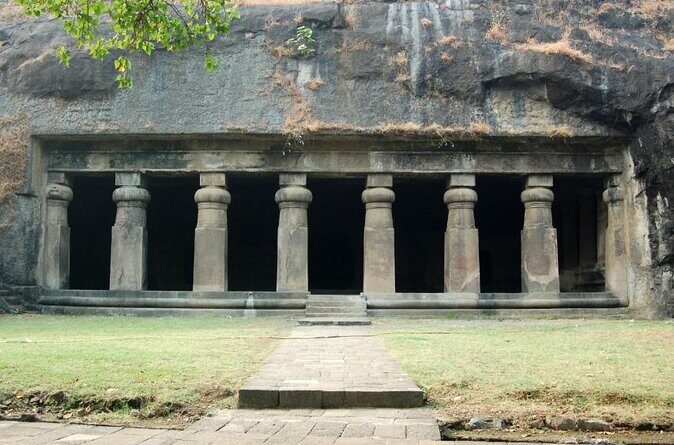
- UNESCO Elephanta Caves explanation, not just a pass: you’ll walk the rock-cut temple space from the 5th–8th centuries with a guide.
- A classic South Mumbai loop: Gateway of India, CSMT, Marine Drive, Malabar Hill gardens, and more sit in one practical route.
- Museum time built in: Mani Bhavan Gandhi Museum is included, so you get more than just architecture and views.
- Market wandering without chaos overload: Colaba Causeway and Crawford Market are on the plan, with time to browse.
Gateway of India start: where the day’s energy kicks in
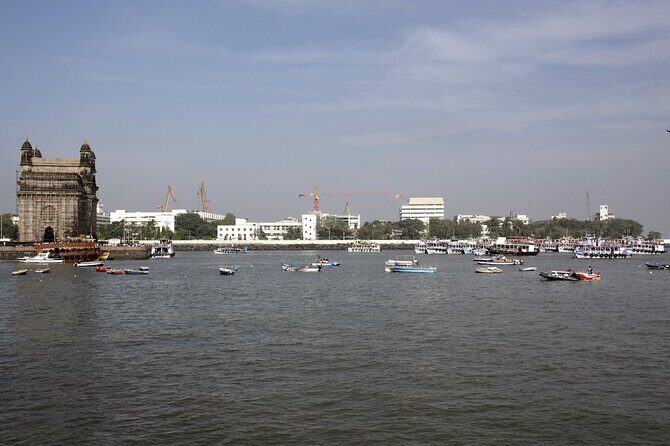
The day begins at the PizzaExpress Dhanraj Mahal meeting point in Colaba, Apollo Bandar. From there, you should expect a quick handoff into vehicle mode and a short orientation to the day. Your first stop is the Gateway of India, a big arch that’s instantly recognizable from photos, postcards, and the general “Mumbai” idea in your head.
At this point, I treat it like a briefing stop. The structure looks best when you’re close enough to spot the details, but you don’t need to spend forever here. The value comes from using Gateway of India as your anchor: it helps you understand why the coastline area matters for the city’s movement, trade, and power.
Practical tip: bring your sunscreen and keep your eyes open. South Mumbai is fast. Even short photo stops can turn into crowd stop-and-go if you’re slow getting back to the group.
You can also read our reviews of more city tours in Mumbai



Ferry ride to Elephanta: scenic time that also protects your schedule
You head from the Gateway area onto a ferry for the ride to Elephanta Island. This isn’t just a “get there” segment. It’s one of those quiet windows where you can see Mumbai’s coastline from the water and get a better sense of scale—how the city sits right on the Arabian Sea.
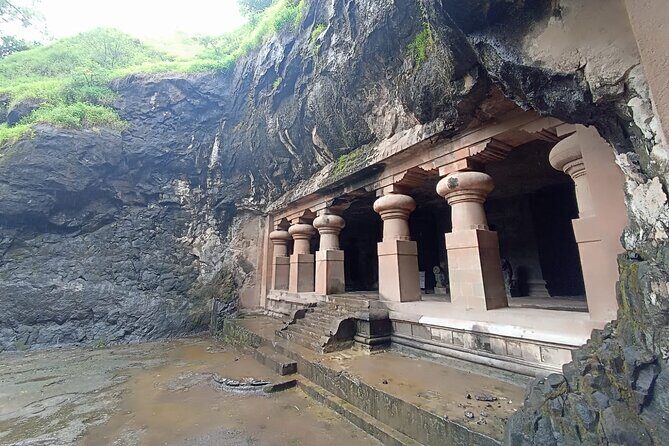
Once on the island, you get a short toy train ride before you reach the caves area. That matters. The caves site involves stairs and uneven steps, and the toy train helps manage the energy burn before you start climbing deeper into the temple complex.
If you’re prone to motion sickness, you might want to take precautions since ferries can feel bouncy. Also, keep an eye on the sky. This tour requires good weather, and poor conditions can affect the day.
Elephanta Caves: the UNESCO part you’ll want a guide for
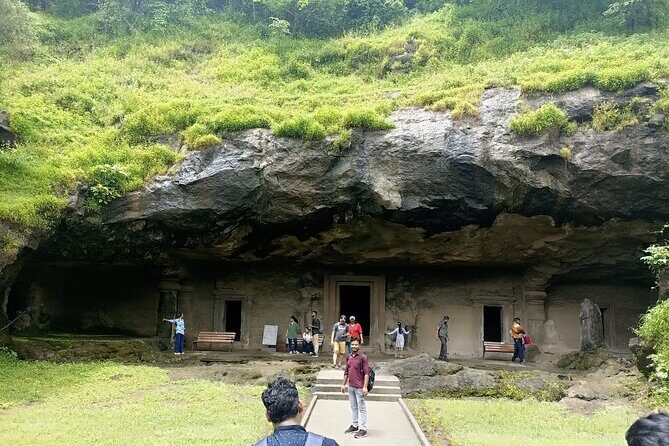
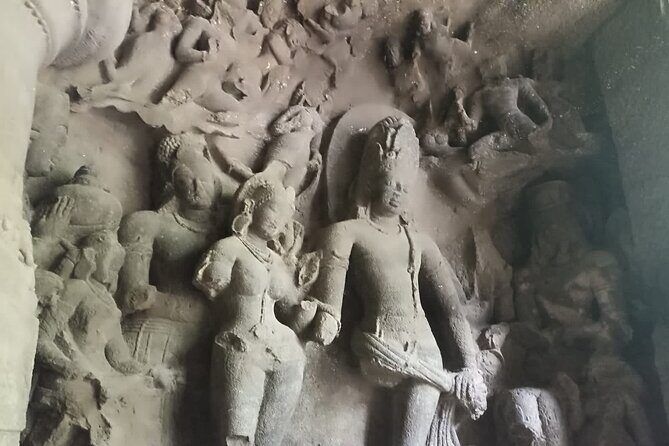
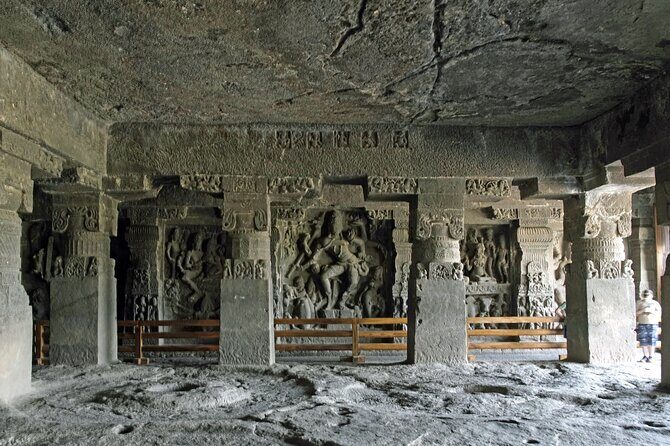
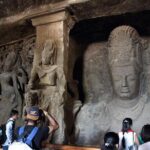
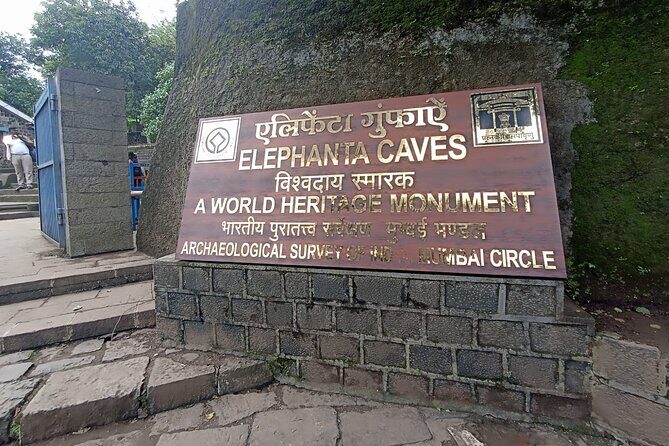
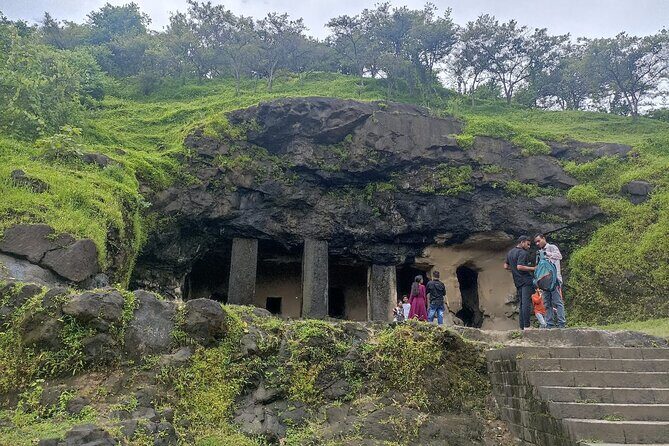
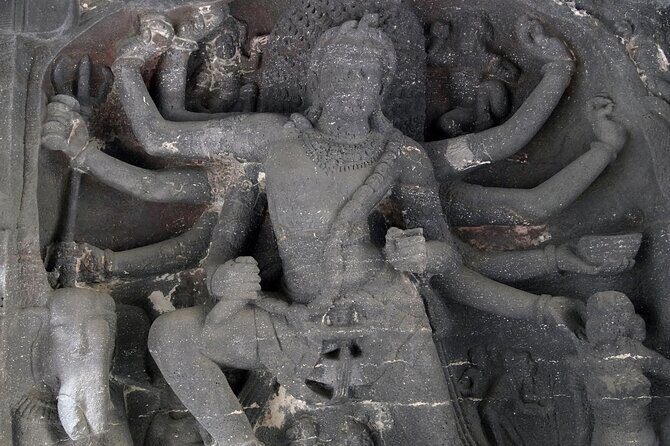
The main event is the Elephanta Caves, a UNESCO World Heritage Site with rock-cut temples and sculptures dating to the 5th–8th centuries. You’ll spend about two hours at Elephanta with an in-person guide who’s there to explain what you’re looking at as you walk through the cave spaces.
Here’s the key value: stone carvings make sense when someone links them to the era, the religious themes, and the design logic. Without guidance, it can feel like you’re staring at faces in rock and hoping something clicks. With a guide, the same scenes start to read like visual storytelling.
One practical consideration: the caves have quite a few steps. I wouldn’t call it extreme hiking, but it is definitely physical. If you have knee issues or mobility limits, plan your pace and use any handhold opportunities. Wear shoes with grip. Flip-flops are a bad idea here.
A good example from past experiences: guides like Pankaj and Trikal have been praised for local expertise on Elephanta Island and for knowing where to position visitors for photos. If your guide knows the layout well, you waste less time searching for the best angles and you spend more time actually seeing.
Dhobi Ghat and the “Mumbai in action” contrast
After Elephanta, the day shifts from ancient stone to everyday life. Dhobi Ghat is a short stop, but it’s a memorable one: it’s an open-air laundromat where hundreds of dhobis (washermen) wash, dry, and iron clothes for the city.
This stop gives you contrast. You go from centuries-old carvings to a living working process you can watch in motion. Even if you only spend about 10 minutes here, it changes how the rest of the city tour lands, because you’re reminded this place runs on real labor and real routines, not just landmarks.
Practical note: keep your distance and be respectful. This is a working area, not a museum exhibit.
Oval Maidan and the Rajabai/University area: colonial-era architecture in plain sight
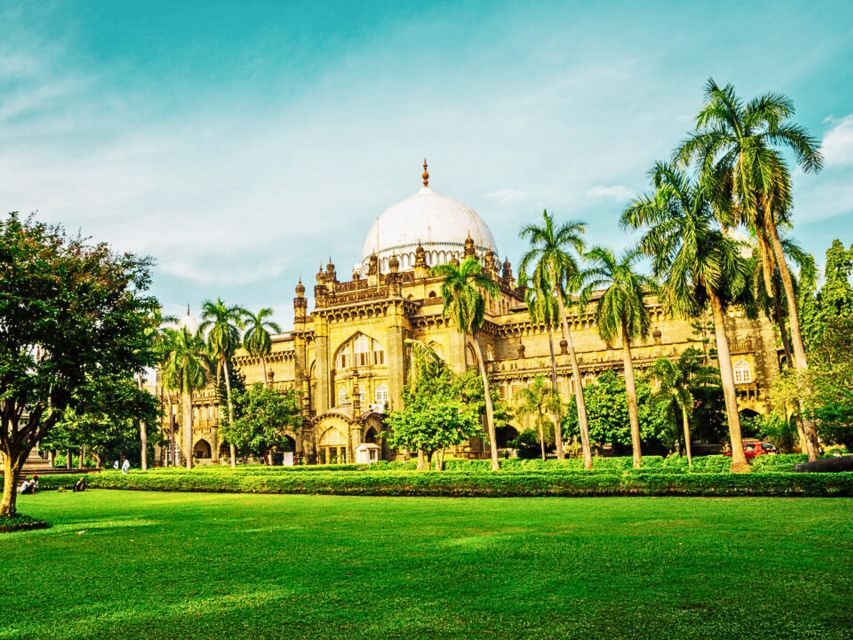
Oval Maidan is basically a big open green space in the heart of Mumbai. Think of it as a breathing pause. From here, you can see why Mumbai feels like it has layers: colonial-era buildings, rail lines, and ocean views all sharing the same horizon.
Then you roll into the University of Mumbai library area and the Rajabai Clock Tower, both tied to British Raj-era architecture. Rajabai is especially striking because the Gothic style and carvings make it more than just a tower that says time. It’s architecture you can read.
This section is short, but it works because your eyes start recognizing patterns. You’ll notice how Mumbai’s “important buildings” often sit in a coordinated grid near major routes.
You can also read our reviews of more tours and experiences in Mumbai





Bombay High Court and CSMT: where rail meets power
The tour includes a stop for the Bombay High Court, described as a majestic building that blends Gothic and Indo-Saracenic styles. Even from the outside, it’s the kind of place that makes you look up, because it signals authority and history through mass and detail.
Then comes Chhatrapati Shivaji Maharaj Terminus (CSMT), a historic railway station built in 1887 and designed to commemorate Queen Victoria’s Golden Jubilee. CSMT is not a quick glance-and-go stop if you care about design. The station’s scale and engineering presence hit you fast.
Why this part matters: rail stations are where cities show their priorities. CSMT isn’t only transport—it’s also a landmark of how Mumbai connected people and goods during the era when rail was the backbone of movement.
If you want photos, aim for a few clean shots from an angle where the building fills the frame. The group moves quickly, so don’t get stuck in one spot.
Marine Drive and Malabar Hill gardens: sea views without the long detour
Marine Drive is next, a well-known promenade along the Arabian Sea lined with palm trees and art deco buildings. You usually only get a short stop here, but Marine Drive’s best trick is that it doesn’t require you to stand for an hour to appreciate it.
Then you reach Hanging Gardens (Pherozeshah Mehta Gardens) and Kamala Nehru Park, both around Malabar Hill. These are great for a breather because the views and greenery give your feet a chance to recover from stairs and uneven walking earlier in the day.
Practical advice: bring a hat. South Mumbai sun can get sharp even if you don’t feel it at first. The tour includes bottled water, which helps, but it’s still smart to pace yourself.
Mani Bhavan Gandhi Museum: a slower stop that adds meaning
You also visit Mani Bhavan Gandhi Museum for about 30 minutes, and entry is included. This is the one stop in the day that’s less about scenery and more about context—Gandhi’s residence from 1917 to 1934, now turned into a museum about his life.
Even if you’re not a deep Gandhi-study person, this stop anchors the day with a human story. It also balances the earlier architecture and the “show me the city” feel of the rest of the route.
Crawford Market and Colaba Causeway: souvenirs and people-watching
The tour includes time for shopping and browsing at Crawford Market and Colaba Causeway. Crawford Market is a historic marketplace (built in 1869) named after Arthur Crawford, a former Municipal Commissioner of Mumbai. Colaba Causeway is where you’ll feel the tourist pull, with shops and snack stops along the way.
This section is useful in a practical way. Markets like these help you buy small, personal items quickly—simple gifts, locally made items, and snacks if you plan to. Just remember: you’re in a real shopping area, so expect bargaining culture and crowd energy.
Also, one small note based on a common pattern: in places tied to major attractions, you might encounter people trying to sell merchandise. If you want a calm day, set your boundary early and ask your guide to help keep you moving if things get pushy.
Price and value: what you get for $89.45
At $89.45 per person for a full day (about 8 to 10 hours), the real question is not the number—it’s what’s included.
Here’s what makes it feel like value rather than a basic sightseeing bus:
- Pickup and private transportation: You’re not waiting at the mercy of public buses and shared shuttles.
- AC vehicle and WiFi on board: helpful in heat, useful for passing time.
- In-person guides in multiple languages: English, Hindi, Marathi.
- Elephanta Caves experience includes ferry and entry plus local guiding time.
- Tickets/entry fees and bottled water are part of the package.
- Mani Bhavan entry included.
- Group discounts are mentioned, which can help if you’re traveling with friends.
What’s not included is also clear: there’s no meal. So if you hate the stress of finding food mid-tour, you’ll want to plan for snacks in advance or be ready to eat later when you have time.
One more value angle: the guides have been praised for being punctual and for handling the logistics so you don’t feel constantly rushed. In busy Mumbai, that sort of timing is half the experience.
Who should book this full-day Mumbai plus Elephanta tour
This tour fits best if you want:
- A structured day that covers major South Mumbai sights without you piecing together routes
- Elephanta Caves with interpretation (not just a self-guided walk)
- A mix of architecture, market time, and one museum stop
It may be less ideal if:
- You need a low-step outing. The caves involve a lot of steps, and that can slow the day if you can’t move easily.
- You strongly dislike crowds or shopping situations. Crawford Market and Colaba Causeway are worth it, but they are lively.
If you like your travel with a guide who also handles people and pace, this is a solid match. Past guides such as Sharon, Priti, and Saddam, plus drivers like Deepak, have been specifically praised for keeping the day organized and for making explanations feel clear and practical.
Final call: should you book it
I’d book this tour if your priority is maximum value in a single day: Elephanta Caves plus the South Mumbai landmarks loop, with tickets and entry built in and a guide to connect the dots. The price makes more sense when you count the ferry ride, the cave entry, and the guide time, not just the sightseeing names.
I’d think twice if mobility is limited, since the caves involve many steps and your pace will matter. If you’re okay with that trade-off, this tour is one of the more practical ways to cover a lot of Mumbai without turning your day into a logistics project.
And remember the weather factor: the experience requires good weather, and poor conditions can shift or cancel the plan. If your dates are flexible, you’ll feel safer booking.
FAQ
How long is the Mumbai City Sightseeing with Elephanta Caves tour?
It runs about 8 to 10 hours, and the total duration includes travel time.
Do you get hotel pickup?
Yes. Pickup is offered, and the tour includes a guide and driver who take you to the starting area and then handle transportation through the day.
What’s included with entry and tickets?
Entry fees and tickets are included, including Elephanta Caves and the Mani Bhavan Gandhi Museum. Bottled water is also included.
Is there WiFi on the tour?
Yes. WiFi is provided on board.
Is a meal included?
No. Meals or food are not included.
What happens if the weather is bad?
The experience requires good weather. If it’s canceled due to poor weather, you’ll be offered a different date or a full refund.