REVIEW · MUMBAI
Private Mumbai Sightseeing Tour(Travellers Choice Award Winner)
Book on Viator →Operated by Linda Tours Mumbai · Bookable on Viator
Mumbai moves fast—this tour keeps up. I like the A/C vehicle with Wi‑Fi and the way the guide ties together royal-era landmarks and everyday Mumbai stops in one smooth loop. I also love that it’s built for first-timers with flexible start times and clear priorities, not a random grab-bag. One thing to consider: the pacing is “highlights first,” so a few stops can feel like quick looks rather than long hangs—especially in heavy traffic.
This is set up as a private tour for your group, and it’s priced to feel doable for the number of major sights packed into about 5 to 6 hours. Based on what I’m seeing in the on-the-ground delivery (drivers who know traffic tactics, guides who answer questions clearly), the day usually works because you have the logistics handled.
In This Review
- Key things that make this Mumbai tour work
- First-timer friendly: how the route gives you bearings in Mumbai
- Price and value: what $29.55 buys you (and what it doesn’t)
- Getting picked up and moving: the A/C vehicle matters in Mumbai traffic
- Stop by stop: what you’ll see and what to watch for
- Gateway of India: the waterfront monument that anchors the story
- Antilia: a quick look at modern Mumbai wealth
- Mani Bhavan Gandhi Museum: Gandhi’s Mumbai base, explained in real context
- Hanging Gardens of Malabar Hill: a viewpoint break
- Chowpatty Beach and Marine Drive: coastal icons and the best light you can get
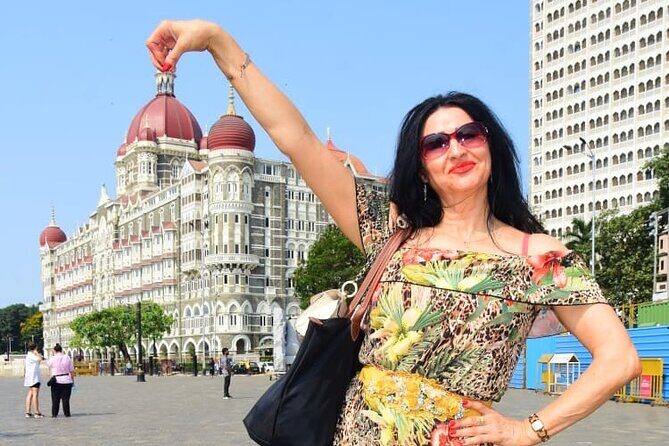
- Taj Mahal Palace Hotel: see the landmark without paying to enter
- University of Mumbai and Rajabai Clock Tower: architecture for the curious
- Chhatrapati Shivaji Maharaj Terminus (CSMT): the UNESCO station moment
- MCGM office area and Crawford Market: the everyday face of South Mumbai
- Dhobi Ghat: open-air laundry, close-up reality
- Who this tour suits best (and who should pick something else)
- Tour pace tips: how to get the most without feeling rushed
- The human part: guides and drivers that make the route easier
- Should you book this private Mumbai highlights tour?
- FAQ
- How long is the Private Mumbai Sightseeing Tour?
- Where does the tour start, and is hotel pickup included?
- What start times are available?
- What’s included in the tour price?
- Are there any admission tickets included besides Mani Bhavan and CSMT?
- Is food provided?
- Is this tour private?
Key things that make this Mumbai tour work
- A/C and Wi‑Fi in the vehicle: a real comfort win in the heat and humidity.
- Hotel pickup from South or Central Mumbai: fewer logistics headaches before you start sightseeing.
- Gandhi at Mani Bhavan + the open-air laundry at Dhobi Ghat: an unusual pairing of politics and daily work.
- UNESCO station time at CSMT: not just an exterior photo stop; you get an included entry visit.
- A guide who talks history in plain language: people often name guides like Max, Lucas, Rameez, Ravi, and Ali for clear explanations and good pacing adjustments.
First-timer friendly: how the route gives you bearings in Mumbai
If Mumbai is your first big city in India, you’ll appreciate how this tour is designed to help you build a mental map fast. It starts at the waterfront side of South Mumbai and then works through the British-era core, major coastal viewpoints, and the working-life texture that many first-time itineraries skip.
I like that the stops create contrast on purpose. You’ll go from famous monuments and grand hotels to Gandhi’s Mumbai base and the open-air laundry area. That contrast is part of what makes the city click—wealth and power sit close to ordinary routines, sometimes on the same street block.
This tour also tends to feel practical because the schedule is structured around short arrival windows at multiple landmarks. It’s not trying to make you stay at one place for hours. It’s more like: see the key sights, understand why they matter, then decide what you want to return to later.
You can also read our reviews of more private tours in Mumbai


Price and value: what $29.55 buys you (and what it doesn’t)
At around $29.55 per person, the value is mostly in the combination. You’re getting:
- Hotel pickup (from South/Central Mumbai)
- An A/C, Wi‑Fi vehicle
- A professional English-speaking guide
- Entry fees for Mani Bhavan Gandhi Museum and Chhatrapati Shivaji Maharaj Terminus (CSMT)
- Bottled water provided on request
What’s not included is also clear: food and drinks. So you’re effectively paying for transport + guiding + the key paid sights, not for meals.
In real terms, this means the money goes to avoiding the hardest part of Mumbai sightseeing: figuring out how to get from one landmark to the next without losing half the day to traffic and navigation. If your time in Mumbai is short—one day, or you want a solid “starter day” before more independent exploring—this kind of package can be a smart use of funds.
Getting picked up and moving: the A/C vehicle matters in Mumbai traffic
Mumbai traffic is its own character. The best part of having a driver you can trust isn’t just comfort—it’s time. When the vehicle is moving with confidence, you actually reach the stops before you’re forced into an overly rushed photo sprint.
You also get Wi‑Fi on board and free bottled water (according to request). That sounds small, but it helps you stay sane when the day runs warm and long. I also like that you can choose your start time—morning, midday, or afternoon—so you can line it up with your energy level and the rest of your plans.
One caution: the trip length is listed as about 5 to 6 hours, and the itinerary is packed. If you need extra bathroom time or longer pauses at viewpoints, build that flexibility into your expectations. Some people report that timing can tighten when there are delays, so staying flexible is the easiest way to keep the day enjoyable.
Stop by stop: what you’ll see and what to watch for
Gateway of India: the waterfront monument that anchors the story
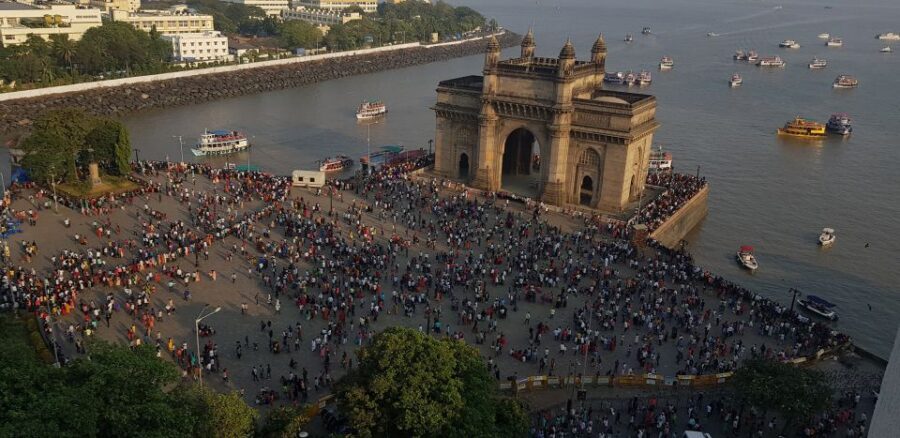
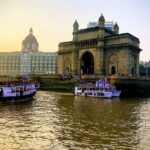
You’ll begin at the Gateway of India, the grand arch monument by the harbor. This is one of those places you can quickly understand even if you don’t know the details yet: it frames Mumbai’s relationship with arrival and departure—ships, power, and the idea of the city as a gateway.
Plan for a short visit here. You’re not there to study every stone; you’re there to set context. Once you’ve seen the gateway, the rest of the day makes more sense, especially the colonial-era architecture you’ll spot soon after.



Antilia: a quick look at modern Mumbai wealth
Next up is Antilia, the ultra-high-profile private residence in South Mumbai. You likely won’t go inside. Think of it as a “view-from-the-window” moment that shows how extreme wealth can sit in the middle of a dense, everyday city.
I like this stop because it’s not just a curiosity. It’s a contrast tool. When you later see the working rhythms at places like Dhobi Ghat, it’s easier to feel how different lives can coexist in the same urban sphere.
Mani Bhavan Gandhi Museum: Gandhi’s Mumbai base, explained in real context
At Mani Bhavan Gandhi Museum, entry is included, and the time here is usually long enough to feel like more than a quick visit. This stop connects Gandhi’s political life to the city itself—why Mumbai mattered to his work, and how that work shaped public life.
If you’re the type who likes a museum to come with a human storyline, you’ll likely enjoy this. The guide’s role is especially useful here: you’ll get the background that makes the museum feel less like a list and more like a timeline.
Hanging Gardens of Malabar Hill: a viewpoint break
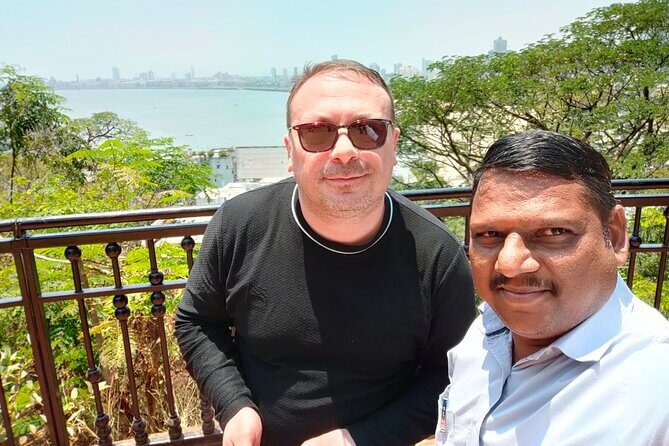
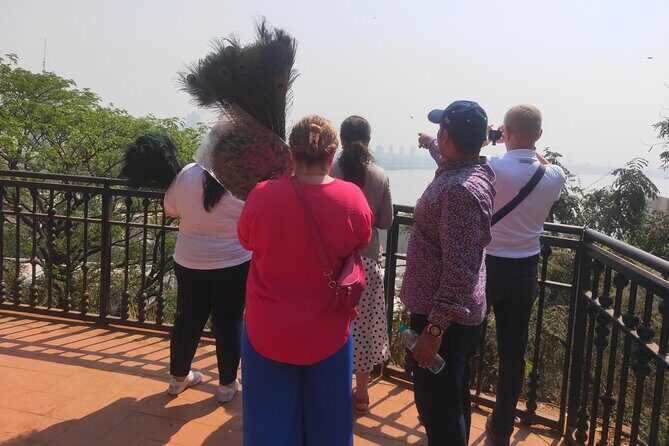
The route then pauses at the Hanging Gardens (also known as Ferozshah Mehta Gardens). It’s a terraced garden area on Malabar Hill, set up for a break and a couple of pleasant photos.
What to remember: gardens here can feel more like a quick cool-down than a full “nature day.” Still, it’s a useful reset point because you go from inland history to coastal scenery very soon after.
Chowpatty Beach and Marine Drive: coastal icons and the best light you can get
You’ll pass by Chowpatty Beach and then spend time along Marine Drive, the famous curved boulevard by the sea.
Marine Drive is the payoff for a lot of people’s Mumbai imagination: the long coastal stretch, the skyline rhythm, and that classic “Queens Necklace” vibe when the light hits right. In practice, your experience will depend on weather and sky clarity. If it’s hazy, views can soften, but you can still enjoy the atmosphere of the boulevard and the seaside setting.
Taj Mahal Palace Hotel: see the landmark without paying to enter
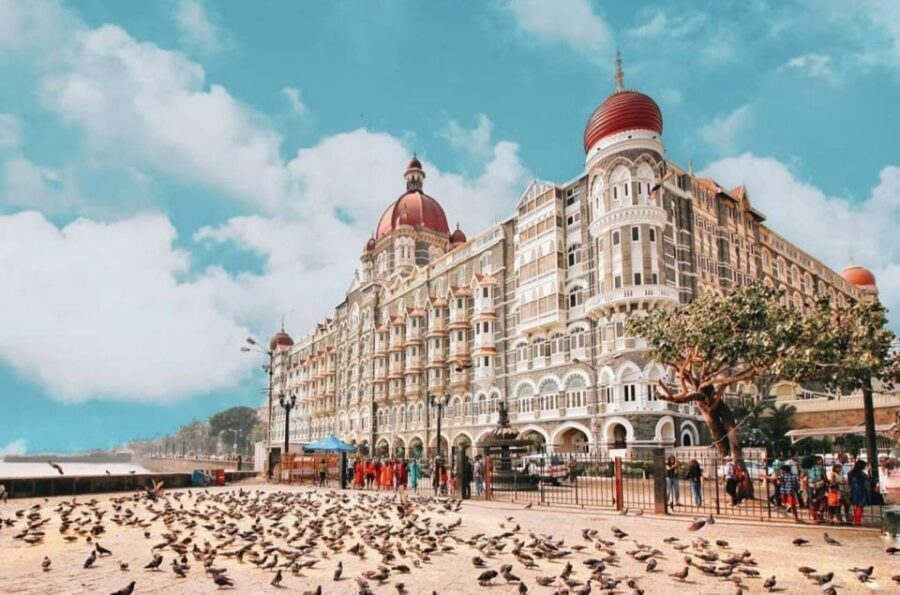
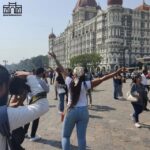
You’ll visit the exterior area of the Taj Mahal Palace Hotel, near the Gateway of India. This is a great stop if you want the look of Mumbai’s grand hospitality style without a long, expensive detour inside.
I’d treat it as a quick photo-and-story stop. The value here is the location: you’re seeing a major icon while the day’s still moving and you haven’t burned your time budget.
University of Mumbai and Rajabai Clock Tower: architecture for the curious
Next comes the University of Mumbai library area and the Rajabai Clock Tower on the Fort campus. This section is all about architecture and scale: big campus buildings, formal Victorian-era design elements, and the clock tower as a visual anchor.
If you like walking through places that look like they have history baked into the walls, this part can be a highlight. If you’re only interested in the headline tourist stops, it may feel like a shorter context stop—but even then, the clock tower area is worth the look.
Chhatrapati Shivaji Maharaj Terminus (CSMT): the UNESCO station moment
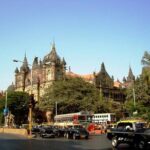
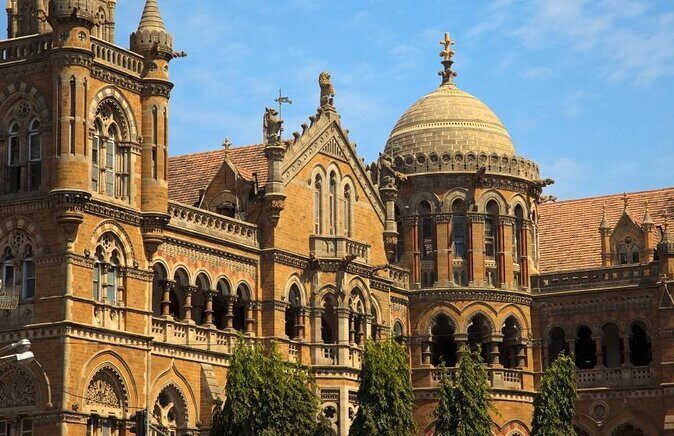
At CSMT, entry fees are included. This is one of the most rewarding stops for people who like architecture and engineering. The station’s scale and design make it feel like a city landmark even if you’re just standing around for photos.
Also, it’s a reminder that Mumbai’s modern movement—trains, commerce, migration—sits on top of a major legacy. A good guide helps you notice the details instead of just walking through crowds.
MCGM office area and Crawford Market: the everyday face of South Mumbai
You’ll also see the Municipal Corporation Building (MCGM office) area and then spend time at Crawford Market.
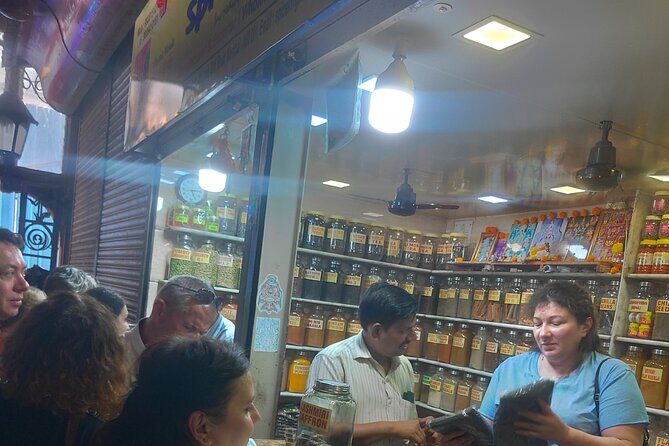
Crawford Market works well for a highlight tour because it’s not just a building. It’s where people shop and move. Even if you don’t buy anything, you’ll feel the pulse of the area.
If you’re sensitive to crowds or noise, keep your pace calm and your expectations realistic. This part is more “watch local life” than “browse quietly.”
Dhobi Ghat: open-air laundry, close-up reality
Finally, you’ll get to Dhobi Ghat, the open-air laundry area in the Mahalaxmi area. In the itinerary it’s listed as not included for any ticketing, so keep in mind any on-site fee if required.
This stop is often the most emotionally “sharp” on the route. You’re seeing work done in the open—routine, tools, and labor visible right in front of you. It can be fascinating and a little intense at the same time, which is why it’s so memorable for many first-timers.
Who this tour suits best (and who should pick something else)
This tour is ideal if:
- You want a one-day orientation to South and Central Mumbai.
- You like seeing both the famous sights and a few real-life working areas.
- You prefer having transport and guiding handled so you spend less time figuring things out.
You might want a different plan if:
- You’re hoping for a slow, museum-deep day.
- You want lots of time at each stop for shopping, long interviews, or extended wandering.
- You’re easily frustrated by schedule pressure. Even with a good plan, traffic can affect pacing.
Tour pace tips: how to get the most without feeling rushed
To keep the day feeling rewarding, I’d do three things:
- Wear comfortable shoes. You’ll be walking and repositioning often.
- Use the guide’s timing. If your guide suggests a viewpoint window or a quick photo moment, take it. Those are often the best chances you get.
- Plan for minimal food time. Since food isn’t included, you’ll either grab something on your own or accept that you might need to eat later.
Also: Mumbai’s air can vary. If the sky looks hazy, don’t panic. You’ll still get the “feel” of Marine Drive and the waterfront, but scenic clarity may soften.
The human part: guides and drivers that make the route easier
The biggest difference between a merely good city tour and a great one is often the guide’s control of the day. In this operation, people frequently highlight guides such as Max, Lucas, Rameez, Ganesh, Ali, Shruti, Ravi, Neeraj, and Amaan, plus drivers named Satyam, Hari, Santosh, Vijay, Deepak, and Arjun.
What you’re really hoping for is not just English fluency. It’s the ability to:
- explain why each landmark matters in plain language,
- answer your questions without stalling the schedule,
- keep everyone moving safely through busy areas,
- and adjust timing when the day gets messy.
If you’re lucky with your team, this tour can feel like a guided shortcut to understanding Mumbai rather than a checklist.
Should you book this private Mumbai highlights tour?
Book it if you want a smart first day that covers the big icons plus at least a couple of places that show Mumbai beyond postcards. The A/C with Wi‑Fi, hotel pickup, included visits at Mani Bhavan and CSMT, and a guide who explains history in an accessible way make the price feel reasonable for what you pack in.
Skip or switch to a slower-focused alternative if you hate short stops and you want time to linger at every site. This tour is built for moving, not for wandering all day.
If your goal is simply get your bearings fast and decide what to return to later, this one fits.
FAQ
How long is the Private Mumbai Sightseeing Tour?
It runs about 5 to 6 hours (approx.).
Where does the tour start, and is hotel pickup included?
Hotel pickup is offered for convenience from South or Central Mumbai. The listed meeting point is Starbucks No C, Dhanraj Mahal, 15, Chhatrapati Shivaji Maharaj Marg, near Apollo Bunder, Fort, Mumbai.
What start times are available?
You can choose from morning, midday, or afternoon start times.
What’s included in the tour price?
Included items are the A/C vehicle with Wi‑Fi, a professional English-speaking guide, bottled water, and entry fees for Mani Bhavan and CSMT.
Are there any admission tickets included besides Mani Bhavan and CSMT?
Yes—entry fees for Mani Bhavan and CSMT are included. Other listed stops show free admission, and Dhobi Ghat is listed as not included.
Is food provided?
No. Food and drinks are not included.
Is this tour private?
Yes, it’s described as a private tour/activity, with only your group participating.
—
If you tell me your travel dates and whether you prefer an early morning start or a later afternoon one, I can suggest how to pair this with 1–2 follow-up activities in the same neighborhoods.