REVIEW · MUMBAI
Private Elephanta Caves UNESCO World Heritage Site Tour
Book on Viator →Operated by Young Tours And Travel · Bookable on Viator
Elephanta caves, but make it easy. A private guide helps you read the Hindu and Buddhist rock-cut sculptures without guessing, and the ride in an air-conditioned vehicle keeps the day comfortable. You also get the chance to fit in the Gateway of India on the same outing, so you see more than just the caves.
One heads-up: the boat ride to Elephanta Island can feel long, and you’ll still deal with a walk up steps once you arrive—even though it’s manageable.
In This Review
- Key highlights you’ll feel on the day
- Why Elephanta Caves are worth the commute from Mumbai
- Private guide + AC transport: what you’re really paying for
- The ferry and steps: planning for the one potential downside
- Elephanta Caves: what to look for beyond the obvious
- Gateway of India: a quick stop that still teaches Mumbai
- Price and value: is $59 per person a good deal?
- What “private” changes for your comfort and experience
- Who this tour suits best (and who should think twice)
- Tips to make your Elephanta day run smoother
- Should you book this private Elephanta Caves tour?
- FAQ
- How long is the Private Elephanta Caves tour?
- What stops are included?
- Is pickup offered from Mumbai?
- What is included in the price?
- Is lunch included?
- Do I need good weather for this tour?
- Is this tour private, and who else would be there?
Key highlights you’ll feel on the day
- Private guide attention: you can ask questions and move at a pace that makes sense for your group
- Air-conditioned comfort: less Mumbai heat stress before and after the caves
- Tickets are included: Elephanta admission is part of what you pay, along with fees and taxes
- UNESCO sites in one trip: Elephanta Caves plus a stop at the Gateway of India
- Expert interpretation in cool stone: the caves themselves stay cooler once you’re inside
- Flexible for good conditions: the tour runs in good weather and may be rescheduled if conditions are poor
Why Elephanta Caves are worth the commute from Mumbai
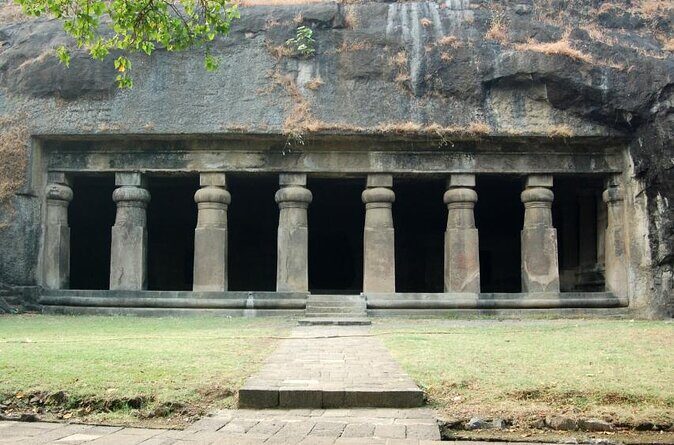
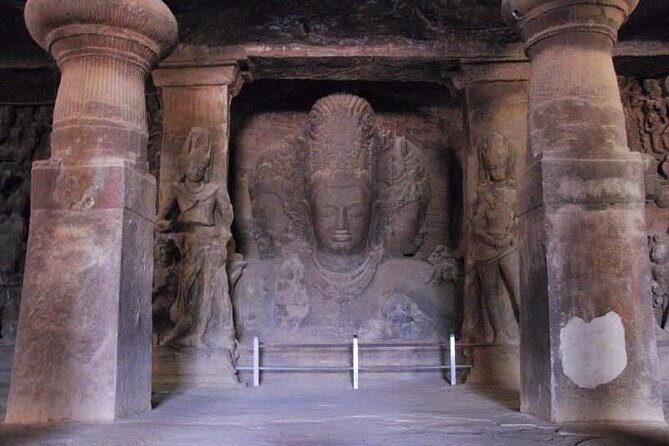
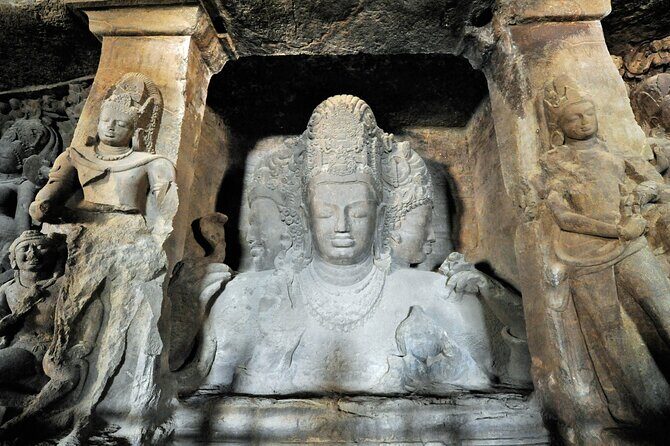
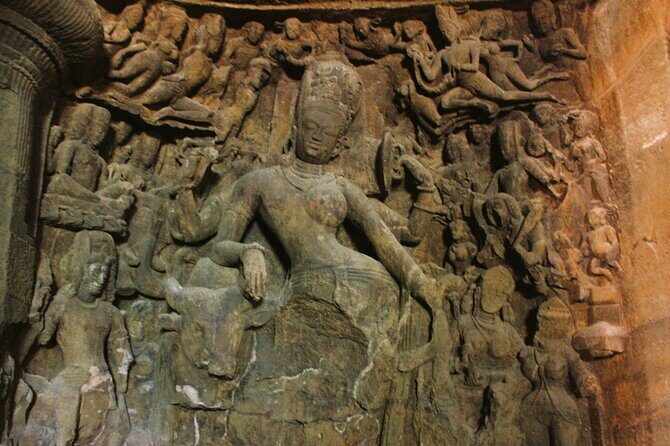
Elephanta Caves are one of those places where you stop seeing a site as just a collection of carvings and start seeing it as a living map of ideas. The complex is famous for rock-cut stone sculptures and for the way the imagery mixes Hindu and Buddhist ideas. Even if you’re not a trained art historian, having someone explain what you’re looking at makes a big difference.
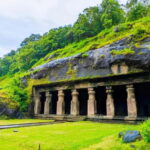
The setting also helps. You’re not visiting a museum in a building—you’re going to caves carved into a small island landscape. The island is about 2.4 km long, with two hills rising to roughly 150 m and 173 m. A deep ravine cuts between the hills, running north to south, and that geography is part of the walk and the experience. You feel the island layout in a way you just don’t on mainland sites.
There’s also a story behind the name. Portuguese explorers called it Elefante when they noticed elephant statues, and that name shifted over time into Elephanta. History here isn’t only in the carvings; it’s in what happened when outsiders arrived. The Portuguese established a base on the island and their soldiers damaged sculptures and parts of the caves. It’s the kind of detail that makes you see the site as something that survived, changed, and carried scars along the way.
You can also read our reviews of more private tours in Mumbai



Private guide + AC transport: what you’re really paying for
This tour isn’t just about reaching the caves. It’s about getting the value of a guide without having to fight your way through logistics.
First, you travel in an air-conditioned vehicle with private transportation. Mumbai can be warm and traffic can slow you down, so comfort matters when your main attraction is outdoors (the ferry ride and the walk) and then indoors (the caves). This also means fewer stop-and-start moments and less time spent coordinating your own route.
Second, you get undivided attention. A good guide doesn’t only recite facts. They point out the things you might miss: iconography, structure, and the broader why behind the art. The day feels smoother because you’re not trying to translate signs while others rush ahead.
The human side matters too. In example feedback, guides like Hardik were praised for being punctual and professional, and for answering questions with real energy. Another guide, Anmol, was described as a warm presence who kept everything moving from hotel pickup to ferry to caves and back. You can’t guarantee the same guide every day, but it’s a sign of what the tour provider aims for: a calm, capable escort, not a frantic herding game.
The ferry and steps: planning for the one potential downside
The one part of the day that can test your patience is the crossing. Expect a boat or ferry ride from Mumbai to Elephanta Island, and plan mentally for the fact that it can feel a bit long. The good news: once you arrive, the walk up the steps isn’t usually too bad.
Here’s how to make it easier on yourself:
- Wear comfortable shoes with good grip. Even if the steps are manageable, you want stable footing.
- Keep water handy. Bottled water is included, which helps because you’ll likely work up a bit of a sweat before the cool stone.
- Bring a light layer. The caves are cooler inside, and you’ll feel that temperature shift when you step in.
Also, decide what pace you want. If you’re the type who likes to linger and compare carvings, a private setup lets you do that more easily. If you prefer moving steadily, your guide can help you prioritize the most meaningful sections so you don’t feel lost.
Elephanta Caves: what to look for beyond the obvious
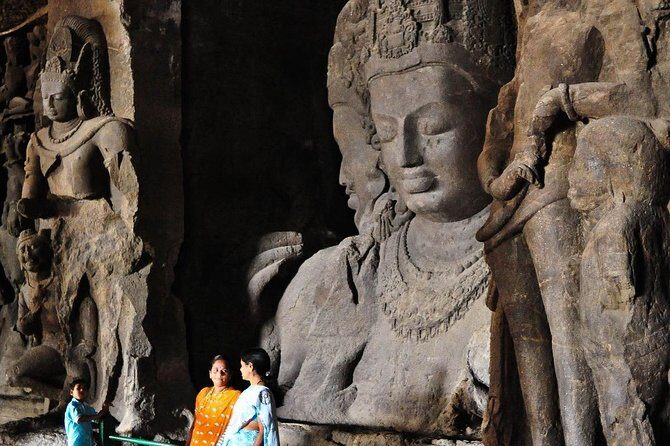
Once you’re at the caves, the magic is the way the site connects art, religion, and time. Elephanta is known for syncretism—this idea that Hindu and Buddhist concepts show up in the same space, sometimes through similar themes and sometimes through distinct iconography.
A guide helps you make sense of what you’re seeing. Without that help, it’s easy to treat the carvings as pretty stone figures. With the explanation, you start noticing patterns—how faces, poses, and symbols relate to specific religious themes. You also get context for why the site matters historically, not just aesthetically.
You’ll also learn why the Portuguese naming story matters. Elephant statues caught their attention, which helped create the name Elefante and the later Elephanta. Then you hear about their base on the island and the damage caused by soldiers. It’s a reminder that historical sites are not frozen in time; they’ve endured new layers of influence, including harm.
And don’t ignore the site’s physical layout. The island has two main hills separated by a deep ravine. When you move through the cave area, you’re essentially moving through a landscape that shaped how the caves could be cut and how people approached them. Even though you’re mostly focused on the carvings, the setting helps you understand why this complex was built where it was.
The time on-site is long enough to do more than a quick look. With about 4 hours allocated to Elephanta, you can see the main sections, ask questions, and still get your bearings without feeling rushed.
Gateway of India: a quick stop that still teaches Mumbai
After the caves, you’ll pivot to a completely different kind of landmark: the Gateway of India. This stop is short (about 10 minutes), but it’s a smart add-on because it connects Elephanta to the way visitors historically entered Mumbai.
The Gateway is a basalt arch about 26 m high, built in an Indo-Saracenic style. It was erected to commemorate the landing of King George V and Queen Mary at Apollo Bunder in 1911. Long before it was a photo stop, it functioned as a crude jetty used by the fishing community, later renovated and used as a landing place for British governors and other prominent people.
Here’s why this quick stop is worth your attention: it helps you understand why old Mumbai has the feel it does. It was, at one time, likely the first major structure visitors saw when arriving by boat. You’re basically getting a snapshot of how the city welcomed power and visitors—then you carry that perspective back to the history you just saw at Elephanta.
With only 10 minutes, don’t expect deep exploration, but do take a moment to look at the arch shape and imagine the crowds and boats. Your guide can point out the key facts while you stay oriented, instead of letting you wander and hope you’ll interpret it correctly.
You can also read our reviews of more historical tours in Mumbai





Price and value: is $59 per person a good deal?
At $59 per person, this tour is priced as a “don’t overthink it” experience. You’re not paying only for a guide’s time; you’re also paying for smooth logistics that can be harder than they look on your own.
What you get for the price:
- Bottled water
- Air-conditioned vehicle
- All fees and taxes
- Private transportation
- Admission tickets (Elephanta is included; the Gateway stop includes its admission too)
Lunch is not included, so you’ll likely want to plan either to eat before you go or after you return. That’s normal for day tours, but it matters for budgeting.
Is it good value? For many people, yes—especially if you want private transport and a guide rather than piecing together ferry schedules, tickets, and a self-guided plan. The private aspect is often where people feel the difference: the tour doesn’t become a scavenger hunt.
One more practical note: this is often booked about 18 days in advance on average. If you’re traveling during peak season or on a day with limited weather flexibility, you’ll feel safer booking earlier.
What “private” changes for your comfort and experience
Private tours sound fancy, but they matter in small, real ways.
- You don’t have to match your pace to strangers. If you want to stop, ask, and take photos, you can.
- The guide can tailor explanations. You can focus on what you care about—art, religion, history, or the practical story of how the site got its name.
- Your group stays together. That’s underrated when you’re dealing with ferry transfers and steps.
The balance is important, too. Private doesn’t always mean rushed. In fact, when a guide has undivided attention, they can often manage time better. They can also help you avoid wasting your energy where it doesn’t pay off—like getting stuck at a viewpoint without understanding what you’re looking at.
Who this tour suits best (and who should think twice)
This is a strong fit if:
- You want a guided visit to UNESCO Elephanta Caves without spending hours researching how to do it on your own.
- You care about understanding the story behind the sculptures, not only collecting photos.
- You prefer comfort and control, especially with an AC ride and bottled water.
It may be less ideal if:
- You dislike boat rides and long transit windows. The crossing can feel like the longest part of the day.
- You have mobility concerns. Even though the steps walk is described as not too bad, you still need to be comfortable moving around on uneven stone and stairways.
- You want an all-day loose exploration. This schedule is designed to hit the main sites in a tight window (5 to 6 hours total).
If you fall into the “I want maximum wandering time” camp, you might prefer a longer stay or a self-paced plan. But if you want a clear, guided day that doesn’t drain you, this one fits.
Tips to make your Elephanta day run smoother
You’ll enjoy the caves more when you plan for the in-between moments, not just the destination.
1) Dress for temperature swings
The caves are cooler once you’re inside, so wear breathable clothes and consider a light layer.
2) Bring good footwear
Steps and stone surfaces call for grip. Don’t count on flip-flops.
3) Ask your guide one good question early
Once you see the first sections, ask something like what to notice in the iconography. It helps the rest of the visit click.
4) Don’t skip the Gateway reflection
Even with only 10 minutes, stand back and look at the arch. It’s a quick way to anchor what you saw at Elephanta to the city’s own history of arrivals and power.
5) Keep an eye on weather
This experience requires good weather. If it’s poor, you’ll be offered a different date or a full refund, so don’t assume the plan is locked.
Should you book this private Elephanta Caves tour?
If you want a low-stress, guided day that hits two major Mumbai landmarks, I’d say yes. Private guide attention plus AC transport plus ticket coverage is a very practical bundle, especially if you’re short on time or you want to understand what you’re seeing at Elephanta instead of just scanning stone.
Book it if you value comfort and clear structure, and if you’re fine with a ferry ride and a short stair climb. Skip it only if boat time alone sounds miserable or if mobility limits make steps a problem.
In short: this is a smart way to do Elephanta without turning your day into logistics homework.
FAQ
How long is the Private Elephanta Caves tour?
The tour typically runs about 5 to 6 hours total.
What stops are included?
You’ll visit the Elephanta Caves and have a short stop at the Gateway of India.
Is pickup offered from Mumbai?
Yes, pickup is offered.
What is included in the price?
The tour includes bottled water, air-conditioned vehicle use, all fees and taxes, private transportation, and admission tickets for the sites on the itinerary.
Is lunch included?
No, lunch is not included.
Do I need good weather for this tour?
Yes. The experience requires good weather. If it’s canceled due to poor weather, you’ll be offered a different date or a full refund.
Is this tour private, and who else would be there?
It’s a private tour/activity, meaning only your group will participate.