REVIEW · MUMBAI
Mumbai: South Mumbai Heritage Walking Guided Tour
Book on GetYourGuide →Operated by Mumbai Dream Tours · Bookable on GetYourGuide
Stones and buildings talk here. This guided South Mumbai walk turns big sights like Marine Drive and Chhatrapati Shivaji Terminus into something you can actually understand, with guides such as Krishna explaining what to notice in the architecture, not just where to stand for a photo. I also like how the route links landmarks to the city’s planning and design choices, so the street feels like a story you’re reading as you go.
One watch-out: this tour packs a lot into about three hours, so you should expect a steady pace rather than a slow linger-at-every-door kind of outing. If you want long pauses for indoor exploring, plan on doing that on your own after the walk.
In This Review
- Key things to love about this South Mumbai heritage walk
- A guided walk where architecture becomes practical city sense
- Chhatrapati Shivaji Terminus: the UNESCO station you’ll learn to read
- Town Hall (Asiatic Society Library): old library energy, not dusty trivia
- St. Thomas’ Cathedral: a 300-year landmark with a clear point of view
- Flora Fountain to Marine Drive: small details and big-city views
- Bombay High Court and Kala Ghoda: where law meets art
- Watson’s Hotel: the cast-iron surprise most people miss
- The Taj Mahal Palace and Gateway of India: glamour with historical weight
- Guides and learning style: why this tour works for first-timers
- Price and value: what $28 gets you in real terms
- Who should book this South Mumbai heritage walk
- Quick practical notes so your day stays smooth
- Should you book Mumbai Dream Tours for South Mumbai heritage?
- FAQ
- What is the Mumbai: South Mumbai Heritage Walking Guided Tour?
- How much does the tour cost?
- How long is the tour?
- What language is the tour offered in?
- What are some of the main places included?
- Who runs the tour?
- Can I reserve now and pay later?
- What is the cancellation policy?
Key things to love about this South Mumbai heritage walk
- Architecture-first storytelling: the tour focuses on building styles, planning, and ornamental details.
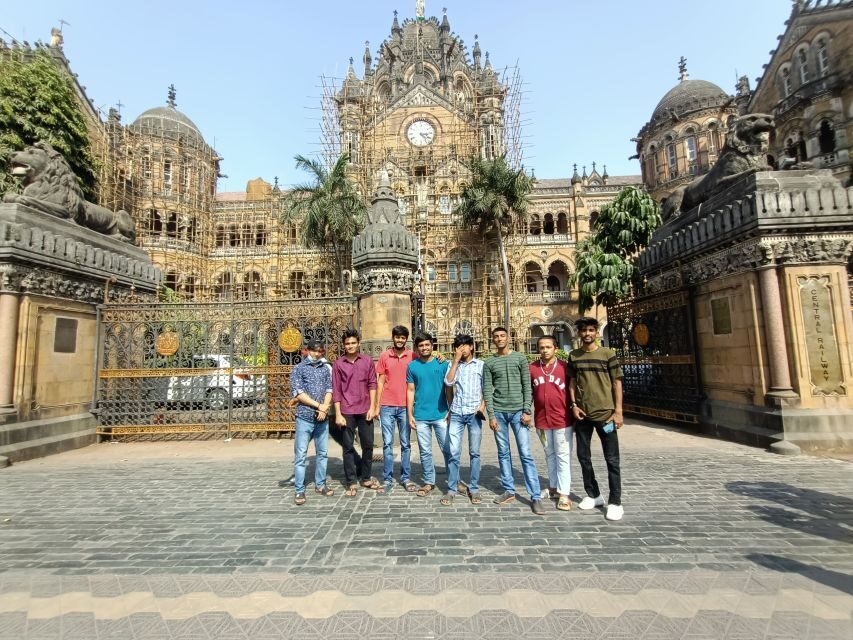
- UNESCO hit early: Chhatrapati Shivaji Terminus is a major anchor stop.
- Cast-iron architecture you can spot: Watson’s Hotel is the early surviving example in India of its kind.
- A Roman goddess fountain: Flora Fountain (built in 1864) gives you an easy detail to look for.
- Guides who connect history to place: from guides like Sanika and Ketan to Mr. Alan, the vibe is friendly and question-friendly.
- Small-group feel can happen: some departures get personal, including cases where one guide adjusts the pace for a small group.
A guided walk where architecture becomes practical city sense
South Mumbai can feel like it runs on layers: older civic buildings, colonial-era design, and the modern city life happening around them. The best part of this heritage walk is that it doesn’t treat landmarks as isolated photo stops. It trains your eye to read the city, so you start noticing why a building sits where it does and what style signals.
You’ll be walking through a cluster of classic Old Mumbai sights, with a guide who explains what you’re seeing in plain terms. The sponsor behind the heritage-education approach is the Mumbai Heritage Walks group, created in April 1999 by architects Abha Bahl and Brinda Gaitonde. Their aim is exactly this: raising awareness about architecture and heritage monuments through tours that stay personalized and easy to follow.
And yes, you’ll still get the icons—just with context that makes them land. That’s the difference between seeing and understanding, especially in a city where the details are often right in front of you.
You can also read our reviews of more walking tours in Mumbai


Chhatrapati Shivaji Terminus: the UNESCO station you’ll learn to read
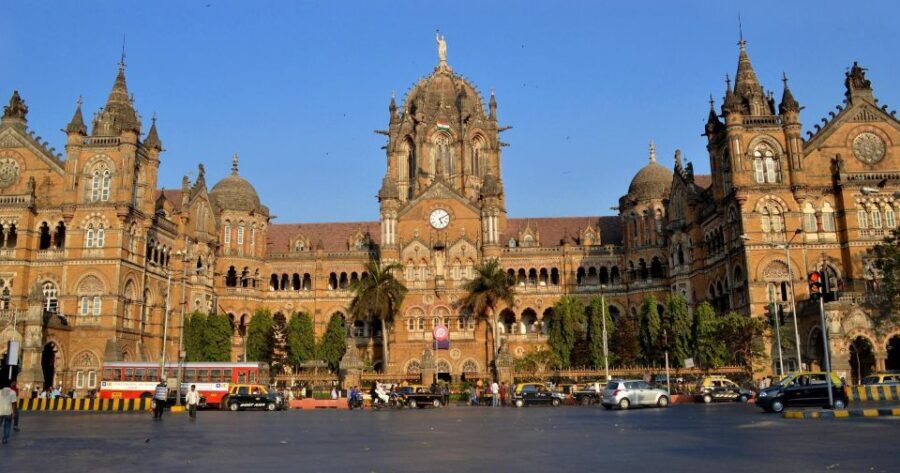
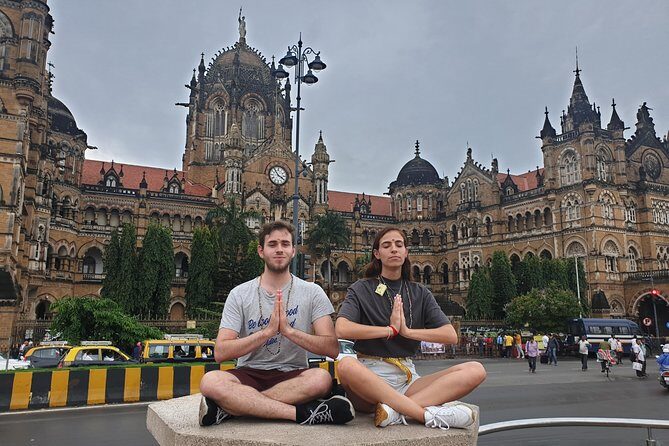
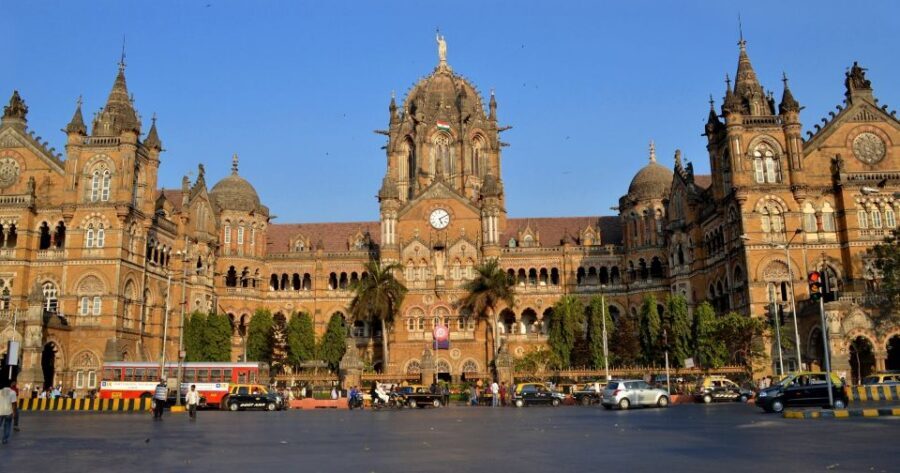
One of the biggest reasons to do this walk is the chance to see Chhatrapati Shivaji Terminus with a guide who points out what most people miss. The station is described as the most beautiful train station in India and one of the world’s UNESCO Heritage Sites, so it’s naturally a must-see.
What makes it special on this tour is not just its fame. You get the sense of how transit architecture carries status and identity, and how the look of a building can reflect the era that shaped it. A guide will help you connect the station to the broader colonial-era and planning story of the area around it.
Practical tip: wear shoes you trust. This is a walking tour, and when you’re looking upward at façades and high details, you’ll still want stable footing.
Town Hall (Asiatic Society Library): old library energy, not dusty trivia
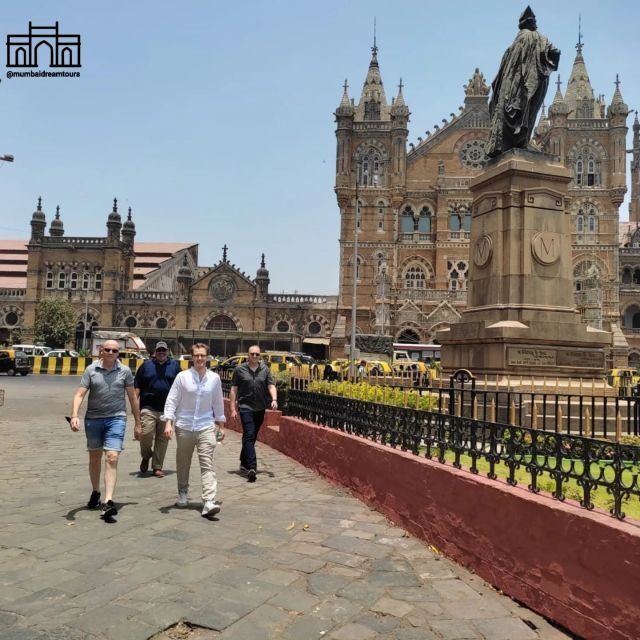
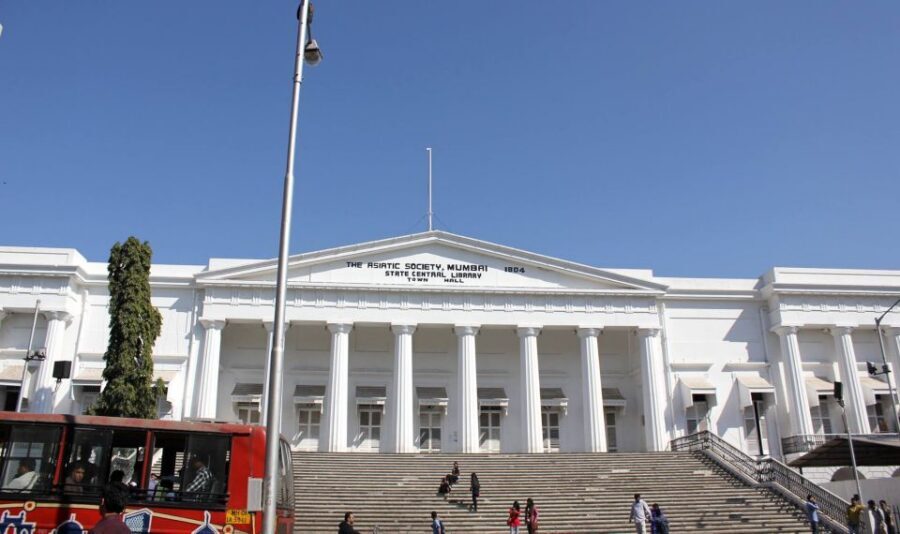
From the station area, the walk heads toward the Town Hall / Asiatic Society Library, a colonial structure that’s among the oldest libraries in town. Libraries are a powerful category of landmark because they represent public learning, power, and long-term investment in knowledge.
On a tour like this, you’re not just hearing dates. You’re getting a way to interpret what colonial civic buildings were trying to project: permanence, education, and authority in physical form. The guide’s job is to show you how the building’s character matches its role in city life.
If you like heritage places that go beyond temples and forts, a library stop is a smart change of pace. It reminds you that history in South Mumbai isn’t only in monuments—it’s also in institutions.
St. Thomas’ Cathedral: a 300-year landmark with a clear point of view
Next comes St. Thomas’ Cathedral, Mumbai, described as a 300-year-old cathedral church tied to the Diocese of Mumbai of the Church of North India. Churches often come with heavy cultural meaning, but this stop becomes more useful when your guide frames it in architecture and community life rather than just religious significance.
What I like about a stop like this on a walking route is how it adds variety to the architecture you’re seeing. You’ll notice how different building types make different kinds of statements—cathedrals tend to feel built for gathering and presence, while civic buildings feel built for administration and public function.
In practice, this is the type of stop where questions help. Guides on this tour—people like Sanika and Mr. Alan, who are noted for being friendly conversationalists—tend to answer patiently and connect the dots without making it feel like a lecture.
Flora Fountain to Marine Drive: small details and big-city views
After the major institutions, the route includes Flora Fountain, built in 1864, depicting the Roman goddess Flora. This is the kind of landmark that’s easy to overlook if you’re only chasing the biggest names. But that’s exactly why it works on a guided walk: you learn to look for symbolism and design choices in what might seem like street furniture.
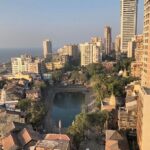
Then comes Marine Drive, one of South Mumbai’s best-known waterfront stretches. Even if you’ve seen it from a distance before, the guide helps you place it in the city’s logic: where the city turns outward, how public spaces are designed, and how colonial planning influenced the look of the shoreline area.
This section is great if you want a satisfying balance: a photogenic view plus architecture explanation. It’s also a good moment to slow down mentally, even if you’re still moving physically.
You can also read our reviews of more guided tours in Mumbai





Bombay High Court and Kala Ghoda: where law meets art
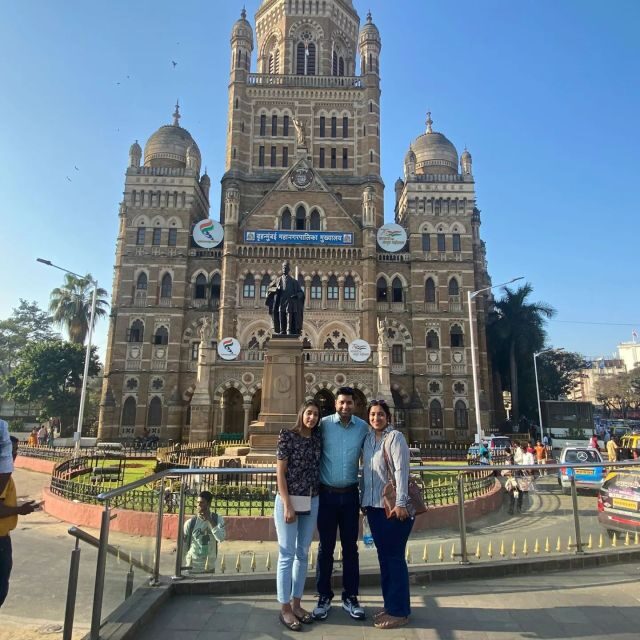
The walk takes you past the Bombay High Court, one of the oldest high courts in India. High courts are monuments of governance. They aren’t only about legal history; the building expresses how institutions wanted to appear—structured, formal, and confident in their place in society.
From there, you shift into Kala Ghoda, described as a crescent-shaped art district that hosts several heritage buildings. Kala Ghoda is a useful contrast because it shows how culture inhabits older structures. Instead of only thinking about courts and cathedrals, you start to see how the same parts of town can keep evolving through art, exhibitions, and community activity.
If your travel style leans toward street-level discovery, this pairing works well. The guide can connect what you’re looking at—architecture and function—so Kala Ghoda feels less random and more like a logical next chapter.
Watson’s Hotel: the cast-iron surprise most people miss
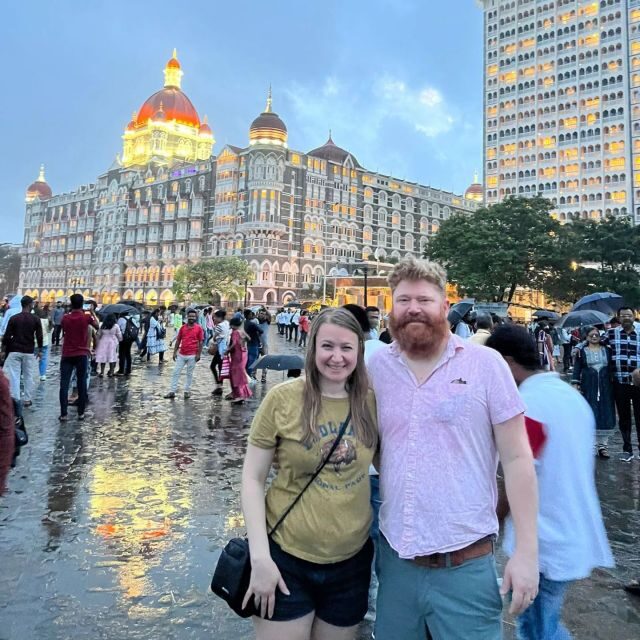
Then there’s Watson’s Hotel, highlighted as the earliest surviving example of cast-iron architecture in India. That detail alone makes it worth a guided stop. Cast iron is one of those materials that looks plain until you know what it represents—industrial influence, engineering innovation, and a shift in how cities built quickly and at scale.
The guide’s focus here is useful: you’ll learn what to look for visually, so the building stops being just a façade and becomes evidence of a specific architectural moment. It’s also a reminder that heritage in South Mumbai includes technical and industrial history, not only politics and grand civic buildings.
This is the sort of place where asking questions helps a lot. If your guide is enthusiastic—Ketan, for example, is described as studying Indian literature and archaeology and answering questions sincerely—you’ll get more meaning out of a short stop.
The Taj Mahal Palace and Gateway of India: glamour with historical weight
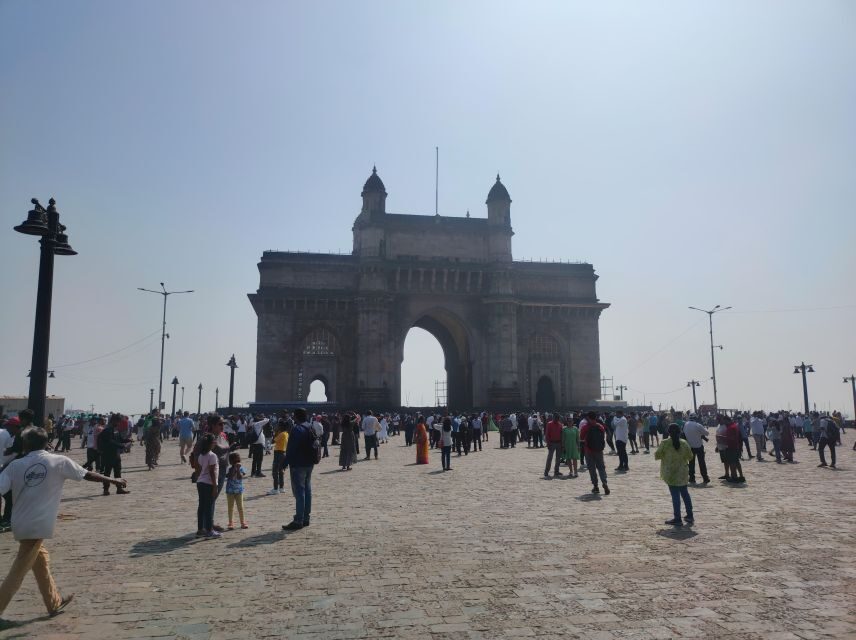
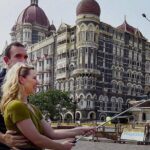
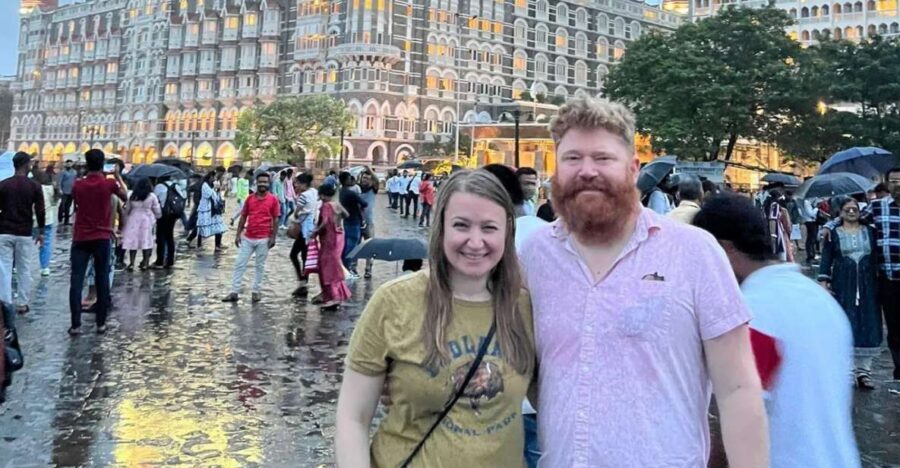
By the time you reach Hotel Taj Mahal Palace in the Colaba area, you’re shifting into the luxury landmark zone—still heritage, but with a totally different feel. It’s a five-star heritage hotel, so the building carries reputation and symbolism, and the walk gives you context for why it belongs in the same heritage conversation as earlier civic sites.
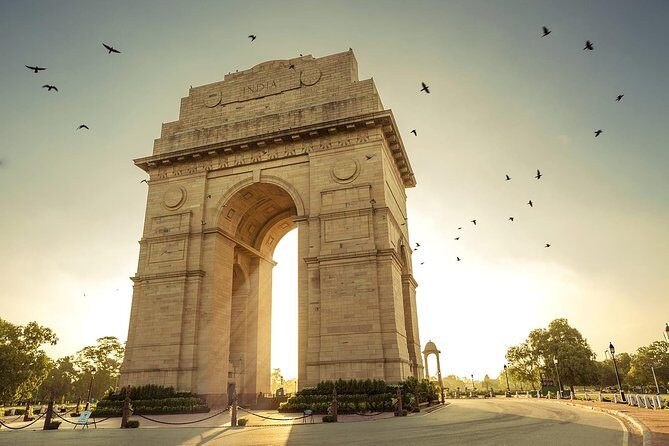
Then the route finishes with Gateway of India, an arch monument built in the early 20th century. It’s the kind of site where most people know the name but not the deeper reason it mattered in its setting. With a guide, you can connect it to how public monuments frame a city’s identity, especially along major arrival routes and public promenades.
This part of the walk is a strong closer because it feels cinematic. Even if you’re not into monument collecting, the guide’s explanation helps you see how the structure functions as a narrative marker—an arrival story you can actually stand inside.
Guides and learning style: why this tour works for first-timers
A big strength of this experience is the guide quality. People named as standout guides include Krishna, Sanika, Ketan, Abhi, Ketan again for enthusiasm, Mr. Alan for conversation, and Alkama for deep landmark enthusiasm. The common thread across these different personalities is that they don’t just recite facts—they respond to curiosity and explain in a way that sticks.
That matters because South Mumbai can be confusing if you’re wandering solo. You might pass a building and think it’s just another façade. Here, the guide gives you a lens: architectural styles, planning elements, and ornamental details that connect to the social and cultural history of the city.
One more nice feature: the walking format makes the learning flexible. When a guide answers a question while you’re still standing near the relevant building, your brain stores the information with a visual anchor.
Price and value: what $28 gets you in real terms
At $28 per person, this tour isn’t expensive, especially given how many heavyweight stops you get in one walk. You’re not paying for a single landmark—you’re paying for interpretation across a string of major sites, including UNESCO-level Chhatrapati Shivaji Terminus, a 300-year-old cathedral, a long-institution library stop, a major high court, a cast-iron architecture example, and the big Colaba-era icons.
For value, the guide’s role is the difference. Seeing these buildings alone can feel like collecting postcards. Doing the walk with an architectural narrative turns it into a coherent overview of Old Mumbai.
Also, the structure includes English, which helps keep the tour accessible without needing specialized local knowledge.
Who should book this South Mumbai heritage walk
This tour is a strong fit if you:
- want an organized first pass through South Mumbai’s best-known heritage sites
- like architecture and public buildings as much as temples
- prefer guided context so you don’t miss details while you’re sightseeing
It’s also a good choice if you want a social learning moment but still move at your own pace within the group. The walking format makes it easy to ask questions and get answers while the sights are close.
If you’re the type who hates walking, though, this won’t be your favorite day. The tour’s whole appeal is that you learn while moving.
Quick practical notes so your day stays smooth
You’ll be doing an outdoor walking circuit, so wear comfortable shoes and plan to hydrate. Because the route is timed around multiple landmark stops and sits around three hours, you may not get long, slow museum-style breaks at each location.
Language is English, and the guides are used to answering questions. If you’re the kind of person who likes to ask about why buildings look the way they do, you’ll feel at home here.
If you’re watching your plans, you can reserve and pay later, with free cancellation up to 24 hours in advance for a full refund. That’s helpful in a city where weather and schedules can change your day.
Should you book Mumbai Dream Tours for South Mumbai heritage?
Yes, if you want a guided route that helps you see more than you already know. This walk earns its price by connecting landmarks—UNESCO CSMT, Town Hall, St. Thomas’ Cathedral, Flora Fountain, Marine Drive, Bombay High Court, Kala Ghoda, Watson’s Hotel, Taj Mahal Palace, and Gateway of India—into a single story about design, planning, and how institutions shaped the city.
I’d skip it only if you want a slow, self-directed day with lots of independent exploring inside buildings. For most first-timers, or anyone returning to Mumbai who wants better context, this is a smart way to start.
FAQ
What is the Mumbai: South Mumbai Heritage Walking Guided Tour?
It’s a guided walking tour in South Mumbai focused on Old Mumbai’s architecture and heritage sites, with stops including Marine Drive, St. Thomas’ Cathedral, and the Gateway of India among others.
How much does the tour cost?
The price is $28 per person.
How long is the tour?
The experience is described as a 3-hour tour in some guide experiences and feedback.
What language is the tour offered in?
The tour is offered in English.
What are some of the main places included?
Included stops are Chhatrapati Shivaji Terminus, Town Hall (Asiatic Society Library), St. Thomas’ Cathedral, Flora Fountain, the University of Mumbai, Bombay High Court, Kala Ghoda, Watson’s Hotel, Hotel Taj Mahal Palace, and the Gateway of India.
Who runs the tour?
The provider listed for this experience is Mumbai Dream Tours.
Can I reserve now and pay later?
Yes, the tour offers a reserve and pay later option, so you can book your spot and pay nothing today.
What is the cancellation policy?
You can cancel up to 24 hours in advance for a full refund.