REVIEW · MUMBAI
Private Guided Walking Tour in Dharavi Slums
Book on Viator →Operated by M/s Khaki Tours · Bookable on Viator
Trash gets turned into jobs here. This private Dharavi walking tour in Mumbai is fascinating because it shows how work and family life run in the same tight streets, with guides who explain what you’re seeing in plain language. I like that it’s grounded in lived perspectives, including local hosts such as Bharti and Dharavi guide Kamlesh.
I also like the focus on specific industries, not vague stereotypes—waste recycling, the leather making linked to the tannery area, and the potters’ neighborhood in Kumbharwada. With guides like Jimmy and Siddhesh, you’ll get both context and what daily life feels like on the ground.
One drawback to consider: the subject matter can be emotionally heavy. Even when the tour is thoughtful and respectful, some people may still feel an uncomfortable edge when poverty sits right next to industry and entrepreneurship.
In This Review
- Key highlights you can’t miss
- Why Dharavi matters beyond the headlines
- Starting at Mahim: where the story’s edge begins
- Dharavi’s recycling and industry: watching work happen
- Bylanes, living conditions, and the tannery connection
- Kumbharwada: potters at work, not just on display
- Guides make or break the tone
- Price, timing, and value for a 2-hour private walk
- How to prepare so you get the right kind of experience
- Should you book this Dharavi walking tour with Khaki Tours?
- FAQ
- How long is the Dharavi private walking tour?
- Where does the tour start and where does it end?
- Is this tour private or group-based?
- What is included in the price?
- Do I need a mobile ticket?
- Is it okay to book close to the start date, and what about weather?
Key highlights you can’t miss
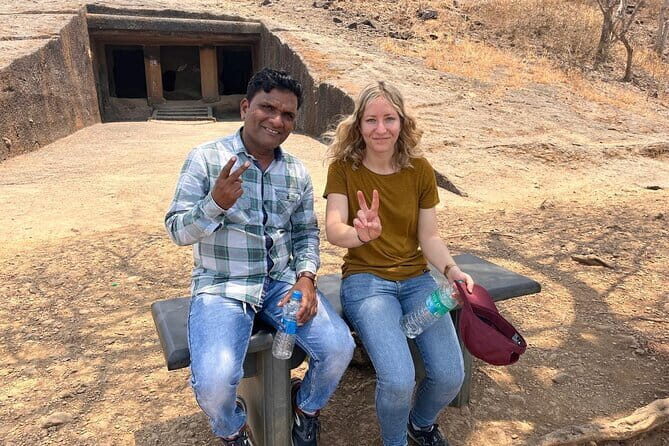
- Local guide insight: you may walk with resident voices like Bharti and community-linked hosts such as Kamlesh
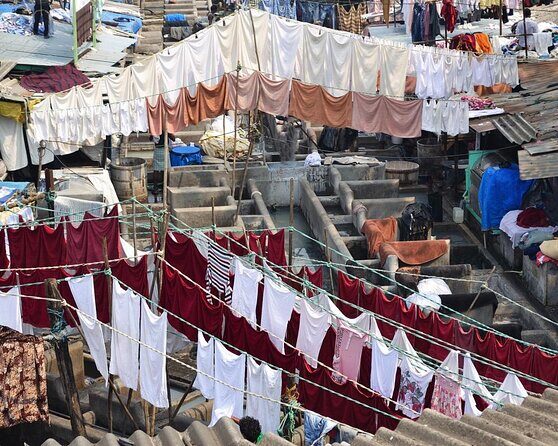
- Recycling to real products: see Dharavi’s informal industrial side where waste becomes value
- Leather tannery area: understand how Dharavi’s famous leather products are made, not just sold
- Potters in Kumbharwada: watch craft work shaped by the neighborhood’s daily rhythms
- Careful balance of history + present: guides like Jimmy often pair background with contemporary reality
- Private experience for your group: only your party participates, with mobile ticketing
Why Dharavi matters beyond the headlines
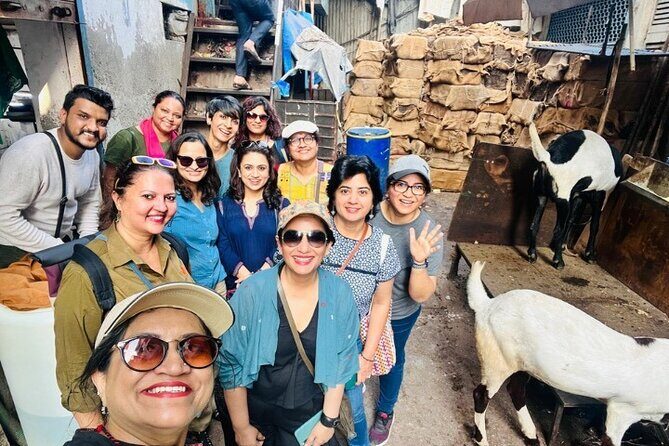
Dharavi has one of those reputations that arrives before you do. Most people think they already know what they’ll see. Then you step into the lanes and the story changes.
This kind of Mumbai walk matters because you’re not only seeing buildings. You’re seeing how people solve problems every day: work that keeps money moving, services that keep communities running, and businesses that turn raw materials into products. The tour’s framing helps you notice details like the pattern of alleys, the way small workshops fit into everyday spaces, and how neighborhoods hold more than one purpose at once.
I also appreciated the tone: the better versions of this experience are guided with respect, not pity. In multiple guides’ stories—whether it was Jimmy, Kamlesh, Bharti, or Palak—the emphasis stays on what people do and how the community organizes itself.
You should still go in with eyes open. Dharavi can show extreme hardship right alongside industry. If you’re expecting a simple sightseeing loop, you may get more than you bargained for.
You can also read our reviews of more walking tours in Mumbai



Starting at Mahim: where the story’s edge begins
The tour begins in Mahim, at a set meeting point near Third Wave Coffee on Tip Road (Unit no. 58, Ground, Ram Mahal, Senapati Bapat Marg, Marinagar Colony). It’s a practical start area and it’s near public transportation, which makes the whole plan easier on travel days.
The first stop is Mahim, described as the edge of the city from which Dharavi’s development began. Even though this part is short—about 10 minutes—it helps you get your bearings fast. When you understand where the neighborhood started growing from, the rest of the walk stops feeling random.
This is also where a good guide earns their keep. A few minutes of clear explanation can prevent the classic mistake: looking at Dharavi like a museum exhibit instead of a living place shaped by time, migration, and business.
I like that the tour doesn’t waste your attention here. It gives context, then moves you forward.
Dharavi’s recycling and industry: watching work happen
Your walk then spends about 30 minutes in Dharavi, focused on the informal industrial side. This is where you’ll see Mumbai’s waste being recycled—because in Dharavi, waste isn’t just trash. It’s raw material, sorted and processed into inputs for other industries.
That shift in thinking is the big value of this stop. You start to notice how the neighborhood functions like a supply chain. You see that what looks like an unpleasant category on a map can become a livelihood system on the ground.
The walk also connects recycling with other production. In the next segment, the guide moves toward the tannery area, where Dharavi’s leather products are manufactured. That combination—recycling plus leather production—helps explain why Dharavi has a reputation for small-scale manufacturing and trading.
This part can be busy and can feel intense because it’s about labor and materials. If you’re the type who needs quiet, you might find your senses working overtime. But if you want to understand how a city works from the inside, it’s compelling.
Bylanes, living conditions, and the tannery connection
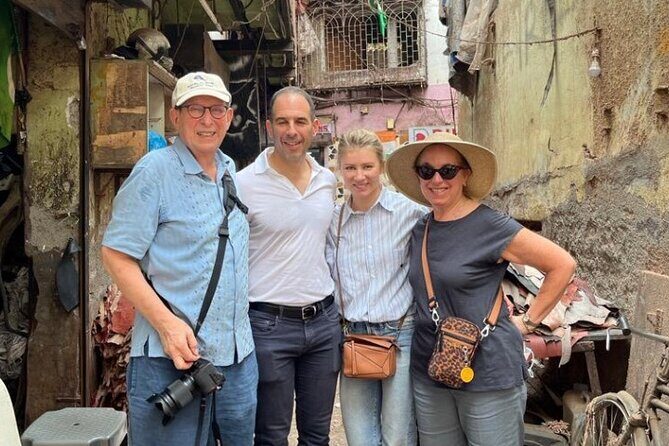
After the recycling-focused portion, you’ll spend about another 30 minutes walking through Dharavi’s bylanes. This is the part where the tour shifts from industry to daily life.
Here, you’re meant to see the conditions residents live with—along narrow alleys, in dense residential spaces, and around the everyday services that keep life going. The highlights listed for the area also point to how broad the neighborhood is: slum dwellings, alleys, a market feel, plus places like temples and schools that anchor community life.
You also revisit the theme of production with a specific look at the tanneries where famous leather products are manufactured. That’s important because it links the labor side to the human side of the neighborhood. You’re not only seeing work sites; you’re seeing them in the same spatial world as homes and routines.
I appreciate that the guides in this experience often balance history with the present. For example, one guide combination highlighted Kamlesh for local context and Jimmy for history. That blend helps you understand not just what’s happening now, but why it makes sense for this ecosystem of businesses and residences.
If you’re worried about how to handle the topic respectfully, you’ll want a guide who keeps the conversation grounded. Many of the strongest accounts of this tour praise guides for doing exactly that—making the experience feel considerate rather than exploitative.
Kumbharwada: potters at work, not just on display
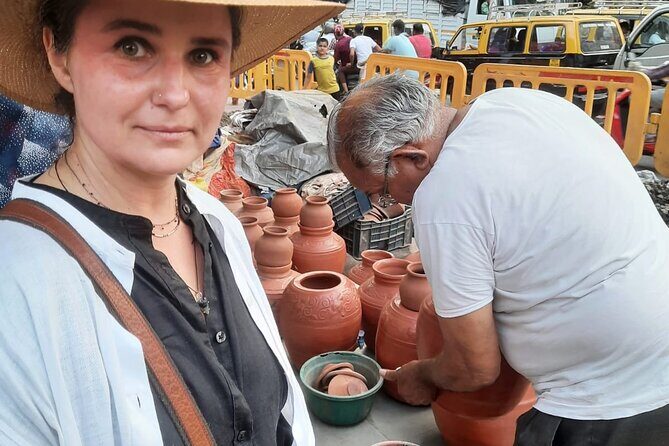
Then comes Kumbharwada, where you’ll spend about 30 minutes in the potters’ settlement. This is a craft neighborhood, and it changes the pace. You’re still in Dharavi, but the focus shifts to how people shape materials—how the neighborhood’s work culture shows up in daily routines and living spaces.
The key thing here is that you’re seeing craft as a system, not as a performance. Pottery needs tools, space, time, and a rhythm. In a settlement like this, the rhythm is tied to the neighborhood itself.
This part also acts like a counterweight to the harder images you might notice elsewhere. Not because hardship disappears, but because craft brings a different kind of understanding: skill, continuity, and the pride of making something with your hands.
And from a reader’s point of view, it gives your camera (and your brain) a different subject. If you’ve spent your day feeling overwhelmed, Kumbharwada can help you end on something human and tangible.
You can also read our reviews of more guided tours in Mumbai






Guides make or break the tone
This kind of tour lives and dies by the guide relationship. The best experiences in this format are guided by people who know the neighborhood deeply and can communicate it without turning residents into props.
Across the experience, names come up again and again—Bharti, Kamlesh, Jimmy, Siddhesh, Sonniya, Maiyur, Palak, Sultan, Mickey, and Sonya. Not every tour will use the same team, but the pattern is clear: you’re likely to get a mix of local explanation and history/present-day context.
A big positive in the feedback you can use to plan your expectations: people often mention feeling the tour was respectful, even if they originally had doubts about how it might be handled. That’s exactly the right kind of expectation to set. You should still keep your own mindset in check—ask questions, stay mindful, and treat the walk as a conversation, not a spectacle.
Safety-wise, many accounts describe it as safe. Still, remember you’ll be walking in a real neighborhood where streets are close and life continues. Wear comfortable shoes, keep your footing steady, and follow your guide’s lead.
Price, timing, and value for a 2-hour private walk
The price is $44.75 per person for a 2-hour walk (approx.). You’ll also see that it’s commonly booked about 8 days in advance, and it offers group discounts. The experience is private, meaning only your group participates.
Is that value? For many people, yes—because the alternative is going solo with limited context. With a guided route that hits major themes (recycling, bylanes/living conditions, tanneries, potters), you’re buying interpretation. You’re also buying local access to spaces that are not built for casual tourism.
Also notice what’s not included. Bottled water and snacks are not included, so plan ahead. Bring water if you like it cold, and pack a small snack if you’re sensitive to low-energy days.
Another practical note: this experience uses a mobile ticket and confirmation happens within 48 hours of booking, depending on availability. Since it runs on real-world streets, it’s also noted that good weather is needed; if conditions are poor, you’ll be offered a different date or a full refund.
If you only have a short time in Mumbai and want one grounded neighborhood experience, this time window fits well. If you’re hoping for long breaks, slow pacing, or a view-heavy, photo-friendly route, you may prefer something less real-world and more open-ended.
How to prepare so you get the right kind of experience
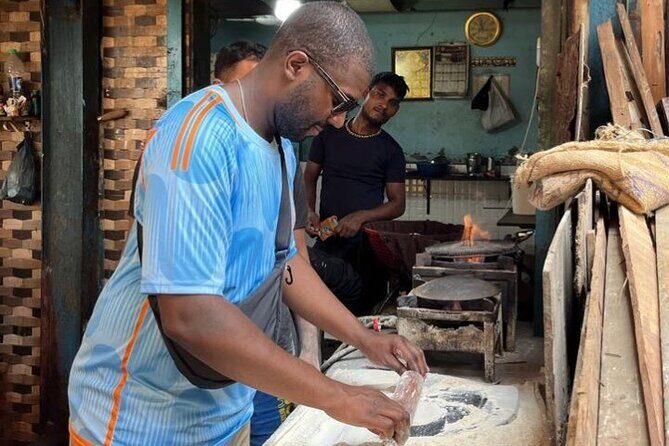
You can make this tour land better by preparing your expectations and your body.
First: mentally. Dharavi is not going to feel like a theme park. It’s a functioning neighborhood with homes and workplaces side by side. If you’re the type who needs to feel “in control” at all times, consider that you’ll be walking through narrow streets where your guide sets the pace.
Second: practically. The meeting point is easy enough to reach with public transit, but you should still arrive on time so the group doesn’t rush. Bring comfortable walking shoes because you’ll be on foot for about two hours total.
Third: bring a respectful attitude. The strongest accounts mention that even families felt the visit was handled thoughtfully. That doesn’t mean you should be silent or distant. It means you should stay human in how you ask questions and how you observe.
And finally: manage your emotions. Some images may be difficult. If that’s not your thing, you might still learn a lot here, but approach it like a serious cultural visit, not a quick photo stop.
Should you book this Dharavi walking tour with Khaki Tours?
I’d book it if you want a real Mumbai neighborhood experience focused on work, daily life, and how industries connect to residents. The route hits several key themes in about two hours—from Mahim’s starting edge to recycling, bylanes and living conditions, tannery production, and the potters of Kumbharwada.
I would not book it if you want a light, carefree outing, or if you strongly dislike confronting poverty in close range. This walk can be moving, and not in a purely cheerful way.
If you do go, pick it for the right reasons: curiosity, humility, and respect. With guides like Bharti, Kamlesh, and Jimmy showing local context and history, you’ll likely come away with a better understanding than you’d get from generic stories.
FAQ
How long is the Dharavi private walking tour?
The tour lasts about 2 hours (approx.).
Where does the tour start and where does it end?
It starts at Third Wave Coffee Tip Road (Unit no. 58, Ground, Ram Mahal, Senapati Bapat Marg, Marinagar Colony, Mahim) and ends in Kumbhar Wada, Dharavi.
Is this tour private or group-based?
It’s a private tour/activity. Only your group will participate.
What is included in the price?
The included item is hosting charges. Bottled water and snacks are not included.
Do I need a mobile ticket?
Yes, the tour includes mobile ticketing.
Is it okay to book close to the start date, and what about weather?
Confirmation is received within 48 hours of booking, subject to availability. The experience requires good weather; if it’s canceled due to poor weather, you’ll be offered a different date or a full refund.