REVIEW · MUMBAI
Heritage Walk: Recommended by Gigi Hadid as a must-do in Mumbai
Book on Viator →Operated by No Footprints · Bookable on Viator
South Mumbai turns walk time into street stories. This private heritage walk pairs hotel pick-up with a pro guide who connects major landmarks across the city, then breaks the route with an included Yazdani bakery snack.
I also like the way it’s designed for attention in real life: close-up sidewalks, quick context, and a pace you can actually manage over 3 to 4 hours.
One thing to think about: most stops are sightseeing from the outside, so if you’re hoping to go inside every building, this may not fully scratch that itch.
In This Review
- Key things you’ll appreciate on this heritage walk
- How this South Mumbai walk feels: private, timed, and street-smart
- Starting at Town Hall and the Asiatic Society: Bombay’s Fort edge, in plain view
- Horniman Circle Gardens to St. Thomas Cathedral: a breather before the next big chapter
- Yazdani Restaurant & Bakery: why the snack stop is more than a break
- Flora Fountain and Hutatma Smarak: the city expands, then tells you why
- Bombay Stock Exchange: from humble roots to Mumbai’s heartbeat
- Keneseth Eliyahoo Synagogue and the Sassoon story: Jewish heritage in Mumbai’s core
- Kala Ghoda Art Precinct: iron buildings, Mark Twain, and street-level art culture
- Lion Gate and the old docks: Ice King mystery and a link to the American Civil War
- Price and value: what $44.39 gets you (and what it might not)
- The guides: what personal attention looks like on this route
- Who should book this heritage walk (and who should skip it)
- Should you book this Heritage Walk?
- FAQ
- How long is the Heritage Walk in Mumbai?
- What’s the price per person?
- Is hotel pick-up and drop-off included?
- Is this tour private?
- What is included in the price besides the guide?
- Where does the tour start and end?
- Are there admission tickets required for the stops?
- Are there any child age benefits?
- Do they run the tour on Mumbai Marathon day?
Key things you’ll appreciate on this heritage walk
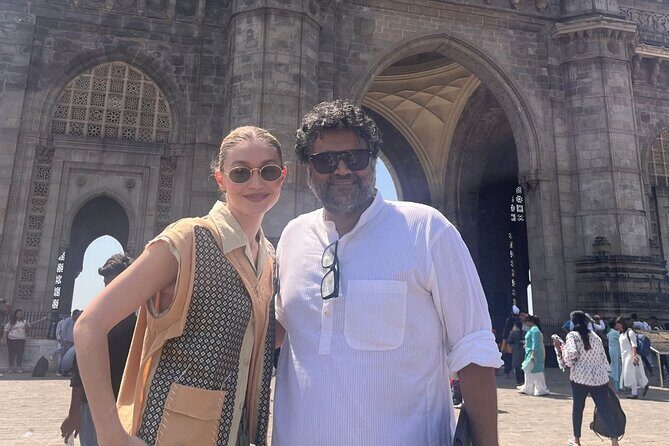
- Private group format with a guide who adjusts: you’ll get personal attention, not a loud slideshow.
- Hotel pick-up and drop-off included (with an extra note for some Mumbai Suburban locations).
- A real break at Yazdani Restaurant & Bakery so your snack is part of the plan, not an afterthought.
- Big themes in a tight route: Fort-era beginnings, trade, Jewish heritage, and political change.
- Free entry at every scheduled stop so you’re not juggling tickets in the middle of the day.
- End-to-end storytelling that sets what you see into a wider Mumbai map, not just random photos.
How this South Mumbai walk feels: private, timed, and street-smart
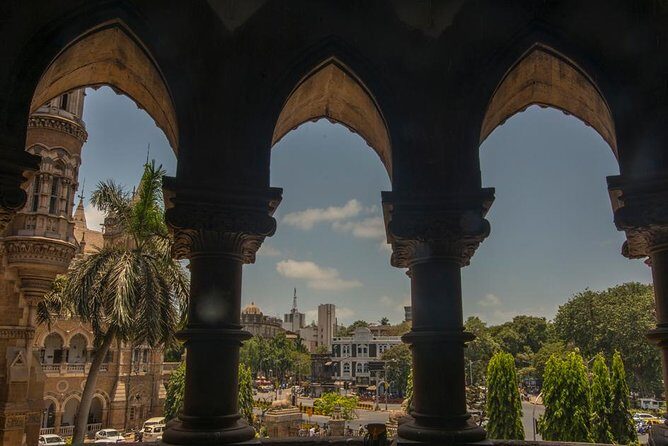
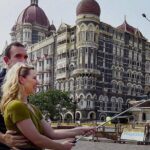
This is the kind of tour that treats walking as part of the experience, not a requirement. You meet near the Asiatic Society area, then spend a few hours weaving through South Mumbai’s core institutions and architecture—more like getting bearings than ticking off a list.
What makes it work well is the human part. The tour is private, so your guide can steer the pace and emphasis. In past groups, guides like Meherbeen have been flexible with how the day runs, even adding a short local bus hop on and off when it helps the route and timing. Dereck is another name tied to smooth service, including waiting when the group arrived late and then adjusting to what the group wanted to focus on.
The duration is short enough that you won’t hate your life at the end. Still, it’s not a sit-down museum tour. You’ll want moderate fitness and comfortable shoes, because you’re mostly on foot for much of the route.
You can also read our reviews of more walking tours in Mumbai


Starting at Town Hall and the Asiatic Society: Bombay’s Fort edge, in plain view
You kick things off at the Asiatic Society area near Town Hall, in the Fort zone. The guide starts with the idea of the old Bombay Fort and the story of what was once there, using the streets around the Asiatic Society as your anchor point. It’s a good opener because it gives you a mental map fast: this area isn’t just pretty buildings—it’s where the city’s early institutional power collected.
From there, the Asiatic Society stop is all about early modern Mumbai. You’ll hear how gas lights were first exhibited there, and you’ll get amusing anecdotes along the way. One example: a funny story involving Jinnah, the father of Pakistan. The point of these side stories isn’t trivia for trivia’s sake—it helps you remember the place because it shows the people and attitudes behind the stones.
Also, don’t miss the opportunity here to ask your guide to slow down for photos. The architecture and setting reward looking up, not just reading signs.
Horniman Circle Gardens to St. Thomas Cathedral: a breather before the next big chapter
Next comes Horniman Circle Garden, a classic break in the middle of a built-up area. It’s a relief after institutional streets—green space that also feels like a “pause button” before you move on.
From there, the route trends toward St. Thomas Cathedral. Even if you don’t spend long staring at every detail, the guided context helps you see why this part of South Mumbai matters. It’s where colonial-era planning and later layers of city life sit close together.
Practical tip: this is a good segment to drink water and check your pace. If you’re the type who likes to linger, Horniman Circle is the place to do it without falling behind for the rest of the route.
Yazdani Restaurant & Bakery: why the snack stop is more than a break
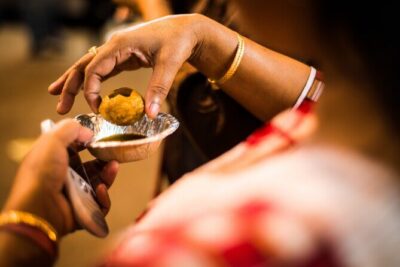
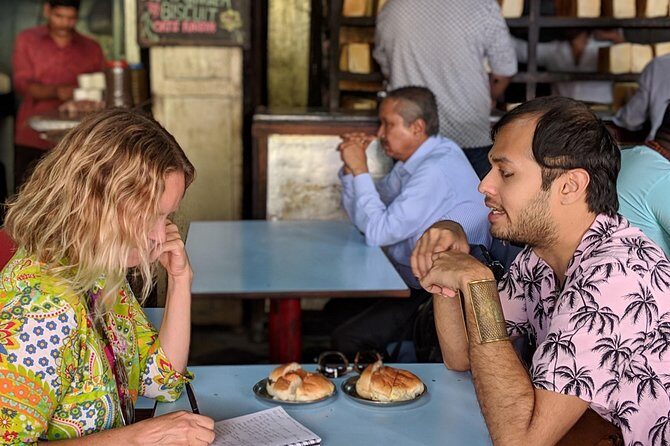
The tour includes a quick bite at Yazdani Restaurant & Bakery, and honestly, it’s one of the smartest inclusions in the whole plan. Snack stops can feel random on some walking tours. Here, it’s timed to give you energy before the route gets denser with major landmarks and tight city streets.
This is also a chance to experience Mumbai’s Parsi food culture in a way that feels practical. You’re not hunting for a café while everyone else is moving. You’re tasting something local right when you need it.
If you get sensitive to spice or strong flavors, don’t worry—you’re only getting a quick bite. Still, I’d go with an open mind. Food is one of the fastest ways to make a city feel real, and this stop helps the walk stick in your memory.
Flora Fountain and Hutatma Smarak: the city expands, then tells you why
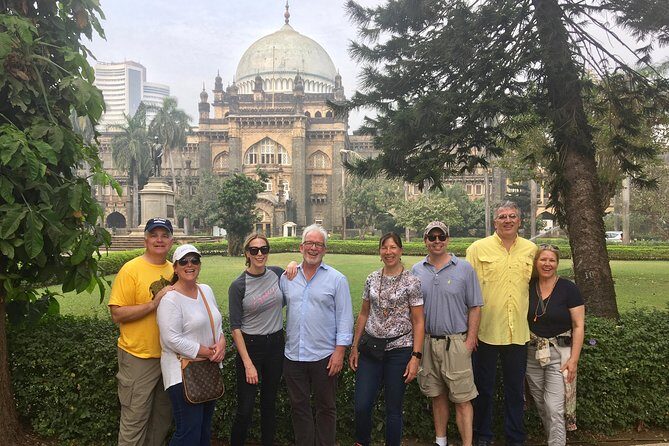
After the bakery, you move to Flora Fountain, a marker of when Bombay pushed beyond Fort limits. This stop works because it connects geography to story. You’re looking at a point in the city that represents growth—and the guide uses it to explain how power, boundaries, and identity shifted over time.
While you’re there, you’ll also hear a story linked to the division of the state of Maharashtra, plus you’ll look toward Hutatma Smarak. The best part of this stop is that it doesn’t feel like a lecture. The guide ties political change to the very physical act of walking through the city, so you understand the “so what” without needing a history textbook in your hand.
If you’re the kind of person who likes to understand why a monument is where it is, this stop will satisfy that itch quickly.
You can also read our reviews of more historical tours in Mumbai



Bombay Stock Exchange: from humble roots to Mumbai’s heartbeat
Next, you reach the Bombay Stock Exchange—the beating heart of the city’s economy. Even for people who don’t care about finance, the storytelling here is worth it. You’ll learn how this monumental institution started under a humble banyan tree and then grew into the structure you see today.
This stop is a reminder that Mumbai’s history isn’t only about empires and churches. It’s also about commerce—risk, ambition, and the people who built systems big enough to shape modern life.
What to expect on the ground: you’ll likely get a focused look at the building and the origin story, then move on. Again, this tour is more about guided orientation than long interior visits.
Keneseth Eliyahoo Synagogue and the Sassoon story: Jewish heritage in Mumbai’s core
The route turns to Keneseth Eliyahoo Synagogue, and this is where the tour grows in emotional weight. The guide frames the stop as part of Mumbai’s Jewish heritage, then zooms in on the Sassoon family and their impact on the city.
You’ll also hear how Jewish communities shaped the city’s social and architectural story over time. This isn’t presented as distant “religion tourism.” It’s about how families and faith communities contributed to the city’s growth in very tangible ways.
If you like heritage tours that mix culture with architecture and family stories, this is one of the strongest segments.
Kala Ghoda Art Precinct: iron buildings, Mark Twain, and street-level art culture
Kala Ghoda is the art precinct part of the day, and it gives the walk a modern creative angle. Here, you’re in a neighborhood where stories about Sassoon and Jewish history sit next to the art-and-architecture vibe of the area.
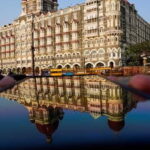
One specific piece of context you’ll hear: the Watson Hotel, described as the first iron cast building in the city, and its connection to Mark Twain. That combination—literary fame and industrial-era building technology—makes Kala Ghoda feel like more than just an aesthetic stop.
This segment also tends to be where you’ll want to slow down for photos and street details. The area has enough visual variety to keep you interested even if you’ve already heard a lot of history earlier.
Lion Gate and the old docks: Ice King mystery and a link to the American Civil War
The tour closes at Lion Gate near the old docks of Mumbai. This final leg is meant to feel like a payoff: you’ve spent hours building context, and now the guide leans into the odd, memorable stories that make the city feel like it has a pulse.
You’ll hear about the mystery of the Ice King, plus a connection between Mumbai and the American Civil War. These are the kinds of stories that stick because they’re strange in a good way. Even if you don’t verify every detail on the spot, the guide helps you understand why the story matters to the place.
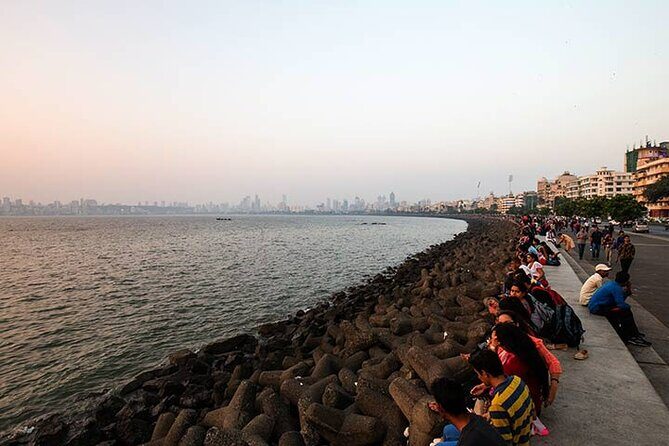
Ending near the docks also makes sense for orientation. You leave with a sense of how Mumbai’s shoreline tied into trade and movement—so future travel in the city feels less random.
Price and value: what $44.39 gets you (and what it might not)
At about $44.39 per person, this tour is priced like an affordable way to hire a real guide for a focused half-day. The value is strongest because key costs are bundled: professional guide, all fees and taxes, hotel pick-up and drop-off (with a note about additional transport for some Mumbai Suburban hotels), and the quick Yazdani snack.
Admission is also free for the stops listed, so you’re not paying entry fees on top. That matters in a place where you could easily burn budget and time on ticket logistics.
Two practical value notes:
- It’s a private tour, which usually means less waiting and more chance to ask questions.
- It’s still a walking format, so you’ll get more out of it if you’re willing to be active for a few hours.
If you want a guided route plus memorable food and landmarks, the price makes sense. If you’re expecting a tour that includes lots of interiors and museum-style access, you might feel limited.
The guides: what personal attention looks like on this route
One reason this tour has a strong track record is the way guides handle real-world issues: delays, route tweaks, and interest-based adjustments. Dereck, for example, is connected to stories of waiting even when the group ran late, then reshaping the day to match what people cared about.
Meherbeen is another name tied to an easy, friendly rhythm—comfortable late morning meeting weather, a smooth pace, and that short local bus hop on and off. That flexibility is part of the value. Mumbai has traffic and sidewalk realities. When your guide adapts, the tour feels like it’s working with the city instead of against it.
Who should book this heritage walk (and who should skip it)
Book it if you want:
- A first “orientation” day in South Mumbai with a guide who connects the dots.
- A heritage walk that includes food, not just photos.
- Stories that move from Fort-era beginnings to commerce, religious heritage, and local art precinct vibes.
Skip or reconsider if you:
- Need lots of interior visits. Some building access may not be part of the experience here, and that can disappoint if you’re planning your day around entering sites.
- Want a low-walking, fully seated tour. This is for people who can do a moderate walk for several hours.
It’s a good match for couples, solo travelers, and small groups who like asking questions and moving at a human pace. Families with kids can also consider it—children under 9 can join at no cost.
Should you book this Heritage Walk?
Yes—if you’re aiming for an efficient, story-driven introduction to South Mumbai, this hits the sweet spot. The included hotel pick-up, the Yazdani snack, and the guided arc through major landmarks make it feel like more than a simple walking route.
I’d book it when weather is reliable and you can enjoy a few hours outside. Mumbai can be hot and humid, and this experience notes good weather as important.
If you’re the type who enjoys city history through streets, family stories, and local food, you’ll likely come away with more than photos—you’ll come away with bearings.
FAQ
How long is the Heritage Walk in Mumbai?
The tour lasts about 3 to 4 hours.
What’s the price per person?
The price is $44.39 per person.
Is hotel pick-up and drop-off included?
Yes, hotel pick-up and drop-off are included. If you need pick-up from Mumbai Suburban hotels, there may be an additional transport cost.
Is this tour private?
Yes. It’s a private tour/activity, and only your group participates.
What is included in the price besides the guide?
The tour includes all fees and taxes and a quick snack at Yazdani Restaurant & Bakery.
Where does the tour start and end?
It starts at The Asiatic Society, Mumbai Town Hall area (Asiatic Society), and it ends at Archana & Harish Mittal Art InitiativeAdor House in Kala Ghoda, Fort.
Are there admission tickets required for the stops?
The scheduled stops list free admission tickets.
Are there any child age benefits?
Children below 9 years of age can do the tour for free of cost.
Do they run the tour on Mumbai Marathon day?
No, the tour is not conducted on the day of the Mumbai Marathon.