REVIEW · MUMBAI
Mumbai Morning Market Tour of Flowers, Fish, and More
Book on Viator →Operated by Cityscape Mumbai Tours · Bookable on Viator
Most people rush past Mumbai’s real daily life. This tour slows you down with an early walk through fish and flower markets, then a look at Dhobi Ghat where thousands of clothes get cleaned each day. You’ll also get a small chai stop and a ride on local transport, so it feels like seeing how the city actually runs, not just snapping photos.
Two things I really like: you get strong sensory contrast fast (the fish smell and wet market vibe next to the bright flower stalls), and the route is built around timing—many markets close as the day gets going. One thing to plan for: it’s an early start, and the fish area can be smelly and wet, so bring shoes you won’t mind getting ruined.
In This Review
- Quick highlights (what makes this tour work)
- Why This Early Start Beats Typical Mumbai Sightseeing
- Sassoon Dock: Fish Market Energy at First Light
- Dhobi Ghat: Seeing 2,000 Clothes Being Cleaned Daily
- Dadar Fruit and Vegetable Market: Produce That Feels Like a Daily Clock
- Flower Market Dadar: Color, Scent, and Morning Trading
- The Chai Stop: A Real Break, Not a Tourist Pause
- Local Transport Feel: Getting Around Like a Mumbai User
- What About Time and Pace (3 Hours Can Still Feel Full)
- Price and Value: Why This Costs About $20.72
- Who This Tour Fits Best (and Who Might Skip It)
- Guides Matter: The Human Touch at Market Speed
- Practical Packing List for Fish, Flowers, and Laundry Stops
- Should You Book This Mumbai Morning Market Tour?
- FAQ
- What’s the duration of the Mumbai Morning Market Tour?
- Where does the tour start and end?
- Is pickup offered?
- What does the tour include at the markets?
- Are admissions required for the stops?
- Do you ride local transportation during the tour?
- Is the chai break included?
- Is this a private tour?
- How will you receive your ticket?
- Can I get a full refund if I cancel?
Quick highlights (what makes this tour work)
- Sassoon Dock fish market early: see fishermen unload and crowds buy for the day.
- Dhobi Ghat laundry in action: watch how over 2,000 clothes are washed and dried daily.
- Dadar markets in sequence: fruit and veg first, then flowers—color and scent balance.
- Short chai break: a real pause while you take in local rhythm.
- Strong guide track record: people repeatedly praise guides like Jawwad (Jay), Abhishek (Abhi), Sharon, and Ayan for clear English and care.
Why This Early Start Beats Typical Mumbai Sightseeing
Mumbai is loud, big, and fast. Most sightseeing fits into a late-morning box: viewpoints, monuments, malls. This tour swaps that for a time window when the city is mostly working, not posing.
That timing matters for three practical reasons. First, you get the markets in peak flow while sellers and buyers are still doing their rounds. Second, you’ll miss some of the worst midday crush that makes walking miserable. Third, you’ll catch better light for photos before the sky turns harsh and the streets heat up.
I also like that the day is built like a “local circuit.” You’re not just standing in one place watching stalls. You move through different types of commerce—fish, produce, flowers, and laundry—so you understand Mumbai through how people eat, buy, and maintain everyday life.
And yes, you’ll smell things. Fish is fish. Laundry is laundry. If you’re the type who hates strong odors, pack a tolerant attitude or step away briefly when you need to.
You can also read our reviews of more shopping tours in Mumbai

Sassoon Dock: Fish Market Energy at First Light

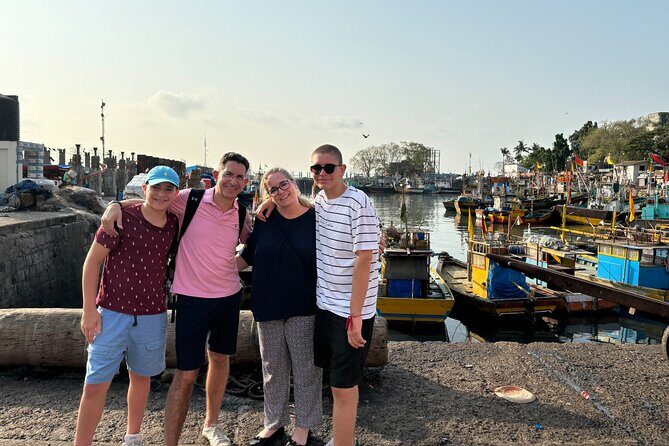
This is where the tour hooks you. Sassoon Dock is an early-morning fish market scene with boats, unloading, and the kind of crowd flow that comes from people buying dinner ingredients on schedule.
Here’s what to watch for. Look at how fishermen and handlers move quickly and efficiently—this isn’t a slow marketplace. Then watch the buyers. Many are shopping fast, knowing exactly what they need for the day.
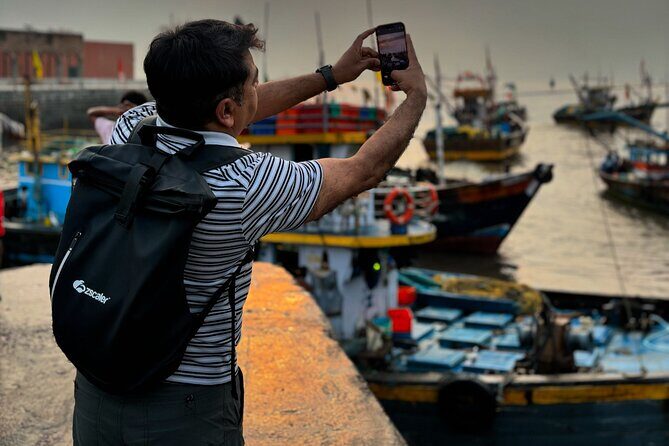
Photo-wise, it’s one of the best “real life” stops. Even without staging, you get color: boats, crates, and the bright mix of market produce. Just keep your expectations realistic: the ground can be wet and the air can be intense. Good shoes aren’t optional. If you bring light sneakers that fear water damage, you’ll regret it.
Practical tip: wear footwear with grip and protection. You’ll thank yourself later when you’re walking across damp surfaces and dodging the market’s busy lanes.
Dhobi Ghat: Seeing 2,000 Clothes Being Cleaned Daily
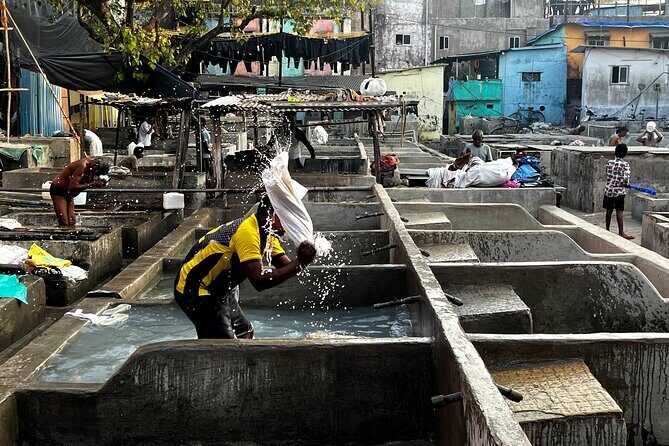
Dhobi Ghat is the stop that changes your mental picture of what “tourism” can be. You’re not just looking at a landmark. You’re watching a working system.
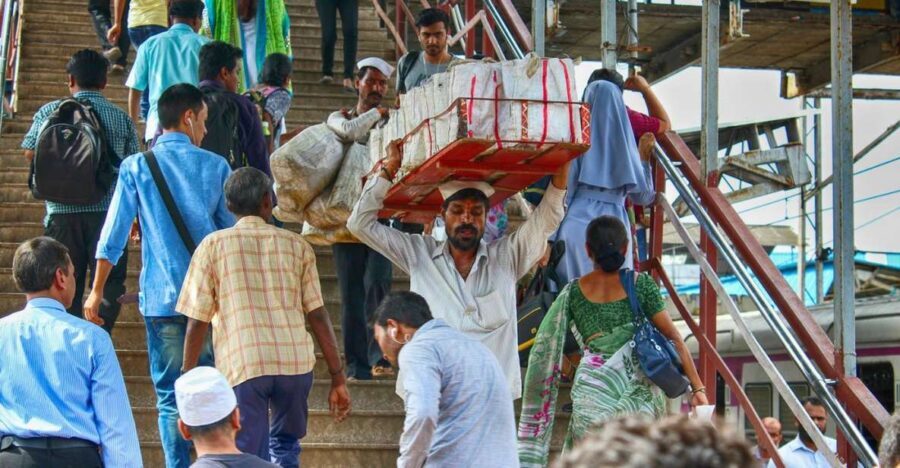
In this area, washers clean and dry clothes for thousands of items each day, including laundry from hotels, hospitals, and private homes. The scale is part of the shock. You’ll see rows of clothes in different stages of cleaning, with workers doing skilled, repetitive motions that keep the whole operation running.
What makes Dhobi Ghat especially worthwhile is the context you get while you’re there. Even when you don’t understand every detail, the place teaches you how labor, sanitation, and daily demand connect in a megacity like Mumbai. It’s a living behind-the-scenes glance, not a museum exhibit.
A consideration: this is a crowded working zone. Expect people moving close together, and plan to stay mindful of your footing and your belongings. If you like quiet, this won’t be your place. But if you want the authentic side of city life, it delivers.
Dadar Fruit and Vegetable Market: Produce That Feels Like a Daily Clock
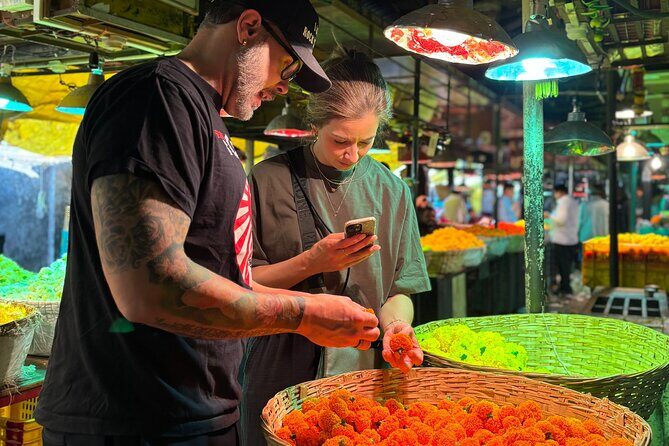
After the fish stop, the tour shifts gears into food supply. At the fruit and vegetable market in Dadar, you’ll see seasonal produce arranged by sellers who know their customers.
What I like about this section is how it adds logic to everything you’ve seen before. You’re no longer only dealing with catch-of-the-day fish. Now you’re seeing the other side of meals: vegetables, spices used in cooking, and the everyday ingredients people rely on.
You’ll notice the pace is still fast. It’s buying and selling that supports lunch plans, dinner plans, and snack runs across the city. If you’ve ever wondered how a huge city feeds itself, this stop answers it with your eyes: inventory changes constantly, and people shop on timing.
Photo advice: take a moment to look for patterns—stacks, colors, and the way sellers group items. You don’t need a fancy camera. Good composition and a quick lens of curiosity will do.
Flower Market Dadar: Color, Scent, and Morning Trading
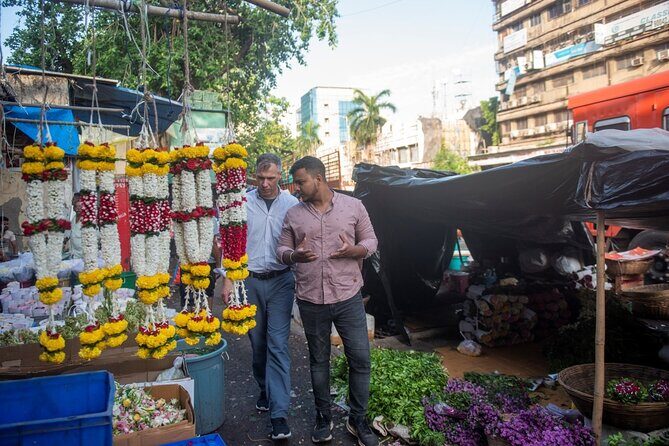
Then comes one of the most fun shifts in the day: flowers.
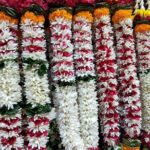
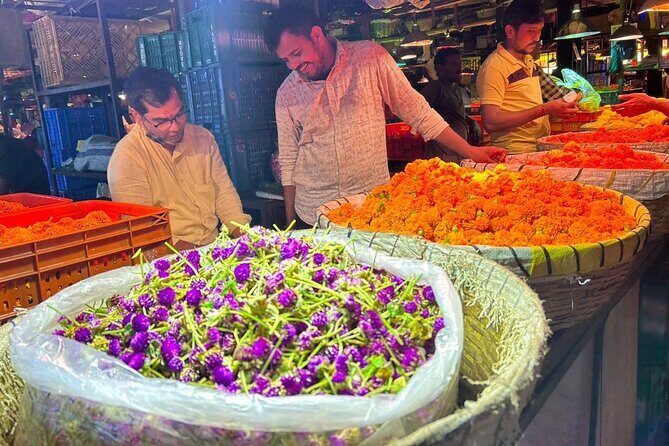
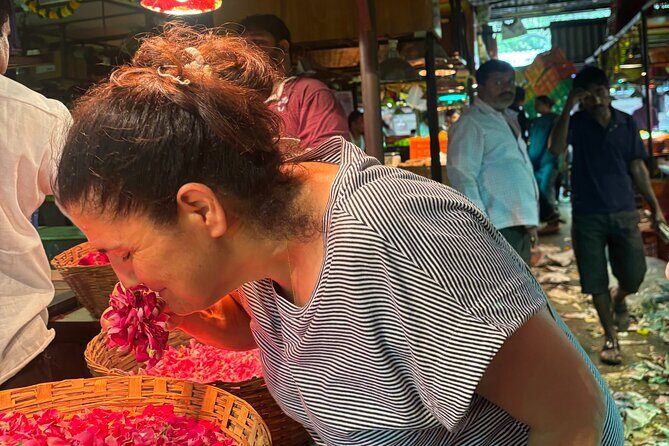
At the Dadar Flower Market, you’ll see vendors trading fresh blossoms in a tight network of stalls. The energy is different from fish and laundry. Here, it’s about arrangement, selection, and quick buying for daily religious use, decorations, and events.
Even if you’re not into flowers, the sensory contrast is worth it. Fish can be a lot. Dhobi Ghat can be intense. Flowers feel like a reset button—bright color and a calmer visual order.
Also, timing helps. Since it’s morning, you’ll often see flowers in good shape and crowds that are active but not fully chaotic. That’s a sweet spot for walking and taking photos without bumping into people every step.
If you’re sensitive to strong smells, keep in mind flowers can still be fragrant, just in a different way than fish. The good news is that the “scent type” changes, so your brain gets a breather.
You can also read our reviews of more tours and experiences in Mumbai





The Chai Stop: A Real Break, Not a Tourist Pause
You get a small chai (tea) break during the tour. That’s not just a comfort moment—it’s a useful cultural pause.
In a market-heavy morning, a tea stop gives your body a chance to reset and your mind a chance to connect details. You’ll often notice how conversations happen between guide and group: what things are, why people buy certain items, and how the market rhythm affects daily life.
It’s also where you can ask quick questions without feeling like you’re holding up the walk. If you’re the type who collects small facts, this moment is handy.
Local Transport Feel: Getting Around Like a Mumbai User

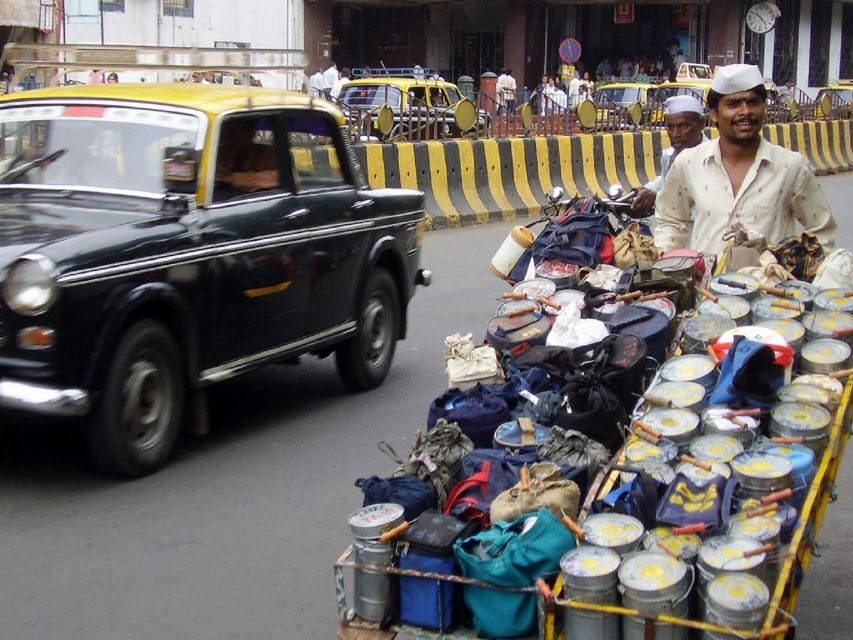
One reason this tour feels practical is that it doesn’t only run on walking. You’ll take local taxi or train at parts of the route, including a local train ride as described in the tour experience.
That matters because Mumbai’s neighborhoods feel totally different from each other. Seeing the city from the street is one thing. Moving through it the way locals do—quick hops, crowded moments, simple transit—helps you understand the geography of daily life.
If you’re prone to motion sickness or you dislike crowds, keep your expectations grounded. Public transit can mean shoulder-to-shoulder travel. Bring patience.
What About Time and Pace (3 Hours Can Still Feel Full)
The tour is about 3 hours. That’s a sweet length: long enough to cover multiple markets and a working-city stop, short enough that you’re not stuck doing one thing for too long.
The biggest scheduling factor is early timing. Markets close as the morning progresses, so your guide keeps momentum. That’s why the day works even if you’re visiting for the first time.
If you’re sensitive to early mornings, treat this as a small sacrifice for big payoff. You’ll get the “before the city wakes up” view that most people miss.
And bring energy snacks. You’ll have a chai break, but you’ll still be walking and watching all morning.
Price and Value: Why This Costs About $20.72
At $20.72 per person, this is strong value for what you get. You’re paying for a guided route that connects multiple working markets, a Dhobi Ghat visit, and a cultural tea stop within a tight timeframe.
Also, admissions are listed as free for the stops. That matters because many market tours still charge extra for access or guides. Here, your money goes to the experience itself: time, explanation, and helping you move through busy areas without guessing.
Finally, the tour is described as private, so it’s only your group. That can raise the value if you’re traveling with friends or family and want the guide’s attention without blending into a large crowd.
Who This Tour Fits Best (and Who Might Skip It)
This tour is a great fit if you want Mumbai through everyday work: food supply, flower trade, and laundry operations. It also suits you if you like photography that feels real, with morning light and active streets.
You’ll probably enjoy it most if you’re comfortable with crowds and don’t mind strong smells. The fish stop is the main smell factor, and Dhobi Ghat is the main intensity factor.
It may not be ideal if you hate wet ground, strong odors, or you’re looking for a polished “scenic” experience only. This is a working-city morning. It’s not pretending to be pretty.
Guides Matter: The Human Touch at Market Speed
A big reason this tour earns a 4.9 rating is the guide experience. People highlighted guides like Jawwad (Jay), Abhishek (Abhi), Sharon, and Ayan for things that matter on the ground: clear explanations, strong English, and staying patient while the group asks questions in crowded spaces.
That kind of guidance isn’t a luxury here. When you’re moving through tight lanes and busy stalls, a good guide helps you:
- understand what you’re seeing
- avoid getting lost or stuck
- cross streets safely
- keep the walk moving at a workable pace
If you’ve had tours fall apart because your guide couldn’t manage the crowd, you’ll appreciate what a well-run morning does for your stress level.
Practical Packing List for Fish, Flowers, and Laundry Stops
You don’t need special gear. You just need the basics that match the environment.
Bring:
- Comfortable shoes with grip (wet market reality is real)
- Light layers (mornings can be cool, then warm up)
- Water to sip during breaks
- A calm mindset about odors and crowds
If you wear delicate shoes, remember that fish markets can get wet. I’d rather you protect your feet than save space for a spare outfit you’ll never use.
Should You Book This Mumbai Morning Market Tour?
If your goal is to see Mumbai as people actually live it—shopping for food, running daily trade, and maintaining laundry—this tour makes a lot of sense. The sequence of fish, fruit and veg, flowers, and Dhobi Ghat gives you a full picture of everyday city logistics in just a few hours.
Book it if you’re okay with an early start and want practical authenticity over “big monuments.” Skip it if you’re looking for calm, scenic sightseeing, or you can’t handle strong smells and close crowds.
My final take: it’s one of the best ways to get your bearings fast, because you leave with a sense of how the city feeds itself and what keeps it functioning long before most tourists even think about breakfast.
FAQ
What’s the duration of the Mumbai Morning Market Tour?
It’s about 3 hours (approx.).
Where does the tour start and end?
The start point is listed near PizzaExpress at Dhanraj Mahal, Chhatrapati Shivaji Maharaj Marg, Apollo Bandar, Colaba. The tour ends at the Flower Market Dadar area in Dadar West.
Is pickup offered?
Yes, pickup is offered.
What does the tour include at the markets?
You’ll visit Sassoon Dock (fish market), Dhobi Ghat (open-air laundry), Dadar Fruit and Vegetable Market, and Dadar Flower Market. A small chai break is included.
Are admissions required for the stops?
Admission is listed as free for the stops.
Do you ride local transportation during the tour?
Yes. The experience includes riding local train, and you may take a local taxi or train to Dhobi Ghat.
Is the chai break included?
Yes, a small chai (tea) break is part of the experience.
Is this a private tour?
Yes. It’s described as private, meaning only your group participates.
How will you receive your ticket?
You’ll have a mobile ticket.
Can I get a full refund if I cancel?
Free cancellation is available up to 24 hours in advance for a full refund. Changes inside 24 hours aren’t accepted.