REVIEW · MUMBAI
Mumbai Markets and Temples Tour
Book on Viator →Operated by Reality Tours & Travel Pvt Ltd · Bookable on Viator
Cows and markets in one afternoon. This 2.5-hour walking tour strings together Crawford Market, Mumbadevi Temple, and the Bombay Panjrapole cow sanctuary, with guide commentary that explains what you’re really seeing. You’ll shop the alleys of South Mumbai and get context that’s hard to pick up on your own.
I love the mix of shopping and meaning. Two markets (fruit, meat, textiles, and wedding fabrics) are followed by a temple visit where you learn the basics, and then you see how devotees care for stray cows. I also like the practical, human pace the guide brings—several guides are praised for steering you away from awkward situations and making you feel safe in crowds.
One consideration: the markets are busy, and the tour moves. You get a taste of the chaos, not hours of browsing. Also, at Crawford Market you’ll see warnings that some unusual animal items are sold, so if that’s a hard no for you, plan accordingly.
In This Review
- Key highlights worth your attention
- South Mumbai in 2 hours 15 minutes: the smart way to do it
- Where you meet (and why that ending point matters)
- Crawford Market: what it sells, what it looks like, and the animal warning
- Mangaldas Market textiles: wedding and festival fabric energy
- Mumbadevi Temple: prasad, basics of Hinduism, and a calm reset
- Bombay Panjrapole cow sanctuary: sacred care right in the city
- How the guide turns chaos into a readable story
- Price and value: why $27.97 can actually make sense
- What to wear, bring, and expect from the walking route
- Is this for you? A quick fit check
- Should you book the Mumbai Markets and Temples Tour?
- FAQ
- What is the price of the Mumbai Markets and Temples Tour?
- How long is the tour?
- Where do I meet the guide and where does the tour end?
- What’s included in the tour price?
- What isn’t included?
- What cancellation window do I have?
Key highlights worth your attention
- Crawford Market’s 1871 building and the Gothic-Romanesque look—plus the famous first-electricity claim
- Mangaldas Market textiles where locals buy cloth for weddings and Diwali
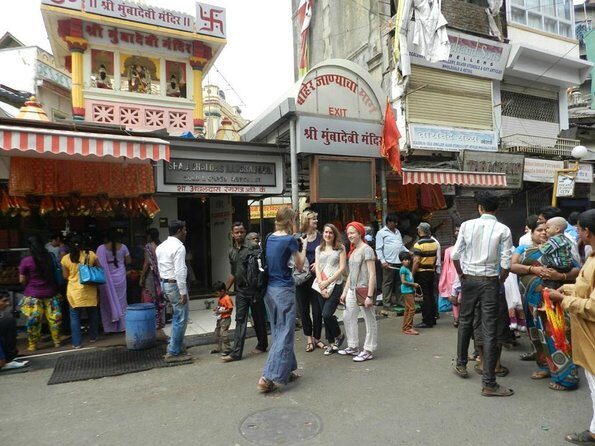
- Mumbadevi Temple prasad and a clear, no-nonsense intro to Hindu practices you’ll witness
- Bombay Panjrapole’s 350+ cows and the idea of sacred care in the middle of the city
- Guide-led safety and local tips (many guides are noted for keeping you comfortable in crowds)
South Mumbai in 2 hours 15 minutes: the smart way to do it
This tour works because it’s not just “see a market, take photos, leave.” You get a sequence: wholesale market first, then another major indoor trading hub, then a historic temple, and finally a cow sanctuary tucked into the urban sprawl.
South Mumbai can confuse your brain fast. Streets loop. Crowds thicken. Shopfronts blur into each other. A guide helps you focus on what matters—what’s being traded, who buys it, and why these places are socially important. And since the walk ends near Charni Road Railway Station, you’re not stuck far from transit afterward.
At a listed duration of about 2 hours 15 minutes, it’s also a good “late afternoon reset.” Start at 3:30 pm, enjoy cooler air compared with midday, then head back out while you still have energy for dinner plans.
You can also read our reviews of more tours and experiences in Mumbai.



Where you meet (and why that ending point matters)
Meet at Regal Cinema, Colaba Causeway, opposite the Chhatrapati Shivaji Maharaj Vastu Sangrahalaya (Apollo Bandar, Colaba). That’s a strong launching spot because Colaba is easy to reach and you’re starting in an area that’s already used to tourists.
The tour ends at Charni Road Railway Station in Girgaon. That’s not just convenient. It’s a smart way to avoid the “backtrack tax,” where you finish far from the rail line and waste time heading home. If you’re using trains during your stay, finishing near a station helps you keep the rest of your day under control.
Also, the group size is capped at 25 travelers. That’s big enough to feel lively, but small enough that you still get real interaction with your guide instead of shouting over a busload.
Crawford Market: what it sells, what it looks like, and the animal warning
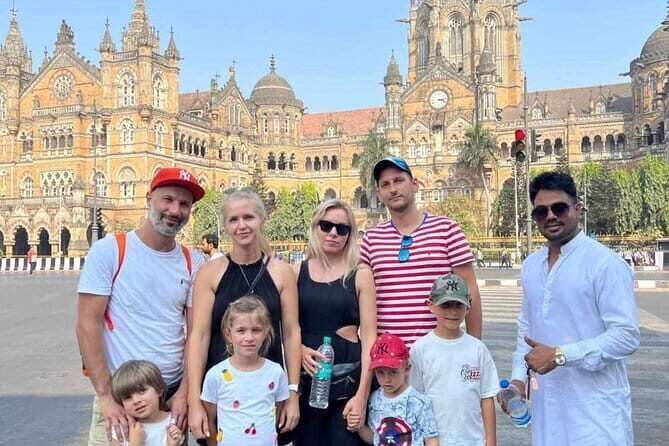
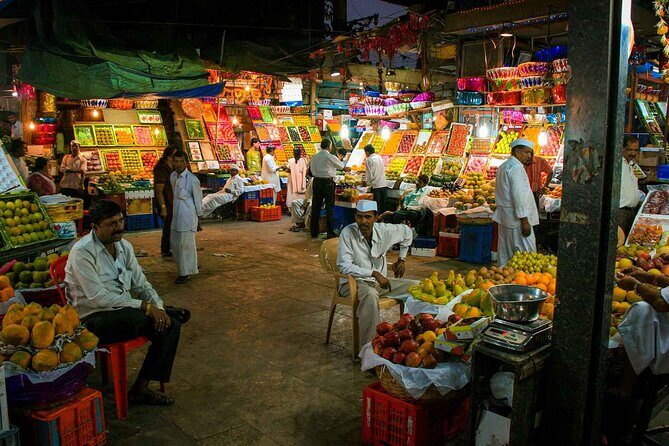
Crawford Market is your first stop, and it sets the tone: trade-heavy, loud, and intensely visual. The building dates to 1871, and it mixes Gothic and Romanesque features—an architectural contrast to the daily chaos inside.
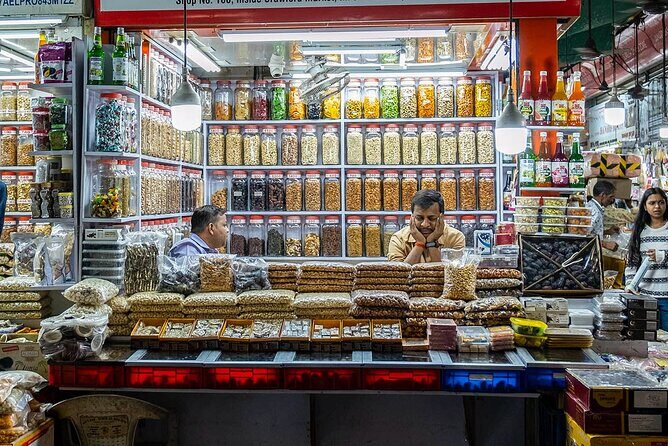
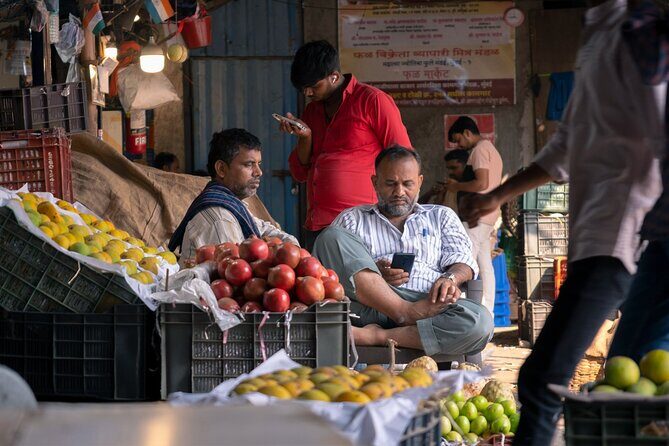
This is one of the city’s largest wholesale spots for fruit, vegetables, meat, and more. You’ll see displays that can be genuinely colorful—produce, meats, imported cheeses, homemade chocolates, and household goods show up in the mix. That variety matters. It’s not a single-purpose market designed only for tourists. It’s built for supply chains.
Two practical tips:
- Go in expecting to look more than buy. Some displays are meant for wholesale, so prices and choices can feel different from what you’re used to at a retail street market.
- Keep your expectations aligned with how crowded it is. Even with a guide, you’ll be moving through tight aisles.
One key heads-up: there’s a warning that some endangered and exotic animals are sold at Crawford Market. If you’d rather not be in that environment at all, decide before you go. You can still enjoy the rest of the tour, but your comfort level matters.
Mangaldas Market textiles: wedding and festival fabric energy
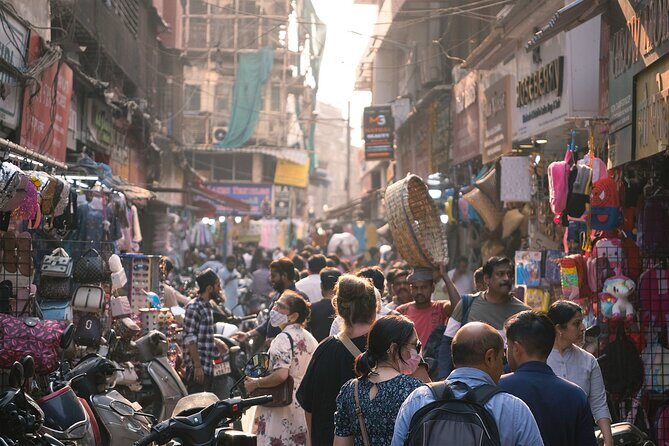
Next up is Mangaldas Market, opened in 1893. This is where the tour earns its keep for shopping fans. Instead of food stalls, you’re walking into a textile world—mostly clothing materials sold by many vendors and tailors.
It’s described as the largest indoor wholesale textile market in Mumbai, and it’s tied to major occasions. People buy cloth for weddings and Diwali, so the place has a “festival supply” feel, even when you’re there on a random afternoon.
Fashion designers come here too. That detail matters because it explains why you’ll see such a wide range of fabric styles and qualities. Even if you don’t plan to have anything made, it helps to know that this is a serious procurement hub, not just a place to wander.
If you’re shopping:
- Focus on fabric you can understand from a distance—color, weight, and how it’s being packaged.
- Ask what you can use it for. A tailor will often have clearer suggestions than a generic retail explanation.
And because this is indoor, it’s a nice little weather switch from outdoor walking. Just be ready for more shoulder-to-shoulder movement once you’re inside.
Mumbadevi Temple: prasad, basics of Hinduism, and a calm reset
After the markets, you’ll step into Mumba Devi Temple—also known as the temple that’s namesake of Mumbai. This is where the tour shifts from commerce to religion, and it’s one of the most meaningful parts if you like understanding local daily life.
Inside, you might see devotees being blessed by Hindu priests. Your guide explains the basics of Hinduism in a way that helps you connect what you’re witnessing to the bigger picture, instead of feeling lost.
If you’re up for it, the tour mentions prasad, which is a blessing you may receive from priests. Even if you’re not religious, it can be a powerful cultural moment because it shows how faith is practiced in real time, not just displayed as a monument.
A good way to handle this stop:
- Keep your posture and clothing respectful. Conservative dress is recommended across India, and this part of the tour reinforces it—cover shoulders and knees.
- Ask your guide what to do and what not to do before you move deeper into the temple spaces.
This is also the tour’s best “breather.” The markets strain your senses. The temple lets your eyes and mind catch up.


Bombay Panjrapole cow sanctuary: sacred care right in the city
Then comes the part many people remember most: Bombay Panjrapole. This is an animal sanctuary for the welfare of 350+ cows (hundreds, in practice), and it’s set in the heart of South Mumbai instead of far out in the countryside.
In Hindu belief, the cow is sacred. The tour explains that people come to the shelter as part of caring actions tied to faith—an idea framed around gaining karma through service.
What makes this stop work is that it isn’t just “look at animals.” You’re seeing a living social practice: people, devotion, routines, and caretaking all in one place.
One practical note: the sanctuary stop is listed at about 20 minutes. That’s enough time to understand what you’re seeing, but not enough time to linger for a long photography session. If you want to spend more time here, don’t treat the tour as your only visit—you can add extra time afterward on your own.
If you’re uncomfortable with close animal encounters, come mentally prepared: this is a working sanctuary environment. Go in respectfully and follow any guidance from your guide.
How the guide turns chaos into a readable story
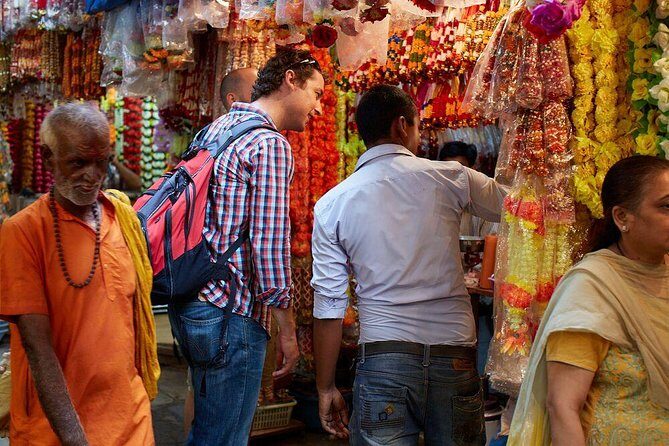
This tour lives or dies by the guide. The best reviews share the same core theme: you don’t just get facts. You get help navigating people, pace, and pressure.
Guides mentioned include Sabina, Nilesh, Biju, Bipin Kumar, Cham, Jaden, and Chetan. Across them, the repeated praise is consistent:
- You feel safe and comfortable while moving through crowded market lanes.
- The guide uses local know-how to keep you from being pulled into unfair pressure or attention.
- English explanations are clear enough that questions land and get real answers.
Even the softer details matter. One slow-walker-focused review praised a guide for understanding needs and adjusting how you move. That’s not just kindness. It changes whether the experience feels exhausting or enjoyable.
So here’s my practical advice: start by telling your guide what you want. If you’re shopping-heavy, say it. If you’re temple-and-culture-focused, say it. If you’d rather avoid certain sights at Crawford Market, say it early—don’t wait until you’re already there.
Price and value: why $27.97 can actually make sense
The listed price is $27.97 per person for about 2 hours 15 minutes, including a local English speaking guide and water/cold drink. Admission tickets for the listed stops are marked free.
On paper, it might look like “just a walking tour.” In real value terms, it’s paying for three things you’d struggle to recreate cheaply:
- A guide who can interpret what you’re seeing in markets and temples
- Time saved on figuring out where to go and how to move in busy areas
- Access to context around the cow sanctuary and Hindu practices you’ll witness
You’re also not paying for hotel pickup and drop-off. That’s a small plus for cost control, but it also means you should plan your own arrival and departure around the start at Regal Cinema and finish at Charni Road.
Add it up like this: if you’d spend a similar amount on taxis just to find your way between major points, or if you’d miss the temple and sanctuary context without a guide, the $27.97 starts to feel reasonable.
What to wear, bring, and expect from the walking route
The tour includes a walking portion through market streets and indoor spaces. Conservative clothing is recommended—cover shoulders and knees—especially for the temple stop.
I’d also plan for the market reality:
- Bring a bottle of water even though you’ll get water/cold drink.
- Wear shoes that handle crowded aisles. Don’t assume you can glide through.
- Keep a bit of cash or small bills ready if you end up wanting a fabric sample or a snack, but remember food isn’t included.
As for the time pressure: some people love the pace, some want more browsing. With about 30 minutes each at Crawford Market and Mangaldas Market, you’ll get a guided highlight sweep. That’s great for first-timers. If you’re a serious shopper who wants to negotiate and compare for an hour, this schedule may feel tight.
Is this for you? A quick fit check
You’ll likely enjoy this tour most if you:
- Want South Mumbai context without spending your whole day planning
- Like markets but also like meaning—temple and sanctuary included
- Prefer small-group guidance with English commentary
- Are okay with busy streets and tight spaces
You might skip it (or adjust expectations) if you:
- Want long browsing time to shop deeply at each location
- Strongly dislike environments where unusual animal sales are present (the Crawford Market warning is real)
- Get overwhelmed by crowds and fast movement
If you fall in the middle—curious but cautious—this can still work. Just set expectations upfront with your guide.
Should you book the Mumbai Markets and Temples Tour?
Yes, I’d book it if you want an efficient way to see how Mumbai works—trade, faith, and daily care for sacred cows—without turning it into a full-day project. The guide-led safety, the market variety, and the combination of temple + Panjrapole are the big reasons this tour earns such a strong approval rate.
But book with the right mindset. You’re not buying a slow, luxury shopping experience. You’re buying a guided afternoon walk through real local spaces—busy, noisy, and sometimes intense. If that sounds like your kind of travel, this one is a strong value.
FAQ
What is the price of the Mumbai Markets and Temples Tour?
The tour costs $27.97 per person.
How long is the tour?
It lasts about 2 hours 15 minutes (approx.).
Where do I meet the guide and where does the tour end?
You start at Regal Cinema, Colaba Causeway (opposite Chhatrapati Shivaji Maharaj Vastu Sangrahalaya) and end at Charni Road Railway Station in Girgaon.
What’s included in the tour price?
A local English speaking guide is included, along with water/cold drink. The tour also lists admission tickets for the stops as free.
What isn’t included?
Hotel or residence car pickup and drop-off aren’t included, and food isn’t included.
What cancellation window do I have?
Free cancellation is available up to 24 hours before the experience starts for a full refund.