REVIEW · MUMBAI
Best of Dharavi Slum with Market Tour
Book on Viator →Operated by Trip Mumbai Tours · Bookable on Viator
A walk through Dharavi changes how you see a city. You’ll spend about 3 hours threading through working neighborhoods where small-scale production and everyday trade sit side by side with market life.
I like this tour for two very specific reasons. First, the guide—often noted as Hakim—gets praised for clear, calm explanations of what you’re seeing and the bigger context behind it. Second, the tone is respectful: one review called out that nobody tried to pressure them to buy anything, which matters a lot in a place where people’s livelihoods are on display.
One consideration: you’ll want moderate physical fitness, since it’s a walking experience through active lanes, plus it requires good weather to run.
In This Review
- Key highlights you’ll care about
- Why this Dharavi + market tour feels different
- Dhobi Ghat: Mumbai’s open-air laundry machine
- Kumbharwada and Mahim: where work, craft, and community meet
- Lather work in Mahim (bags, wallets, and accessories)
- Recycling in Mahim: more than a buzzword
- The people of Mahim: a community made of many backgrounds
- The market tour part: flowers, jewelry stalls, and food lanes
- What the group size and timing mean for you
- Price and value: what $39.72 covers in real terms
- Safety, comfort, and how to be a good visitor here
- Who should book, and who should think twice
- Should you book Best of Dharavi Slum with Market Tour?
- FAQ
- How long is the Dharavi slum and market tour?
- What is the price per person?
- Does the tour include pickup?
- Is there a ticket included for Dhobi Ghat?
- Are any other stops ticketed?
- How many people are in a group?
- Is the tour near public transportation?
- What kind of fitness level do I need?
- What happens if the weather is poor?
- Is free cancellation available?
Key highlights you’ll care about
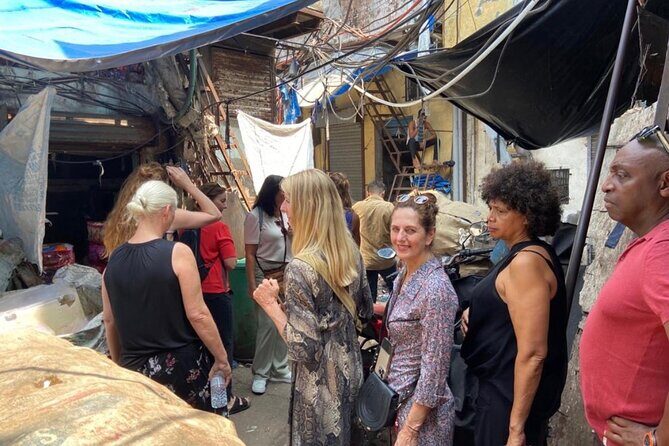
- Open-air laundry at Dhobi Ghat: see how dhobis clean linens for Mumbai’s hotels and hospitals
- Working crafts in Mahim: watch lather work linked to items like bags and wallets
- Recycling in action: learn how waste collection and sorting connects to environmental awareness
- Local neighborhood context: hear how communities in Mahim reflect Mumbai’s mix (including Marathi, Gujarati, and South Indian backgrounds)
- Market energy without the hard sell: flower, jewelry, and food stalls show up along the route
- Small group feel: capped at 15 travelers, which helps keep the walk manageable
Why this Dharavi + market tour feels different
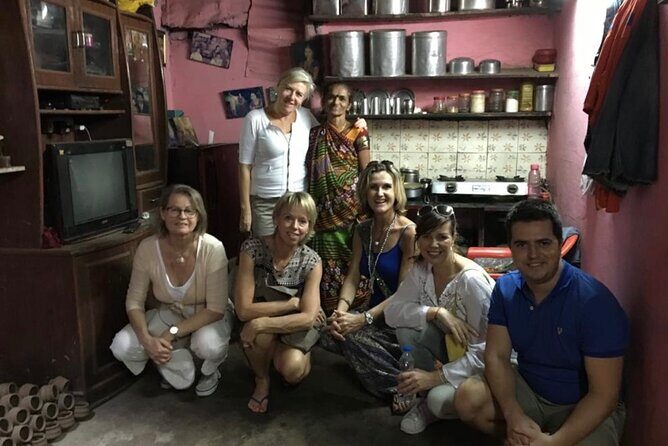
Dharavi can sound intimidating before you go. In practice, the experience works best when you treat it like a normal walk with a strong local guide: you’re there to understand how people live and work, not to rubberneck.
What makes this one stand out is the pairing of industrial life with street-level market scenes. You’re not only looking at housing and lanes—you’re seeing the kinds of jobs that keep the community moving: practical trades, recycling work, and small workshops. And because the tour is built around short, focused stops, you get frequent chances to ask questions and reset your expectations.
Also, the tone is repeatedly described as professional and safe. That doesn’t mean the area is tourist-themed or sanitized. It means the guidance is careful, and the group stays respectful.
You can also read our reviews of more shopping tours in Mumbai

Dhobi Ghat: Mumbai’s open-air laundry machine

The tour starts with Dhobi Ghat, an open-air laundromat where dhobis clean clothes and linens in the open. This is one of those places where the details do the talking: you’re watching real labor tied directly to Mumbai’s larger systems—hotels, hospitals, and daily laundry needs.
You spend about 20 minutes here, with an admission ticket included. That timing is smart. Dhobi Ghat can be intense in smell, sound, and movement, and it’s not a “stand and pose” site. Short and guided works better than lingering, especially if you’re trying to keep the rest of the route enjoyable.
Practical tip: dress for a working neighborhood—comfortable shoes and clothing you can handle if you get a bit dusty. If you’re sensitive to strong odors, take your time and keep your breathing steady. The goal isn’t to “like the smell.” It’s to understand why the work looks the way it does.
Kumbharwada and Mahim: where work, craft, and community meet
Next you head to Kumbharwada (connected with the Mahim area). This segment is about understanding the neighborhood’s role in the wider story of Mumbai. The stop is scheduled for about 30 minutes and is free of ticket charges.
From there, the Mahim portion becomes the tour’s “hands-on work” chapter. You get multiple short stops in the Mahim area—each one focused on a different kind of local production and daily life.
Lather work in Mahim (bags, wallets, and accessories)
One Mahim stop highlights lather work, described as the local craft of making items such as bags, wallets, and other accessories. Even in a quick visit window, that’s valuable because it connects materials, skills, and trade routes in one explanation. It helps you see why the market side of the experience is not random browsing—it’s part of a chain of making and selling.
You’ll likely be paying attention to tools, materials, and the pace of work. The biggest takeaway here: craftsmanship isn’t just “art.” In places like Mahim, it’s a job with real pressure, deadlines, and buyers.
Recycling in Mahim: more than a buzzword
Another Mahim stop focuses on recycling efforts and how local organizations and groups have pushed initiatives to collect materials like plastic and paper. It’s scheduled for around 30 minutes and is free.
This matters because it reframes the way people sometimes talk about slums. Here, recycling isn’t framed as a side activity. It’s positioned as an organized response to environmental issues, with community effort behind it. When you see the sorting and collection logic close up, it’s easier to connect local work to global waste problems without getting stuck in guilt or pity.
You can also read our reviews of more tours and experiences in Mumbai






The people of Mahim: a community made of many backgrounds
A later stop (about 20 minutes) is about the local people and the multicultural mix of the area, including communities such as Marathi and Gujarati, plus South Indian backgrounds. This isn’t a lecture. It’s meant to help you understand why the neighborhood feels like a working patchwork rather than a single “type” of life.
If you’re the kind of traveler who likes context—who asks why people speak the way they do, why shops cluster, why certain trades appear together—this piece gives you a lens for everything else you saw earlier.
The market tour part: flowers, jewelry stalls, and food lanes
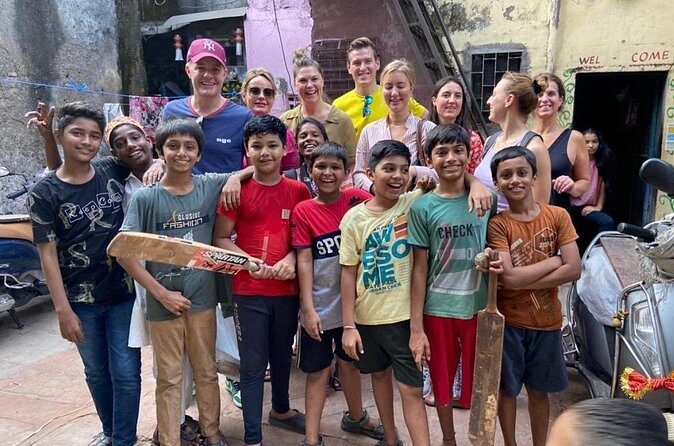
The tour name includes a market element, and that shows up in the route through local stalls. Reviews describe seeing flower markets, jewelry stalls, and food market options along the walk. That’s not just color—it’s where you see how daily spending and small production connect.
One traveler even shared a story about stopping for an ice-cold beer among locals during the tour. That’s a good example of how these walks can feel human rather than staged—your guide can help you find small moments that fit the flow of the neighborhood.
Important mindset: go with a learner’s approach. If you buy something, do it respectfully and thoughtfully. If you don’t, you’re still doing the right thing by watching, asking questions, and moving on.
What the group size and timing mean for you
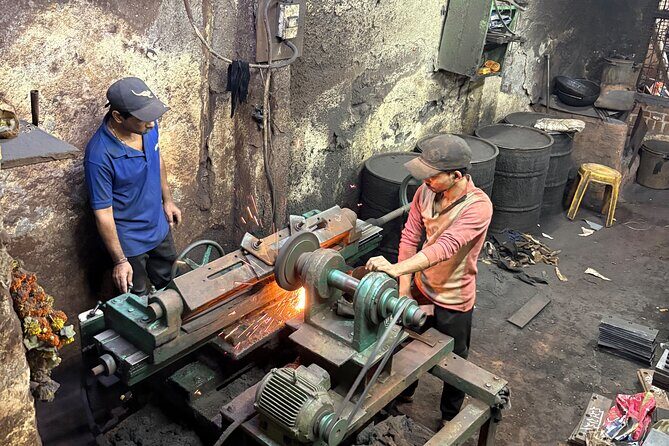
This experience runs for about 3 hours and holds a maximum of 15 travelers. For me, that’s a sweet spot. Big groups can turn sensitive neighborhoods into traffic jams. A smaller group keeps you moving, helps your guide manage questions, and reduces the chance that you get stuck blocking someone’s day.
The tour is also set up near public transportation. That’s useful in Mumbai, where planning your route matters more than you expect.
Physical note: the tour asks for moderate physical fitness. Even if the stops are short, you’ll likely cover enough walking to feel it. Plan for stairs or uneven surfaces in places—nothing dramatic is stated, but slum-area lanes tend not to be tourist-smooth.
Price and value: what $39.72 covers in real terms
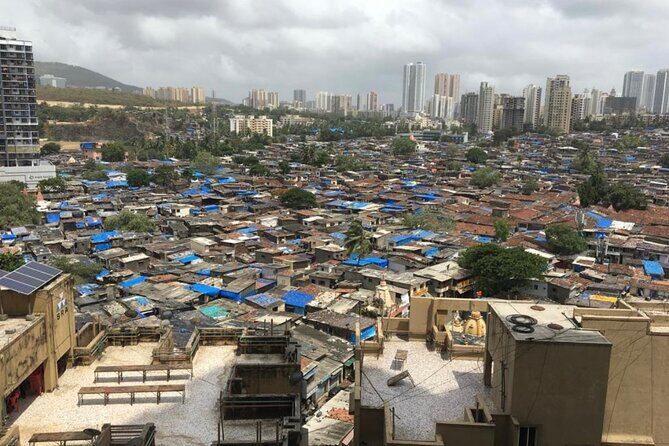
At $39.72 per person, you’re not just paying for “a guide in a neighborhood.” You’re paying for a structured route with a clear plan and included access where it counts.
Here’s what helps the value feel real:
- Pickup offered (less hassle means you spend more energy on the walk itself)
- Mobile ticket (simple day-of handling)
- Dhobi Ghat admission ticket included (you’re paying for access to a major working stop)
- Other stops are listed as free admission, so the tour’s money goes toward the guided experience rather than layered ticket fees
- Small group size (15 maximum) keeps the quality high
In short: it’s priced like a guided city experience, but it’s using that structure to take you into working life rather than sightseeing alone.
Safety, comfort, and how to be a good visitor here

This tour is repeatedly described as safe. Still, “safe” in a local neighborhood means awareness, not fear. You’ll want to behave like a respectful visitor:
- listen when your guide gives cues
- keep your phone use practical (don’t block work)
- avoid making sudden movements in tight lanes
- ask before photographing people up close (this is the safest way to avoid discomfort)
Comfort tips that matter for this specific route:
- Comfortable shoes are non-negotiable for a 3-hour walking plan.
- Wear light layers if it’s hot, and bring something small for rain since the tour requires good weather.
- Expect open-air work at Dhobi Ghat, which can involve strong smells and lots of motion.
Who should book, and who should think twice
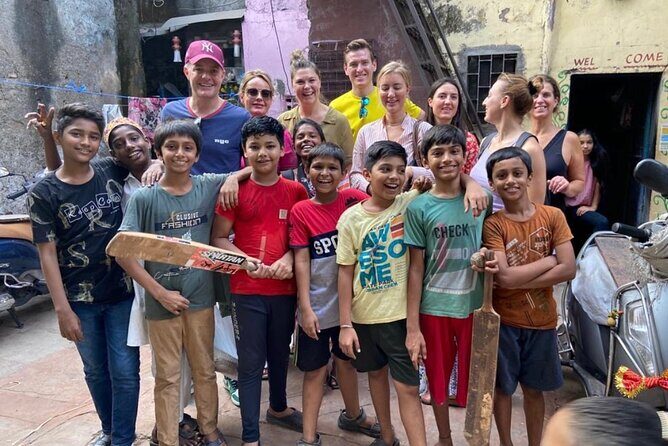
This tour is a strong match if you:
- like guided explanations and you ask questions easily
- want a working-neighborhood perspective rather than only monuments
- enjoy markets and want them tied to real local trade
- care about respectful handling (multiple reviews highlight that you’re not pushed to buy)
Think twice if you:
- have very limited mobility or struggle with continuous walking (the tour asks for moderate fitness)
- are very sensitive to open-air, working-environment conditions at Dhobi Ghat
- can’t travel on days with good weather (the experience depends on it)
Should you book Best of Dharavi Slum with Market Tour?
If you want an honest look at how people make a living—through laundry work, craft, recycling, and market selling—this is a sensible choice. The price feels fair for a guided 3-hour route with included access at Dhobi Ghat and small-group limits.
Book it if you’re ready to treat Dharavi as a real community with real work, not a photo set. Skip it if walking conditions or open-air working environments would put you too far outside your comfort zone.
FAQ
How long is the Dharavi slum and market tour?
The tour lasts about 3 hours.
What is the price per person?
The price is $39.72 per person.
Does the tour include pickup?
Yes, pickup is offered.
Is there a ticket included for Dhobi Ghat?
Yes. Dhobi Ghat has an admission ticket included.
Are any other stops ticketed?
Kumbharwada and the Mahim stops listed are free admission.
How many people are in a group?
The tour has a maximum of 15 travelers.
Is the tour near public transportation?
Yes, it is near public transportation.
What kind of fitness level do I need?
You should have a moderate physical fitness level.
What happens if the weather is poor?
The experience requires good weather. If it’s canceled due to poor weather, you’ll be offered a different date or a full refund.
Is free cancellation available?
Yes, free cancellation is available. You can cancel up to 24 hours in advance for a full refund.