REVIEW · MUMBAI
Two Days Mumbai Tour Package : City + Slum + Elephanta + Market
Book on Viator →Operated by Magical Mumbai Tours · Bookable on Viator
Mumbai in two days is a sprint. I like the private air-conditioned car and English-speaking guide to keep the pace sane, and I love the jump from Gateway of India views to real-life street conditions in Dharavi.
The main thing to consider is time: Elephanta Caves takes a big chunk of the schedule, so you’ll want comfy shoes and patience for Mumbai traffic rhythms.
In This Review
- Key highlights worth planning around
- Two days in Mumbai: the mix that makes sense fast
- Private guide and pickup in South Mumbai (the traffic-proofing)
- Day 1 route: Gateway of India, Elephanta Caves, and the classics
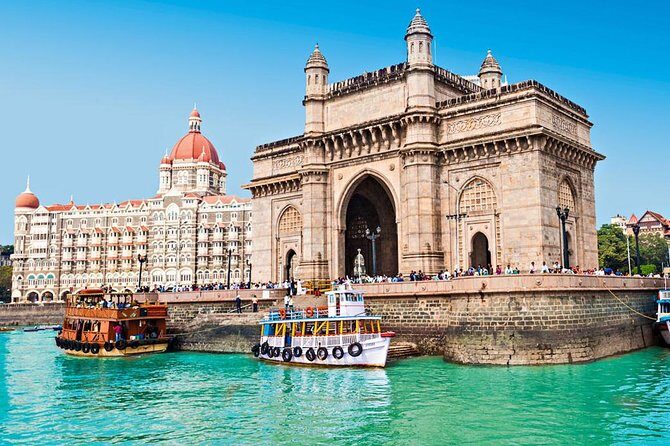
- Gateway of India as your launch point
- Elephanta Caves: the UNESCO block of time
- Dhobi Ghat: laundry as a window into everyday work
- Chhatrapati Shivaji Terminus and the architecture stops
- Mani Bhavan Gandhi Museum: a personal anchor
- Sassoon Dock, Oval Maidan, and Marine Drive
- Taj Mahal Palace and the colonial city center feel
- Flora Fountain, BMC building, and Girgaon Chowpatty
- Hanging Gardens and the market finish
- Day 2: Dharavi on foot, food tasting, and shopping time
- Dharavi walking portion (and why it’s handled with care)
- Indian food tasting: a guided way to eat your way through Mumbai
- Shopping: more useful when it’s paired with a route
- Dhobi Ghat and the human-scale stops
- Markets and shopping stops: Colaba Causeway and Crawford Market
- Guide quality makes or breaks a fast itinerary
- Price and value: is $187.26 a fair deal?
- Who should book this tour (and who should hesitate)
- Should you book this 2-day Mumbai city + slum + Elephanta + market tour?
- FAQ
- How long is the Two Days Mumbai Tour Package?
- Is hotel pickup and drop-off included?
- Is this tour private or shared?
- What’s included in the tour price?
- Which attractions have admission included?
- What happens on the second day?
- Does the tour include a mobile ticket?
- What is the cancellation policy?
- About how far in advance is this tour usually booked?
Key highlights worth planning around
- Private guide + driver in an air-conditioned vehicle for a tight route
- Elephanta Caves (UNESCO) admission included as a major anchor of Day 1
- Dhobi Ghat open-air laundry with a practical, human-scale look at daily work
- Dharavi on foot for real-world context, then food tasting and shopping in the afternoon
- Market stops like Crawford Market and Colaba Causeway built into the day
- South Mumbai hotel pickup/drop-off (so you spend energy sightseeing, not navigating)
Two days in Mumbai: the mix that makes sense fast
This tour is built for people who want the big-name Mumbai sights and the parts of the city that don’t fit on a postcard. You cover South Mumbai and stretches in the middle of the city, with a split personality: Day 1 leans classic landmarks and waterfronts, while Day 2 is more grounded, centered on Dharavi, food tasting, and shopping.
What I like about the design is that it doesn’t treat the city like one flat sightseeing list. Gateway of India and the colonial-era buildings help you understand the setting, and then you shift to places that show how people actually live and work. It’s not slow-travel, but it is structured.
You can also read our reviews of more city tours in Mumbai



Private guide and pickup in South Mumbai (the traffic-proofing)
Mumbai traffic can turn a good day sour. That’s why the private guide and driver matter here. You’re not relying on multiple transfers or guessing how long each hop will take—you just get on the air-conditioned vehicle and follow the route.
You also get South Mumbai hotel pickup and drop-off, bottled water, and an English-speaking guide. If your hotel is outside South Mumbai, pickup/drop-off may not be included, so it’s worth checking your location before you buy.
And since it’s a private tour for your group only, you don’t have to line up behind strangers or get rushed by someone else’s pace. One practical bonus: the tour uses a mobile ticket, which tends to make last-minute check-ins easier.
Day 1 route: Gateway of India, Elephanta Caves, and the classics
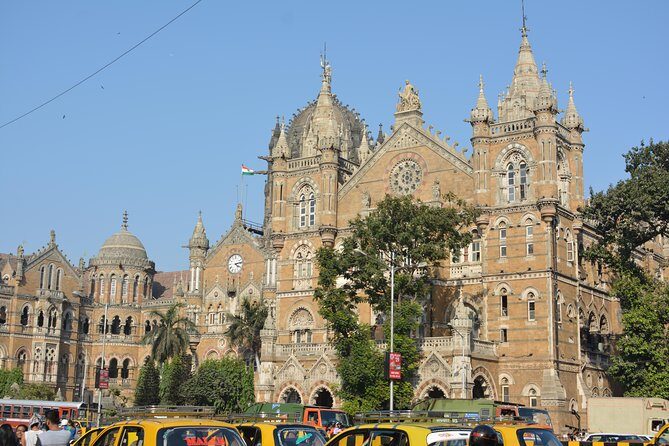
Day 1 is where you get your bearings fast. It’s long, but it’s the kind of long that pays off because the stops cluster around the places first-timers usually want to see.
Gateway of India as your launch point
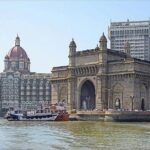
You start at Gateway of India, a landmark that’s easy to recognize and easy to build a mental map from. You’ll spend about 25 minutes here, and your guide can explain the monument’s Indo-Saracenic style and why it became such a symbol for Mumbai’s identity.
This stop is more than photos. It helps you orient the rest of the day—especially for the waterfront views and the “old meets new” feel you’ll keep noticing.
Elephanta Caves: the UNESCO block of time
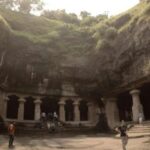
Next is Elephanta Caves, a UNESCO World Heritage site known for its rock-cut architecture and ancient sculptures dating to roughly the 5th to 7th centuries. Admission is included, and the time block is big—about 6 hours.
This is the part of the tour you should treat like your main event. The caves are the kind of place where interpretation helps, because your guide can point out what you’re seeing instead of letting you wander in silence with a guidebook.
The consideration: with a six-hour commitment, Day 1 becomes a marathon. If you’re not comfortable with long stretches and guided walking, it’s smart to pace yourself—hydration helps (you get bottled water), and don’t plan to squeeze extra activities afterward.
You can also read our reviews of more shopping tours in Mumbai




Dhobi Ghat: laundry as a window into everyday work
After the grand monuments, you’ll shift to Dhobi Ghat, one of the world’s largest open-air laundries. You’ll get about 25 minutes here, with admission included.
This stop is fascinating because it’s not staged like a museum. The laundry system has been in practice for over a century, and what makes it interesting is how human work, routines, and the city’s energy all mix together. I’d treat it as a “slow down and watch” moment, not another quick photo stop.
Chhatrapati Shivaji Terminus and the architecture stops
Then you move into the architectural backbone of Mumbai—fast stops, short explanations, and quick chances to appreciate details.
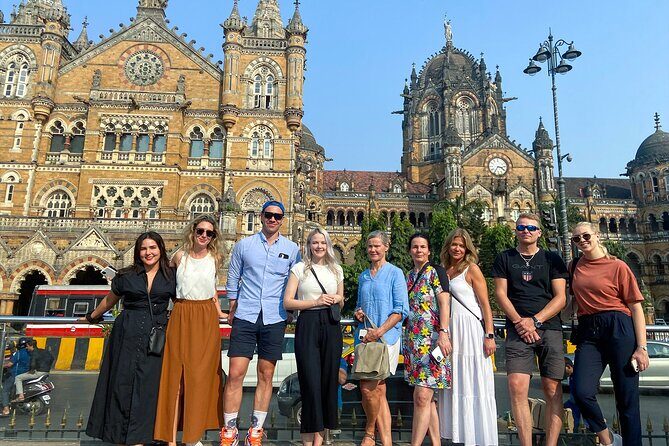
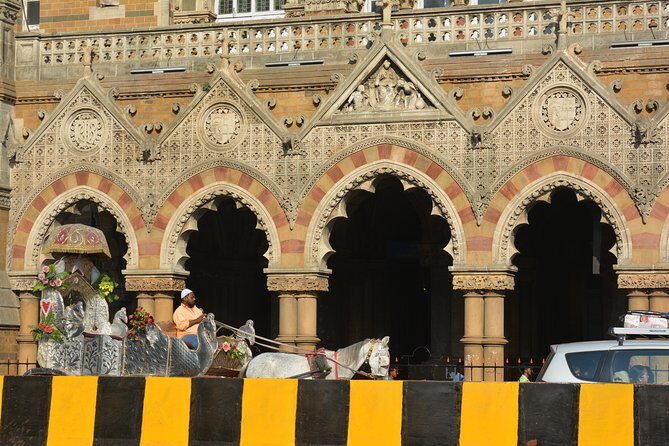
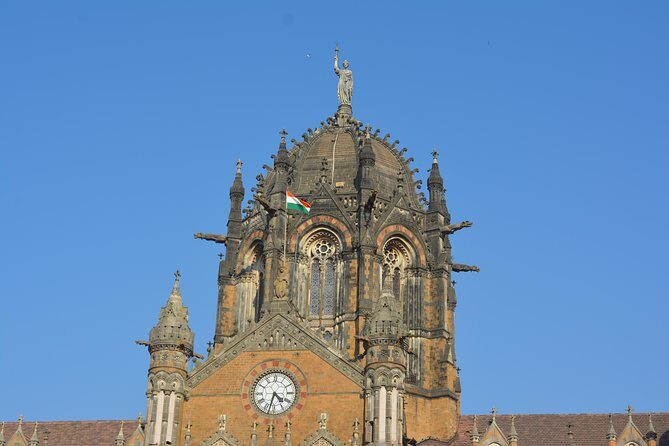
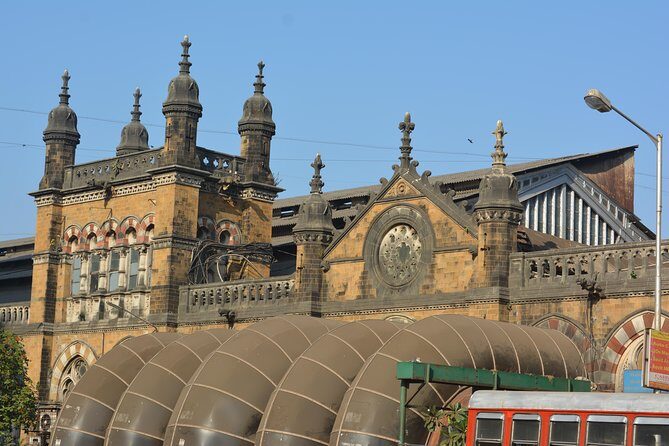
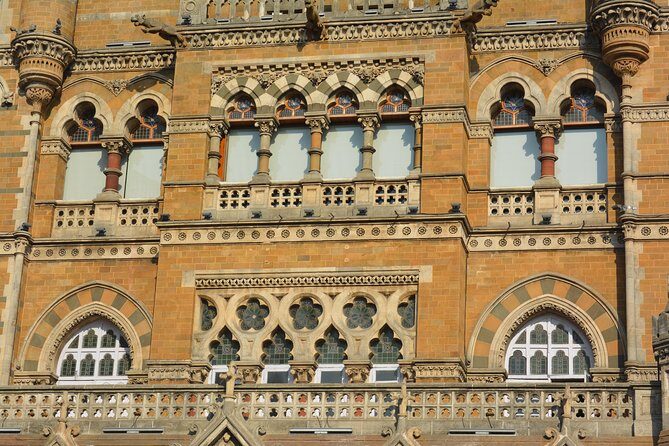
- Chhatrapati Shivaji Terminus (CST): About 20 minutes. It’s a UNESCO World Heritage site with Victorian-Gothic style.
- Rajabai Clock Tower: Around 5 minutes. It’s known for Venetian and Gothic influences, plus ornate detailing.
- Bombay High Court principal bench: About 5 minutes. Expect Gothic and Indo-Saracenic design cues and a strong facade presence.
These stops are timed tightly, so you won’t get deep museum-like treatment. But that’s the point: you’ll see the visual language of the city in small doses, and the guide’s commentary helps you connect dots instead of just collecting landmarks.
Mani Bhavan Gandhi Museum: a personal anchor
Mani Bhavan Gandhi Museum gets about 40 minutes, with admission included. It’s Gandhi’s former residence and served as his Mumbai headquarters during the freedom movement.
This is a good contrast to the big street scenes. It adds a human scale to the day and gives context that keeps the rest of your sightseeing from feeling like disconnected snapshots.
Sassoon Dock, Oval Maidan, and Marine Drive
You also get three kinds of Mumbai “outdoor stages”:
- Sassoon Dock: About 20 minutes. You’ll see it as a working fishing area where fishermen bring in their catch, and the surrounding market activity gives the port life feeling.
- Oval Maidan: About 20 minutes. It’s an iconic sports ground. One of the guide-led highlights you might get here: in the past, people have even had a chance to play cricket. Even if you don’t, it’s a nice breather between intense stops.
- Marine Drive: About 10 minutes (it’s listed more than once in the route). It’s the famous seaside promenade people nickname the Queen’s Necklace for its curve and night-friendly views.
If you want one “take in the view” stretch, Marine Drive is where I’d do it. Stand, look, and reset before the shopping portion starts.
Taj Mahal Palace and the colonial city center feel
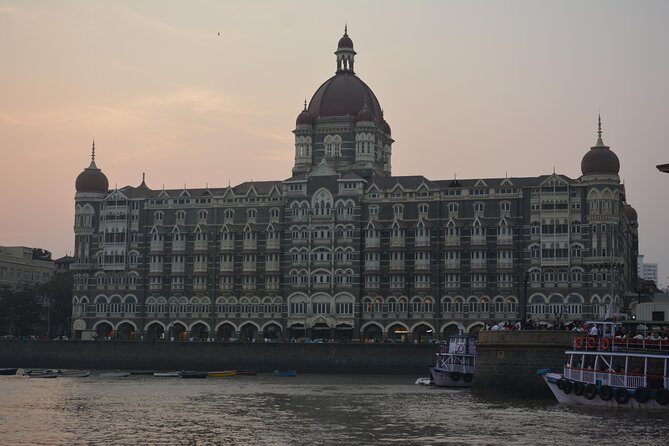
You’ll also stop at The Taj Mahal Palace, Mumbai (about 20 minutes). Admission is not included, so if you want to go inside, you may need to budget separately or follow your guide’s suggestion for what you can do within the time.
Still, the stop is useful. Even a short look helps you understand how Mumbai’s luxury landmarks grew alongside the rest of the city’s colonial-era architectural lines.
Flora Fountain, BMC building, and Girgaon Chowpatty
Near the end of Day 1, you’ll hit more landmark-heavy segments:
- Flora Fountain: listed as a stop, with architectural detail.
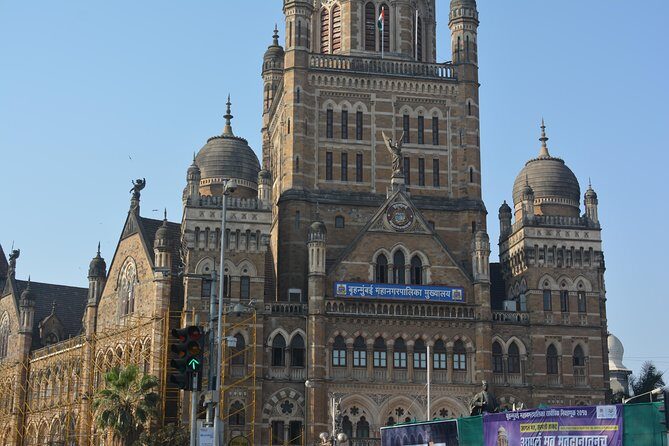
- Brihanmumbai Municipal Corporation (BMC) building: about 10 minutes, known for imposing Neo-Gothic style.
- Girgaon Chowpatty: about 1 hour. It’s a beach break with Arabian Sea views, so it’s a real chance to rest your legs.
The day keeps moving, but these stops give you variety: monuments, big civic buildings, then a beach breathing space.
Hanging Gardens and the market finish
Hanging Gardens (Pherozeshah Mehta Gardens) are next, about 20 minutes—an escape from the noise and a good “cool down” spot. After that, the route swings back toward shopping and market energy with Colaba Causeway and Crawford Market.
If you like to buy a few meaningful items without turning your trip into a forced shopping spree, your best bet is going with your guide’s pacing and staying focused. One of the strongest praise points from past experiences: guides have taken people to shops without heavy pressure to buy.
Day 2: Dharavi on foot, food tasting, and shopping time
Day 2 is where the tour shifts from skyline to street-level reality.
Dharavi walking portion (and why it’s handled with care)
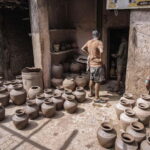
You’ll spend about 3 hours in Dharavi, and the focus is on real-life context: daily routines, resilience, and aspirations. This is explicitly designed to challenge stereotypes, and it’s better when you approach it with curiosity rather than judgment.
I’d treat this as the part of the tour where your guide’s role is most important. Your guide can help you understand what you’re seeing and why it matters, instead of letting the area feel like a spectacle. Follow their lead for how to move through streets and what to pay attention to.
This stop can feel emotionally intense, so balance it with the plan’s next elements rather than trying to add extra activities.
Indian food tasting: a guided way to eat your way through Mumbai
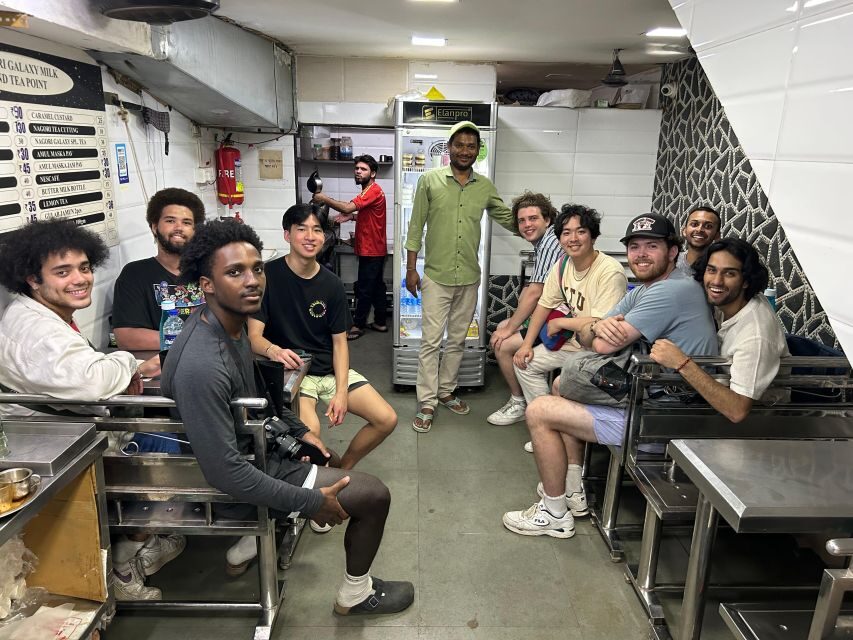
After Dharavi, the tour includes Indian food tasting and then shopping time in the afternoon. The exact items aren’t listed in the package details you provided, so the practical approach is simple: ask your guide what each sample is and how to eat it like locals would.
This is one of those “you’ll remember it later” parts of a short visit. When food is built into the itinerary, you don’t have to gamble on where to go for something safe, understandable, and worth your time.
Shopping: more useful when it’s paired with a route
Shopping can either be fun or frustrating. Here it’s built into the tour flow after you’ve had the grounded experience of Dharavi and the explanation from your guide. That order matters: it keeps the day from feeling like a random browse.
For many people, the best purchases are the ones you can actually explain to yourself—where the item fits into the city, what you learned, and why you liked it.
Dhobi Ghat and the human-scale stops
The standout theme of this tour is that it gives you human-scale moments, not just buildings. Dhobi Ghat is the best example: you see a long-running system of washing and drying clothes and learn how work happens in public.
This kind of stop is valuable for two reasons. First, it’s visually clear fast—you instantly understand what the place is. Second, it becomes a story when your guide explains the routine and the context behind it.
If you care about “how things work” more than “where famous people posed for pictures,” Dhobi Ghat will be a highlight.
Markets and shopping stops: Colaba Causeway and Crawford Market
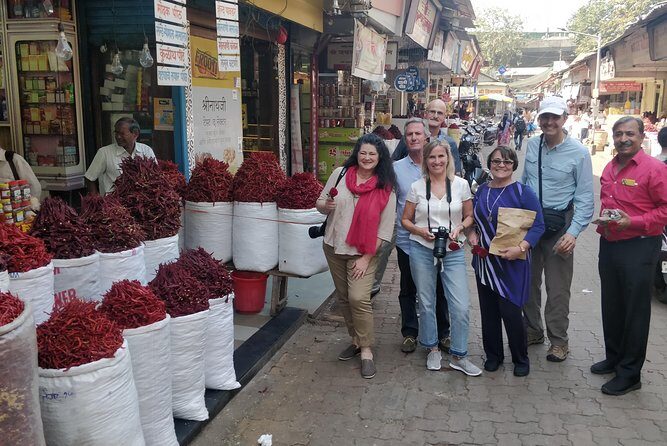
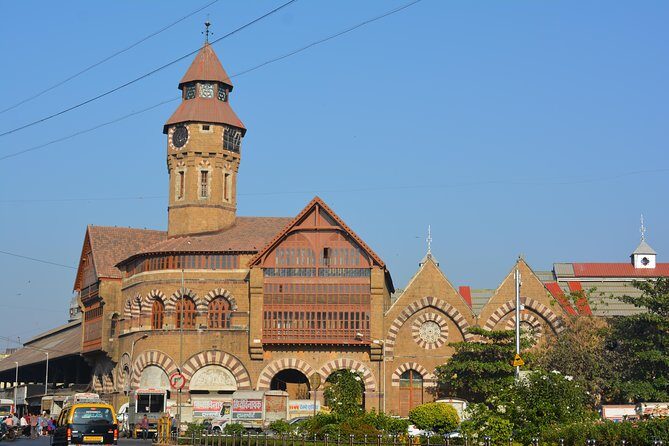
The itinerary includes Colaba Causeway and Crawford Market, plus time around market areas for shopping. These are classic places to find everything from clothing and accessories to jewellery, handicrafts, and souvenirs.
Here’s how I’d use these stops:
- Go with a plan: one category you want (like gifts) and a price comfort zone.
- Ask your guide to point out what’s worth your time within the limited visit minutes.
- Keep your energy up—market walking can add up quickly, even if each stop is only 20–25 minutes.
Past experiences from the operation have included shopping stops where people were not highly pressured to buy, which is exactly what you want on a limited-time itinerary.
Guide quality makes or breaks a fast itinerary
A two-day tour can either feel like a smooth, explanatory ride or like a checklist. The better experiences here lean hard on the guide.
Names that have shown up in strong feedback include Nikhil, Neha, Pooja, Samir (Sam), Sahil, and drivers Sultan and Saddam. The consistent message: guides were accommodating, spoke good English, and helped people see and do a lot without turning the day into stress.
One practical detail that stands out: getting back safely through Mumbai traffic matters. In one past experience, the guide’s safe navigation was highlighted as a big deal, which makes sense. When time is tight, safety and timing are part of the quality.
If you care about commentary that makes the city click—especially on architecture and the contrasts between areas—this package is built for that.
Price and value: is $187.26 a fair deal?
At $187.26 per person, you’re not just paying for a seat on a bus. You’re paying for private guide time, an air-conditioned vehicle, hotel pickup/drop-off in South Mumbai, and bottled water. You also get all fees and taxes listed as included.
On top of that, several paid elements are part of the plan: Elephanta Caves admission is included, Mani Bhavan Gandhi Museum is included, and Dhobi Ghat is included. Dharavi is included in the day-two plan as well. The one notable exception called out in the itinerary is that Taj Mahal Palace admission is not included, so don’t assume you’ll go in unless you’re told how your time is handled.
One more value point: the overall rating is strong, with 4.7 out of 5 and 92% recommended. That isn’t a guarantee, but it is a good signal that people feel they get their money’s worth in two days.
Who should book this tour (and who should hesitate)
This tour is a good fit if:
- you want a first-timer overview of Mumbai’s major landmarks without planning every hop yourself
- you like structured time blocks and guided commentary
- you want both famous sights and real-life context
- you prefer the comfort of private transport for a schedule-heavy itinerary
You might want to hesitate if:
- you don’t handle long days well, because Day 1 is heavy (especially with Elephanta Caves)
- you prefer to keep sightseeing away from places that can feel emotionally challenging, since Dharavi is part of the design
- you’re staying outside South Mumbai and don’t want to deal with pickup limits
Should you book this 2-day Mumbai city + slum + Elephanta + market tour?
I’d book it if you want the best “two-day Mumbai story” in one package: icons like Gateway of India and Marine Drive, UNESCO-level Elephanta Caves, and then the contrast of Dharavi plus food and shopping. The private guide setup and the air-conditioned vehicle are practical in a city where time can disappear.
Two checks before you commit:
- Confirm your hotel is in South Mumbai, since pickup/drop-off is included there and not in North Mumbai.
- Expect a fast pace. If you’re the type who likes lingering, pick one or two “must slow down” moments (like Marine Drive or Girgaon Chowpatty) and let the rest stay guided and efficient.
If that sounds like your style, this is a strong way to get a lot of Mumbai—without wasting your trip on logistics.
FAQ
How long is the Two Days Mumbai Tour Package?
It’s approximately 2 days.
Is hotel pickup and drop-off included?
Yes, pickup and drop-off are included if your hotel is in South Mumbai.
Is this tour private or shared?
This is a private tour/activity, and only your group will participate.
What’s included in the tour price?
Included items are South Mumbai hotel pickup and drop-off, bottled water, an English-speaking tour guide, a driver, an air-conditioned vehicle, and all fees and taxes.
Which attractions have admission included?
Elephanta Caves has admission included. Mani Bhavan Gandhi Museum and Dhobi Ghat have admission included, and Dharavi is listed as included in the tour. Taj Mahal Palace is listed as admission not included.
What happens on the second day?
Day 2 includes Dharavi on foot for about 3 hours, followed by Indian food tasting and shopping in the afternoon.
Does the tour include a mobile ticket?
Yes, the tour includes a mobile ticket.
What is the cancellation policy?
Free cancellation is offered. You can cancel up to 24 hours in advance for a full refund.
About how far in advance is this tour usually booked?
On average, it’s booked about 90 days in advance.