REVIEW · MUMBAI
Mumbai Market Tour
Book on GetYourGuide →Operated by Mumbai Dream Tours · Bookable on GetYourGuide
Market streets can be an education in disguise. I love how the South Mumbai lanes feel lived-in, with vendors calling out and everything from snacks to flowers coming right at you. I also like that the tour ties the shopping to the neighborhood setting, with colonial buildings and major religious landmarks nearby. One possible drawback: the experience can feel very retail-focused, with some stops running like shops more than open-air market wandering.
Guides shape the whole day. I’ve seen how guides like Kieran can turn the chaos into clear context, and how Dinesh can keep a steady pace while coaching you on how to bargain so you don’t feel swept up by first-glance prices.
This is a good fit if you want to understand Mumbai through markets, not just tick off monuments. It may be less ideal if you’re hoping for long, in-depth cultural visits where you quietly observe temples and mosques without the constant pull of buying.
In This Review
- Key things to know before you go
- South Mumbai’s Market Maze: What the Tour Really Feels Like
- Crawford Market: The Iconic Stop for Gifts and Everyday Finds
- Mangaldas Market and Textiles: Where Shopping Can Take Over
- Spice Market: The Scent, the Colors, and What You Can Actually Use
- Jewelry Market: A Must-See Even If You’re Not Buying
- Flower Market: Color in Motion
- Jama Masjid, Mumba Devi Temple, and Madhav Baugh: Faith in the Same Street Rhythm
- Price at $23: Is This Mumbai Market Tour Good Value?
- How to Make This Tour Work for You (Without Overspending)
- Who Should Book the Mumbai Market Tour?
- Should You Book This Mumbai Market Tour?
- FAQ
- FAQ
- What is the price of the Mumbai Market Tour?
- Where does the Mumbai Market Tour take place?
- What language is the tour offered in?
- What does the tour include?
- What are the main market highlights?
- Is bargain help included?
- What is the tour rating?
- Is there a pay later option?
- Can I cancel for a full refund?
- What kind of experience should I expect: culture or shopping?
Key things to know before you go
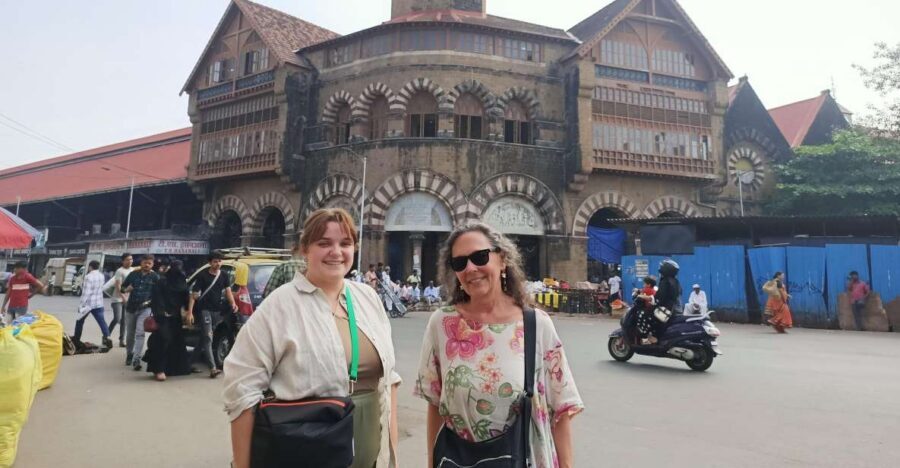
- Markets first, sights second: the day centers on bazaars, with Jama Masjid and temples as key stops.
- Multiple specialty areas: textiles, spices, jewelry, and flowers all get their own focus.
- Bargaining help: some guides actively teach you tactics, not just where to shop.
- Colonial-era streetscape: you pass historic facades alongside temples and mosques.
- Expect a shopping vibe: one review felt the tour leaned too heavily toward retail.
South Mumbai’s Market Maze: What the Tour Really Feels Like
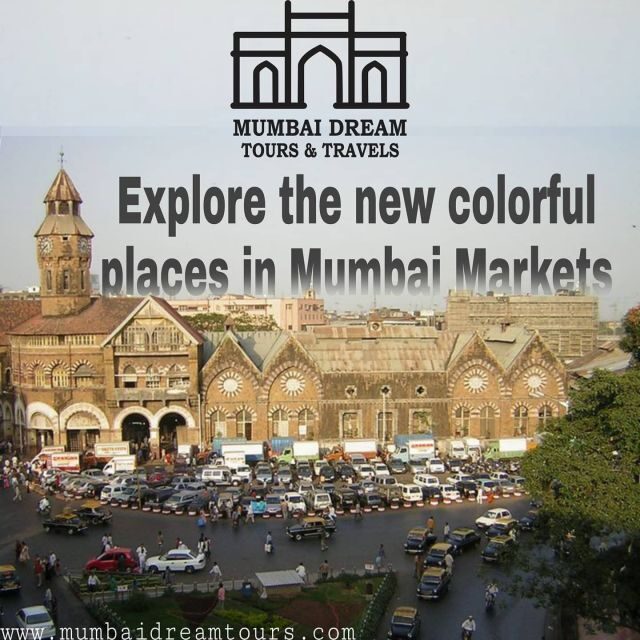
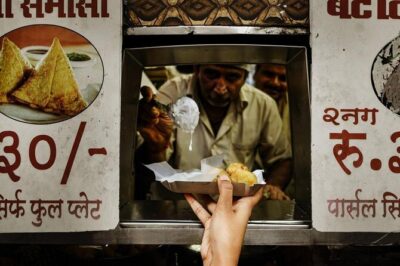
The Mumbai Market Tour is built around a simple idea: the essence of Mumbai lives in its markets. You’ll spend time moving through wide streets and narrow alleyways where people actually work, shop, and run errands. Vendors call out from carts selling everyday treats and city color—think colorful birds, spicy snacks, flowers, and Indian clothing—so you’re not just looking at displays. You’re watching commerce happen in real time.
Another thing I like is that it doesn’t pretend markets and faith are separate worlds. The tour includes stops such as Jama Masjid, Mumba Devi Temple, and Madhav Baugh, and the sites sit in the same urban flow as the bazaars. That means you get context for why these streets look and sound the way they do: the market day rhythm and the temple/mosque day rhythm share the same sidewalks.
Still, be honest with yourself about your goal. This is not a slow, purely scenic walk. It’s a guided route through areas where you can buy a lot. If you love browsing and shopping with a plan, you’ll likely enjoy it more than you expect. If you’re there mainly for architecture and calm sightseeing, you might find the retail energy overwhelming, especially at shop-like stops.
You can also read our reviews of more shopping tours in Mumbai

Crawford Market: The Iconic Stop for Gifts and Everyday Finds
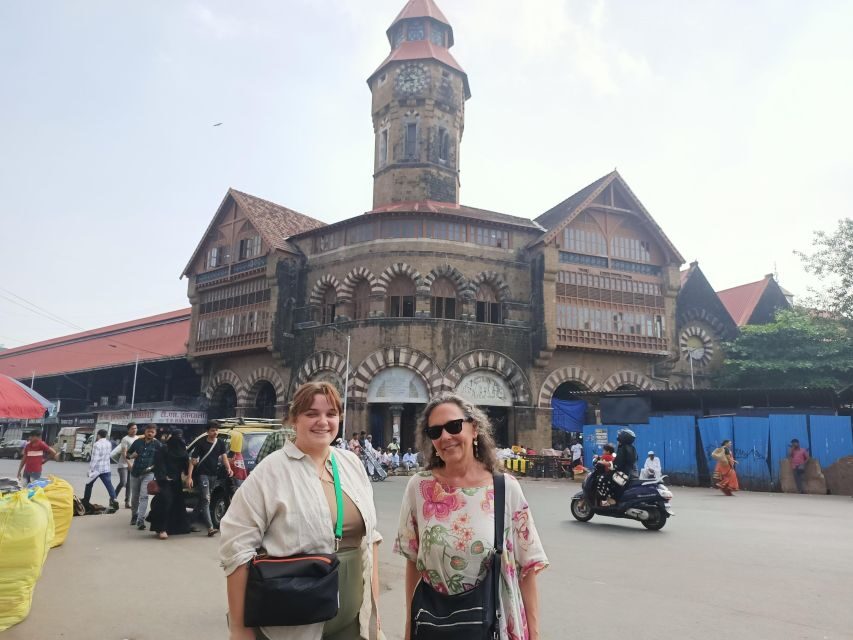
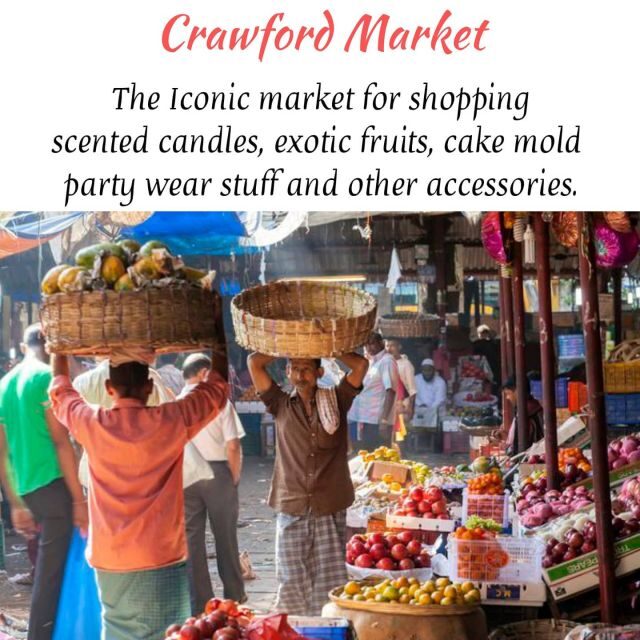
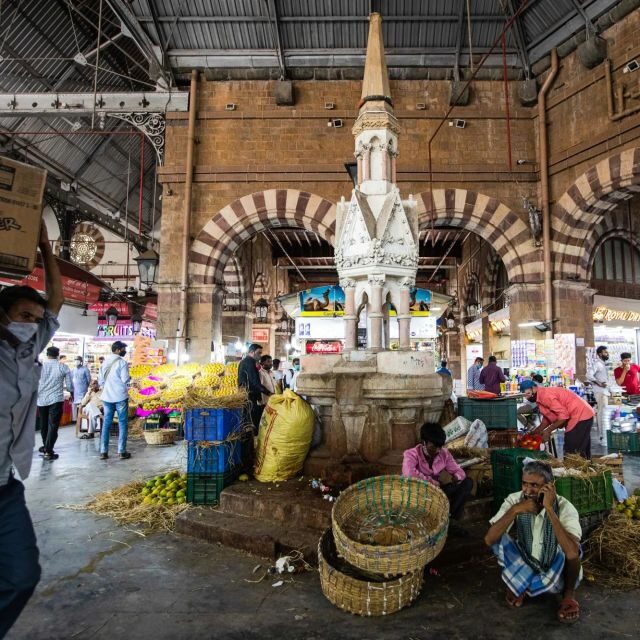
Crawford Market is one of the tour’s anchor points, and it’s easy to see why. The experience is described as iconic and geared toward shopping: scented candles, exotic fruits, cake mold party wear, and lots of accessories are all part of the mix.
Why this stop works for you: Crawford Market is a place where you can do low-pressure souvenir shopping without needing special knowledge. Even if you don’t buy jewelry or textiles, you can still find small, specific items—candles, novelty accessories, edible gifts, and other practical keepsakes. It’s also a strong “first impression” market because the variety signals what the rest of the day will be like.
What to watch for: markets like this can be crowded and fast-moving. If you’re sensitive to noise and lots of eye contact from sellers, go in ready to slow your own pace. Use your guide to help you filter options so you don’t lose time comparing twenty similar things.
Mangaldas Market and Textiles: Where Shopping Can Take Over
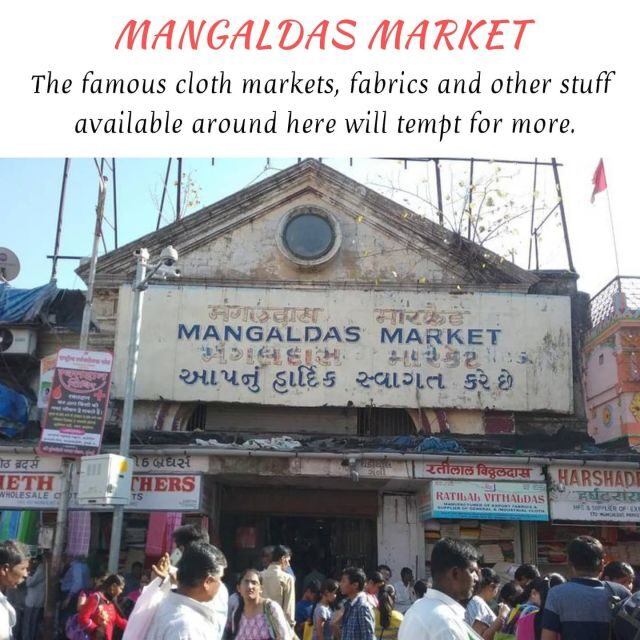
Mangaldas Market is highlighted as a cloth market area, with fabrics and related items that tend to pull people in. This is where textile lovers, and anyone who wants to bring home clothing fabric or wearables, get real value.
Here’s the catch. One review said the early part of the tour felt more like visiting shops—starting with a pashmina-focused stop—rather than what they expected from a market tour. That doesn’t make it bad, but it does mean your experience can tilt shopping-first if your guide spends more time inside retail stalls than walking between stalls and street corners.
How to get more out of Mangaldas: go with a clear intention. Decide what you want to buy (or decide to buy nothing) before you reach the densest part of the textile area. Then you can enjoy the visual variety without feeling pressured to make purchases on the spot. If your guide is teaching bargaining tactics, pay attention early—textiles are exactly where smart questioning matters most.
Spice Market: The Scent, the Colors, and What You Can Actually Use
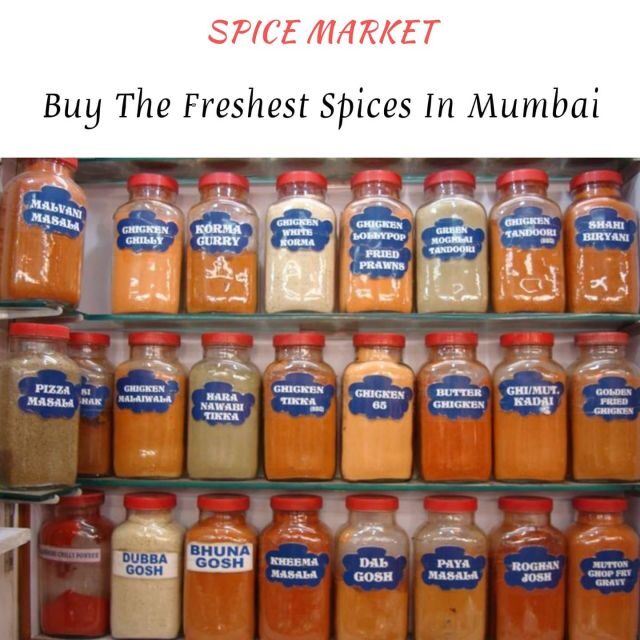
Spices are a major part of the day, and the spice market stop is where the tour leans hardest into sensory detail. You can find common Indian spices such as cumin, coriander, turmeric, and cardamom, and you’ll see vendors selling them in a way that’s meant for household cooking and gifting.
This is a great stop for you if you like practical souvenirs. Dried spices don’t take up much space, and they’re easy to use later. You also don’t need to know anything fancy to enjoy it. If you cook at home, this is one of those market stops that turns into something you’ll use, not just display.
One consideration: spices have strong smells. If you’re not a fan of intense aromas, you’ll still be able to enjoy watching vendors and learning names of spices, but you might want to keep your shopping focus narrow.
Jewelry Market: A Must-See Even If You’re Not Buying
The jewelry market stop is described as one of the oldest and busiest areas in Mumbai, with options ranging from gold, silver, and diamond jewelry to precious and semi-precious stones. Even if you don’t plan to purchase anything, this is a visually impressive part of the tour.
Why it’s worth your time: jewelry markets are where you can compare styles quickly, learn what different stones are called in everyday sales talk, and see how pricing and presentation work in a high-demand retail zone. If your guide is coaching you on bargaining, jewelry is also where that practice becomes real rather than theoretical.
The balanced truth: one review criticized high prices and felt the pricing was unfair. I can’t tell you how deals will work on your day, but you should treat any premium purchase as a decision you make slowly. If you’re drawn to stones or metal, ask questions, compare options, and don’t let the pressure of the crowd push you into a quick buy.
You can also read our reviews of more tours and experiences in Mumbai






Flower Market: Color in Motion
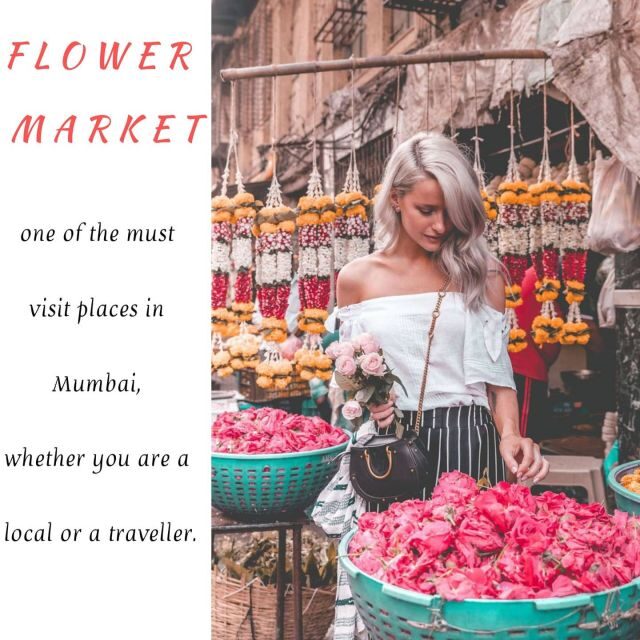
Flower Market is listed as the largest flower market in Mumbai, and it’s famous for colorful blooms. Expect to see marigolds, roses, lilies, orchids, and more, all presented as part of daily life rather than a staged photo stop.
This is the part of the tour that often surprises people. If you’ve been bracing for constant shopping, flowers add a softer layer: the colors slow your eyes down and make the whole area feel more human. It’s also a good reminder that markets aren’t only about luxury items. Flowers are used immediately, and that gives the place a purpose beyond selling.
Practical angle: if you want to buy flowers, be realistic about how long you can keep them. Even if you don’t buy, you’ll likely enjoy simply watching vendors pack and arrange blooms.
Jama Masjid, Mumba Devi Temple, and Madhav Baugh: Faith in the Same Street Rhythm
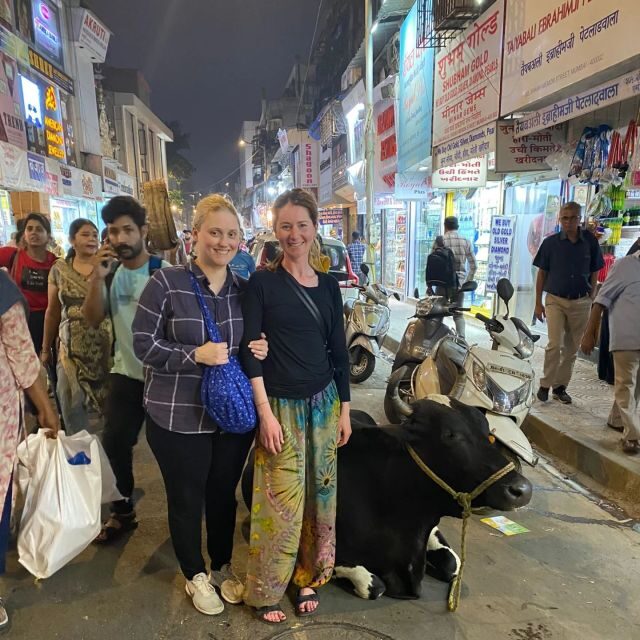
One of the most meaningful aspects of the Mumbai Market Tour is that it doesn’t isolate religious sites from ordinary commerce. The tour includes Jama Masjid, Mumba Devi Temple, and Madhav Baugh, and the overview also emphasizes colonial buildings alongside temples and mosques.
This matters because Mumbai’s markets are not just tourist attractions. They sit in living neighborhoods where faith, family errands, and street trade overlap. A good guide helps you connect the dots: why the area looks the way it does, why certain sellers cluster where they do, and how daily movement organizes itself around major landmarks.
That said, here’s the drawback to consider. One negative review said the cultural visits to the temples felt limited. So if your top priority is deep cultural sightseeing, keep your expectations flexible. Think of the temple and mosque stops as key anchors in the route, not the centerpiece that replaces the markets.
Price at $23: Is This Mumbai Market Tour Good Value?
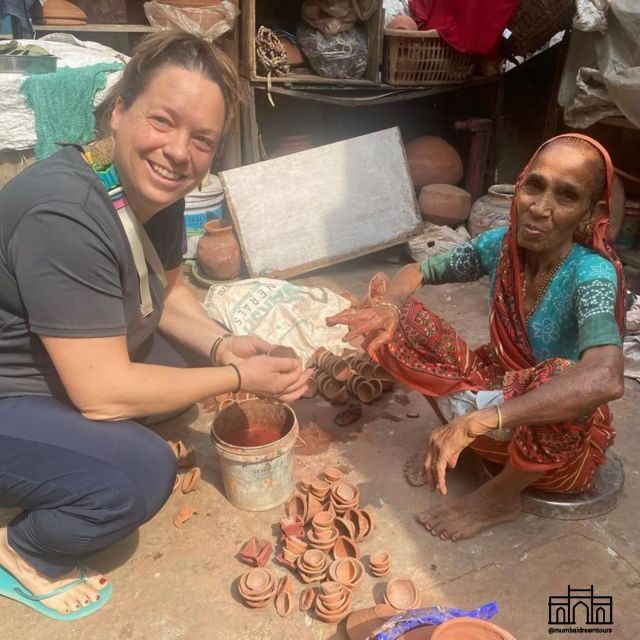
At $23 per person, the Mumbai Market Tour is priced like an efficient, guided way to hit multiple market zones without doing the route planning yourself. You’re paying mainly for navigation, local context, and the chance to see several specialty areas in one day—textiles, spices, jewelry, flowers—plus major stops like Jama Masjid and Mumba Devi Temple.
Where value gets complicated is in the mix of markets versus shopping time. Some guides clearly steer the day toward education and pacing. Other days can feel more store-heavy, and one review specifically criticized the tour for turning into a shopping trip, citing expensive prices and limited cultural charm.
So here’s how I’d decide if it’s worth it for you:
- If you like marketplaces and you enjoy bargaining with guidance, $23 can be a bargain for what you see.
- If you’re hoping for a mostly cultural walkthrough with limited retail pressure, you might feel underwhelmed.
If your goal is markets-as-authentic-life, you’re in the right place.
How to Make This Tour Work for You (Without Overspending)
A market tour can be fun even if you’re not buying much—if you treat it like a guided education in how people trade, not a shopping mission. I’d start with two mindset shifts.
First, use your guide as a filter. If your guide is the type who coached bargaining, that’s your advantage. Ask questions early about quality differences and how sellers price items, then decide calmly what you want.
Second, don’t let the most exciting display hijack your budget. Jewelry and textiles can pull you in fast. If you see something you really want, take a breath, check a second option, and only then decide. Even if you’re confident, a quick impulse buy is how these markets end up being expensive.
Finally, wear comfortable walking shoes. The route moves through wide streets and narrow alleyways, and you’ll spend time standing, looking, and shifting around crowds.
Who Should Book the Mumbai Market Tour?
This tour is a strong fit for:
- You if you want to understand Mumbai through its markets, not just landmarks.
- You if you enjoy browsing across different specialties: textiles, spices, jewelry, flowers.
- You if you want practical guidance on market shopping, including bargaining tactics.
It may be a weaker fit if:
- You’re mainly chasing quiet sightseeing and minimal shopping time.
- You get stressed by lots of retail energy and constant seller interaction.
- You expect long, uninterrupted cultural visits where the focus stays on temples and mosques.
Should You Book This Mumbai Market Tour?
If you want an honest market day in South Mumbai, I think this tour is a good bet. The price is reasonable for covering several major market zones—Crawford Market, Mangaldas textile area, spice market focus, jewelry market, and flower market—while still including important landmarks like Jama Masjid and Mumba Devi Temple. It’s also a smart way to learn the market rhythm without getting lost in the noise.
My decision tip: book it if your goal is to experience markets as daily life. Skip it or adjust expectations if you’re looking for a mostly cultural, low-shopping route. Based on the mix of feedback, the quality often depends on the guide style and how much time you spend inside the retail stops versus walking the street market flow.
FAQ
FAQ
What is the price of the Mumbai Market Tour?
The tour costs $23 per person.
Where does the Mumbai Market Tour take place?
It takes place in Maharashtra, India, in South Mumbai.
What language is the tour offered in?
The tour is offered in English.
What does the tour include?
It includes visits to Crawford Market, Mangaldas Market, the Spice Market, the Jewelry Market, the Flower Market, Jama Masjid, Mumba Devi Temple, and Madhav Baugh.
What are the main market highlights?
The tour highlights specialty stops for shopping and viewing, including spices, jewelry, flowers, textiles, and items commonly found at Crawford Market.
Is bargain help included?
Yes. Some guides are described as teaching how to bargain during market visits.
What is the tour rating?
The tour has a 4.6 rating across 12 reviews.
Is there a pay later option?
Yes. You can reserve and pay later.
Can I cancel for a full refund?
You can cancel up to 24 hours in advance for a full refund.
What kind of experience should I expect: culture or shopping?
It’s a mix. You’ll explore historic market areas and also visit religious landmarks like Jama Masjid and Mumba Devi Temple, but the day also includes multiple places where shopping is a major focus.