REVIEW · MUMBAI
Mumbai City Tour with multiple options
Book on GetYourGuide →Operated by Beautiful Bombay Tours · Bookable on GetYourGuide
Mumbai is a loud city. Elephanta is quiet stone. Put them together, and you get a day that actually makes sense. This Mumbai city tour + Elephanta Caves combo strings together the Gateway of India, Dhobi Ghat, and the carved Shiva Cave with the famous 20-foot Trimurti sculpture.
I love the way the day gives you both big-name landmarks and street-level moments. I also like the human touch: guides such as Divinya, Ali, Neha Sultan, Shuaib Khan, and Sahil are repeatedly praised for being friendly, well prepared, and good at explaining what you’re looking at. And yes, the ferry ride is more than transport—it’s your view window over the bay.
One catch: the listed price is good, but you should budget for extra costs. Ferry tickets and Elephanta entry fees aren’t included, and bad weather or high tides can disrupt ferry operations.
Quick hits before you book
- Gateway of India start with a super-clear meeting point at PizzaExpress, right next to the monument
- Dhobi Ghat + Marine Drive for the real Mumbai vibe, laundry-day style and sea-front views
- Elephanta ferry crossing that tees up the day with bay scenery before the caves
- Shiva Cave and the 20-foot Trimurti as the main centerpiece
- Multiple options: group Elephanta, private Elephanta, or bundled city + Dharavi add-ons
- English-speaking guidance for the city leg, with a guided walk through the cave complex
In This Review
- How This 5–8 Hour Mumbai + Elephanta Mix Fits Together
- Start at PizzaExpress: Finding Your Guide by the Gateway
- Gateway of India to Taj Mahal Palace: The Classic Postcard Portion
- Dhobi Ghat Laundry Life Meets Marine Drive Views
- Oval Maidan, Mumbai University, and the Clock-Tower Details
- Queen Victoria Terminus and Crawford Market in One Day
- Gandhi’s Footsteps and Green Stops Like Hanging Gardens
- Ferry to Elephanta Island: The Bay View You Don’t Want to Miss
- Inside Elephanta Caves: Shiva Cave and the Carved Stone Walk
- Trimurti and the Real Meaning of Hinduism on Stone
- Options and Value: Group vs Private vs Dharavi Add-On
- Time, Shoes, and Weather: The Stuff That Actually Changes Your Day
- Should You Book This Mumbai + Elephanta Day Tour?
- FAQ
- How long is the Mumbai city tour with Elephanta Caves?
- What does the tour cost?
- Are entry tickets and ferry tickets included in the price?
- Where do I meet the guide?
- Is hotel pickup and drop-off included?
- What should I bring, and what is not allowed?
- What if the ferry can’t operate due to weather?
How This 5–8 Hour Mumbai + Elephanta Mix Fits Together
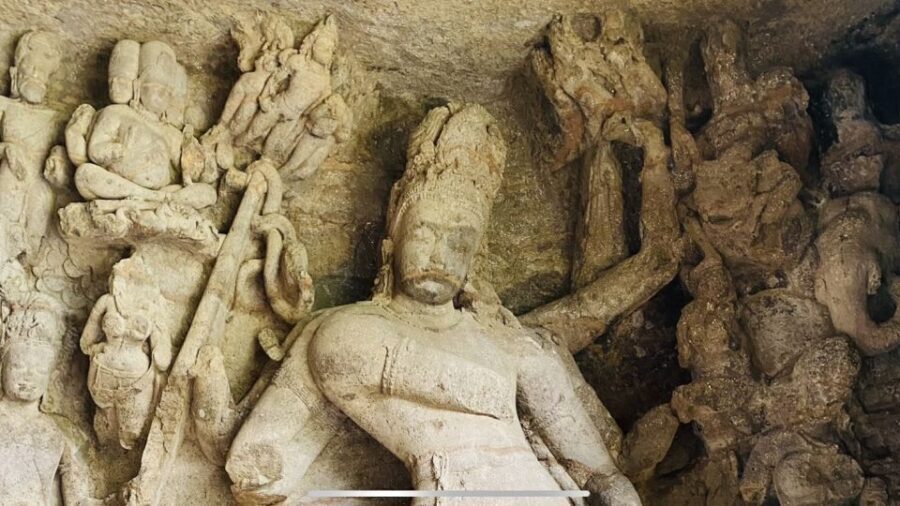
This tour is built for one simple goal: in a half-day to full-day window, you get two different sides of Mumbai. South Mumbai gives you the architecture, institutions, markets, and famous promenades. Then you trade the traffic for island silence at Elephanta Caves, where you’re walking through carved temples from the 5th to 7th century.
The value here isn’t just that you hit famous stops. It’s that the day moves with variety. You’re on foot for parts, in a vehicle for others, and on a ferry for the crossing. That rhythm helps you stay awake and interested, even if you’ve already done a bunch of sightseeing that trip.
If you like tight itineraries that still leave space for photos and questions, this is a strong match. If you want total freedom to linger at every single spot, you might feel the schedule nudging you along.
Start at PizzaExpress: Finding Your Guide by the Gateway
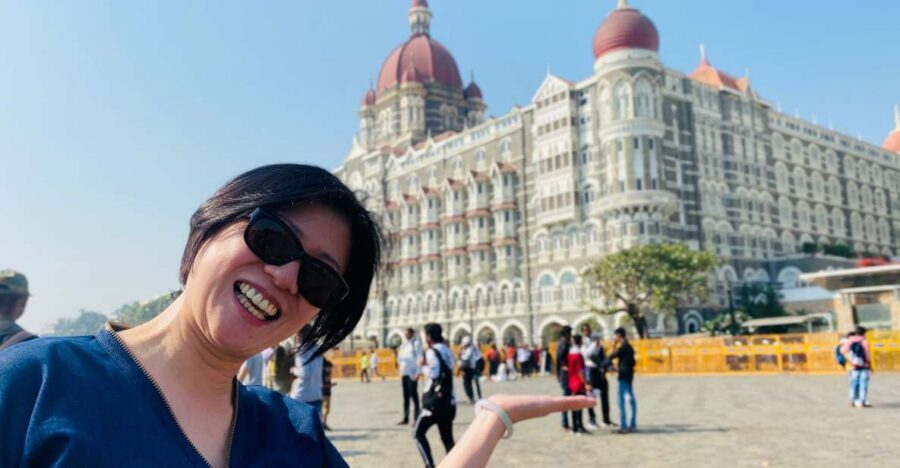
You meet at PizzaExpress, located right next to the Gateway of India. A company representative waits outside the entrance of PizzaExpress. If you can’t spot them fast, you’re told to contact the helpline number for immediate help—good to know, because crowds around the Gateway can make “meet right here” feel less than precise.
This is one of those practical details that matters more than people think. If you’re arriving in Mumbai that day, the Gateway area is easy to recognize on arrival maps and photos, and it reduces the stress of scrambling to figure out the pickup point.
Also, plan around the baggage rule: no luggage or large bags. Bring only what you need for walking and a day trip. Comfortable shoes are a must.
You can also read our reviews of more city tours in Mumbai



Gateway of India to Taj Mahal Palace: The Classic Postcard Portion
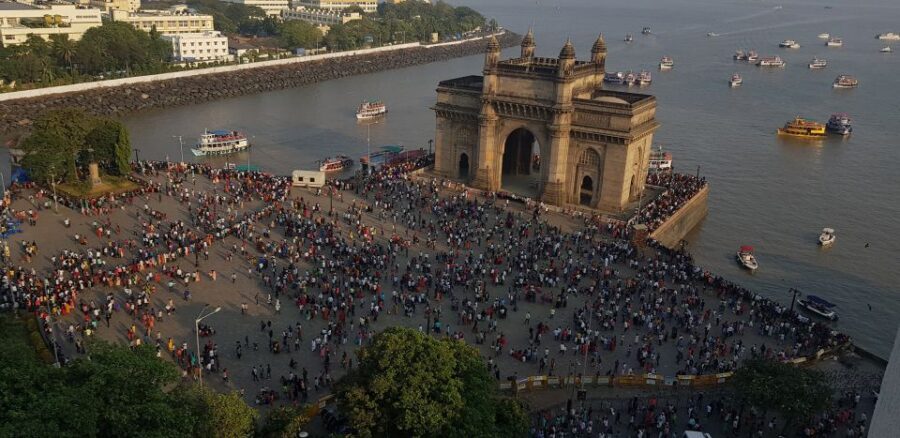
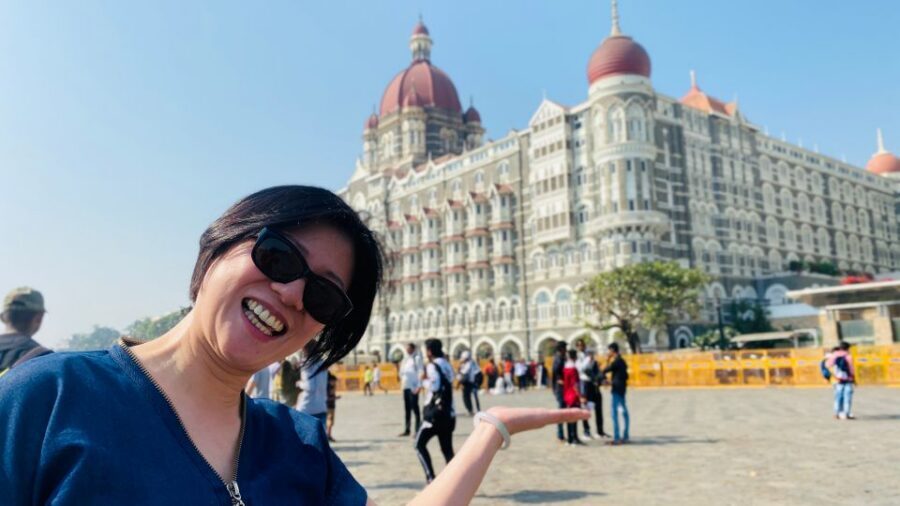
Your city day starts where Mumbai’s maritime story shows up first. The Gateway of India anchors the whole tour in a big way—this is the monument most people come to see, and it sets the tone for the rest of South Mumbai.
From there, you visit the Taj Mahal Palace Hotel area. Even if you’re not going inside, the point is the setting: colonial-era grandness next to modern crowds. It’s a reminder that Mumbai has always been a meeting point—traders, travelers, and later, dreamers with cameras.
Then you also get the views that matter later in the day, because the tour’s ferry segment connects back to the Gateway. You’ll see it from land, then you’ll see it again from the water, with a very different mood and angle.
Dhobi Ghat Laundry Life Meets Marine Drive Views
Dhobi Ghat is one of those places that feels like you’re watching a daily ritual that has continued for generations. You’ll see the washing laundry spectacle, and your guide can help you understand what you’re looking at beyond the surface of it being photogenic.
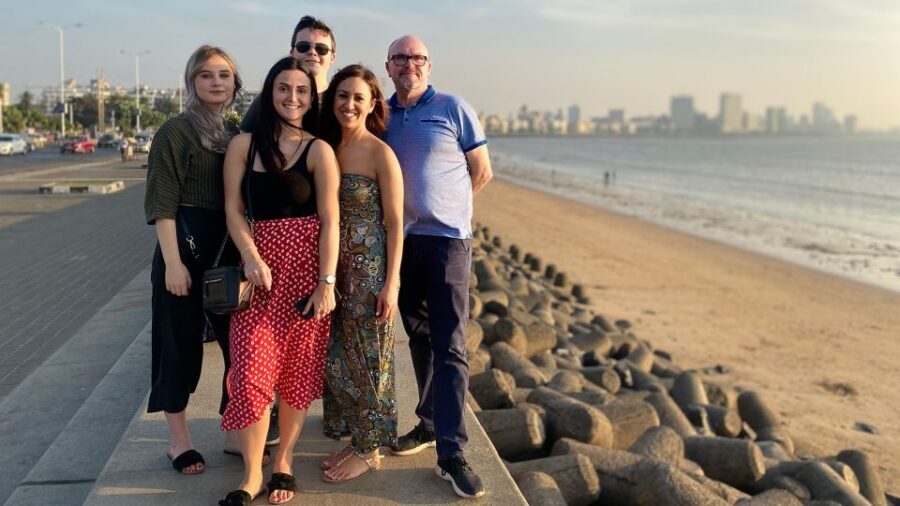
Right after that kind of close-up human scene, you shift to Marine Drive, which brings the ocean-side calm. This is where Mumbai slows its visual pace just enough for your eyes to reset. Expect sea-front scenery and that long, curved promenade feel that people associate with Mumbai nights—but here you’ll likely experience it as a day-to-evening atmosphere setting you up for contrast.
The reason I like this pairing is simple: it stops the day from being all stone monuments and office buildings. You get texture, movement, and real-life work happening in plain sight.
Oval Maidan, Mumbai University, and the Clock-Tower Details
The tour also threads through a set of recognizable civic and institutional stops. You’ll see Oval Cricket Ground, Mumbai University, and the Big Ben Clock of India, plus landmarks like Bombay High Court.
These can look like just buildings from the outside—until your guide points out what makes them worth noticing. The best part of this kind of stop is that it turns your walking and looking into “I know what I’m seeing now,” not just “I took a photo because it was there.”
Even the clock-tower stop helps you understand Mumbai’s colonial-era design influence. And the cricket ground adds a very local note: Mumbai’s identity isn’t only about monuments. It’s also about sport, public space, and how people use the city.
Practical note: these segments work best if you’re willing to stand and watch for a few minutes at each stop. If you hate waiting around, tell your guide you prefer quick picture breaks.
Queen Victoria Terminus and Crawford Market in One Day
Two stops that people often love in South Mumbai are Queen Victoria Terminus and Crawford Market.
Queen Victoria Terminus is iconic because it’s so unmistakably grand and historic-looking. It also gives you a strong visual anchor for the Victorian flavor of the city. Crawford Market adds the other side of South Mumbai: market energy, color, and the feel of everyday commerce.
This combination is smart for a short itinerary. Terminus gives you the “big heritage moment.” Crawford Market gives you the lived-in street moment. Put together, your day stops feeling like a museum shuffle.
One small caution: markets can get crowded quickly. Wear shoes you trust on uneven pavement, and keep your bag closed. No large luggage is allowed anyway, which helps.





Gandhi’s Footsteps and Green Stops Like Hanging Gardens
The route also includes Mani Bhawan (Gandhi’s House) and green breaks like Hanging Gardens and Kamla Nehru Park.
These pauses are valuable because Elephanta is a full mental shift. You’ll spend a big chunk of your day walking a cave complex with stone carvings and low-lit corridors. So the city’s parks and memorial spaces act like decompression.
Mani Bhawan gives you a more reflective stop amid all the landmark photography. And the gardens help you reset your body. Even if you’re feeling fine in the morning, you’ll appreciate a bit of open-air time before the ferry and island walking.
If you’re the type who asks questions, this is a good section to slow down. Your guide can connect the city’s public life with the larger story of India you’re seeing all day.
Ferry to Elephanta Island: The Bay View You Don’t Want to Miss
Then you jump to the part everyone remembers: the ferry ride across the bay to Elephanta Island. This is one of the best uses of time in the itinerary because it gives you scale. Mumbai from the water looks different—more layered, more dimensional.
It also sets expectations for the caves. Once you’re out on the water, the day stops feeling like a city sprint and starts feeling like an old place you’re about to enter.
A heads-up based on the tour’s own operating notes: during high tides or heavy rainfall, ferry operations might be disrupted, and the tour operator may offer alternatives like Kanheri Caves or a 25% refund. That doesn’t mean the day is ruined. It means you should treat the ferry as the first “weather check” of your schedule and bring flexible expectations.
Inside Elephanta Caves: Shiva Cave and the Carved Stone Walk
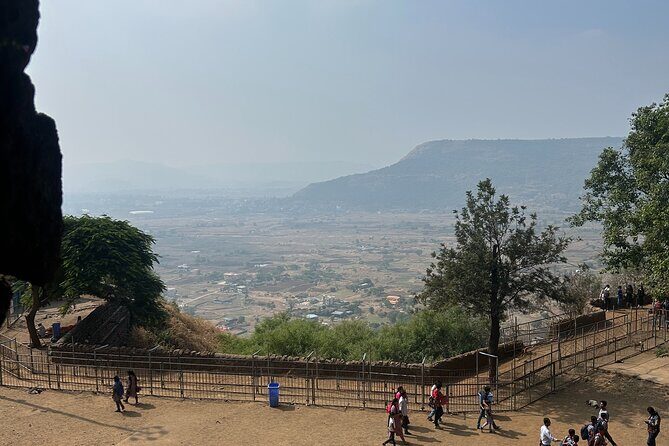
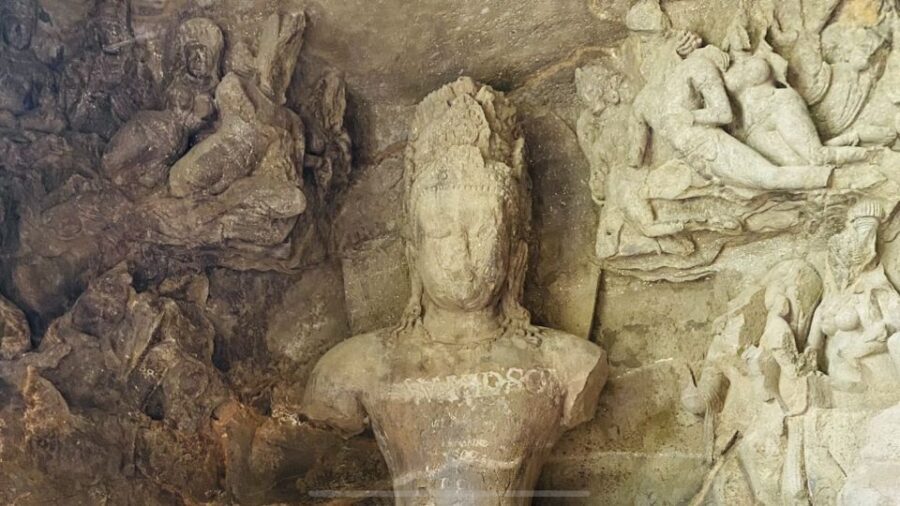
Elephanta Caves are man-made wonders carved into solid mountains. The site served as sacred spaces for Hindu and Buddhist worship from the 5th to 7th century, so it’s not just one faith theme—it’s layered.
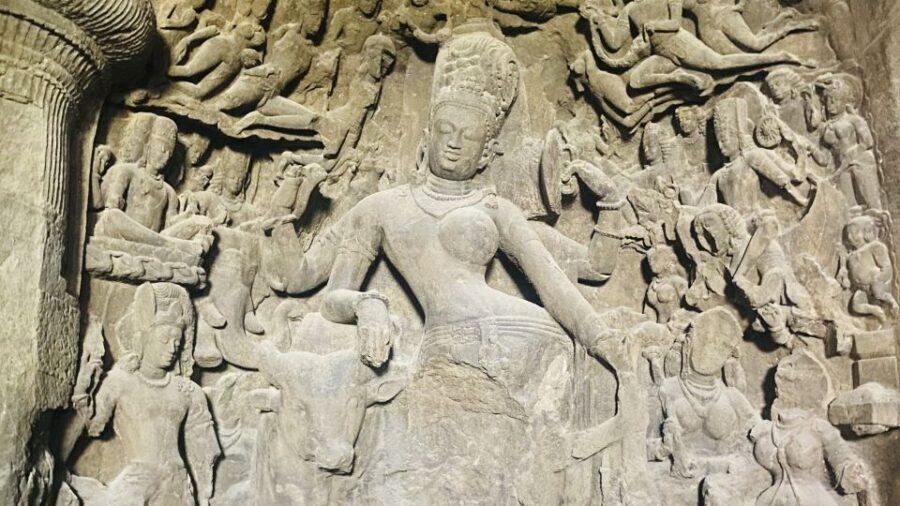
Your guide leads you through the complex, and it helps to know what you’re hunting for. The main highlight is the Shiva Cave, where the carvings narrate stories connected to Lord Shiva. The standout visual is the 20-foot-tall Trimurti sculpture, which is hard to describe until you see it in person. It’s large in a way that photographs often don’t capture well.
You’ll also explore other “wings” or sections with shrines dedicated to Shiva’s sons—Kartikeya and Ganesh—each with carved statues. That structure matters because it turns the site into a map of stories, not just random rock art.
A tip for your comfort: dress for walking on uneven cave surfaces and bring the mindset that this is a guided indoor circuit. You don’t want to rush past the details; the guide is there to make the stone make sense.
Trimurti and the Real Meaning of Hinduism on Stone
The tour calls out “the real meaning of Hinduism,” and that’s a fair promise if your guide does their job. The Trimurti concept is one of the most famous “big ideas” in Hindu symbolism, and seeing it carved at scale gives you an immediate sense of why people consider these caves sacred.
What I like about how this tour handles it is the balance. You’re not only looking at sculpture like a static art object. You’re learning how the carvings connect to the broader religious and cultural thinking of the period.
And because the caves include references tied to both Hindu and Buddhist worship, you get a more nuanced picture of the island’s spiritual role. Your guide explains the connections and the context, so you finish the visit with a mental framework instead of only a set of impressive photos.
Options and Value: Group vs Private vs Dharavi Add-On
The price is listed as $24 per person, which is strikingly low for a day that includes a full city loop, a ferry crossing, and guided time through a major heritage site. The catch is that entry tickets and ferry tickets aren’t included, so your total trip cost will be higher once you add those.
Still, the structure is good value if you want efficiency. You’re paying for an organized route and guided interpretation, not just transportation.
You also get several booking routes:
- a Group Elephanta Caves Tour
- a Private Elephanta Caves Tour
- a combination like Group Elephanta + Private City Tour
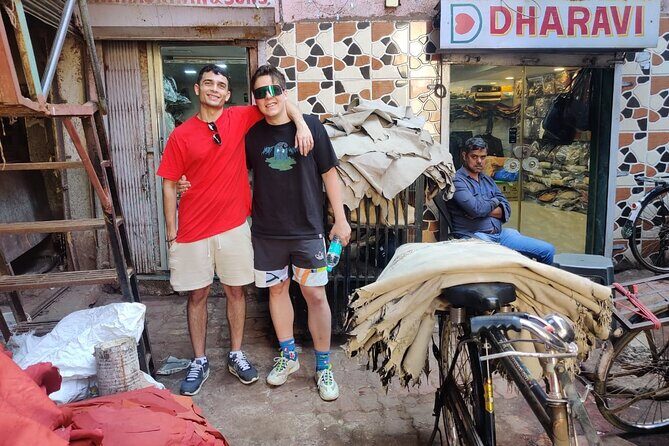
- and an option that can add Dharavi Slum Tour alongside Elephanta
If you like meeting fellow people and keeping costs down, the group option fits. If you prefer more direct pacing and easier photo stops, the private option is often worth it.
One practical thought: if you’re booking with multiple segments (city + Elephanta, or city + Dharavi), plan your energy. This is not a sit-and-ride all day. It’s a walk-and-see day with structured stops.
Time, Shoes, and Weather: The Stuff That Actually Changes Your Day
This is where you win or lose the day. Wear comfortable shoes. The tour also specifies no luggage or large bags, so pack light. You’ll want to be able to move quickly at stops and through crowded areas without juggling a heavy bag.
You also need a passport or ID card (a copy is accepted). It’s a small instruction, but it saves hassle if you’re asked for ID later.
Weather is another real variable. The tour notes that ferry operations might be disrupted during high tides or heavy rainfall, with alternatives like Kanheri Caves or a refund option. That’s not something you can control, so treat it as part of the plan.
Finally, about mobility: the tour is listed as not suitable for wheelchair users or people with mobility impairments. At the same time, it says wheelchair rental is available on-site with an additional fee. If mobility is your concern, don’t assume it’ll be workable. Ask the operator directly how the caves and transfers will work for your situation.
Should You Book This Mumbai + Elephanta Day Tour?
I’d book this if you want a high-return day: iconic South Mumbai landmarks, real-life Mumbai stops like Dhobi Ghat, and then the Elephanta Caves centerpiece with the Shiva Cave and the towering Trimurti. The best versions of the tour seem to run on strong guidance, and the guides people mention—like Divinya, Neha Sultan, Shuaib Khan, Shruti, and Sahil—fit the same pattern: friendly, organized, and able to turn what you see into something you understand.
Skip it if you’re traveling with mobility limitations, dislike walking through structured sites, or you don’t want any uncertainty around ferry timing. Also factor in the extra costs for ferry and entry fees, so the $24 headline price doesn’t surprise you later.
If your plan is short on time and long on curiosity, this is a solid way to get a real cross-section of Mumbai—then step into a stone world that feels far older than the city around it.
FAQ
How long is the Mumbai city tour with Elephanta Caves?
The duration is listed as 5 to 8 hours, depending on the starting times and your selected option.
What does the tour cost?
The price is listed as $24 per person.
Are entry tickets and ferry tickets included in the price?
No. Entry tickets and ferry tickets and Elephanta Caves entry fees are listed as not included. The tour also mentions skipping the ticket line.
Where do I meet the guide?
The meeting point is PizzaExpress, right next to the Gateway of India. A representative waits outside the entrance. If you can’t find them, contact the helpline number.
Is hotel pickup and drop-off included?
The tour description says you get hotel pickup & drop-off included.
What should I bring, and what is not allowed?
Bring comfortable shoes and a passport or ID card (a copy is accepted). Luggage or large bags are not allowed.
What if the ferry can’t operate due to weather?
During high tides or heavy rainfall, ferry operations might be disrupted. In those cases, the operator may offer Kanheri Caves as an alternative or a 25% refund.