REVIEW · MUMBAI
Mumbai: Dharavi Slum, DhobiGhat, and Dabbawallas Tour
Book on GetYourGuide →Operated by Amaze Tours · Bookable on GetYourGuide
Mumbai runs on neighborhoods, not monuments. This guided route uses local trains to take you into Dharavi, then to Dhobi Ghat’s open-air laundry, and finally to watch dabbawallas at work near Churchgate. It’s a big slice of daily Mumbai in a short time, guided end-to-end.
I especially like the human focus: a local guide—often a Dharavi resident such as Loki, Alam, Maze, Ganesh, or Bharathi—helps you see what’s going on without making it feel like a sightseeing show. I also like the practical pacing: you’re on the move with public transit and short walks, so you get a feel for how the city functions, not just what famous spots look like.
One consideration: there are photo limits. Photography isn’t allowed inside Dharavi, and you may miss the dabbawallas on Sundays/public holidays (and some dates around Diwali leave).
In This Review
- Key Highlights You’ll Care About
- Why This Dharavi–Dhobi Ghat–Dabbawallas Route Works
- Price and Value: What $14 Gets You in 3–4.5 Hours
- Meeting at Churchgate and Using the Commuter Trains
- Dharavi Walking Tour: What You’ll See and How to Handle It
- The point isn’t spectacle
- Camera rule: plan to go without photos inside
- How the guide helps you feel safe and steady
- Dhobi Ghat: The Open-Air Laundry You Walk Into
- What makes Dhobi Ghat special for your day
- Photo expectations
- Dabbawallas Near Churchgate: Lunchbox Delivery as a System
- Important timing limits: when you might not see them
- What “seeing it in action” looks like
- Who This Tour Fits Best (and Who Should Skip It)
- Practical Tips Before You Go: Sun Hat, Respect, and Timing
- Should You Book This Dharavi, Dhobi Ghat, and Dabbawallas Tour?
Key Highlights You’ll Care About
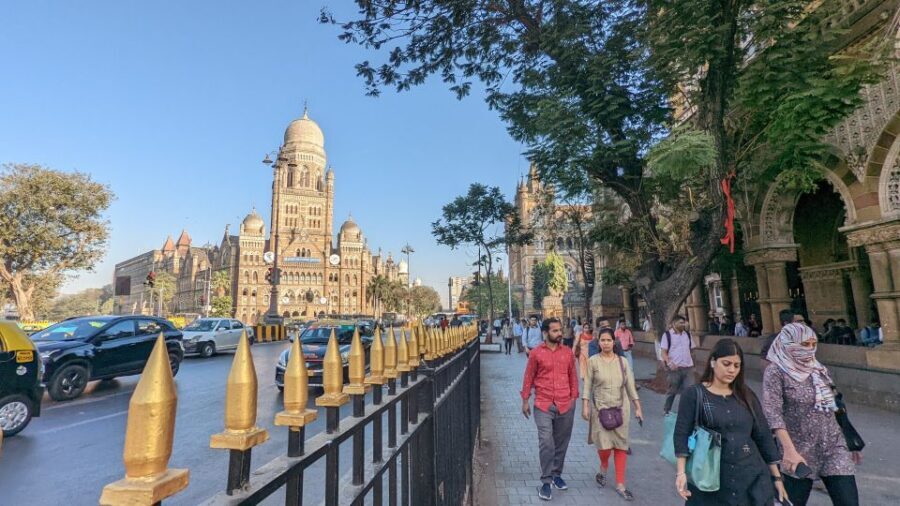
- Resident-guided stories: Guides like Loki, Alam, Maze, Ganesh, and Bharathi bring clear English explanations and a respectful, on-the-ground perspective.
- Two local train rides: You ride the commuter rail to cut through traffic and experience Mumbai’s rhythm between stops.
- Dhobi Ghat inside access: You visit the open-air laundry up close, with a guided walkthrough of how the washing operation works.
- Dabbawallas in action near Churchgate: You’ll see lunchbox delivery culture, including the system and how it runs day to day.
- Clear rules for responsible visiting: You’ll follow the camera rules in Dharavi and stay on a guided path through narrow streets.
- Time-efficient route: About 3 to 4.5 hours total, mixing train travel and focused walking so it doesn’t drag.
Why This Dharavi–Dhobi Ghat–Dabbawallas Route Works
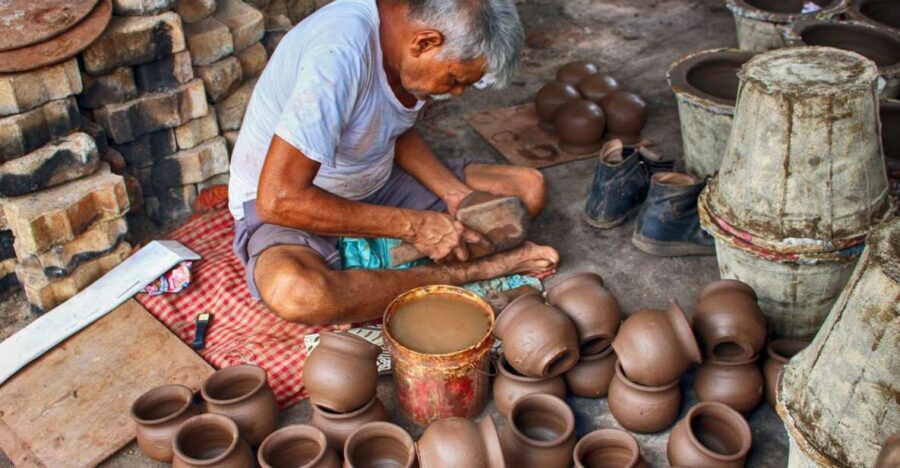
This tour works because it connects three parts of Mumbai’s working life that rarely get shown together. You start with Dharavi, not as an idea, but as a lived-in place with industries and routines. Then you jump to Dhobi Ghat, where labor is visible and the city’s logistics look almost mechanical. Finally, you end with the dabbawallas, where the same idea—moving everyday necessities reliably—shows up again in a different form.
If you’re the type who likes real systems (how people get things done, not just what things look like), this pairing makes sense. It also means your guide isn’t only telling you about poverty or hardship. They explain how work, community, and daily problem-solving all fit together.
You can also read our reviews of more tours and experiences in Mumbai.



Price and Value: What $14 Gets You in 3–4.5 Hours
At about $14 per person for roughly 3 to 4.5 hours, the value is mostly in the guided access and coordination. You’re not just paying for walking and entry. You’re paying for someone local to get you safely through a dense area, explain the industries you’ll see, and keep the timing tight enough to cover Dharavi, Dhobi Ghat, and the Churchgate area in one loop.
This is also one of those deals where the “transport included” part matters. The tour uses local trains between stops. That’s not only cheaper than hiring private transport; it also changes the feel of the day. You’re moving like a commuter, which turns travel time into part of the experience.
Meeting at Churchgate and Using the Commuter Trains
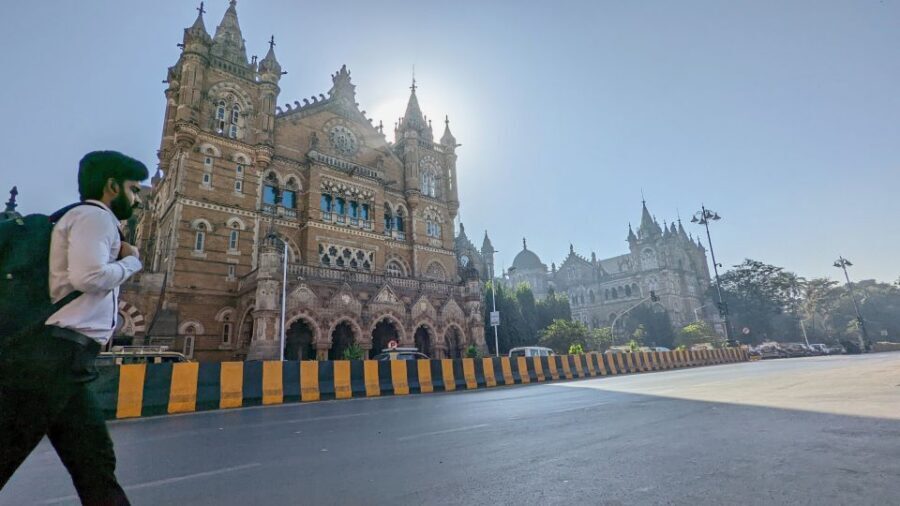
The most common plan is to meet your guide at Churchgate Railway Station. From there, you take a train ride to reach Dharavi, then later another ride back toward Churchgate.
The itinerary timing is built around this:
- A train ride about 20 minutes to get to Dharavi
- A short station visit and guided segment about 10 minutes at Churchgate near the end
- A second train ride about 15 minutes after Dhobi Ghat
Two practical reasons this works for you:
- Less traffic stress: Mumbai traffic can be unpredictable. Trains keep the plan moving.
- Better city context: You see how ordinary people travel and where the city’s day starts.
One small note: it’s worth thinking about crowds. A guide-led local train experience is easiest when you’re not fighting rush-hour crush. If your schedule allows, choose a time that feels comfortable for you.
Dharavi Walking Tour: What You’ll See and How to Handle It
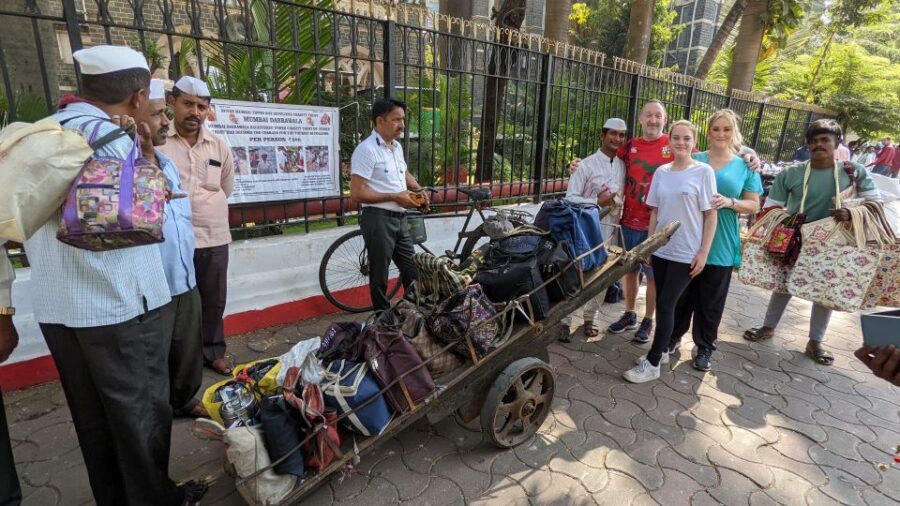
Your Dharavi portion is a guided tour with a walking time around 100 minutes. This is the longest segment of the day, and it’s also where respect and rules matter most.
The point isn’t spectacle
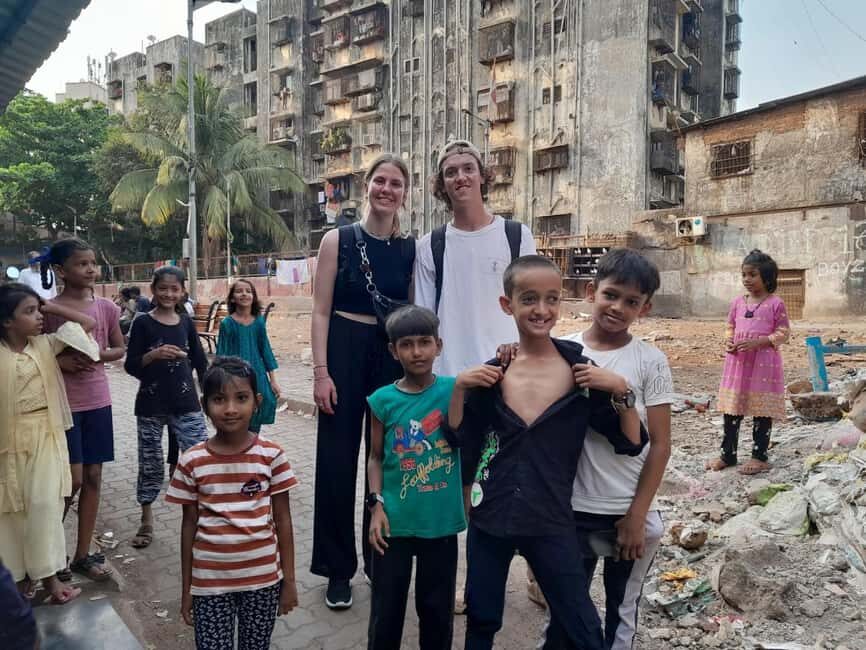
Dharavi isn’t treated like a theme park. The guides commonly come from the area themselves—people like Loki or Alam (and other local guides in the same style) share context on what’s happening and why. That local angle is a big reason the tour earns such strong ratings: the explanations are tied to daily life, and the route tends to stay appropriate.



Camera rule: plan to go without photos inside
A key rule you need to know up front: photography is not allowed inside the Dharavi slum. So instead of planning shots, plan attention. Watch what your guide points out, listen to the industry explanations, and ask questions.
If you’re the type who depends on photos to remember a trip, this is the moment to switch your strategy. Take notes in your phone (without camera use) or just commit the details to memory.
How the guide helps you feel safe and steady
Many guides are praised for managing the group—keeping things orderly, guiding you through narrow lanes, and offering clear direction, especially on the train. You’re not left “wandering and figuring it out.” That’s a big comfort boost when the streets look chaotic from the outside.
Dhobi Ghat: The Open-Air Laundry You Walk Into
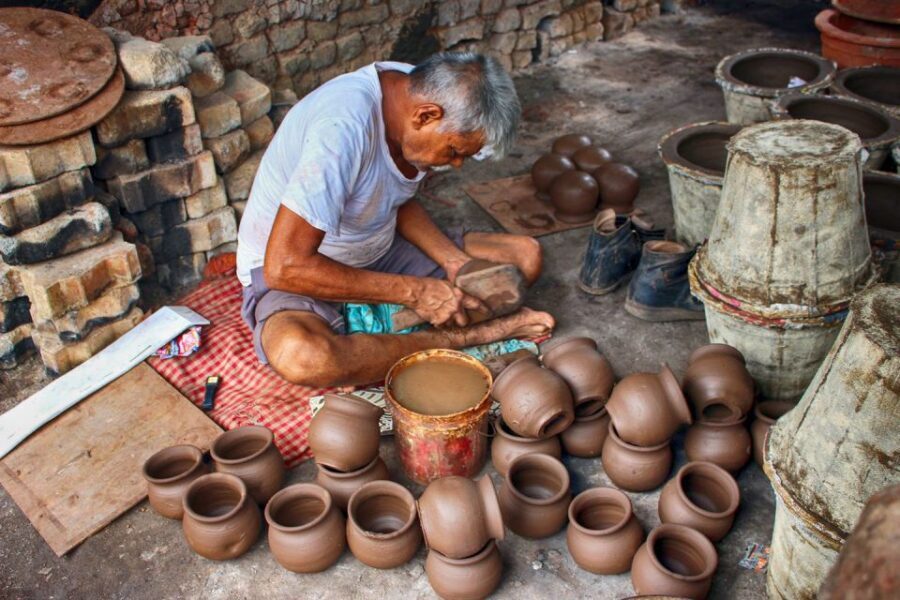
After Dharavi, you head to Dhobi Ghat. Here the tour includes a guided visit and a short walk (around 20 minutes) inside the open-air laundry area.
Dhobi Ghat is one of those places where the mechanics of work are visible. You’ll see the yard-like structure of the laundry operation, with clothes being processed as part of a larger system rather than one-off washing. Your guide explains what you’re looking at, and it tends to land in a way that’s hard to get from a photo online.
What makes Dhobi Ghat special for your day
This stop gives you a break from the tight street geometry of Dharavi. It’s still working life, still dense with activity, but the space is more open and the processes are easier to track visually. You come away understanding how Mumbai’s labor networks connect to everyday needs.
Photo expectations
The only explicit photo restriction stated is for inside Dharavi. For Dhobi Ghat, the tour data doesn’t list a separate blanket rule. Still, be ready for local instruction from your guide once you arrive, especially in active work zones.
Dabbawallas Near Churchgate: Lunchbox Delivery as a System
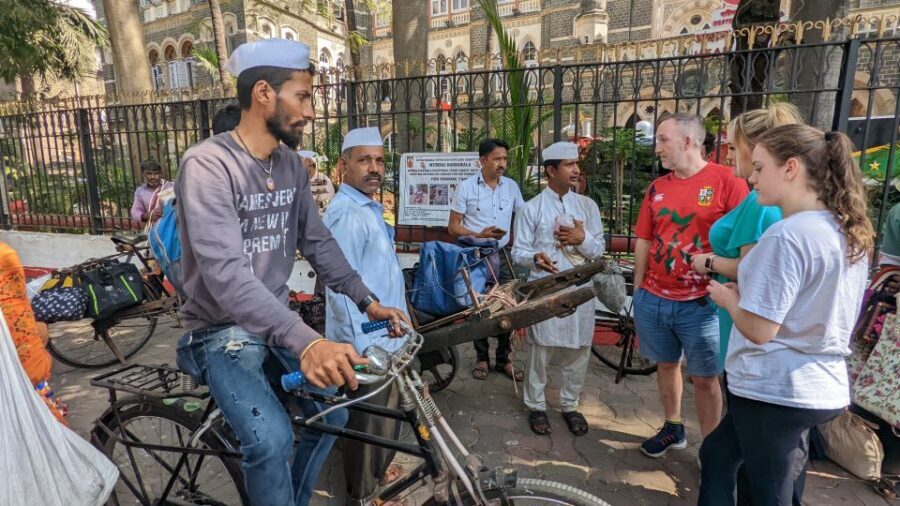
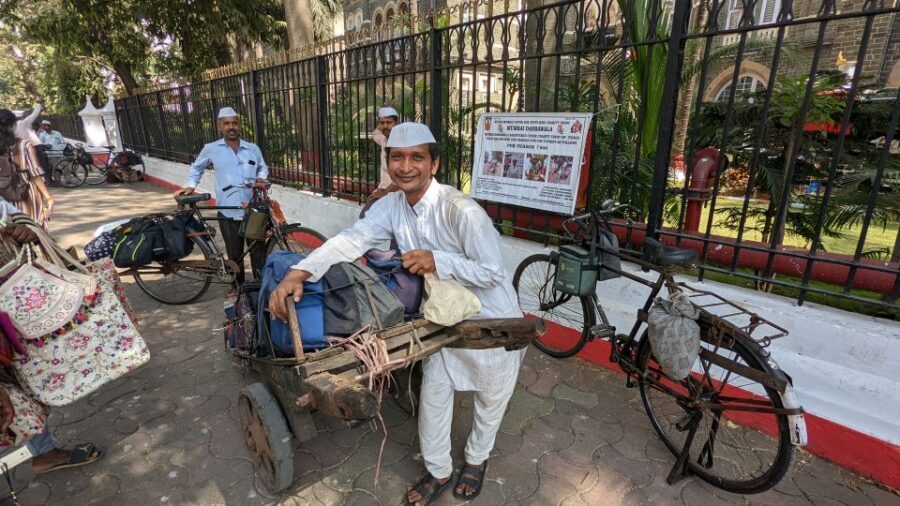
You finish around Churchgate Railway Station with a visit and guided segment of about 10 minutes. This is where you get to see the dabbawallas—Mumbai’s lunchbox delivery workers—in action.
This stop is popular because it’s not random. It’s a working network with routines designed for reliability. Your guide explains how the system operates so smoothly, and you also see the logistics culture around it.
Important timing limits: when you might not see them
You should plan for the reality that dabbawallas don’t operate on Sundays and public holidays. Also, there’s a specific Diwali-related heads-up: from 31 October to 4 November 2024, dabbawallas would be on Diwali leave, and the tour booked for those dates may not be able to see them.
So if dabbawallas are a must for your trip, double-check your travel dates.
What “seeing it in action” looks like
Based on the guide-led experiences, expect to watch the delivery workflow: sorting and coordination elements near the Churchgate area, and a close-up look at the daily delivery culture (including bikes/packing routines when available). It’s a short stop, but it often becomes the part people remember because it shows how food logistics are handled with precision.
Who This Tour Fits Best (and Who Should Skip It)
This tour can be a strong match if you want a working-city experience with a guide who explains what you’re seeing.
It’s not suitable for children under 4 years, and it’s also not suitable for pregnant women. That’s mostly about the walking and the dense, active environments you’ll move through.
It’s also a good fit if:
- You prefer public transportation as part of the journey.
- You like industry and daily-life explanations, not only monuments.
- You want someone to manage the “how do I get there” and “what am I looking at” parts.
If you’re uncomfortable in crowded areas or prefer long stretches of seating, keep your expectations realistic. This tour is movement-heavy by design.
Practical Tips Before You Go: Sun Hat, Respect, and Timing
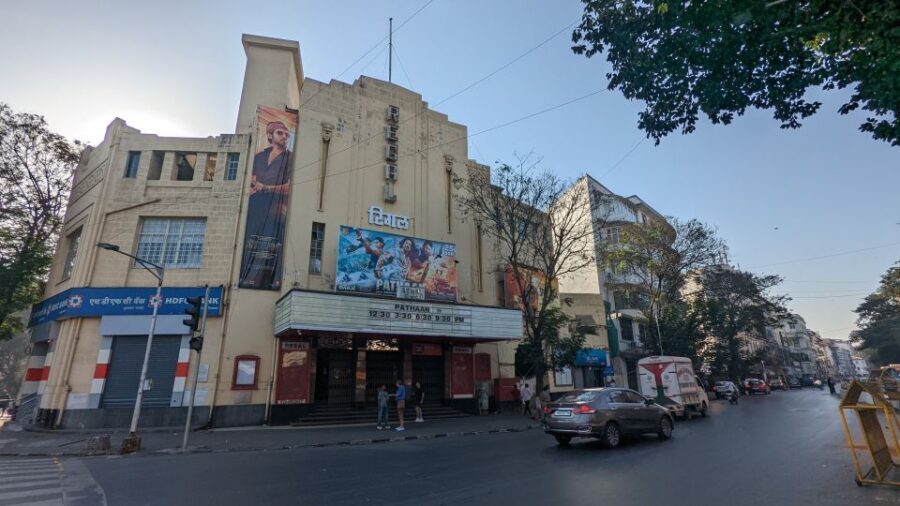
Bring a sun hat. Mumbai sun can be intense, and you’ll be outdoors during both the walks and transit windows.
Then go in with the right mindset:
- Expect rules in Dharavi. No photography inside means you’ll rely on attention and conversation.
- Follow your guide’s pace. Narrow lanes and busy work areas aren’t the place to lag behind.
- Ask questions early if you have them. The guides are typically praised for handling questions and explaining complex parts clearly in English.
Also, think about your schedule. The tour lasts a few hours and uses trains, so it’s best paired with a low-stress plan before and after. You’ll come out with a lot to think about.
Should You Book This Dharavi, Dhobi Ghat, and Dabbawallas Tour?
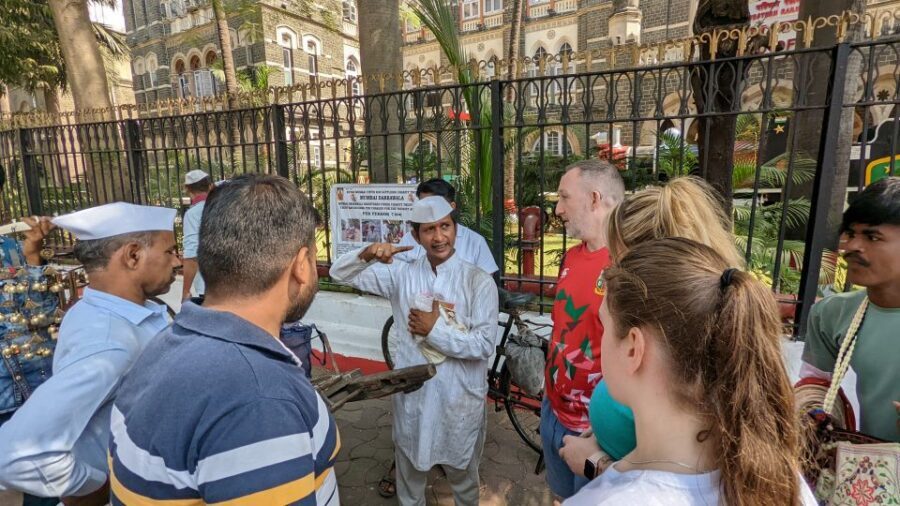
I’d book it if you want Mumbai beyond the usual postcard stops and you like understanding how daily life runs. The best part is the guide experience: locals such as Loki, Alam, Maze, Ganesh, and Bharathi show up again and again in the overall success of the tour style—clear English, respectful routes, and explanations that make the industries and logistics feel real.
I wouldn’t book it if you’re mainly chasing photo-friendly landmarks or if your dates fall on Sundays/public holidays (and especially around 31 Oct–4 Nov 2024 for Diwali leave), because that can affect whether you see the dabbawallas. And if you’re traveling with anyone who falls under the under-4 or pregnancy limitations, you should choose a different tour format.
If your goal is an honest, structured look at how Mumbai works—through neighborhoods, work yards, and lunchbox delivery—this is a strong use of time.