REVIEW · MUMBAI
Private City Tour with Dharavi Slum Dhobighat and Dabbawalla
Book on Viator →Operated by Namaste Tours and Trips · Bookable on Viator
Mumbai has two speeds: grandeur and grit.
This private 6–7 hour day pairs big South Mumbai icons with a guided look at Dharavi and Mahalaxmi’s open-air Dhobi Ghat, so you see how the city’s wealth, history, and daily labor all sit side by side. I love having a guide like Siddhi (often called Sid) from Namaste Tours and Trips, who keeps the tone human and sensitive, not exploitative. I also like the pacing: you get classic landmarks like Gateway of India and UNESCO-listed Chhatrapati Shivaji Terminus, then the day turns toward real neighborhoods where the story feels immediate.
One consideration: the schedule is packed with 14 stops, and the Dharavi portion alone is a long 2 hours. If you prefer lighter, less intense sightseeing, plan your energy for the working-life sections and know this tour expects good weather.
In This Review
- Key things I’d watch for
- A Private Mumbai Day That Starts at Regal Cinema and Ends at Dharavi
- Gateway of India to Crawford Market: Getting Your Bearings Fast
- Chhatrapati Shivaji Terminus and the Churchgate coastline mood
- Marine Drive and Mani Bhavan: Where Mumbai’s mood changes
- Malabar Hill viewpoints: Hanging Gardens, Kamala Nehru Park, Banganga Tank
- Antilia: A look at wealth in the same frame as real Mumbai
- Dhobi Ghat at Mahalaxmi: The working city in plain view
- Entering Dharavi with a sensitive, guided lens
- Value and logistics: Is this $75.69 private tour worth it?
- Who this tour suits best (and who should think twice)
- Should you book this Mumbai private tour?
- FAQ
- How long is the tour?
- Where does the tour start and end?
- Is pickup included?
- Is this tour private?
- Are admission tickets included for the stops?
- What time does the tour begin?
- What happens if the weather is bad or you need to cancel?
Key things I’d watch for
- A real private guide experience with Siddhi/Sid, praised for professional knowledge and an authentic, caring approach
- A high-contrast route: Gateways and Gothic rail stations, then Dharavi and Dhobi Ghat
- Longer time where it matters: about 2 hours in Dharavi plus a dedicated Dhobi Ghat stop
- South Mumbai orientation fast: Marine Drive, Mani Bhavan Gandhi Museum, Malabar Hill viewpoints
- Flexible day feel: your guide may adjust if you’ve already seen certain spots
- No-pressure shopping vibe: you’ll get clear signals not to feel pushed to buy anything
A Private Mumbai Day That Starts at Regal Cinema and Ends at Dharavi
The tour starts at Regal Cinema, Apollo Bandar, Colaba at 9:30 am, and it ends in Dharavi at Kumbhar Wada. That’s a big deal for planning, because the day finishes in a neighborhood setting rather than looping back to where you started. If you’re thinking about dinner reservations or airport timing, you’ll want to line things up with that Dhariavi-area endpoint in mind.
You also get pickup offered, which helps if you’re not staying in Colaba. The experience is private, so it’s just your group with the guide, not a crowded bus situation. And you’ll have a mobile ticket, which makes it simpler to check in and keep things moving.
Most of the stops listed are marked as free admission, so your money mainly goes to the guide, time, and access/interpretation—not to a stack of entry fees.
You can also read our reviews of more city tours in Mumbai


Gateway of India to Crawford Market: Getting Your Bearings Fast
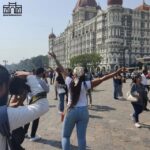
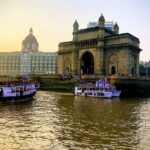
The day kicks off with the Gateway of India, an early 20th-century arch monument tied to the landing of King-Emperor George V. Even if you’ve seen photos, being here in person helps you understand how Mumbai learned to present itself to the world: grand, symmetrical, and built for arrival.
From there, the tour leans into “you’re standing in the machinery” sightseeing. You’ll stop at the University of Mumbai Library, plus the High Court principal bench area. These aren’t the kind of stops where you go deep for hours. Instead, you get quick orientation—how institutions shape the city, where authority is housed, and how South Mumbai’s layout works.
Then comes Crawford Market, a classic local market stop. The building was completed in 1869, and it’s linked to Cowasji Jehangir. This is where your brain starts shifting from monuments to everyday commerce. Markets in Mumbai aren’t just places to shop; they’re social spaces and logistics hubs. The guide’s job here is to translate the street-level energy into something you can read.
What I like about this section: it helps you understand the city’s skeleton—colonial-era public spaces, major institutions, and a market that signals how people actually move through the day.
Chhatrapati Shivaji Terminus and the Churchgate coastline mood
Next, you hit Chhatrapati Shivaji Terminus (CST), a UNESCO World Heritage Site. This is one of those stops where you don’t need a special interest to appreciate what you’re seeing. The terminus was designed by the British-born engineer Frederick William Stevens, and the architecture reflects Mumbai’s role as a major rail and trading hub.
Even though you’ll only spend about 20 minutes here, it’s enough time to notice the “train station as monument” approach—Mumbai built something meant to last, not just something meant to function.
After that, the route moves to Churchgate Railway Station and the nearby seaside area. The description includes Oval Maidan and the nearby Brabourne Stadium, which has hosted formal matches since the 1930s. If you like sports history, this is a nice bonus layer. If you don’t, you still get a sense of how Mumbai balances public space and dense urban life right next to the water.
Practical note: because the day is heavy on landmarks and transit-adjacent stops, your guide’s timing matters. A private guide can keep you moving without turning it into a sprint.
Marine Drive and Mani Bhavan: Where Mumbai’s mood changes
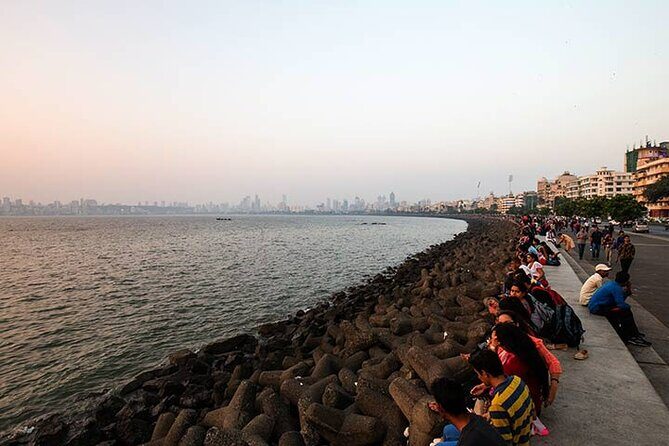
One of the most beloved parts of Mumbai is simply watching the city slow down, and Marine Drive is built for that. The promenade is about 3 kilometers long, runs along Netaji Subhash Chandra Bose Road, and is described as a C-shaped stretch. It’s a classic evening-walk vibe—though even in daytime, the layout helps you picture why locals treat it like a daily ritual.
The tour then includes Mani Bhavan Gandhi Museum, tied to Gandhi’s political activities in Mumbai. This stop matters because it adds political context to the physical city you’ve been seeing. You’re not just collecting sights; you’re connecting people and movements to the buildings and neighborhoods around them.
If you’re the kind of traveler who likes a little meaning with your photos, this pairing works well. Marine Drive gives you atmosphere; Mani Bhavan gives you context.
Malabar Hill viewpoints: Hanging Gardens, Kamala Nehru Park, Banganga Tank
After Marine Drive, the tour heads toward the elevated side of the city with Hanging Gardens (also known as Pherozeshah Mehta Gardens). These are terraced gardens perched on Malabar Hill’s western side, opposite Kamala Nehru Park.
Then you’ll stop at Kamala Nehru Park, built in 1952 and named after Nehru’s wife. The payoff here is the view—especially your line of sight toward Marine Drive.
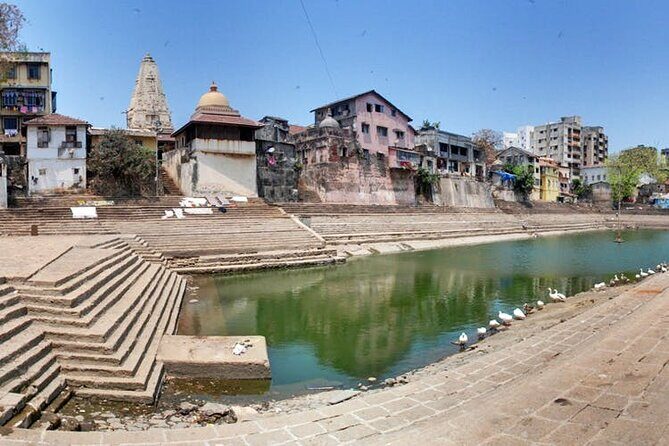
Finally, you’ll visit Banganga, a temple tank in the Hindu Walkeshwar Temple complex. This is a quieter pocket, and it’s a helpful contrast to the earlier sightseeing rhythm. Instead of just looking outward at the skyline, this part nudges you to notice the city’s spiritual footprint.
What I think you’ll appreciate here: the viewpoints don’t feel like generic photo stops. They help you understand how Mumbai’s neighborhoods stack vertically and how the coastline and promenades fit into that view.
You can also read our reviews of more private tours in Mumbai



Antilia: A look at wealth in the same frame as real Mumbai
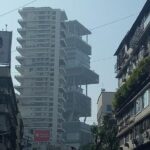
Then comes a striking stop: Antilia, the private residence of Mukesh Ambani in Mumbai’s billionaire row. The name comes from the mythical island Antillia, and the home has been described as a private residence where his family lives.
Even when you can’t go inside, this is still valuable for perspective. Seeing Antilia on the same day as Dhobi Ghat and Dharavi forces the “why” question: how does a city hold extremes next to each other, and what does that do to daily life?
This is also where I’d suggest reading your guide’s cues. A good guide can keep this from turning into gossip. In the best versions of this tour, you use the sight as a prompt to understand systems—economy, housing, city planning—rather than just staring at wealth.
Dhobi Ghat at Mahalaxmi: The working city in plain view
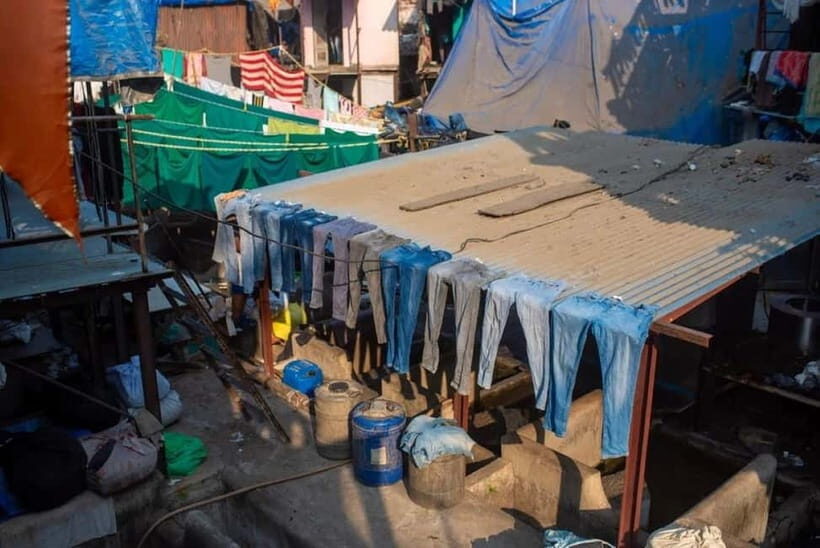
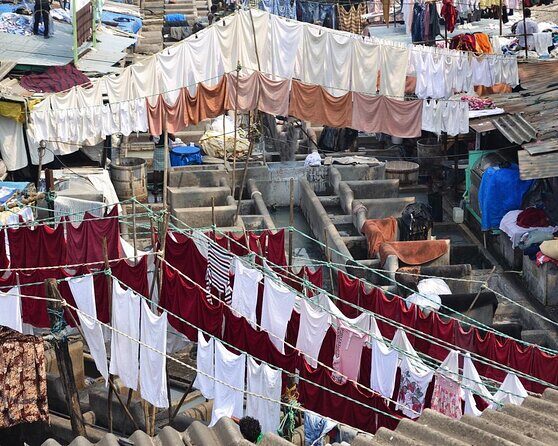
Now for the heart-punch part: Dhobi Ghat. Specifically, the stop is Mahalakshmi Dhobi Ghat, an open-air laundry location connected to Mahalaxmi railway station and also accessible from Jacob Circle monorail.
The key detail here isn’t just that it’s a laundry. It’s that it’s a working environment you can see from the outside, where daily routines are the show. The guide frames it with history and facts, and the tone matters a lot in places like this.
From the way Siddhi/Sid has been praised, the best part of Dhobi Ghat on this tour is the approach: a careful, respectful explanation of what you’re seeing. The guide also helps you understand this isn’t a theme park. It’s people doing work, and your role as a visitor is to watch, listen, and learn without turning it into spectacle.
This stop is listed at 30 minutes, which is long enough to get meaning but short enough to keep the day balanced.
Entering Dharavi with a sensitive, guided lens
Finally, you reach Dharavi—a locality described as one of the world’s largest slums, with an area just over 2.1 square kilometers and a population of about 1,000,000. The stop here is 2 hours, and it’s the longest single neighborhood segment on the day.
This section is also where the guide’s skill makes the biggest difference. Siddhi/Sid is repeatedly praised for a very human and sensitive approach, including explaining history and interesting facts, and even describing the experience as a privilege to be taken around people’s private homes. That tells you the focus isn’t just on poverty as a concept; it’s on real life—homes, routines, and community context.
A 2-hour block means you’re not just passing through like a drive-by. You get time for questions and for the guide to connect what you’re seeing to the bigger story of Mumbai’s development. Still, it’s wise to mentally prepare: Dharavi can be emotionally intense. Keep your expectations grounded. Your goal is understanding, not collecting shocking images.
About the Dabbawalla part: the tour title includes Dabbawalla, but the stop list you’re given here highlights Dharavi and Dhobi Ghat within the working-life theme. If you’re specifically hoping for a focused dabbawalla look, I’d suggest asking the provider what’s included on your date.
Value and logistics: Is this $75.69 private tour worth it?
At $75.69 per person for a 6 to 7 hour private tour, the value depends on what you want most: guided context or open-ended sightseeing.
Here, your money goes to:
- A private guide (not shared commentary)
- A tight route that covers major Mumbai anchors: Gateway of India, CST, Marine Drive, Gandhi’s Mani Bhavan
- A substantial, longer neighborhood visit—2 hours in Dharavi
- Multiple stops marked free admission in the listing, which keeps the total cost from ballooning
If you like “I want the highlights plus the real-life layer,” this seems like a strong fit. You’re not paying for entry fees to six museums; you’re paying for interpretation that ties the city together.
Timing is also part of the value. With a 9:30 am start and many stops in one day, you’re using your limited time efficiently—especially if it’s your first visit and you want to understand South Mumbai fast, then continue into the city’s working neighborhoods.
One logistical consideration: the tour ends in Dharavi, so your post-tour plan should be close enough to avoid a headache. If you’re finishing late-day, pick somewhere sensible to eat nearby or arrange a ride in advance.
Who this tour suits best (and who should think twice)
This tour fits best if you:
- Want a guided Mumbai overview plus a serious neighborhood component
- Appreciate a guide who can explain history and meaning without turning sensitive areas into a show
- Like contrast: polished landmarks and daily labor in the same day
- Are comfortable with a longer 2-hour neighborhood stop
I’d think twice if you:
- Want a more relaxed sightseeing pace
- Get overwhelmed easily by intense social realities
- Need the end of the day to be back in Colaba or a specific hotel zone (since the listed endpoint is in Dharavi)
Should you book this Mumbai private tour?
Yes, if your priority is a guided day that connects Mumbai’s iconic sites to its everyday reality—especially if you’re drawn to Dharavi and Dhobi Ghat with a guide like Siddhi/Sid who’s known for a careful, respectful approach.
I’d book it with a small checklist:
- Confirm what’s included under the Dabbawalla theme on your specific date
- Plan your ride and dinner with the Dharavi endpoint in mind
- Bring patience for a day with many stops (it’s 6–7 hours, not a slow museum crawl)
If that sounds like your kind of Mumbai, this private tour offers real momentum, strong guidance, and a view of the city that goes beyond postcard landmarks.
FAQ
How long is the tour?
The tour runs about 6 to 7 hours.
Where does the tour start and end?
It starts at Regal Cinema, Apollo Bandar, Colaba, Mumbai and ends at Kumbhar Wada, Dharavi, Mumbai.
Is pickup included?
Yes, pickup is offered.
Is this tour private?
Yes. It’s a private tour/activity, so only your group participates.
Are admission tickets included for the stops?
The stops listed are marked as free admission in the tour details.
What time does the tour begin?
The start time is 9:30 am.
What happens if the weather is bad or you need to cancel?
The experience requires good weather. If it’s canceled due to poor weather, you’ll be offered a different date or a full refund. It also has free cancellation up to 24 hours in advance for a full refund.