REVIEW · MUMBAI
Private Elephanta Caves: Private Half-Day Tour from Mumbai
Book on GetYourGuide →Operated by Mystical Mumbai · Bookable on GetYourGuide
Elephanta Caves feel like a time machine. In just half a day, you’ll travel out of Mumbai by ferry and explore over 1,500 years of Hindu and Buddhist sacred art carved straight into basalt. It’s the kind of outing where the details matter, and a good guide changes how you see every wall.
I especially like the private guide model. You’re not squeezed into a big crowd, and you can ask questions as you move between shrines, pillars, and the main cave scenes. The other big win for me is the smooth, organized logistics: pickup, ferry, short tram/train segments, cave time, then a return drop-off.
One possible drawback: if the ferry can’t run due to high tides and rainfall, the tour may be cancelled or rescheduled. Also, you’ll want to plan for rules like no sleeveless shirts and no videography on the island.
In This Review
- Key things to know before you go
- A half-day shortcut to Elephanta’s real wow-factor
- Friends Colony pickup and the value of a driver who handles the timing
- The ferry ride: views, fresh air, and fewer unknowns
- Tram to the stairs area: why this matters more than it sounds
- Inside the caves: Shiva Cave, Trimurti, and the carvings you’ll want to look for
- A note on what happened to the caves after Portuguese rule
- Having a private expert guide: how it changes your photos and your understanding
- Break time, photo stops, and a quick walk beyond the main cave
- Tram back, ferry home, and how to keep the day from feeling rushed
- Price and value: what $82 buys you (and what it doesn’t)
- What to bring, what to wear, and the rules that can trip you up
- Should you book this private Elephanta Caves tour?
- FAQ
- How long is the private Elephanta Caves tour?
- What time should I start if I want the best experience?
- What’s included in the price?
- Are the Elephanta Caves open every day?
- Is videography allowed on the island?
- What should I wear?
Key things to know before you go

- Private guide time so you can slow down at the carvings and ask questions
- Shiva Cave highlights including the 20-foot three-headed Trimurti
- Ferry ride with big views of Mumbai’s bay on the way out and back
- Season-and-day realities: caves close every Monday
- Rules that can affect entry: no sleeveless shirts; no filming on the island
- You save effort with tickets and transfers handled for you
A half-day shortcut to Elephanta’s real wow-factor
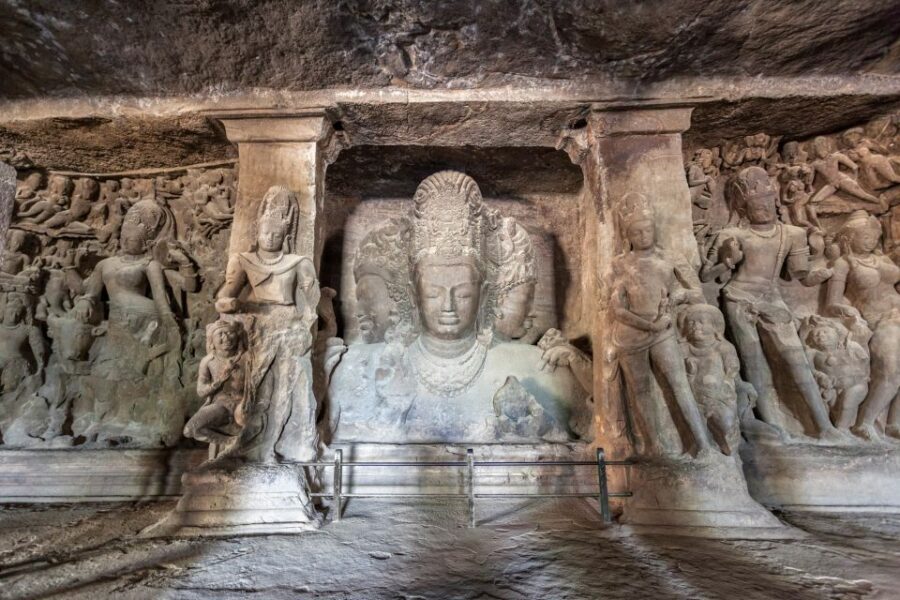
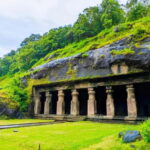
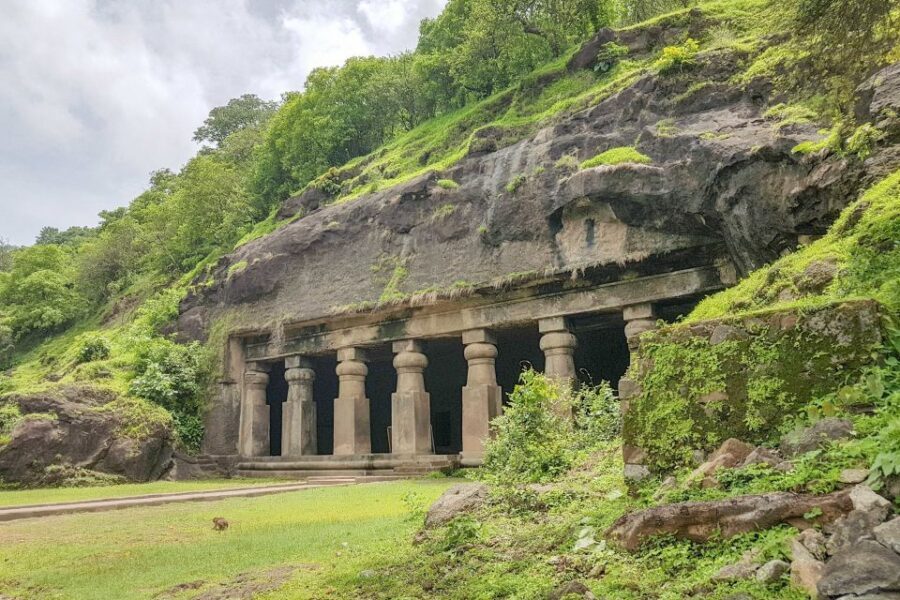
Elephanta Island sits just off Mumbai, but it feels like a different world once you’re walking through the cave complex. These aren’t light carvings or quick photo spots. The caves are man-made openings cut directly into solid basalt mountains, used as sacred spaces starting around the 5th to 7th century for Hindu and Buddhist worship.
What makes the experience click is how much structure there is to your visit. You’re not wandering aimlessly and hoping you land on the story. Instead, you get guided context for the way the space is laid out—columns, arched colonnades, and shrine chambers that are meant to be encountered in a sequence.
You can also read our reviews of more private tours in Mumbai



Friends Colony pickup and the value of a driver who handles the timing
Your tour starts with pickup from Friends Colony (your pickup time can be selected to fit your schedule, and early morning is best). A driver picks you up from inside Mumbai city limits and takes you toward the ferry area. This matters because Mumbai traffic and lines can sap energy fast, and your time on the island is limited by design.
The private format also reduces decision fatigue. In practice, someone else is keeping the day moving so you can focus on the caves. In reviews for this kind of setup, you’ll often hear praise for drivers who stay on time and manage the route safely—like Mukesh in one example—while the guide takes over at the island.
The ferry ride: views, fresh air, and fewer unknowns

The ride out is about 50 minutes to an hour across the bay (depending on timing), and it’s one of those simple pleasures that makes the day feel like more than a ticketed stop. You’re in open water long enough to actually enjoy the change in scenery, and it’s also when you get some classic Mumbai waterfront views—think Gateway to India and the Taj Palace Hotel area across the water.
One small detail that helps: the ferry connection is built into the tour plan, so you don’t have to figure out schedules on your own. If you go solo, you’re often juggling ferry times, entry timing, and how long you’ll need inside. Here, those moving parts are handled, and you’re guided through the transitions.
Tram to the stairs area: why this matters more than it sounds
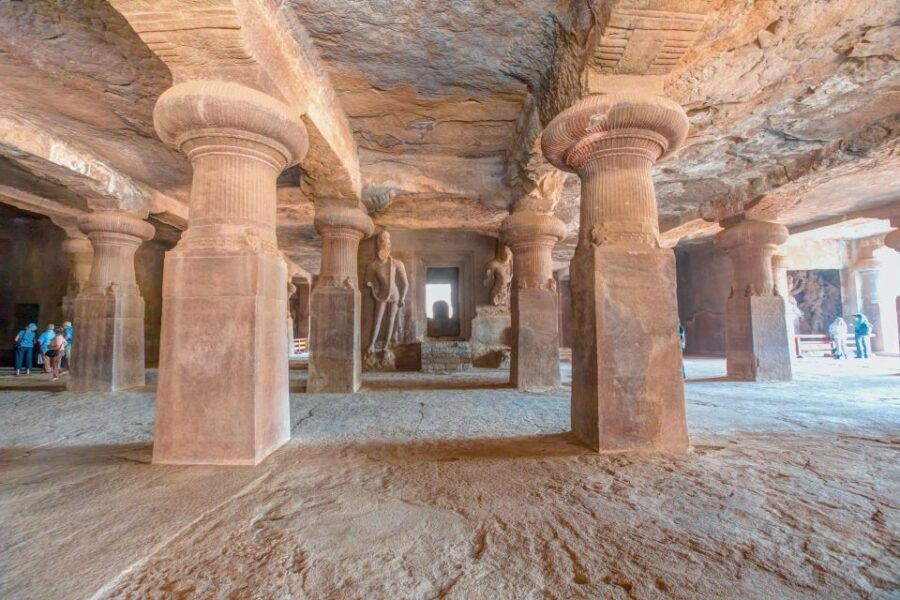
Once you arrive on Elephanta Island, there’s a short tram ride (about 10 minutes) before you reach the stair area for the caves. On paper, that can sound minor. In real life, it’s the difference between arriving with energy and arriving already tired.
Elephanta is not a flat walk. There are steps and uneven ground, and the day is only about 5.5 hours total, so conserving energy is smart. It also makes the whole experience feel smoother: you’re not burning time waiting or negotiating how you’ll get from the dock to the start point.
Inside the caves: Shiva Cave, Trimurti, and the carvings you’ll want to look for
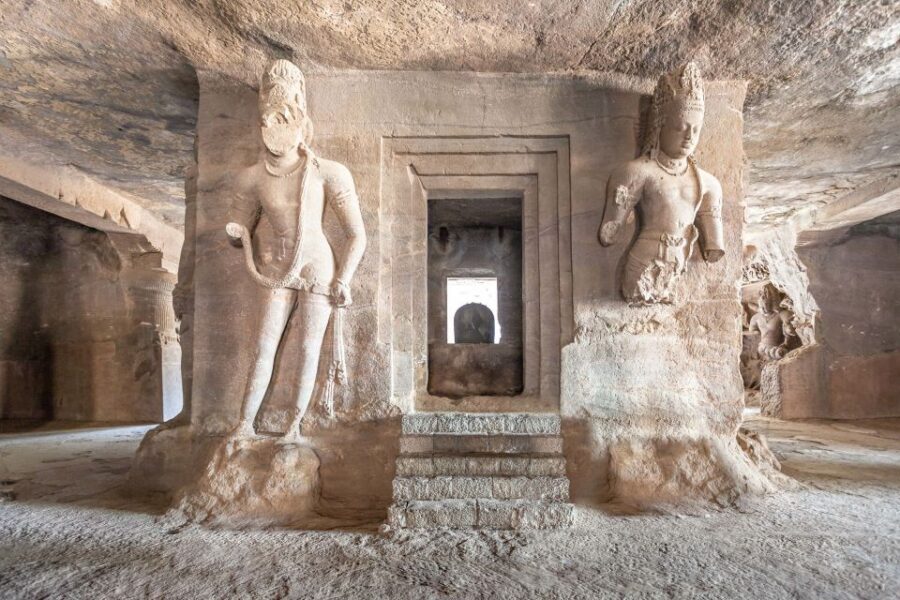
The center of the caves is the main cave, commonly called the Shiva Cave. This is where the art gets intense, and where your guide’s explanations can really change what you notice.
The standout is the Trimurti, the 20-foot-tall three-headed Shiva. It’s big in a way that photos don’t fully capture, because you feel the scale when you’re standing in the space. If you only remember one thing from Elephanta, remember that you’re not looking at a single statue. You’re looking at a carefully composed sacred focus point.
Your tour time also typically includes key scenes carved into the Shiva Cave. You’ll see depictions connected with Shiva such as his wedding and his slaying of Andhaka. Even if you’re not a Hindu or Buddhist scholar, these specific themes give you handles for understanding what you’re seeing.
Beyond the main cave, the complex includes other wings with shrines dedicated to Shiva’s sons and key figures—like Kartikeya and Ganesh—and the carvings there are just as detailed. This is where a good guide helps you avoid the common mistake of treating the caves like one long corridor of statues. Instead, you learn that each section is doing a different job in the overall religious storytelling.
You can also read our reviews of more tours and experiences in Mumbai




A note on what happened to the caves after Portuguese rule
Elephanta also carries marks from later history. One account mentions the Portuguese using the site for target practice, and it’s a good reminder that sacred spaces can be interrupted by empire and conflict. When you notice these scars, it doesn’t ruin the visit—it adds an extra layer of reality to the site.
Having a private expert guide: how it changes your photos and your understanding
This private tour is built around one thing: your guide. The tour model pairs hotel pickup and ferry/train handling with a local cave guide once you reach the island. In previous experiences attached to this itinerary, you might meet guides such as Chetan, Sameer, Samir, Anthony, or Avinash (names come up often in guide feedback). The big takeaway isn’t celebrity; it’s that the people leading the caves typically know the symbolism, the dates, and the story behind the carvings.
I like this setup because it lets you ask practical questions while you’re standing there. You can point at a detail and get meaning instead of guessing. And guides often help with timing for photos—one example mentions a guide who was an expert photographer, which is useful because lighting and crowd flow can affect what you get.
You’ll also hear explanations about Hinduism and Buddhism as a whole, not just a single deity. That broader framing helps you interpret why certain figures appear and how the site’s sacred use evolved. It’s also a relief if your museum curiosity leans religious or art-history. You won’t have to translate everything yourself.
Break time, photo stops, and a quick walk beyond the main cave
Your cave time includes built-in flexibility: you’ll have break time and photo stops, plus a guided visit through the caves and associated parts of the island. There’s often a short period that can feel slightly more free-form—enough to reset and get your bearings before continuing.
Some experiences also mention a small temple as part of the island walk. And there’s usually a brief stop around the market area where you can browse for souvenirs if you want. Just know souvenirs are not included in the price.
One very practical heads-up: videography isn’t permitted on the island. You can take photos, but don’t plan on video. If you’re traveling with a phone-heavy workflow, set expectations now so you don’t get stopped mid-visit.
Tram back, ferry home, and how to keep the day from feeling rushed
The return is just as organized as the outbound route. After your cave time and island walk, you’ll head back to the harbor, then ferry back to Mumbai—around an hour on the way home.
There’s another tram segment (about 10 minutes) on the island side, which helps you move efficiently between the dock area and the cave entry zone. Your full schedule loops back to your starting area for pickup, which means you’re not stuck figuring out transport after the caves.
This timing is also why early departures are smart. If you arrive late, you may feel the day compress. If you go earlier, you get better light for photos and more relaxed pacing inside the caves.
Price and value: what $82 buys you (and what it doesn’t)
At $82 per person for a 5.5-hour private half-day, the value comes from three things you’d otherwise have to manage yourself:
- Pickup and drop-off within Mumbai city limits (reduces transport stress)
- Ferry tickets plus entrance tickets plus tram/train tickets (handles the friction)
- A live guide who helps you understand what you’re seeing
If you tried to DIY it, you could potentially spend less on paper. But you’d spend more time coordinating schedules, buying tickets, and figuring out how long to stay in each part of the cave complex. Here, the schedule is built around a guided route and a return window.
What’s not included is also important to factor in your budget. Meals and drinks aren’t part of the price, and souvenirs are optional expenses. So if you’re planning to snack or buy water, budget for it separately.
What to bring, what to wear, and the rules that can trip you up
Elephanta has clear entry rules, and they’re easy to miss when you’re packing for a warm coastal trip. Bring passport or an ID card and comfortable shoes—you’ll be walking on stone surfaces and navigating steps.
Clothing rules matter. You’ll need appropriate clothing for entry, specifically no sleeveless shirts. If you forget, you may lose time at the start of the day, and the tour doesn’t last long enough to absorb that kind of delay.
A few other practical points:
- Caves are closed every Monday, so pick another day
- High tides and high rainfall can stop the ferry, leading to cancellation or rescheduling
- Wheelchair access is available, and wheelchair hire is offered on-site for an extra charge paid directly at the counter
Also, if you’re a video-first traveler, remember that videography isn’t permitted on the island. Save battery and storage for photos instead.
Should you book this private Elephanta Caves tour?
I’d book this if you want the easiest path to Elephanta with the best chance of actually understanding what you’re seeing. The private guide format is the difference-maker for me, especially when you’re trying to interpret the Trimurti, the Shiva Cave themes (including the wedding and Andhaka stories), and the role of other shrines like Kartikeya and Ganesh.
Skip it or consider alternatives if you’re traveling on a Monday, or if weather disruptions would derail your plans since the ferry can be affected by tides and rainfall. If that sounds like your situation, be ready for a possible reschedule.
If your goal is one memorable, high-impact cultural stop near Mumbai—and you’d rather spend your energy looking at carvings than coordinating transport—this private tour is a solid choice.
FAQ
How long is the private Elephanta Caves tour?
The tour lasts about 5.5 hours total.
What time should I start if I want the best experience?
It’s best to start early morning, though you can choose a pickup time that fits your schedule.
What’s included in the price?
The tour includes a tour guide, hotel pickup and drop-off, entrance tickets, ferry tickets, and train/tram tickets.
Are the Elephanta Caves open every day?
No. The caves are closed to visitors every Monday.
Is videography allowed on the island?
No. Videography is not permitted on the island.
What should I wear?
You’ll need appropriate clothing for entry, including no sleeveless shirts. Comfortable shoes are also strongly recommended.