REVIEW · MUMBAI
Mumbai Bazaar Walking Tour
Book on Viator →Operated by Young Tours And Travel · Bookable on Viator
Mumbai can feel like a living spreadsheet of smells. This bazaar walk connects you to street life, religion, and everyday commerce in a tight 3–4 hours. You’ll move through famous names like Crawford Market and Zaveri Bazaar, plus quieter stops that explain what holds the city together.
I love how the route is practical: the pacing and stop lengths keep you from feeling rushed, yet you still get real time in each place. I also like that the tour includes bottled water and snacks, so you can keep going when the day heats up or the market crowds get intense.
One thing to consider: this is a walk through crowded lanes and shopping areas, so if you prefer lots of seating breaks or you’re very limited on standing, you’ll want to plan accordingly.
In This Review
- Key Points You’ll Care About
- What You’re Really Getting for $49 on Market Time
- Crawford Market: Where Your Mumbai Map Starts to Make Sense
- Mangaldas Market Textiles: Seeing Material Before You Buy
- Zaveri Bazaar Jewelry Lanes: Traditional Craft and Modern Shine
- Shri Mumbadevi Temple and Bhuleshwar Bazaar: When Faith Shapes the Street
- Shri Mumbai Panjrapole: The Animal Shelter Stop You’ll Remember
- Madhav Baug Derasar Jain Temple: Quiet Detail After the Market Noise
- Pickup, Private Transportation, and the Real Walking Pace
- Who This Tour Suits Best (and Who Should Adjust Expectations)
- Should You Book the Mumbai Bazaar Walking Tour?
- FAQ
- How long is the Mumbai Bazaar Walking Tour?
- What does the tour cost?
- Where does the tour start and where does it end?
- Does the tour include pickup and transportation?
- What’s included in the price?
- Is there anything not included?
- Is the tour suitable for most people, and are service animals allowed?
Key Points You’ll Care About
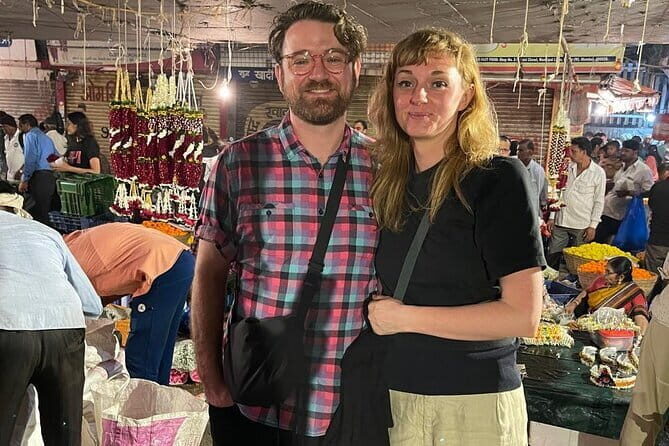
- English-speaking guide who keeps you oriented in real time (including a guide named Kamlesh)
- Market-to-temple variety: textiles, jewelry, and the Shri Mumbadevi Temple area in one loop
- Snacks and bottled water included, which matters in long market hours
- Shri Mumbai Panjrapole included, where animal care is the focus
- Private format with your group only, plus pickup offered
What You’re Really Getting for $49 on Market Time
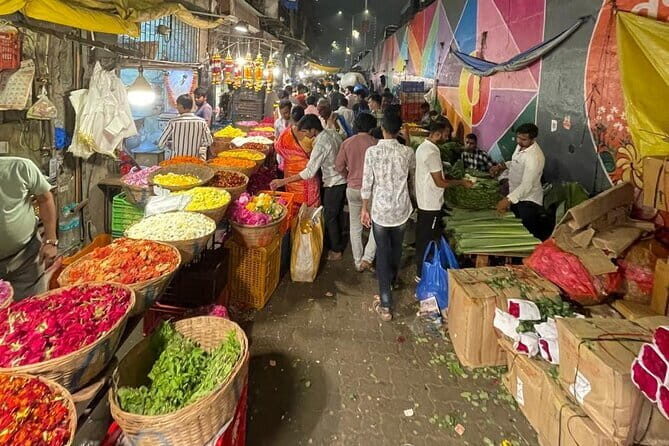
At $49 per person for about 3 to 4 hours, this tour is priced like a smart “first-organize-your-day” option. You’re not just sightseeing; you’re getting an English-speaking guide to translate what you’re seeing into something you can actually use. That matters in Mumbai, where landmarks are everywhere and meaning can be buried under motion.
The value gets better because key logistics are handled: private transportation is included, and you can get pickup. That means fewer minutes figuring out routes and more minutes walking the lanes that shape daily life. On top of that, you get bottled water and snacks, which is a simple comfort that makes a real difference when your focus is on crowds, heat, and changing street scenes.
Tip isn’t included, so budget a little extra for that. Also, it’s a private tour, so it’s usually better for small groups who want the guide to shape the pace to your interests rather than follow a rigid script.
Finally, the guide experience is a highlight. One review specifically praised Kamlesh for being friendly and for knowing his way around, and that’s exactly what you want on this kind of route: someone who can keep the day flowing without turning it into a lecture.
You can also read our reviews of more walking tours in Mumbai


Crawford Market: Where Your Mumbai Map Starts to Make Sense

The tour begins at Crawford Market, one of the city’s most recognized market hubs. Even if you’ve never been to this area, you’ll quickly see why guides like to start here: it’s a clear entry point to how Mumbai trades, eats, and socializes. Think of it as a fast orientation stage for the rest of the walk.
You’ll spend about 15 minutes there, with your guide helping you navigate stalls and understand what’s worth looking at. In practice, that time is short enough to keep your energy up, but long enough that you don’t just “pass by” the place—you actually read it. You’ll notice how goods are displayed, how shoppers move, and how the market spills into the street rhythm around it.
A small practical tip: keep your phone ready for quick reference photos, but don’t stare into your screen. Markets are busy and dynamic; you’ll get more out of watching how people shop than photographing everything.
What to watch for: this is a “getting oriented” stop, not a slow wander. If you’re expecting long shopping time, manage your expectations and treat Crawford Market as the launchpad.
Mangaldas Market Textiles: Seeing Material Before You Buy
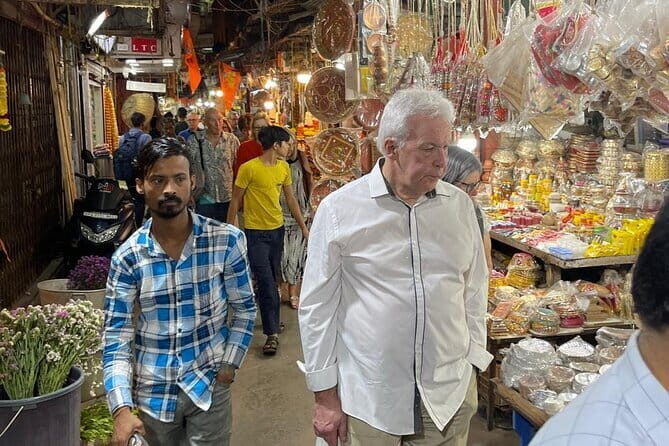
Next comes Mangaldas Market, known for textiles and fabrics. The best part of a guided visit here is that “fabric” isn’t one thing; it’s a whole world of fibers, finishes, and price logic. The tour position gives you a quick, focused introduction to what’s being sold—silk, cotton, and synthetics—so you can understand the differences you’re seeing.
You’ll have about 15 minutes here, which works well because you’re not stuck in one aisle too long. Your guide’s job is to help you look past the surface and notice what’s actually different between fabrics. That makes it fun even if you don’t plan to buy. You start recognizing categories by feel, sheen, and how items are displayed.
This is also a good stop for learning basic visual cues. For example, you can pick out how fabrics are grouped, how bolts or folded goods are presented, and how customers compare options. Those are all real-life skills you’ll use later if you decide to shop in Mumbai on your own.
Potential drawback: if you hate shopping environments or prefer quiet streets, textiles markets can be mentally loud. The upside is the short time makes it manageable.
Zaveri Bazaar Jewelry Lanes: Traditional Craft and Modern Shine
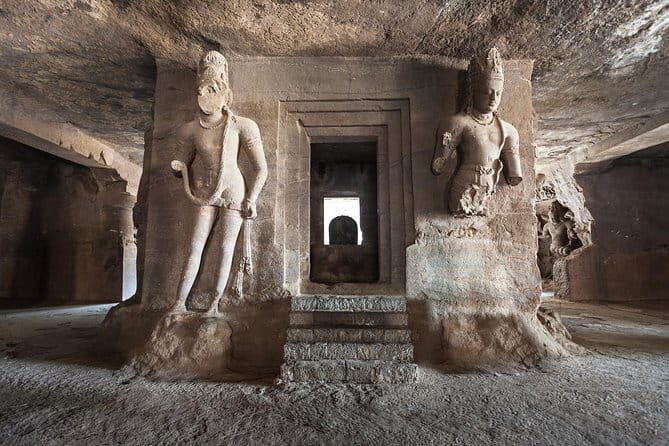
Then the tour heads to Zaveri Bazaar, a jewelry-focused market area. Expect lanes where gold, silver, and diamond jewelry dominate the scene, with both traditional craftsmanship and more modern styles visible nearby.
This stop is a strong change of pace. After textiles (where your brain learns to compare materials), jewelry shifts you into a different kind of attention: detail, design, and finish. Even if you’re not shopping, it’s fascinating to watch how displays are built to attract both casual browsers and serious buyers.
Because the day is designed as a tight circuit, you shouldn’t expect a long jewelry education. Instead, you get a snapshot—enough for you to understand the “language” of the place and what makes it special in Mumbai.
A smart tip for this kind of stop: look at craftsmanship and design first, and only then decide if you’re curious about pricing. That way the experience stays about seeing and learning, not getting pulled into numbers.
One consideration: jewelry markets can feel visually intense. If you’re sensitive to crowding or glare, slow your pace and let your guide know what you want to focus on.
Shri Mumbadevi Temple and Bhuleshwar Bazaar: When Faith Shapes the Street

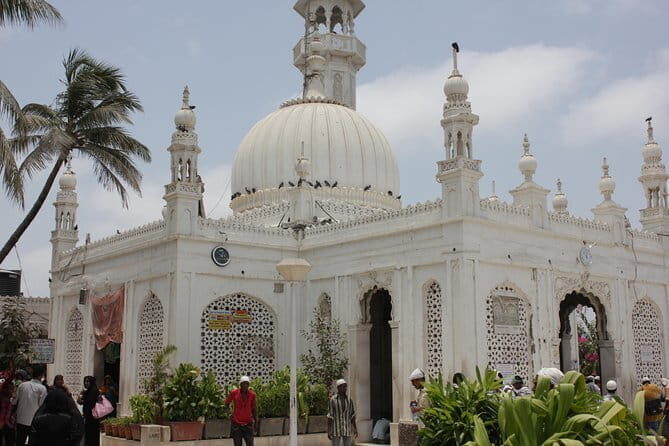
The route moves from shopping energy into spirituality with Shri Mumbadevi Temple, described as one of the oldest temples in Mumbai and dedicated to the city’s guardian deity, Goddess Mumbadevi. It’s located in Bhuleshwar and draws pilgrims, which gives this area a different feel from the markets.
Your visit here matters because it shows a side of Mumbai that many people miss when they only chase shopping streets. The temple area changes how you perceive the neighborhood: you’re not just walking through a place that sells things; you’re walking through a place where ritual life and daily commerce sit side by side.
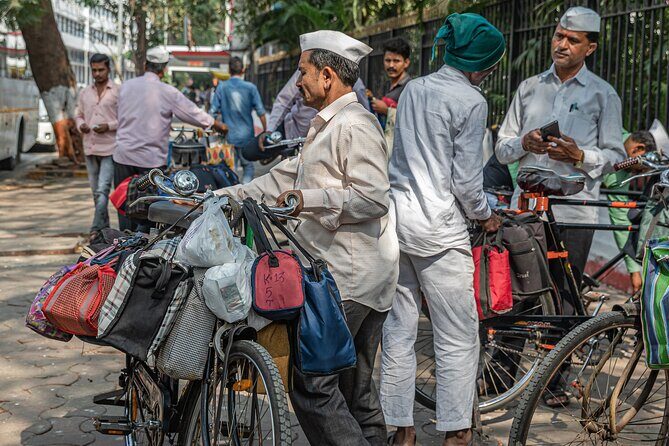
Right near the temple is Bhuleshwar Bazaar, which you’ll also visit (about 20 minutes). This is where the tour connects commerce to community. The bazaar offers a wide mix of items, and being there near the temple helps you see how foot traffic, local routine, and faith-linked rhythms influence the street.
How to make this stop work for you: dress and behave respectfully, and don’t treat it like a photo set. Let the guide set the tone and pace so you don’t accidentally disrupt worship.
Possible drawback: temple areas can be crowded around certain times. Your best bet is to accept that movement will be steady, and focus on observing rather than rushing to “finish” the site.
You can also read our reviews of more shopping tours in Mumbai




Shri Mumbai Panjrapole: The Animal Shelter Stop You’ll Remember
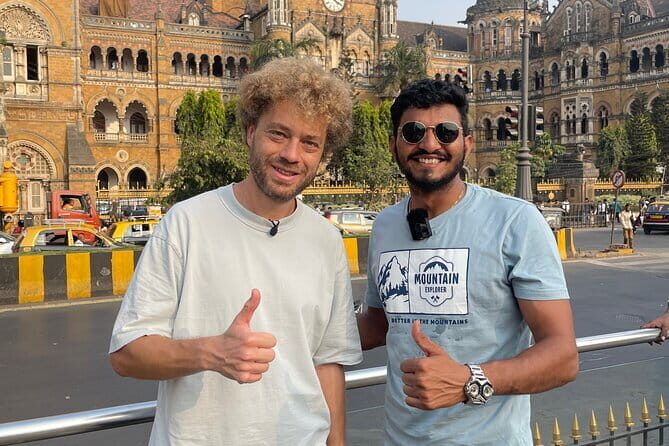
One of the most meaningful moments on the tour is Shri Mumbai Panjrapole, a shelter established in the 19th century to care for animals, particularly cows and other livestock. This is included in the tour, which is great because it’s not just a sightseeing detour—it’s part of the tour’s character.
This stop gives you a different lens on Mumbai. Markets show how people buy and sell. Temples show how people worship. Panjrapole shows how people care, systematically, for animals that need protection.
Because your time here is about 20 minutes, you won’t leave with a full background lecture, but you will come away with a clear impression of the institution’s purpose. It’s also a calmer beat in the route—less about shopping pressure and more about responsibility.
Small practical note: admission is included, so you won’t be scrambling to handle tickets mid-day. The guide also helps keep this stop in context with the rest of the route.
Madhav Baug Derasar Jain Temple: Quiet Detail After the Market Noise
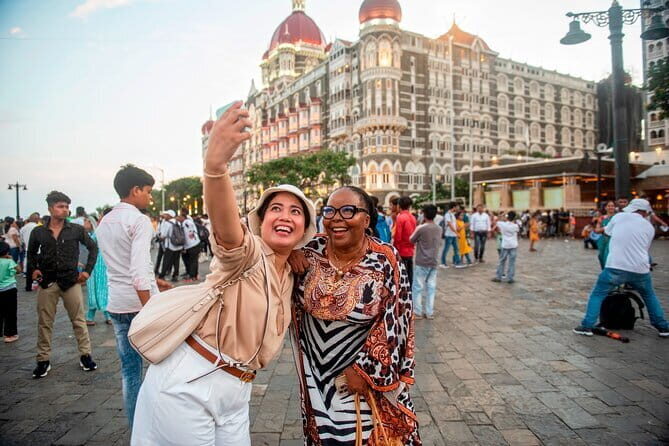
To round out the tour, you’ll visit Madhav Baug Derasar, a Jain temple known for serene ambiance and intricate architectural detail. The temple is dedicated to Lord Mahavira, the 24th Tirthankara of Jainism.
This final stop is smart because it cools down your senses. After textiles and jewelry, you end with something slower and more reflective. The design details are the kind you notice more when you slow down, and your guide’s role is key here: they can point out what’s meaningful so you don’t walk through looking only for big signs.
Even with a short stop length, you’ll likely feel the contrast. It gives the whole tour a shape—commercial streets, faith moments, and then a quieter place where you can collect your thoughts.
If you want your photos to look better, this is also where you’ll get calmer composition. Just remember the rules of temple etiquette: move carefully, avoid blocking passages, and keep voices low.
Pickup, Private Transportation, and the Real Walking Pace
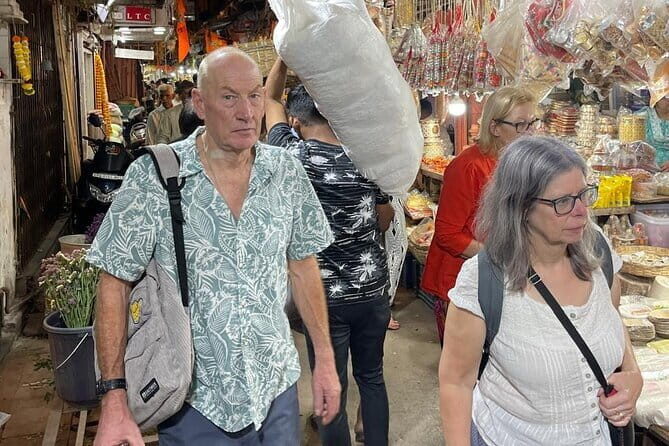
The tour is designed around movement with support. You get pickup offered (when arranged for your location), and private transportation is included between parts of the route. That matters because Mumbai traffic and distance can be unpredictable, and you don’t want your day chopped into frustrating gaps.
The whole tour runs around 3 to 4 hours, including travel time, and the stop lengths are mostly in the 15–20 minute range. That’s a good format when you want variety without fatigue. It also makes it easier to keep your attention on each place instead of letting one stop consume all your energy.
You’ll finish at CP Tank Circle in the Charni Road East area. The endpoint can be useful if you’re heading toward that part of the city, and the guide will help you find your way back to your hotel or another spot after the tour.
A final practical note: the tour allows service animals and is near public transportation, and most people can participate. Still, markets and temple lanes can involve uneven ground and lots of standing, so comfortable shoes are not optional.
Who This Tour Suits Best (and Who Should Adjust Expectations)
This tour is a strong fit if you want a day that mixes markets, temples, and an animal care stop in one coherent loop. It’s also ideal for first-time visitors who don’t want to spend hours planning which neighborhoods to visit. Your guide handles the connections between the places, so you can focus on the sights.
I’d also recommend it if you enjoy street-level culture, especially where everyday commerce intersects with religious life. Crawford Market and Mangaldas give you commercial context, Zaveri Bazaar shows craftsmanship, and Shri Mumbadevi Temple and Bhuleshwar Bazaar show how faith shapes the street.
On the other hand, if you dislike shopping atmospheres or you need frequent, long breaks, you might find the pace a bit intense even with the transport support. And if you’re looking for a single “star attraction” with long time to linger, this is more of a sampler route than a one-site stay.
Should You Book the Mumbai Bazaar Walking Tour?
If you want an efficient, culturally focused market day that doesn’t skip the temple side of Mumbai, I think it’s worth booking. The best reasons are simple: you get an English-speaking guide who can keep the day organized, snacks and water to help you stay comfortable, and a route that includes a genuinely memorable stop at Shri Mumbai Panjrapole.
Also, the guide quality seems to matter here, and at least one guest highlighted Kamlesh as friendly and good at guiding the experience. That’s a big deal in places like Crawford Market and Zaveri Bazaar, where wandering alone can turn into confusion fast.
If your top priority is slow shopping or lots of downtime, consider adjusting your expectations. But if you want a well-paced “see a lot, understand what you’re seeing” morning-to-afternoon experience, this tour is a smart choice.
FAQ
How long is the Mumbai Bazaar Walking Tour?
The tour runs about 3 to 4 hours, including travel time between stops.
What does the tour cost?
It costs $49.00 per person.
Where does the tour start and where does it end?
It starts at Crawford Market and ends at CP Tank Circle (Charni Road East).
Does the tour include pickup and transportation?
Pickup is offered, and private transportation is included as part of the experience.
What’s included in the price?
Included items are bottled water, snacks, private transportation, and an English-speaking guide.
Is there anything not included?
Tips are not included.
Is the tour suitable for most people, and are service animals allowed?
Most travelers can participate, and service animals are allowed. The tour is also near public transportation.