REVIEW · MUMBAI
Mumbai: Dharavi Slum Guided Walking Tour by 1st Female Guide
Book on GetYourGuide →Operated by Magical Mumbai Tours · Bookable on GetYourGuide
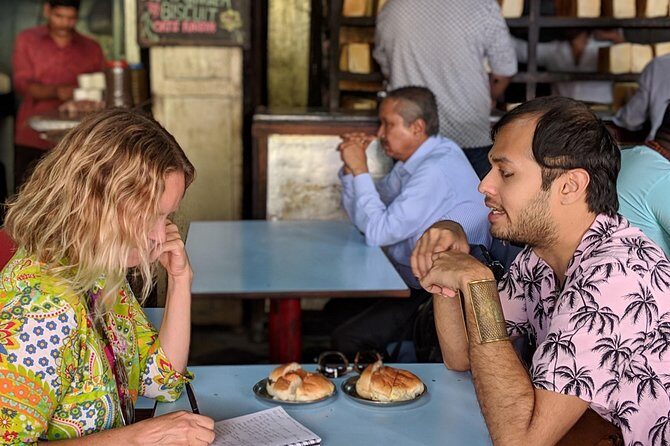
Forget the postcards; Dharavi has real stories. This Mumbai walking tour is led by a local female university student, so you get on-the-ground context instead of secondhand stereotypes. What I like most is how naturally the day connects work, family life, and what it means to keep going.
I also love the balance of commercial and residential areas in one route. You see factories and small-scale production tied to plastic and paper recycling, leather work, clothing manufacturing, and more—then you shift gears to the neighborhoods where people live, raise kids, and make a community out of tight space.
The main consideration is physical: this is a walking-focused experience in narrow lanes, and it isn’t suitable for wheelchair users or people over 95. Wear comfortable shoes, expect time on your feet, and be ready for a place that moves fast.
In This Review
- Key highlights I’d circle before you book
- Price and logistics: what $6 buys you in real terms
- Dhobi Ghat and the start of the day: getting oriented fast
- Dharavi’s commercial side: how production and recycling work up close
- The residential shift: seeing family life and community patterns
- A simple vegetarian lunch at a local home: what it really adds
- Walking through narrow lanes: comfort, cameras, and being respectful
- Who this tour suits best (and who should skip it)
- The guides are the story: what guides like Sneha, Anu, and Pooja bring
- How to get the most out of this tour (a practical checklist)
- Should you book Mumbai’s Dharavi walk with a female guide?
- FAQ
- How long is the Dharavi walking tour?
- Is there a lunch included?
- Do I need hotel pickup?
- Does the tour include bottled water?
- What language is the guide?
- Is the tour suitable for wheelchair users?
- What should I bring and what’s not allowed?
Key highlights I’d circle before you book
- Local female guide who’s a university student from the area (and you’ll hear answers in English)
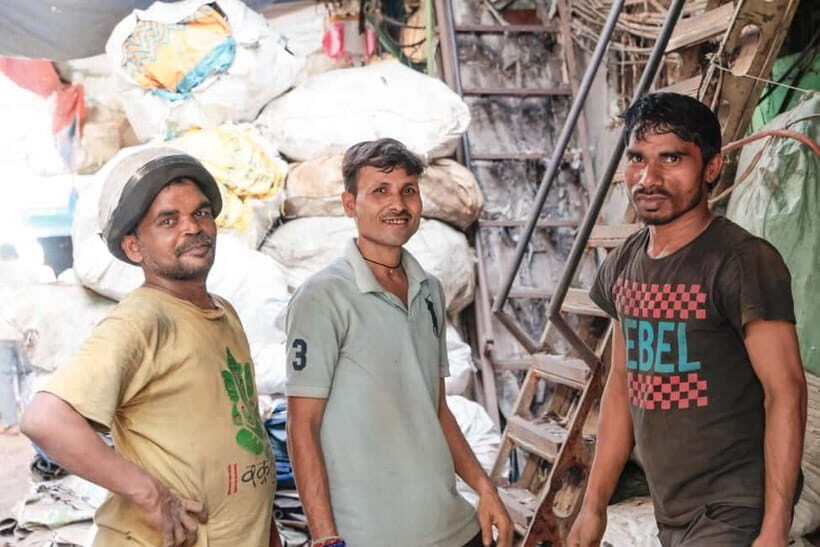
- Commercial sights you can actually understand: recycling and small manufacturing tied to daily jobs
- Residential neighborhood perspective, including an older community known for making earthen pots and clay items
- A real lunch with a local family option (simple, hygienic vegetarian meal)
- Skip-the-line entry plus bottled mineral water during the tour
- Guides like Sneha, Anu, and Pooja bring the kind of calm, respectful tone that keeps you comfortable in tight spaces
Price and logistics: what $6 buys you in real terms
Let’s talk value, because this tour is one of those rare deals where the price makes sense only if you look at what’s included. You’re paying around $6 per person for a guided 2-hour walking route plus visits to both commercial and residential parts of Dharavi. You also get bottled mineral water and a live English guide, and you may add an optional vegetarian lunch at a local home afterward.
A big part of the value is the social impact built into the structure: the tour supports the education of local female students. That doesn’t make the experience automatically “better,” but it does change the vibe. You’re not just watching life from a distance—you’re meeting someone whose future education is connected to how she can explain her home to you.
Logistics are simple, but plan smart:
- Pickup is optional, and when offered, it uses an air-conditioned car for hotel pickup and drop-off.
- The meeting point can vary depending on what you book.
- There’s skip-the-line via a separate entrance, which helps when you’re in a place that doesn’t have room for extra delays.
And yes, it’s a walking tour. You’ll want comfortable shoes, a camera if you like photos, and you should follow the rules: no smoking and no see-through clothing. It’s also worth keeping a respectful tone—this is someone’s neighborhood, not a staged museum.
You can also read our reviews of more walking tours in Mumbai


Dhobi Ghat and the start of the day: getting oriented fast
Your day begins with a starting point or pickup, then you’ll head toward Dhobi Ghat. This is the kind of stop that helps you get your bearings quickly. Even if you know nothing about Mumbai’s water-and-work systems, you’ll feel the scale of organized daily labor.
From a practical perspective, this early segment helps with two things:
- It sets context before you walk Dharavi’s lanes, so the sights don’t feel random.
- It gives you a mental warm-up for what the neighborhood rhythm looks like—busy, practical, and full of routines you won’t see in the tourist highlights.
A small transfer time is built in, so the day has a natural pace. In places like this, rushing makes people miss details. A bit of travel time also lets your guide shape what you’re about to see in a way that makes sense.
Dharavi’s commercial side: how production and recycling work up close
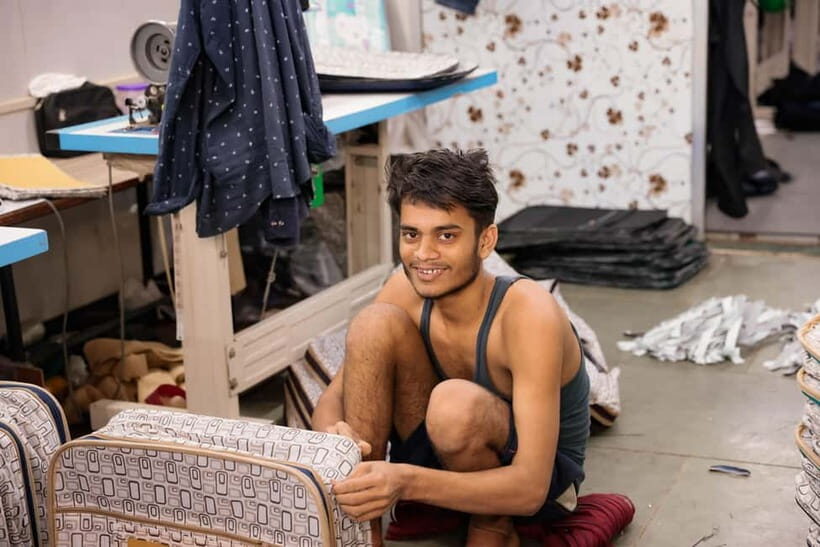
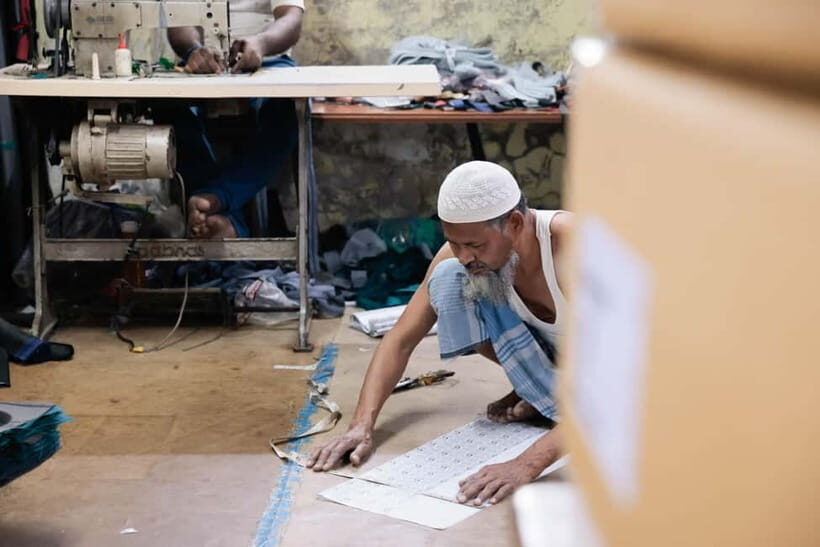
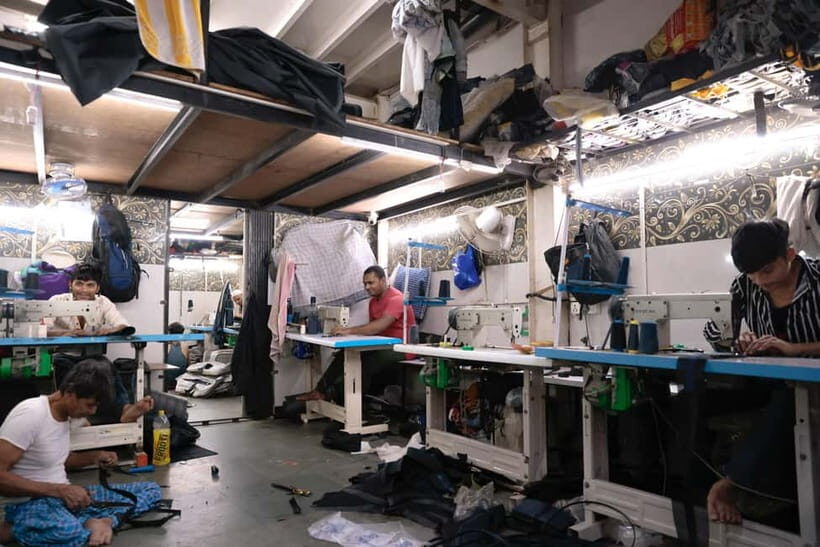
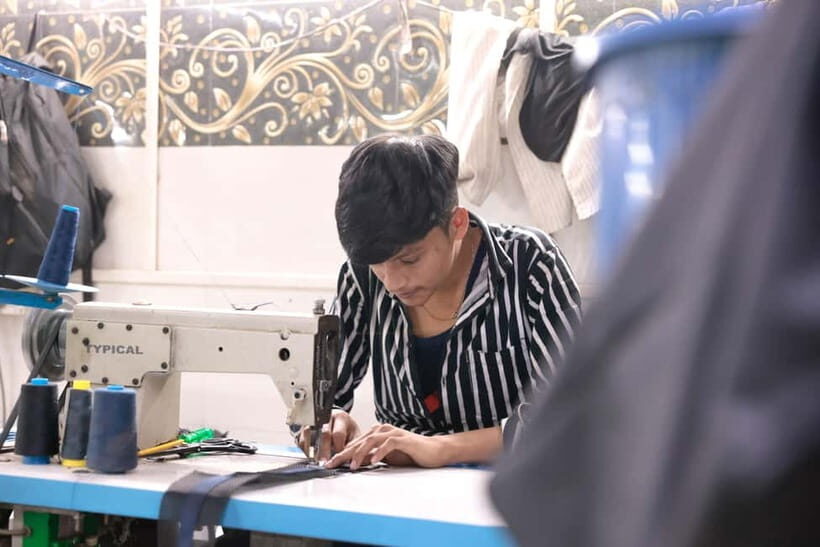
Then comes the part most people picture when they think Dharavi: the commercial zone. But here’s the key—this tour doesn’t just point at buildings. Your guide explains how different parts of the local economy fit together.
You’ll see factories and workspaces tied to sectors such as:
- Plastic recycling
- Paper recycling
- Leather production
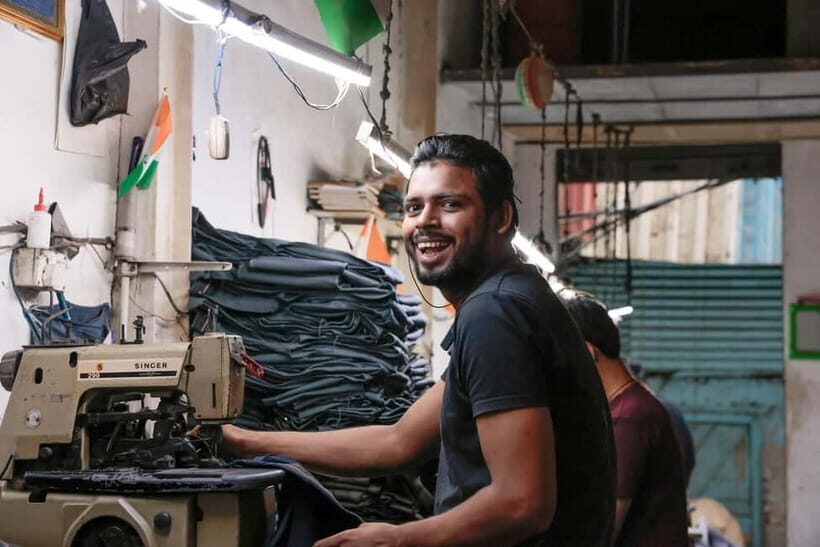
- Clothing manufacturing
- and other small-scale industry activities
Why I think this section matters: it challenges the “only poor, only desperate” story people often bring with them. You’ll learn that many residents are operating businesses, finding ways to process materials, and turning waste or raw inputs into usable products. It’s not polished like a showroom. It’s practical, hand-driven work—often done with skill and speed—built around meeting real demand.
This is also where your guide’s communication style really matters. In past tours under this format, guides like Sneha, Anu, and Pooja were praised for answering questions and explaining clearly. That matters because Dharavi can look chaotic from the outside. With good guiding, it becomes a set of connected systems.
Potential drawback: because this is active industry, some sections may feel visually intense. If you’re easily overwhelmed by close-up workspaces, plan to keep your camera ready but your attention grounded in what your guide is explaining.
The residential shift: seeing family life and community patterns
After the commercial portion, the tour moves into the residential areas. This is where Dharavi stops being an “economic story” and becomes a human one.
You’ll get to observe the lifestyle of residents—how people live with close quarters, how daily routines continue, and how community ties show up in everyday ways. The tour also highlights the oldest community known for crafting earthen pots and clay items. That detail is more than a trivia fact. It’s a clue about continuity: people aren’t only adapting to modern production; some crafts have deep roots here.
Why you’ll probably remember this part longest: it helps you see that Dharavi isn’t only workplaces. It’s homes, neighbors, and long-term living. You may notice how space is used, how families organize daily needs, and how community knowledge gets passed around. You’ll also likely hear stories that help you understand the emotional logic behind how people support each other.
A good guide makes the difference between “looking” and “understanding.” The feedback you’ll see with this tour format consistently points to a calm, respectful tone—no theatrics, no forcing you to feel anything on cue. Guides are trained by reality, and that shows.
A simple vegetarian lunch at a local home: what it really adds
After the walk, you have the option to enjoy vegetarian lunch at a local home. The meal is described as simple and hygienic, and the point isn’t fine dining. It’s conversation. It’s an extra layer of context.
This lunch time is where you can ask questions you couldn’t ask while walking—questions about school, routines, food habits, family life, and what surprises people who only see Dharavi from the outside. Even if you don’t speak the local language fluently, your guide can often help translate the flow of conversation.
What I like about this option: it turns the tour from a series of stops into a relationship with the day. If you only do the walking portion, you get the “what.” If you add lunch, you get more of the “why.”
What to consider: lunch adds time. The overall tour duration is listed as 2–4 hours, so you’ll want to leave a buffer in your schedule, especially if you have evening plans.
You can also read our reviews of more guided tours in Mumbai






Walking through narrow lanes: comfort, cameras, and being respectful
Dharavi’s streets are not built for sightseeing comfort the way major tourist districts are. You should expect narrow lanes, changes in crowd density, and areas where you’ll have to slow down so your guide can keep everyone together safely.
Here’s how to make it easier on yourself:
- Bring comfortable walking shoes (this is not a flip-flop kind of day)
- Bring a camera if you want photos, but keep it respectful
- Follow the rules about clothing and smoking
- Keep your attitude steady: you’re walking through someone’s everyday life
The reviews for this tour format put a lot of weight on feeling comfortable. The guides are known for being kind and respectful, and they explain with sensitivity. Still, your behavior matters. You’ll get more out of the day if you treat it like a neighborhood visit rather than a photo sprint.
Also: the tour includes bottled mineral water, which is a small detail but a real kindness in a place where you’ll likely walk longer than you think.
Who this tour suits best (and who should skip it)
This experience is a good fit if you:
- want an authentic look at Mumbai beyond the usual landmarks
- enjoy practical explanations of how businesses actually work
- like learning from guides who live the subject, not just study it
- are open to question-and-answer moments in English
It’s especially meaningful if your travel style includes impact and connection. Supporting the education of local female students is part of what you’re doing here, and it’s easy to feel that you’re funding someone’s future while also gaining real insight.
Skip it if:
- you need wheelchair access (it’s not suitable for wheelchair users)
- you’re in the over-95 age range (this tour is listed as not suitable)
- you strongly dislike walking in tight spaces
- you want a “sit-down-only” experience with minimal physical movement
The guides are the story: what guides like Sneha, Anu, and Pooja bring
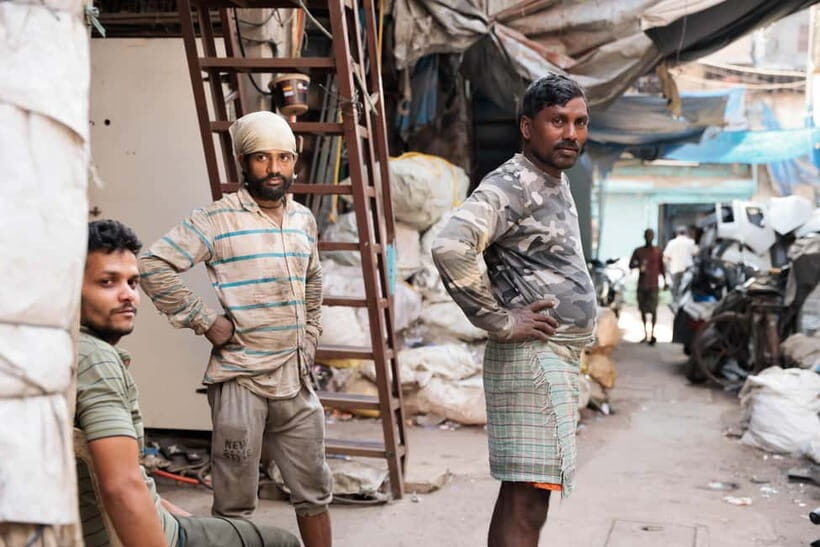
With tours like this, the guide is everything. In the info tied to this experience, several guides are highlighted—Sneha, Anu, and Pooja—and what stands out across the feedback is a consistent theme: they’re able to explain with clarity and sensitivity, and they’re ready with answers.
That matters because Dharavi can trigger stereotypes in people quickly. A skilled guide helps you slow down and see the details instead. The best guides don’t just list facts. They connect those facts to lived reality: community strength, entrepreneurship, resilience, and the systems that keep daily life functioning.
If English is your comfort language, you’re in luck: the tour runs with a live English guide. Clear English guidance helps you avoid the common problem of coming home with photos but not much understanding.
How to get the most out of this tour (a practical checklist)
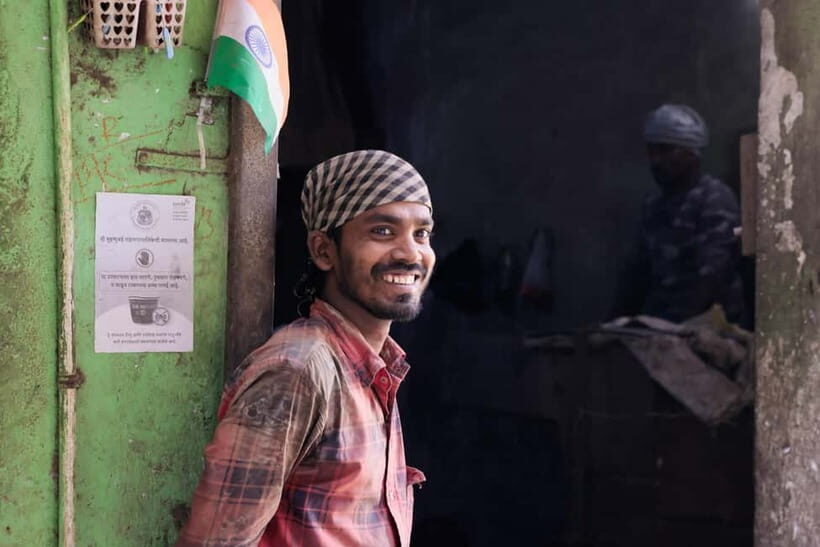
If you want this day to land well, do these things:
- Ask questions early, even small ones. Your guide will tailor explanations as you go.
- Keep an eye on what’s explained and then look again. Many details only make sense after someone gives you a framework.
- Plan for modest photo moments. This is a working area and a home area, so aim for respectful, permission-aware pictures.
- If you’re adding lunch, go in curious. It’s not a buffet situation; it’s a conversation-based experience.
One small mental trick: try to separate what you see from what you assume. The point of this tour isn’t to prove Dharavi is good or bad. It’s to show you the real mix: work and home, trade and tradition, pressure and community.
Should you book Mumbai’s Dharavi walk with a female guide?
I’d say yes, if you’re traveling to understand Mumbai, not just to collect views. This tour offers a rare combination: a local female university student guide, a clear look at commercial production (including recycling, leather work, and clothing manufacturing), and a residential perspective with a chance for a simple vegetarian lunch at a local home.
It’s also good value—around $6—because you’re getting guided time, bottled water, skip-the-line entry, and the option to spend more time with a family. The main reasons to pass are practical: the walking demands, the narrow lanes, and the fact it isn’t suitable for wheelchair users or people over 95.
If you come with respect, a curious mind, and comfortable shoes, you’ll likely leave with your mental map of Mumbai rearranged in the best way.
FAQ
How long is the Dharavi walking tour?
The duration is listed as 2 to 4 hours, with the walking portion described as about 2 hours plus optional lunch time afterward.
Is there a lunch included?
Lunch is optional. You can choose to enjoy a simple, hygienic vegetarian lunch at a local home after the tour.
Do I need hotel pickup?
Hotel pickup and drop-off are optional at an extra cost. If you don’t choose pickup, you’ll meet at a meeting point that may vary depending on the option booked.
Does the tour include bottled water?
Yes. Bottled mineral water is included.
What language is the guide?
The tour is guided in English.
Is the tour suitable for wheelchair users?
No. The experience is not suitable for wheelchair users.
What should I bring and what’s not allowed?
Bring comfortable shoes and a camera. Smoking is not allowed, and see-through clothing is not allowed.