REVIEW · MUMBAI
Dharavi Slum Tour in Mumbai
Book on Viator →Operated by Mystical Mumbai · Bookable on Viator
A slum tour that teaches respect. I like this Dharavi experience because it mixes real neighborhood life with a walking tour format that helps you understand how people work, study, and get by. The focus stays on community, not spectacle, and you’ll be guided by someone who lives there, so the explanations land differently than a script.
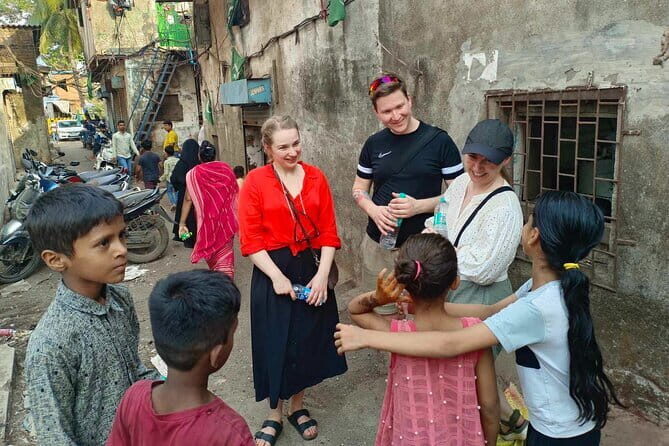
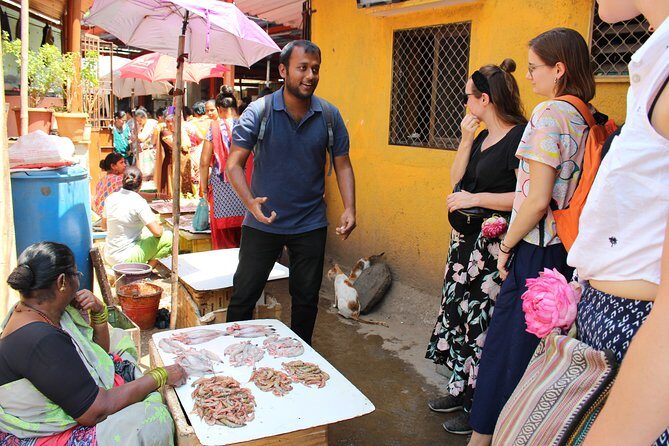
What I loved most is the resident college-student guides and the way the tour shows daily industry up close. Guides like Rajesh, Samir, and Anton/Anthony are able to answer questions and keep the vibe comfortable, and I appreciate how they encourage you to ask things and take photos when appropriate. One potential drawback: this is a no-street-fairs kind of walk, so you need a respectful mindset and decent walking shoes for tight, busy lanes.
If you want a Mumbai experience that goes past the movie-famous surface, this one gives you the nuts and bolts. You’ll see the working side of Dharavi while also getting context from visits around schools and churches, with sensitive commentary from your guide. It’s not for everyone, though, especially if you want a polished, low-contact sightseeing route.
In This Review
- Key things that make this Dharavi tour worth your time
- Dharavi in real life, not just Slumdog Millionaire scenes
- Starting at Mahim Railway Station (and why that helps)
- 13th Compound plastics and the recycling-to-production story
- More than recycling: pottery, soap, and other small industries
- Schools and churches: community context from a local guide
- Group vs private: what small numbers do for your comfort
- Price and what you actually get for $70
- What to wear, bring, and do on the ground
- How the 2-hour pace feels in practice
- Value, ethics, and that “comfortable but real” balance
- Should you book the Dharavi Slum Tour?
- FAQ
- How long is the Dharavi Slum Tour?
- What is the price per person?
- Is admission included?
- Where does the tour start?
- Are group tours available, or is it private?
- What will I see during the tour?
- Is lunch included?
- What should I wear?
- Is free cancellation available?
Key things that make this Dharavi tour worth your time
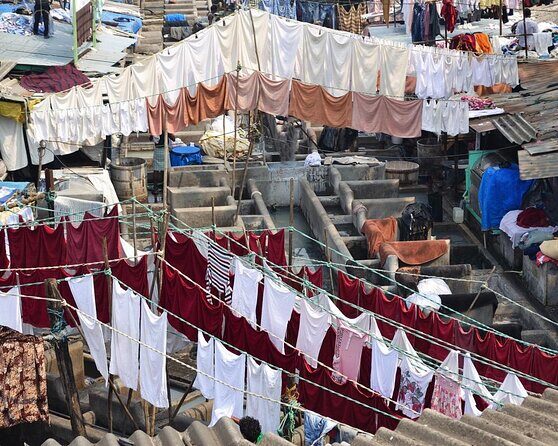
- Resident guides who live in Dharavi: college student perspective means you get practical answers, not generic talking points.
- Work first, poverty second: you’ll walk through areas tied to plastic recycling and small manufacturing, plus other local trades.
- A structured 2-hour route: the pace is guided, so you get context without feeling lost or awkward.
- School and church stops: these add real community texture beyond workshops and alleys.
- Small group size: with a max of 2 travelers, you get more space to ask questions on narrow streets.
- Conservative dress matters: cover shoulders and knees, and plan for a respectful visit.
Dharavi in real life, not just Slumdog Millionaire scenes
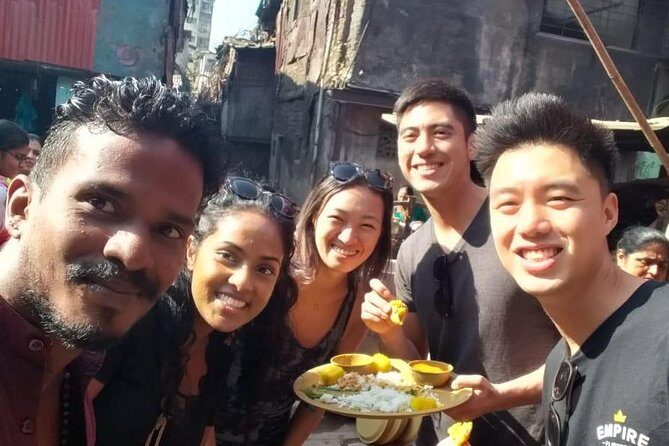
Dharavi is the kind of place people think they already know. The 2008 film Slumdog Millionaire put it on the map for many visitors, but a walking tour is where the story becomes human scale.
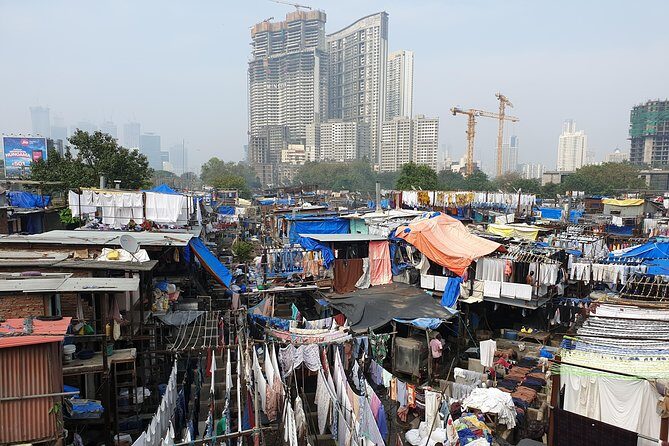
What makes this experience stand out is the emphasis on everyday systems: work routines, local production, and how community institutions fit into daily life. Instead of treating the neighborhood as a single dramatic image, you learn how multiple small industries run side-by-side. That’s the real eye-opener.
You can also read our reviews of more tours and experiences in Mumbai.



Starting at Mahim Railway Station (and why that helps)

The tour begins at Mahim Railway Station, which is convenient because you can plug it into a day without needing complicated transfers. Being near public transportation also helps you keep the schedule realistic in Mumbai, where “close” can still mean “on a different timetable.”
From the start, you’re oriented quickly by your guide. You’re not just dropped into lanes and told to look around. You’re given context for where you’re walking and what you’re going to see next.
13th Compound plastics and the recycling-to-production story
One of the tour’s most specific and memorable stops is the plastic and metal recycling yard at 13th Compound. This is where you see the neighborhood’s industrial logic in action: small-scale processes that turn waste materials into usable goods.
In this yard, you’ll learn about how plastic is melted and molded, and how manufacturing can lead to recognizable products. The tour description points to toy-related plastic work and even buttons connected to Barbie Dolls of India. Whether you care about that brand detail or not, the bigger lesson is how value gets created from raw inputs right there in Dharavi.
This part also helps you see why “slum” alone is too simple. You’re watching an economy that runs on organization, skill, and constant work. And yes, it can be intense in the way industrial places are intense, so keep your senses open and your questions ready.
More than recycling: pottery, soap, and other small industries
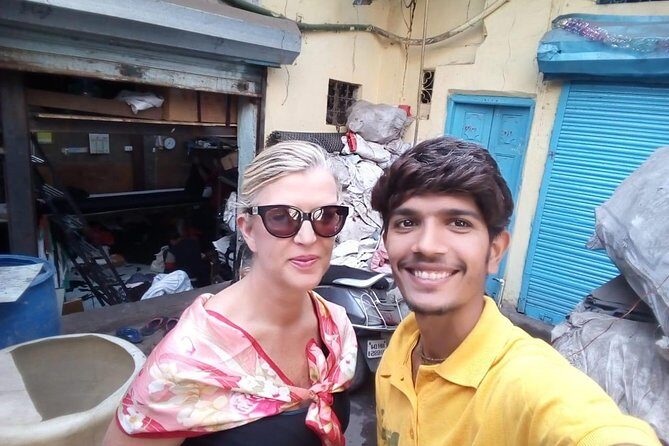
After the recycling yard, the tour keeps moving through the working fabric of Dharavi. You’ll walk past or through areas tied to plastic recycling, soap production, pottery, and other methods of earning a living.
What I like about this approach is that it stops the usual single-topic mindset. Dharavi isn’t just one type of trade. You get a sense of how different skills support each other, how workshops and homes sit close, and how production fits into community life.
The walking format matters here. Seeing these industries from a bus window would be pointless. On foot, you can understand scale and proximity: where work happens, how people move through the space, and what daily life looks like in the same corridors where production takes place.
Schools and churches: community context from a local guide
The tour includes stops at local schools and churches, with your guide providing commentary that stays sensitive to the area and its residents. This is an important balance point. Work makes up a big part of what you’ll see, but education and faith institutions show how people build stability and meaning.
Guides in this experience are often able to explain the challenges residents face without turning the neighborhood into a pity story. Names you may hear include Rajesh and Samir, who are described as easygoing and helpful, and Anton/Anthony, who’s credited with making the tour feel comfortable.
If you’re someone who likes your travel with real context, this component is where the tour becomes more than a photo walk. You start to understand the social infrastructure that helps the neighborhood function.



Group vs private: what small numbers do for your comfort

You can choose a group or private option, and the experience keeps headcount very small, with a maximum of 2 travelers for this activity type. That small size changes the vibe in a good way.
On narrow lanes, crowds can feel intrusive. A smaller group helps you move through the neighborhood without blocking people or forcing constant attention. It also makes it easier for your guide to tailor the pacing to your comfort level, especially if you want to ask lots of questions.
You’ll also feel it during photo moments. The guide’s role is to guide you to respectful spots and to encourage questions rather than surprise people with cameras. That’s a big part of why many people rate this tour so highly.
Price and what you actually get for $70
The price is $70 per person for about 2 hours. For Mumbai, that’s not an impulse buy, but it also isn’t priced like a generic city tour.
Here’s what you get that supports the cost:
- Local resident college-student guide (this is the heart of the experience)
- Professional guide listed as included
- Admission ticket is free for the activity
- Optional lunch if you select the tour option that includes it
Food and drinks are not included, so plan to carry a bottle and a snack if that makes you comfortable. Also, hotel pickup and drop-off isn’t included, but pickup is offered and they may be able to arrange it if you want. If you need door-to-door convenience, confirm pickup details ahead of time so you don’t end up wrestling with Mumbai transit on an empty stomach.
What to wear, bring, and do on the ground
This tour operates in a conservative setting, and the dress code is clear: modest and respectful clothing that covers shoulders and knees is recommended. Mumbai weather can be warm, so choose breathable fabric that still meets the rule.
Wear solid walking shoes. This is repeatedly the kind of advice that matters, because you’re on foot for roughly 2 hours and you’ll be moving through tight streets. Plan for moderate physical fitness since it’s a walking tour, not a sit-and-stare museum visit.
Bring practical basics:
- A camera or phone, but use it thoughtfully
- Water, since food and drinks aren’t included
- A curious attitude and patience for real-world complexity
And when in doubt, follow your guide’s cues. The goal is to learn without invading anyone’s privacy, and the resident-guided format helps set that tone.
How the 2-hour pace feels in practice
The tour is listed as 2 hours (approx.), and the routing is designed as a walking loop that includes key stopping points. With a maximum of 2 travelers, it’s not rushed in the way larger group tours can be, but you still move consistently.
The biggest difference from standard sightseeing is what you’re paying attention to. You’re watching how industries and community spaces connect. You might spend more time at the recycling yard and other work areas because that’s where the details matter: how materials turn into finished goods and how daily routines keep going.
If you’re used to short museum stops and wide boulevards, this can feel more physical than expected. That’s why shoes and pacing matter.
Value, ethics, and that “comfortable but real” balance
A good Dharavi tour should teach without exploiting. In this experience, that balance seems to come from the guide’s lived knowledge and the tour’s focus on explanation rather than shock.
Many people describe the feeling as comfortable and informative, with friendly encounters. I take that as a cue to approach the walk with respect: ask questions, don’t push, and don’t expect dramatic “poverty tourism” moments. You’re walking through an operating neighborhood economy.
The dignity theme comes through strongly. Even when you’re seeing tough conditions, the tour is oriented toward work, skill, and community strength. That’s why it’s often recommended for first-time visitors who want something real rather than just a checklist photo.
Should you book the Dharavi Slum Tour?
Book it if you want:
- A resident-guided tour that explains what you’re seeing
- A walking experience focused on how work happens, not just hardship
- A small-group format that makes questions feel normal
Skip it if you:
- Don’t want to visit a working neighborhood and prefer only polished tourist zones
- Have very limited walking ability, since it’s still a walking tour
- Need a fully hands-off experience with no cultural sensitivity demands
If you’re curious about Mumbai’s real texture and you can handle a serious, respectful tone, this tour is one of the better “learn on foot” options in the city.
FAQ
How long is the Dharavi Slum Tour?
It’s about 2 hours (approx.) on a walking route.
What is the price per person?
The price is $70.00 per person.
Is admission included?
Yes. The admission ticket is listed as free for the activity.
Where does the tour start?
It begins at Mahim Railway Station.
Are group tours available, or is it private?
You can choose either a group or a private tour option.
What will I see during the tour?
You’ll walk through Dharavi and learn about local work such as plastic recycling, soap production, pottery, and other methods. The tour also includes a stop at the plastic and metal recycling yard of 13th Compound, plus visits around local schools and churches.
Is lunch included?
Lunch is included only if you select the tour option that includes lunch. Food and drinks are not otherwise included.
What should I wear?
Dress modestly and respectfully, covering shoulders and knees.
Is free cancellation available?
Yes. You can cancel up to 24 hours in advance for a full refund.