REVIEW · MUMBAI
Mumbai: Dhobi Ghat Laundry & Dharavi Slum Tour with a Local
Book on Viator →Operated by Inside Mumbai Tours · Bookable on Viator
Dhobi Ghat and Dharavi in one tour. That pairing turns Mumbai into something hands-on, not just postcard pretty. You’ll start at Dhobi Ghat to see how the world’s largest outdoor laundry works, then head into Dharavi with a resident guide who can explain what you’re seeing on street level.
Two things I really like: first, the way the laundry process is explained step by step—washing, drying, ironing, and the delivery flow—so you understand it instead of just taking photos. Second, the Dharavi walk is built to challenge stereotypes, showing where people live, work, play, and run small industries like plastic recycling, leather, and garment/textile businesses.
One drawback to keep in mind: this tour is active and the setting can feel emotionally intense, with a lot of street walking and no food included. Go in with comfortable shoes, a little patience for crowds, and plan to eat after.
In This Review
- Key things to know before you go
- Dhobi Ghat and Dharavi: a smart way to see real Mumbai
- Start at the coffee shop meetup near Mahim
- Dhobi Ghat: the outdoor laundry machine at human scale
- Dharavi with a resident guide: daily life, small businesses, real stories
- What you should expect to see
- The Slumdog filming location, with context
- The local train ride: a Mumbai reality check
- Guide quality: why the names matter
- Walking shoes, water, and pacing: practical expectations
- Price and value: $9.49 is the easy part
- Who should book this tour (and who should think twice)
- Quick do’s and don’ts for a respectful visit
- Should you book the Dhobi Ghat and Dharavi tour?
- FAQ
- How long is the Dhobi Ghat and Dharavi tour?
- What is the price per person?
- Is a local English-speaking guide included?
- What stops are included?
- How long do the stops take?
- Is food included?
- What else is included in the price?
- What is the maximum group size?
- Where does the tour start and end?
- What is the cancellation policy?
Key things to know before you go
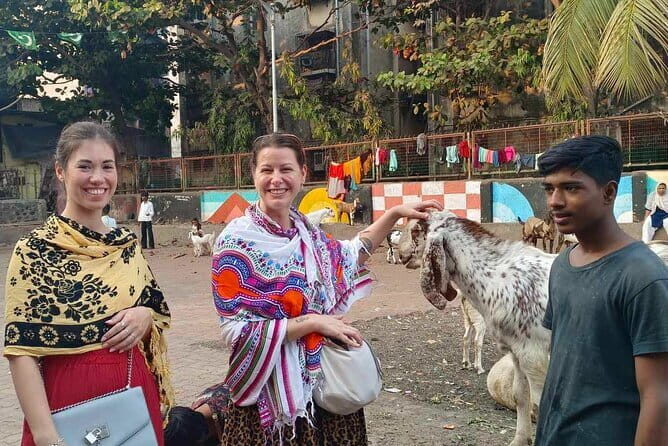
- Small-group size (up to 15) keeps the experience from feeling like a cattle call.
- Dhobi Ghat is about process, not just sights: you’ll learn the laundry workflow from people who know it.
- Dharavi with a resident guide helps you connect daily routines to real local skills and small businesses.
- You’ll see the Slumdog Millionaire filming location inside Dharavi, then get context beyond the movie.
- A local train ride gives you an extra taste of how Mumbai moves.
- Price is low for a guided, entry-fee-included loop, especially compared with many “single-sight” tours.
Dhobi Ghat and Dharavi: a smart way to see real Mumbai
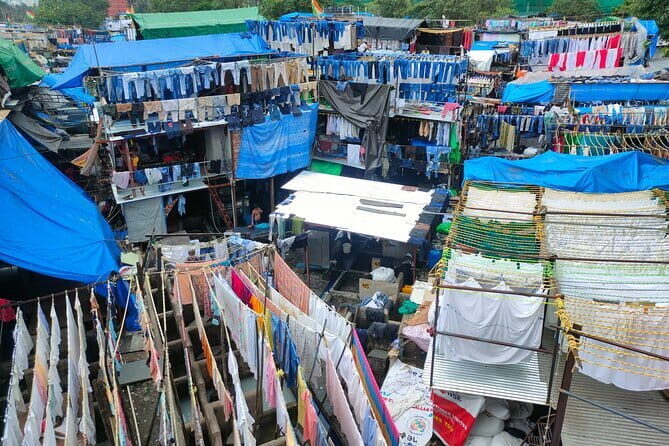
This tour works because it pairs two places you often hear about from afar, then brings you close enough to understand how they function day to day. Dhobi Ghat shows labor and logistics in plain sight—clothes, schedules, drying space, and handoffs. Dharavi shows community life and micro-businesses that don’t fit neatly into a headline.
I also like how the format signals respect for the people there. The focus isn’t on gawking; it’s on learning, asking questions, and getting context from someone who grew up in the area and can translate what the words mean in reality.
Finally, you get a short, focused time window (about 3 hours). That’s useful if you’re short on days in Mumbai but still want something real instead of a checklist.
You can also read our reviews of more tours and experiences in Mumbai.



Start at the coffee shop meetup near Mahim
Meet at Third Wave Coffee, Tip Road, Unit no. 58, Ground, Ram Mahal, Senapati Bapat Marg, Marinagar Colony, Station, Mahim, Mumbai (400016). After the tour, you’ll finish at Mahalaxmi, K K Road, Mahalakshmi, Mumbai (400018), and it’s suggested you arrange local transport like an Uber back to your hotel.
That start and end matter more than you might think. You’re not walking into this from a random hotel pickup, so give yourself a little buffer to find the exact spot. And because the experience is mostly walking and moving through public spaces, arriving on time helps keep the tour smooth for everyone.
If you’re choosing between this and another Mumbai tour, this is one of the clearer ones for navigation: you can plan your route around two known areas rather than a moving meeting point.
Dhobi Ghat: the outdoor laundry machine at human scale
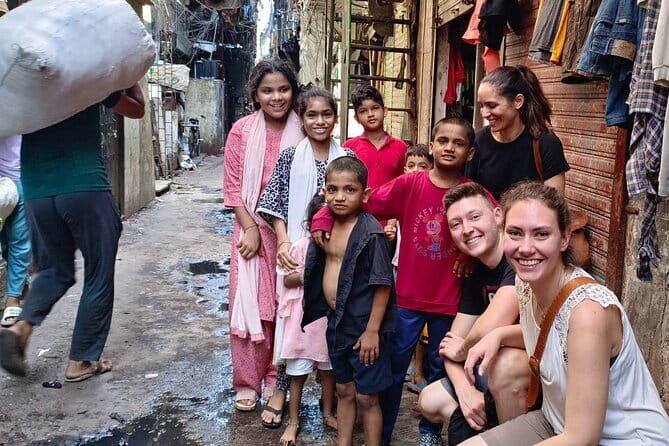
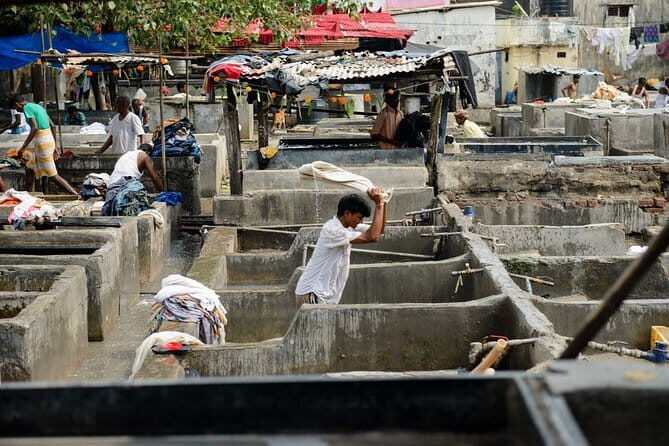
Dhobi Ghat is often described as the world’s largest outdoor laundry, and the time on the ground is about letting you see how it runs. Expect around an hour here with an admission ticket included and a local English-speaking guide from the community.
Here’s what makes this stop valuable: it’s not treated like a static attraction. You’re shown activities like how clothes are washed, where they dry, how ironing works, and how delivery is handled. That turns the place from scenery into a system.
Also, you’ll likely notice something right away: this isn’t a museum version of laundry. It’s working space. That can be fascinating because you can spot the rhythm of labor—how things are laid out, how workers manage space, and how the workflow keeps moving.
What I love about this part: the guide’s explanations. In the tour’s guide roster, names like Zeeshan, Rakesh, and Alkama show up in feedback, and the common thread is strong context. People praised how guides explained history and daily realities clearly, which helps you understand the why behind the scenes.
One practical tip: Dhobi Ghat is outdoors, so dress for Mumbai weather and bring sun protection if you’re visiting on a bright day. Comfortable shoes are a must because you’ll be standing and moving.
Dharavi with a resident guide: daily life, small businesses, real stories
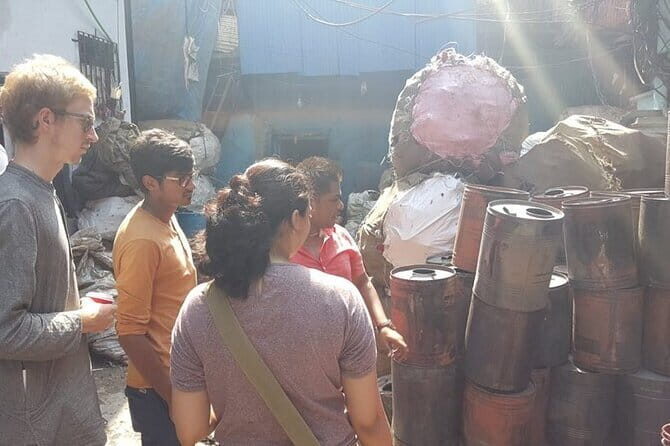
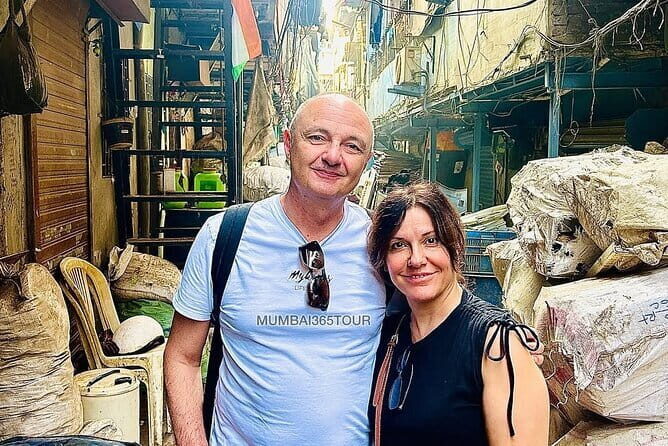
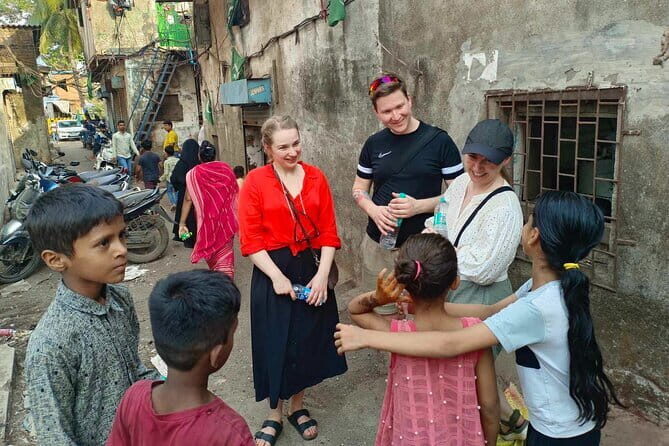
After Dhobi Ghat, you head into Dharavi for about two hours. Dharavi has a population of almost one million people, making it the largest slum neighborhood in Asia. It’s also famous worldwide because of the Oscar-winning movie Slumdog Millionaire, but this tour pushes you to look past the film.
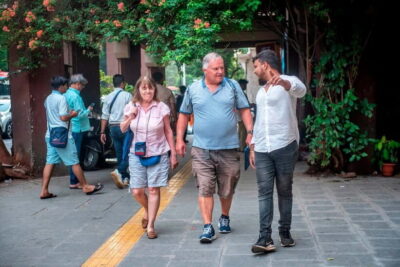
The guide component is the heart of this experience. You’re not just walking through a neighborhood with a generic script; you’re moving with someone from the area who can explain what you’re seeing—where people stay, where family life happens, how children play and relax, and what kinds of businesses keep the community going.
In the feedback, guides like Bharti and Faizan are praised for knowing details “every corner” and for sharing a perspective rooted in growing up there. That matters because it changes the tone from photo-tour to learning-tour. You’ll be able to ask questions and get answers that fit the reality of the streets.
What you should expect to see
You’ll look at how people earn a living and how local industries run in everyday spaces. Based on the tour description, expect examples like:
- plastic recycling
- leather industry work
- garment/textile-related business
- other small commercial activity that supports daily life


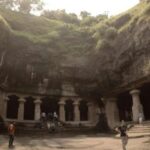
The Slumdog filming location, with context
You’ll also visit where Slumdog Millionaire was filmed inside Dharavi. The key is that you don’t just stop for a picture. You’re meant to connect the movie location to what the neighborhood is actually like now—who lives there and how routines work beyond a storyline.
My advice: treat the filming location as a starting point for questions, not the end of the conversation. When a guide explains how the area functions day to day, the movie reference becomes a tool for understanding, not a substitute for it.
The local train ride: a Mumbai reality check
The tour includes a local train ride as part of the Mumbai experience. This is one of those “small” adds that can make the whole outing feel more like the city itself rather than a two-stop history lesson.
A train ride does two things for you:
1) it changes your pacing, so the tour isn’t just walking between sights
2) it shows how locals move through the city, which helps you understand the geography better
Because the data doesn’t spell out exact timing for the ride segment, think of it as a built-in transit piece that’s part of getting from one area to the next. If you’re sensitive to crowds or standing for short periods, plan ahead and keep expectations realistic for public transport in Mumbai.
Guide quality: why the names matter

A big reason this tour performs well is guide quality—and the reviews spell that out with specific names. Zeeshan shows up as a charismatic guide who led people safely and made the experience engaging, including how he handled questions and guided a group through busy road conditions. Bharti is praised for knowing the tour in depth and being prepared around corners. Rakesh gets credit for making everything easy to follow and interesting. Faizan is highlighted for stories and insights rooted in personal connection to Dharavi. Alkama is mentioned for lots of facts and fun anecdotes.
So what should you do with that info? Don’t overthink it—just know you’re not going to be stuck with a generic walking guide. This is the kind of tour where your questions can actually land, because the guide can answer with lived context rather than just facts.
Walking shoes, water, and pacing: practical expectations
This is a comfortable walking-shoes situation. The description recommends them, and the reality of Dhobi Ghat plus Dharavi means you’ll spend time on your feet moving through public spaces.
Good news: water is included (a bottled water bottle). Also, the tour includes traveling fees and all entrance/entry fees, so you won’t get hit with surprise add-ons just to enter the main spots.
The one thing you should plan for is food. Food is not included. If you’re going to do this early in the day, eat beforehand. If you’re going later, plan a meal afterward and keep some buffer time because you’ll be ending in Mahalaxmi.
Group size stays small (max 15). That tends to keep the tour nimble, but it also means you’ll likely stay close to the group while crossing busy areas.
Price and value: $9.49 is the easy part
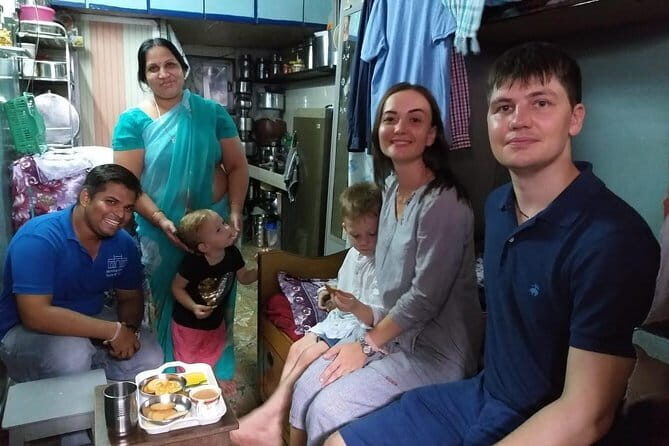
At $9.49 per person, this tour is priced like a budget activity—but the structure isn’t budget-light. You get:
- a local English-speaking guide from the community
- entry/entry fees included for the stops
- traveling fees included
- water bottle included
- a 3-hour guided loop with Dhobi Ghat and Dharavi
When you think about value, the question isn’t just the dollar amount. It’s what’s included and what you’re learning. A guide with local context is hard to replace with a DIY approach. And Dharavi isn’t a place where you want to wander blindly trying to piece together “what’s what.”
If you’re on a tight schedule in Mumbai, this price makes it one of the more cost-effective ways to get a guided education that also includes a famous filming location and a real local-work environment.
Who should book this tour (and who should think twice)
This fits best if you want more than surface tourism. You should enjoy it if you’re curious about how everyday industries work, how neighborhoods function, and how local people see their own community.
It’s also a good fit for people who like guides who can explain context in plain English—names like Zeeshan, Bharti, Rakesh, Faizan, and Alkama show that the tour leans into explanation and answering questions.
Think twice if you’re not ready for emotionally heavy themes or if you strongly prefer polished, low-footprint sightseeing. This is real life, not a themed attraction, and it involves navigating busy streets.
Quick do’s and don’ts for a respectful visit
You can make this experience better for yourself and for the people around you by staying grounded and considerate.
Do:
- wear comfortable walking shoes
- keep your pace with the group in busy areas
- ask questions respectfully, especially around daily routines and local business work
Don’t:
- treat it like a photo shoot with no regard for privacy
- expect a relaxed sit-down style tour
A good guide helps here, and the tour is built around resident-guides, which usually means stronger manners and clearer boundaries.
Should you book the Dhobi Ghat and Dharavi tour?
Book it if you want a low-cost, small-group introduction to Mumbai that goes beyond postcards. The combination is genuinely useful: Dhobi Ghat shows a working system, and Dharavi shows community life and small-scale industry explained by someone who knows it from the inside. With a duration of about 3 hours and entry fees included, it’s easy to fit into a day.
Skip it or choose a different style of tour if you know you dislike topics tied to hardship, or you struggle with active walking and public transport. Also, remember there’s no food included, so plan your meals around the tour.
If you like guided context, strong storytelling, and a local viewpoint, this is the kind of Mumbai experience that sticks.
FAQ
How long is the Dhobi Ghat and Dharavi tour?
It’s about 3 hours.
What is the price per person?
The price is listed as $9.49 per person.
Is a local English-speaking guide included?
Yes. The tour includes a local English-speaking tour guide from the slum.
What stops are included?
You’ll visit Dhobi Ghat and then Dharavi.
How long do the stops take?
Dhobi Ghat is about 1 hour, and Dharavi is about 2 hours.
Is food included?
No, food is not included.
What else is included in the price?
The tour includes traveling fees, all entrance/entry fees, and a water bottle.
What is the maximum group size?
The maximum is 15 travelers.
Where does the tour start and end?
Start: Third Wave Coffee, Tip Road, Unit no.58, Ground, Ram Mahal, Senapati Bapat Marg, Marinagar Colony, Mahim, Mumbai (400016). End: Mahalaxmi K K Road, Mahalakshmi, Mumbai (400018).
What is the cancellation policy?
Free cancellation is available up to 24 hours in advance for a full refund. If you cancel less than 24 hours before the start time, the amount paid is not refunded.