REVIEW · MUMBAI
3 Hours Early Morning in South Mumbai Heritage Bicycle Tour
Book on Viator →Operated by Mumbai Dream Tours · Bookable on Viator
Mumbai wakes up early, and so should you. This 3-hour South Mumbai heritage bicycle tour takes you to big-name landmarks like the Gateway of India with fewer people around, while you slip through back lanes in cooler morning hours. The route also mixes temples, bazaars, and waterfront sights, so your morning doesn’t feel like one long “photo stop” parade.
I especially like that this isn’t just about the famous fronts. You also get time at places that feel more local—bazaars and docks—where the city’s everyday rhythm shows up before traffic and heat take over. Second, the tour is set up for convenience: bike and helmet are included (upon request), and you get drinks plus bottled water so you’re not juggling extra purchases before your ride.
The main drawback is simple: you’ll need to be up for a 6:00 AM start and you should be comfortable with moderate physical activity for a three-hour ride. If early mornings grind on you, this one might feel like work instead of fun.
In This Review
- Key highlights to look for before you book
- Why 6:00 AM South Mumbai makes sense
- Getting started at Kailash Parbat (and what to expect from the ride)
- The route: what each stop adds to your morning
- Gateway of India: the grand shoreline landmark without the crowd drama
- Chhatrapati Shivaji Terminus (CST): colonial architecture plus major transit energy
- Crawford Market: a shopping stop with an electricity-early story
- Marine Drive: the Arabian Sea views and that queen necklace nickname
- Sassoon Dock: old dock history with a working-city feel
- Bombay Panjrapole: feeding tradition explained in plain terms
- Mumba Devi Temple: goddess devotion you can feel in the local names
- Zaveri Bazaar: jewelry shopping streets and the sound of commerce
- Price and value: what $36.29 buys you (and why it’s fair)
- Who this tour is best for
- Small tips to make your morning smoother
- Should you book the 3 Hours Early Morning Heritage Bike Tour?
- FAQ
- What is the duration of the South Mumbai heritage bicycle tour?
- What time does the morning tour start?
- Where does the tour start and where does it end?
- Is the tour offered every day?
- How many stops are included?
- What is included in the price?
- Are there admission fees for the stops?
- How big is the group?
- Is this tour physically demanding?
Key highlights to look for before you book

- Fewer crowds at sunrise-hour landmarks like Gateway of India, without the midday crush
- Bike access to back lanes that are hard to find on your own
- Bike + helmet + drinks + bottled water included, so your morning stays light on logistics
- Stops across architecture, markets, docks, and temples, not just one theme
- Small group size up to 15 for a calmer pace and easier guide attention
Why 6:00 AM South Mumbai makes sense
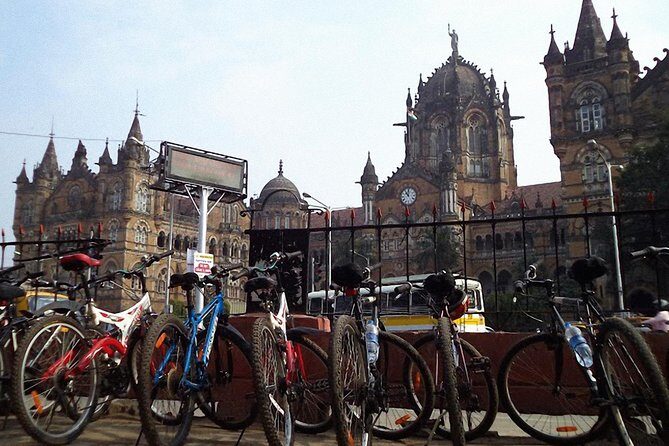
There’s a sweet spot in Mumbai mornings: the city is moving, but it’s not fully in overdrive. This tour leans into that. Starting at 6:00 AM from Colaba means you’ll see landmarks while streets still feel manageable, and you’ll beat the worst of the heat that hits later.
I also like the way the tour is timed for you to still have your whole day. After three hours, you’re not locked into an all-day schedule. You can stretch into a slower second half—shopping, sightseeing, or just letting Mumbai unfold at your pace.
And because the morning experience is designed around riding, you get to cover ground you’d normally struggle with on foot. You see more, but without needing to fight Mumbai traffic in cars.
You can also read our reviews of more historical tours in Mumbai
Getting started at Kailash Parbat (and what to expect from the ride)
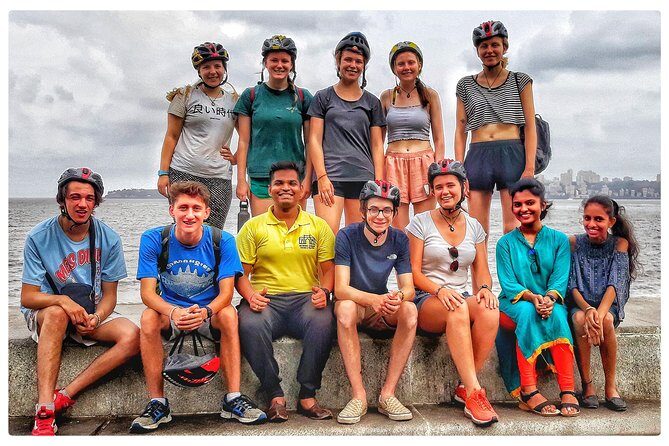
Your morning begins and ends at Kailash Parbat Restaurant in Colaba. That’s a practical setup because you’re not hunting for a random pickup point in the dark—you’re anchored in one familiar neighborhood and the tour returns you there at the end.
The tour runs daily and lasts about 3 hours. You’ll be in a small group (maximum 15 travelers), which matters in a city like Mumbai. With fewer people, you’re less likely to feel like a human traffic jam every time you stop at a sight.
You’ll also get a professional guide who brings the story to life. The stops are free of admission charges, but the meaning isn’t automatic. This is the kind of tour where a good guide helps you connect the dots between a colonial-era building, a working market, and a temple that still matters to local life.
One more practical point: you’ll get bottled water plus drinks during the tour. That’s not fluff. When you’re up early and moving by bike, hydration helps you enjoy the sights instead of thinking about fatigue.
The route: what each stop adds to your morning
This tour works because it strings together very different sides of Mumbai. You’re not only staring at monuments—you’re moving from maritime edges to train-station grandeur, from food-adjacent temple culture to jewelry shopping streets.
Here’s what you can expect at each stop, and what’s worth paying attention to.
Gateway of India: the grand shoreline landmark without the crowd drama
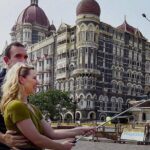
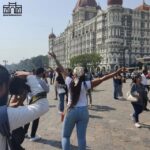
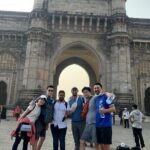
You’ll spend about 30 minutes at the Gateway of India. It was constructed during the British Raj, and it’s one of those places where history is visible in the stone and scale.
What I like about this stop early is the setting. Even if the area is busy later, in the morning it feels more serene. You’ll also notice the ferry services nearby—so the Gateway isn’t just a monument. It’s a functional edge of the city where movement continues.
The potential downside: this is still a famous place, so you’ll see visitors. The early start helps, but it won’t turn it into an empty set.
Chhatrapati Shivaji Terminus (CST): colonial architecture plus major transit energy
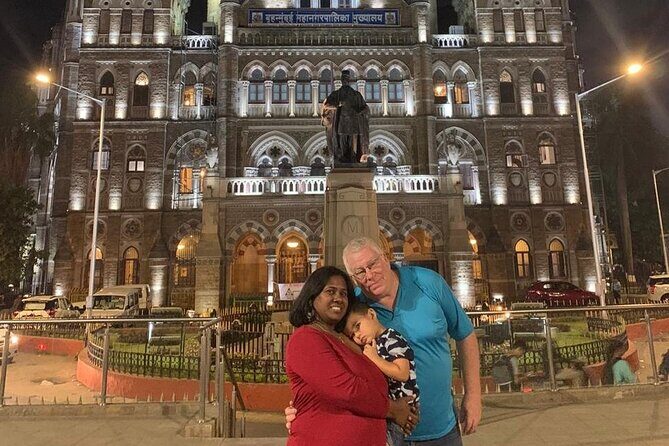
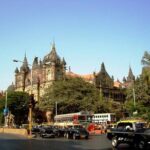
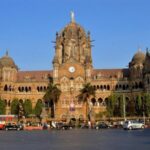
Next is Chhatrapati Shivaji Terminus, where you’ll have about 20 minutes. The exterior is described as a colonial structure with perseverance of ancient forms, and the station’s connectivity is a big part of the attraction—central, harbor, and outstation trains.
This is a great stop if you like places where architecture and daily life overlap. Even from the outside, it gives you a sense of Mumbai’s momentum. It’s not just pretty; it’s busy in a purposeful way.
If you prefer to take your photos without strangers moving through the frame, go easy on the busiest angles. But with only 20 minutes, you’ll still have time to get your shot and keep rolling.
You can also read our reviews of more tours and experiences in Mumbai



Crawford Market: a shopping stop with an electricity-early story
You’ll spend about 20 minutes at Crawford Market. The tour description highlights that it was once the first shopping destination that ran on electricity, and it’s also said to remain unaffected by modern advancements.
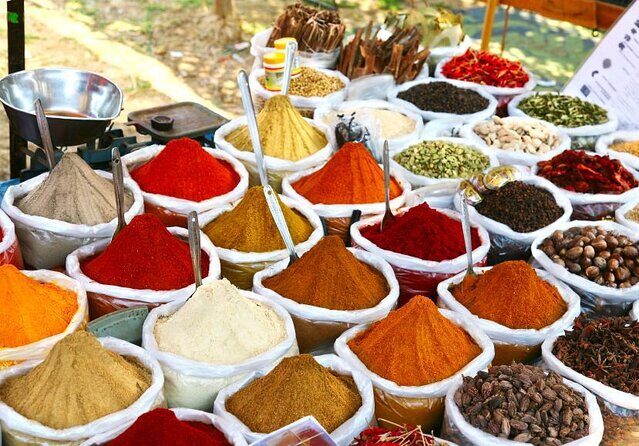
Even if you don’t obsess over that timeline detail, the practical value is clear: you get a taste of Mumbai’s market culture. This isn’t just for tourists. Markets like this are where locals pick up goods and snacks, where you see what a neighborhood is really like.
The only consideration here is sensory intensity. Markets can be loud and crowded even early, so keep your pace flexible.
Marine Drive: the Arabian Sea views and that queen necklace nickname
Then it’s Marine Drive for about 20 minutes. You’ll see why it’s linked to the Arabian Sea, and you’ll also hear how the coastline area is nicknamed the queen necklace—because the lights and curve create a standout look from the right viewpoint.
Early morning means the “night necklace” vibe won’t be at full effect, but the waterfront setting still matters. You get the view, the perspective, and a break from the more land-heavy stops.
Quick tip: if you’re riding, don’t try to turn your stop into a long scenic linger. The goal here is to absorb the look and move on while you’re still fresh.
Sassoon Dock: old dock history with a working-city feel
You’ll have about 20 minutes at Sassoon Dock, described as one of the oldest docks in Mumbai and built in 1875. Docks have a different energy than monuments. They feel practical—like the city is still doing what it’s always done.
If you like maritime details, this stop will click. Even if you’re not a ship-history person, watching the dock area helps you understand why Mumbai grew where it did: trade, shipping, and the movement of goods.
The only drawback is time. Twenty minutes is enough for orientation and photos, not enough to become a deep dive. But that’s actually a good fit for a 3-hour ride.
Bombay Panjrapole: feeding tradition explained in plain terms
Next you’ll stop at Bombay Panjrapole for about 30 minutes. This is where the tour shifts from architecture and shopping into living tradition.
The concept is explained as something that comes from village practices where cows were donated so that a temple could use the milk to prepare prasad, often kheer and sometimes mava and other sweets.
I like this kind of stop because it’s specific. It’s not just “there’s a temple.” It gives you a cultural reason behind an institution’s role in the community. That helps you look at the area with more understanding instead of treating it as a quick photo moment.
If you’re sensitive to religious sites or prefer quiet spaces, keep your expectations in check. You’ll be visiting a functioning place connected to worship and offerings.
Mumba Devi Temple: goddess devotion you can feel in the local names
You’ll spend about 20 minutes at Mumba Devi Temple (Mumba Devi Mandir). The tour describes it as an old temple dedicated to the goddess Mumbā, described as the local incarnation of the Devi. It also notes that the Marathi name मुंबा derives from Sanskrit.
This stop gives you a local religious anchor in the middle of a route that otherwise mixes colonial and commercial stops. That balance is valuable. You’re not only learning what Mumbai looks like—you’re learning what places mean to people.
The practical side: religious sites can have rules about behavior and movement. The tour timing is short, so follow your guide’s lead to avoid slowing the group.
Zaveri Bazaar: jewelry shopping streets and the sound of commerce
Your final stop is Zaveri Bazaar for about 20 minutes. The focus here is jewelry—gold and diamonds, plus items like artificial necklaces, jhoomka, and rings.
This is the moment where the morning can turn into something personal: if you like jewelry, you’ll see the market style up close. Even if you don’t plan to buy, it’s a useful cultural snapshot. You’ll get a feel for Mumbai’s commercial identity, not only its monuments.
Consideration: prices and sales pressure can vary by shop. Keep your eyes open, but don’t feel obligated to haggle just because you’re standing among displays.
Price and value: what $36.29 buys you (and why it’s fair)
At $36.29 per person, this tour feels like good value because the cost covers more than a guide. You also get:
- a bicycle and helmet (upon request)
- drinks plus bottled water
- a professional guide
- a route where each stop has free admission
That combo matters. If you tried to recreate this on your own, you’d likely pay for bike rental, helmet rental, and your own navigation while also trying to manage heat and traffic on your schedule.
Also, booking about 111 days in advance (average) suggests people like planning this early start. That’s often a sign that the experience hits a sweet spot for schedule and logistics, especially if you’re staying around Colaba or Fort.
The tour runs with a small group, so your guide can actually steer the pace and explain what you’re seeing rather than only pointing and hoping.
Who this tour is best for
This is a strong fit if you:
- want to see a wide slice of South Mumbai in only 3 hours
- like your sightseeing with movement, not just standing around
- prefer morning conditions and want a plan that doesn’t swallow your whole day
- are staying near Colaba or Fort, where the start point makes sense
It’s also a good choice if you don’t want to spend your morning wrestling with directions. A guided bike route helps you get from one type of neighborhood to another without losing time.
If you hate early mornings or you’re not comfortable riding for the full duration, this might feel like too much. The tour does call for moderate physical fitness, so be honest about your comfort level.
Small tips to make your morning smoother
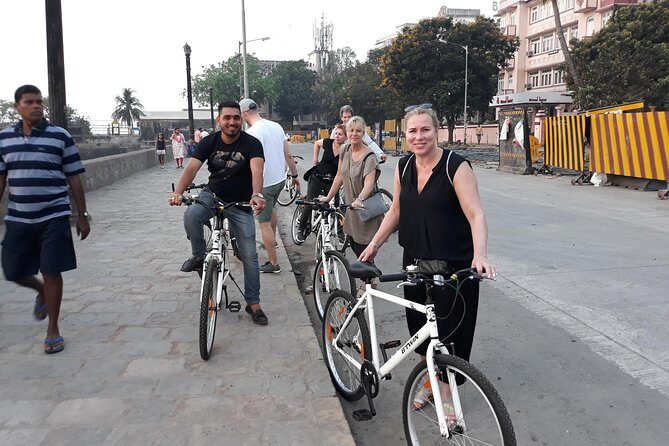
You don’t need a complicated checklist, but a few choices can make it easier:
- Wear comfortable clothes you can ride in, since you’ll be biking for most of the tour.
- Plan for quick transitions: most stops are about 20 minutes, with only one longer stop at Panjrapole (30 minutes).
- Bring a flexible mindset for markets and temples. These places have their own rhythm, and your guide will help you stay respectful and efficient.
- Decide in advance if you want the helmet. It’s included upon request, so don’t wait until you’re already gearing up.
- If you’re planning to buy something at Zaveri Bazaar, set a budget for what you’re willing to spend. You’ll have limited time there.
And one more thing: tips are not included. If your guide does a great job explaining the sights (and this tour is set up for that), you’ll likely want to reward good guiding.
Should you book the 3 Hours Early Morning Heritage Bike Tour?
I’d book it if your priority is a structured, morning-first view of Mumbai that mixes landmarks, docks, markets, and temples without making your schedule heavy. The early start is the whole point, and the inclusion of bike, helmet (upon request), drinks, and bottled water makes the $36.29 price feel straightforward.
Skip it if you’re not a morning person or you don’t like the idea of moderate physical activity for a continuous three-hour ride. Also, if you only want one “major monument” experience and nothing else, the variety might feel like too much change in too little time.
If you’re staying near Colaba, the logistics are especially convenient since the tour starts and ends at Kailash Parbat. For most people, that alone is worth a look.
FAQ
What is the duration of the South Mumbai heritage bicycle tour?
The tour lasts about 3 hours.
What time does the morning tour start?
The morning tour starts at 6:00 AM.
Where does the tour start and where does it end?
It starts and ends at Kailash Parbat Restaurant in Colaba.
Is the tour offered every day?
Yes, it operates every day.
How many stops are included?
There are eight stops: Gateway of India, Chhatrapati Shivaji Terminus, Crawford Market, Marine Drive, Sassoon Dock, Bombay Panjrapole, Mumba Devi Temple, and Zaveri Bazaar.
What is included in the price?
It includes a professional guide, bicycle and helmet (upon request), drinks during the tour, and bottled water.
Are there admission fees for the stops?
The tour information lists free admission for each stop.
How big is the group?
The tour has a maximum of 15 travelers.
Is this tour physically demanding?
It recommends moderate physical fitness.