REVIEW · MUMBAI
Dharavi Slum Tour
Book on Viator →Operated by Dream City Tours and Travels · Bookable on Viator
Dharavi tours can shock your assumptions. This one is built to show the place as a working community, not a sad photo-op, with an English-speaking local guide leading you through narrow alleys and everyday activity.
Two things I really like: I appreciate how the tour counters the idea of poverty tourism (there’s a clear message that this is about resilience and real people), and I love that you get a snapshot of practical trades like plastic recycling and leather work, plus small-scale production such as pottery and soap.
One thing to consider: you’re walking through tight, busy-feeling areas for about 2 hours, and the tour asks for moderate physical fitness and good weather. If that’s not your comfort zone, plan accordingly.
In This Review
- Key Points Worth Knowing
- Why This Dharavi Walk Feels Different Than You Expect
- Meet-Up at Café Coffee Day in Mahim (and How to Not Stress)
- How the Tour Uses a Clear Mindset: No Voyeuristic Poverty Tourism
- Inside the Narrow Alleys: What You’ll See and Why It’s Valuable
- Seeing Plastic Recycling as a Real Trade
- Spotting Leather Work and Learning to Look Without Judging
- Pottery: Craft That Signals Patience and Skill
- Soap Production and the Power of Small-Scale Industries
- Schools and Churches: Why the Community Pieces Matter
- Your 2-Hour Route: Timing, Pace, and Getting the Most Out of It
- Price and Value: Is $20 a Fair Deal?
- Who Should Book This Tour (and Who Might Skip It)
- Should You Book Dharavi Slum Tour With Dream City Tours and Travels?
- FAQ
- How long is the Dharavi slum tour?
- What’s the meeting point?
- Is there an English-speaking guide?
- How many people are in the group?
- What should I know about weather and rescheduling?
- Can I cancel for free?
Key Points Worth Knowing
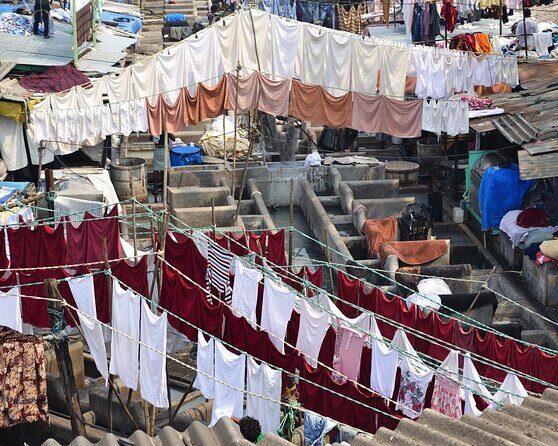
- Guides with real names: Mohamed and Shailinder are mentioned as helpful in getting you to the meeting point and setting the tone.
- Not misery tourism: the tour purpose is to correct misconceptions and focus on what people are capable of doing.
- Work you can actually picture: plastic recycling, leather work, pottery, and soap production are highlighted.
- Community stops included: schools and churches are part of the experience, not just workshops.
- Small group size: maximum of 5 travelers keeps it more manageable in the alleys.
- Low-cost, short visit: at about $20 for roughly 2 hours, it’s designed to fit a typical Mumbai day.
Why This Dharavi Walk Feels Different Than You Expect
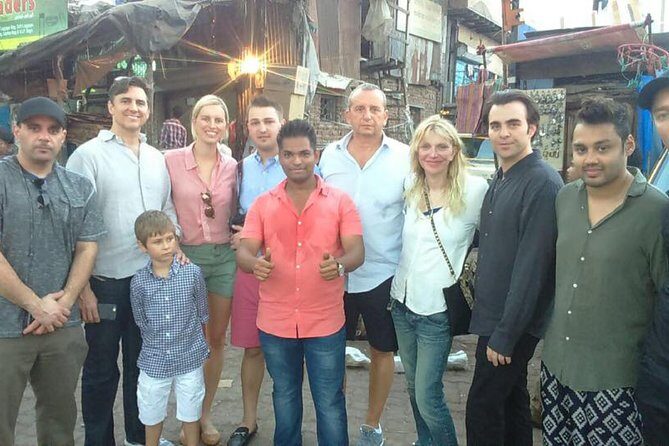
Dharavi has been in global headlines since the 2008 movie Slumdog Millionaire. That fame can do a weird thing to first-timers. You might arrive thinking you’ll see misery framed for entertainment.
This tour flips that script. The message is simple: stop staring at pain, start noticing people at work and the community spirit that keeps things running. You’ll walk through narrow alleys where you’ll see different kinds of activity. And because the tour is designed with that goal, the pacing and the conversation tend to steer you toward understanding instead of gawking.
Also, the fact that the tour is offered as a group option (with group discounts) means the price stays accessible. At $20 per person for about two hours, you’re not paying for a huge, complicated day. You’re buying a focused orientation to a place many people only know from movies or stereotypes.
The other detail that matters is the maximum group size of 5 travelers. In a setting where space can feel tight, a smaller group helps you keep your footing, hear the guide, and avoid turning the walk into a slow-moving crowd.
You can also read our reviews of more tours and experiences in Mumbai.



Meet-Up at Café Coffee Day in Mahim (and How to Not Stress)
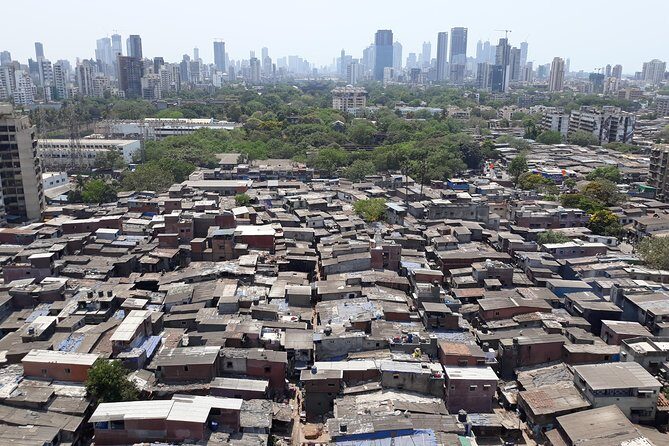
Your tour starts at Café Coffee Day, Unit No. 58, Ground Floor, Ram Mahal Building, Senapati Bapat Marg, T.P. Road, Mahim area of Mumbai (near Marinagar Colony and Navjivan Society), Maharashtra 400016. The end is back at the meeting point.
That’s useful for planning. You’re not committing to a complicated, far-away pickup. The listing also notes it’s near public transportation, which matters in Mumbai. You can get there without needing a private car.
One practical tip: treat the meeting point like an exact address hunt. Reviews highlight Mohamed and Shailinder as being helpful in getting people to the meeting point. So if you’re the type who tends to arrive early and then wander around, use that time to re-check the exact building and unit number. It saves you from the classic last-10-minutes scramble.
How the Tour Uses a Clear Mindset: No Voyeuristic Poverty Tourism
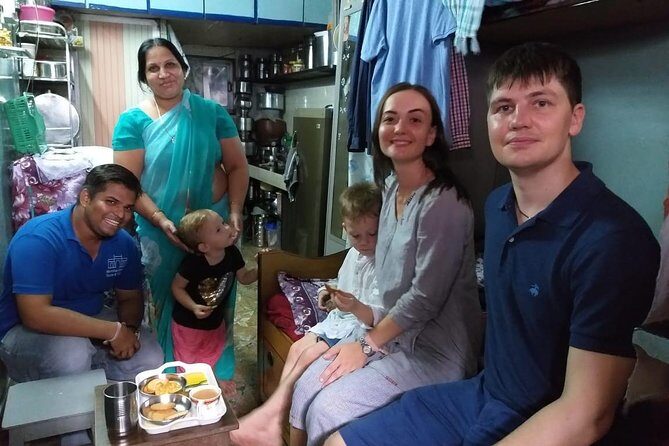
A lot of people worry that Dharavi tours are just about watching hardship. This tour specifically frames that concern and pushes back hard.
You can think of it as an attitude check before you step into the alleys. The idea is not to pretend hardship doesn’t exist. It’s to refuse the idea that the only story worth telling is suffering. Instead, you’re shown what people have built and how daily work takes shape even in difficult conditions.
That matters because it changes how you look. When the guide steers you away from the stereotype, you notice different things. You might catch the logic of small-scale production. You might observe how activity connects to community life. And you’re more likely to come away with a more balanced mental picture than the one you had when you booked.
In other words, you don’t just get a walk. You get a lens.
Inside the Narrow Alleys: What You’ll See and Why It’s Valuable
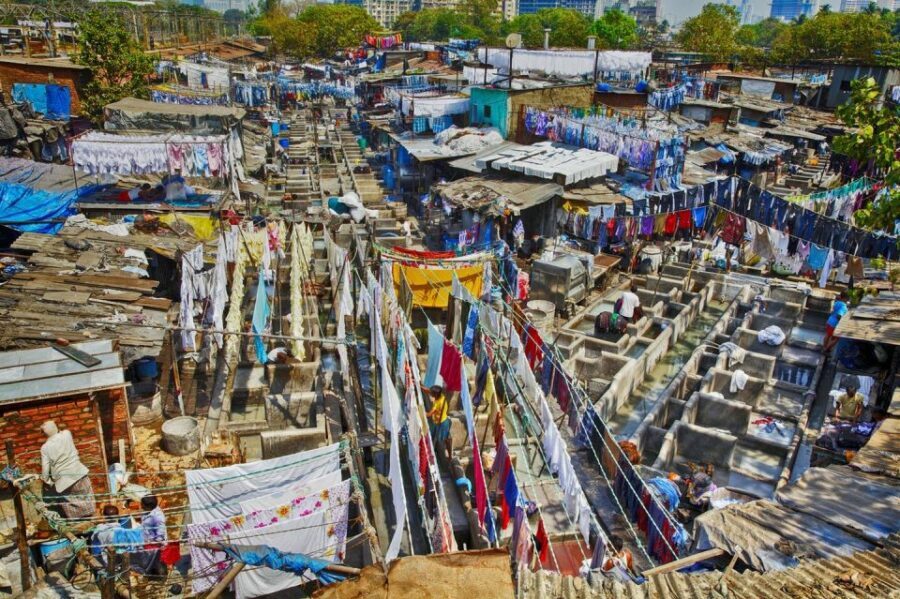
The heart of the experience is movement through Dharavi’s narrow lanes, where you’ll see a wide range of activities. The info highlights several industries and daily makers’ work, including:
- plastic recycling
- leather work
- pottery
- soap production
You also see community elements like schools and churches.
Why this mix is valuable: it doesn’t reduce the area to one single theme. You get a sense of how different types of work coexist and how production, learning, and faith spaces shape the day-to-day rhythm. That blend helps you understand Dharavi as a functioning mini-city rather than an exhibit.
Seeing Plastic Recycling as a Real Trade
Plastic recycling is called out as part of what you’ll find. That’s a big deal because it’s a practical industry, not an abstract idea. Even without inventing details, you can treat this as a window into how materials are handled, reused, and turned into usable output.
When you watch any recycling process, your brain starts doing math. Waste becomes input. Input becomes labor. Labor becomes income and skills. That’s the kind of connection the tour seems to want you to make: not just what the work looks like, but what it means for people’s livelihoods.


Spotting Leather Work and Learning to Look Without Judging
Leather work is another highlighted activity. Leather is tied to materials, tools, and know-how, and it’s easy to assume people are doing it with little context or support. The point of the tour is to avoid that assumption. Instead, you focus on the fact that skills exist, businesses exist, and people know what they’re doing.
A helpful mindset here is to notice organization. Where do people focus? How do tasks flow? Even if you can’t understand every step, you can still see that work isn’t random. It has a system.
Pottery: Craft That Signals Patience and Skill
Pottery is included in the activity list. Pottery usually involves patience, repeated steps, and an eye for form. Again, you won’t leave with a hands-on pottery lesson from the information provided, but you can still learn something by observing.
The value is in recognizing that craft skills live in the same place as other industries. You get a sense that Dharavi is not only about survival. It includes production that can be skilled and specialized.
Soap Production and the Power of Small-Scale Industries
Soap production is specifically mentioned. That matters because it’s tied to routine needs, markets, and consistent demand. You can see how a product-based trade fits into the wider economy of a neighborhood.
Also, soap is one of those items that tends to feel ordinary in daily life. Seeing it made somewhere else forces you to connect your own world to someone else’s labor. That shift is one of the reasons these tours can feel educational in a grounded way.
If you’re the kind of traveler who likes practical experiences over sightseeing, the shop-and-work focus is a strong match. You’ll likely spend the bulk of your 2 hours with a mix of observing and listening as the guide frames what’s going on.
Schools and Churches: Why the Community Pieces Matter
The tour doesn’t only highlight businesses. It also includes schools and churches.
That sounds simple, but it changes your understanding fast. Work tells one part of the story. Education tells another. Faith spaces add another layer about community structure and routines.
This is where the tour’s “misconception correction” goal really lands. If you only see trades, you might still view Dharavi as purely an economic machine. Once you also see institutions like schools and churches, you’re more likely to think in terms of full lives: learning, worship, community ties, and continuity.
It’s also a reminder that people aren’t only defined by their job. They’re defined by relationships and places they return to.
Your 2-Hour Route: Timing, Pace, and Getting the Most Out of It
The tour duration is about 2 hours. That’s short enough that you won’t feel stuck in an all-day schedule, but long enough to see multiple types of activity.
The practical reality: you’re moving through narrow alleys, so pace is tied to space and crowd flow. With a maximum of 5 travelers, you can expect fewer bottlenecks and more time to hear the guide.
Here’s how to make it work for you:
- Wear comfortable shoes. Tight spaces and frequent turning need grip and support.
- Keep your phone use respectful. Focus on listening and observation rather than turning everything into a screen capture.
- Ask questions if your guide invites them. If the goal is dispelling misconceptions, your questions are part of the process.
And keep in mind the tour is weather dependent. The info says it requires good weather. If conditions are poor, you’ll be offered a different date or a full refund.
Price and Value: Is $20 a Fair Deal?
At $20 per person for around 2 hours, this tour is priced for accessibility. You’re not paying for a luxury vehicle or a long itinerary. The value is in the guide-led framing plus the chance to see multiple aspects of daily life in one focused window.
Also, the tour offers mobile tickets and group discounts. That’s helpful when you’re traveling with friends or want to keep logistics light.
Is it perfect value for everyone? If you’re looking for a deep academic lecture or a fully structured “see-this-exact-building” experience, you might find it simpler than some city tours. But if you want an honest, guided introduction that nudges your thinking in a more human direction, this price-to-time ratio is hard to beat.
Who Should Book This Tour (and Who Might Skip It)
This is a strong fit if:
- You want a short, guided experience in Mumbai that challenges assumptions.
- You care more about people, work, and community than big monuments.
- You appreciate a small group setting (max 5 travelers).
You might skip it if:
- You have mobility limits that make uneven or tight walking difficult. The tour asks for moderate physical fitness.
- Bad weather is likely during your visit window and you don’t have flexibility to reschedule.
If you’re comfortable with the idea that Dharavi is a real working area (not a staged attraction), you’ll get more out of the time you spend there.
Should You Book Dharavi Slum Tour With Dream City Tours and Travels?
I’d book it if you want a guided look at work and community life that avoids the cheap spectacle angle. The strongest reason to choose this one is the clearly stated intent: not to treat poverty as entertainment, but to show capability, industry, and everyday institutions like schools and churches.
Before you decide, check two things: your weather window and your walking comfort. If those align, the small-group format and the $20 cost for about 2 hours make it a practical choice, especially as a supplement to your other Mumbai plans.
FAQ
How long is the Dharavi slum tour?
It lasts about 2 hours (approx.).
What’s the meeting point?
The tour starts at Café Coffee Day, Unit No. 58, Ground Floor, Ram Mahal Building, Senapati Bapat Marg, T.P. Road, Marinagar Colony, Navjivan Society, Mahim, Mumbai, Maharashtra 400016, India, and ends back at the meeting point.
Is there an English-speaking guide?
Yes. An English-speaking local guide is included.
How many people are in the group?
This tour/activity has a maximum of 5 travelers.
What should I know about weather and rescheduling?
The experience requires good weather. If it’s canceled due to poor weather, you’ll be offered a different date or a full refund.
Can I cancel for free?
Yes, you can cancel for free up to 24 hours in advance for a full refund. If you cancel less than 24 hours before the start time, the amount you paid won’t be refunded.