REVIEW · MUMBAI
Dharavi Slum Walking Tour: Daily Life in Asia’s Largest Slum
Book on Viator →Operated by Colors Experiences · Bookable on Viator
A $5 walk through real Mumbai. I love meeting local guide Sufiyan—his English is clear, and he ties stories to what you can actually see on the street—and I love the hands-on stop in Kumbharwada, where pottery work continues through generations. One consideration: this area is a working neighborhood with real hardship, so be ready for moments that feel emotionally heavy.
The tour runs about 2 to 2.5 hours, stays small (max 15 people), and uses mobile tickets. You’ll walk on narrow lanes and active areas, so plan for moderate walking and good shoes.
I like that it’s set up to make sense fast: start at Third Wave Coffee near Mahim, then move through industrial work zones and residential life before ending back in Dharavi near Sunder Vilas. You’ll also see major landmarks like Dhobi Ghat along the way.
In This Review
- Key highlights to know before you go
- Starting at Third Wave Coffee: finding your guide and setting the tone
- Dharavi on foot: work yards, home lanes, and the everyday in between
- Dhobi Ghat: watching labor that powers daily life
- Kumbharwada pottery colony: how craft survives generation to generation
- What makes the tour feel respectful (and why the guide matters)
- Price and timing: getting real value for your time
- How to prepare (without turning this into a checklist tour)
- Should you book this Dharavi Daily Life walk?
- FAQ
- How long is the Dharavi slum walking tour?
- Where does the tour start and end?
- How much does the tour cost?
- What group size should I expect?
- What languages does the guide speak?
- Do I need a certain fitness level?
- Is the tour dependent on weather?
- What is the cancellation policy?
Key highlights to know before you go
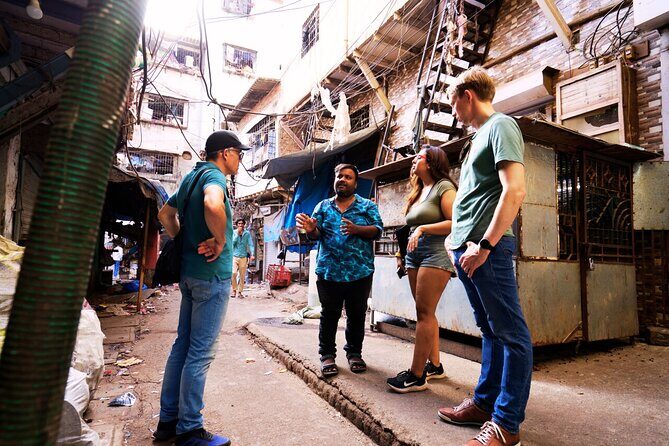
- Local guide storytelling (Sufiyan): clear English, strong local perspective, and good answers to questions
- Kumbharwada pottery work: see artisans shaping clay using long-running methods
- Dhobi Ghat laundry area: watch daily labor tied to Mumbai’s rhythm
- Work and home side-by-side: industrial lanes and family life in the same walk
- Small group size: max 15 keeps it more respectful and easier to ask questions
Starting at Third Wave Coffee: finding your guide and setting the tone

The tour begins at Third Wave Coffee on Tip Road in Mahim (Ram Mahal, Senapati Bapat Marg area). If you’re coming by public transport, this starting point is fairly easy to reach, which matters because Dharavi walks work best when everyone meets on time.
You’ll be with a guide fluent in both Hindi and English. That bilingual setup is more than a convenience; it helps the tour flow when questions come from different directions. I especially like how Sufiyan doesn’t just list facts—he frames what you’re seeing in plain language, so you’re not stuck guessing what things are or why they matter.
This is a walking experience with moderate physical demands. Expect going at human walking speed, then slowing down when the street scene gets tight or when the guide explains how work happens in small spaces. Wear comfortable shoes and keep your water handy. Also, remember the tour runs best in good weather, since a big part of the experience is being outside in dense neighborhood streets.
You can also read our reviews of more walking tours in Mumbai



Dharavi on foot: work yards, home lanes, and the everyday in between

Dharavi isn’t one single scene. What makes the walk worthwhile is the way you see two layers of life closely connected: how people work nearby, and how families live right there too.
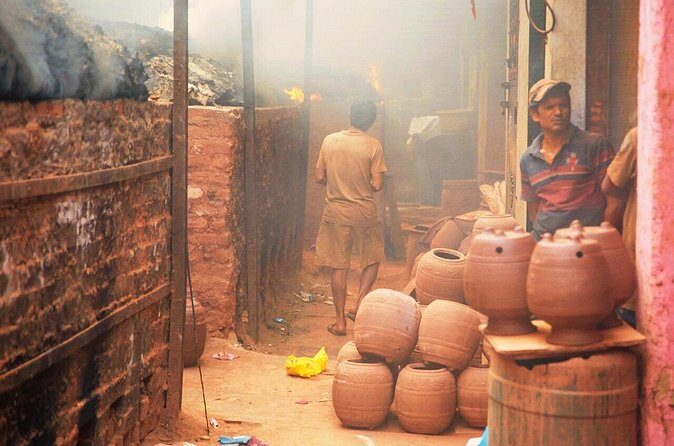
Early on, you’ll move through the area where small industries and trades show up in everyday ways. You might spot work tied to recycling, leatherwork, pottery, food production, and textiles—the kind of local economy that functions because people make things, fix things, and process materials right in their community. It’s also where you’ll notice how creativity isn’t separate from survival. If you pay attention, you’ll start connecting dots: materials get collected, cleaned or processed, turned into products, and sold or used again.
Then the walk shifts into narrow residential lanes. This is where the neighborhood becomes human-scale fast. You’ll see kids playing, families cooking, and neighbors chatting across doorsteps. That contrast can be jarring at first, especially if your background is shaped by tourist images of slums. But that’s exactly why this tour works—your brain gets to update its map of the place.
Here’s what I think you’ll gain: you’ll stop seeing Dharavi as a single label. Instead, you’ll understand it as a working neighborhood with routines, pride, and daily problem-solving happening in real time.
Dhobi Ghat: watching labor that powers daily life
One of the tour’s key stops is Dhobi Ghat, which helps explain how Mumbai runs on visible, hands-on work. Even if you’ve seen laundry scenes before, this is different because you’re seeing it in a living neighborhood context—not as a staged photo stop.
The practical value here is understanding how systems work at street level. Laundry isn’t just a job; it links homes, businesses, schedules, and citywide demand. As you watch and listen, the guide’s role becomes important. You’re not just looking at activity—you’re learning what the work means for the people doing it and why it’s part of the local economy’s daily cycle.
Keep your expectations grounded. This stop can feel intense in the way real work often does: steady effort, physical labor, and long days. If you’re easily squeamish or uncomfortable around close-up, you might want to mentally prepare for that. But if you can stay respectful and attentive, Dhobi Ghat is one of the best places to connect the dots between the industries you see elsewhere and the everyday needs of the city.
Kumbharwada pottery colony: how craft survives generation to generation
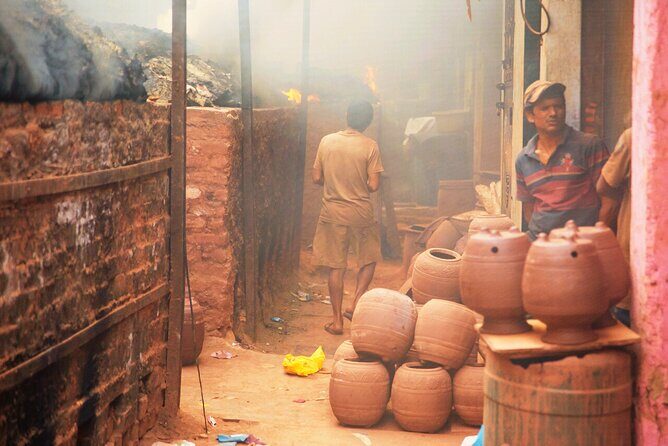
The walk’s most uplifting-feeling segment for many people is Kumbharwada, described as a historic potters’ area. This is where you see craft in action, not as a souvenir concept.
Artisans shape clay pots using techniques passed down over many years. What I like is that the pottery isn’t presented as a performance. It’s simply what people do—work that supports their lives and keeps traditions alive through repetition, skill, and practical know-how.
This stop also gives you a better understanding of pride. In a place often reduced to hardship in outsiders’ conversations, craft is a counterweight. You can see that work here has identity. It’s not only about money, but also about competence and continuity—skills that matter because they’re useful, and because people know them well.
If you’re the type who loves watching hands at work, Kumbharwada is your moment. Even if you don’t know pottery terms, you’ll get the logic quickly: raw material becomes shape, shape becomes function, and function becomes value in the local economy.
What makes the tour feel respectful (and why the guide matters)

This experience stands or falls on the guide, and here the feedback is strong. Sufiyan is repeatedly praised for being clear, friendly, and safe to walk with—plus he’s described as having been born and raised in Dharavi. That kind of lived perspective changes the tone. Instead of talking over the neighborhood, he can connect street details to real life.
You’ll also feel the difference that small group size makes. With a max of 15 people, the tour doesn’t turn into a human traffic jam. It becomes easier to stop, ask questions, and move on without blocking daily routines more than necessary.
I also like that the tour structure helps you ask better questions. Because you’ll cover industrial work areas, residential lanes, and major sites like Dhobi Ghat, your curiosity has places to land. You’re not just asking random questions—you’re asking in response to something you saw five minutes ago.
One more practical note: because the guide speaks Hindi and English, you can expect smoother explanations if you’re more comfortable asking questions in either language. And if you’re shy, you still get the story because the guide does most of the talking at the right pace.





Price and timing: getting real value for your time

The price is $5.59 per person, and the tour includes an admission ticket. For a 2 to 2.5-hour, small-group guided walk, that’s excellent value. You’re paying mostly for local access and interpretation—someone who can explain what you’d otherwise misunderstand or miss.
Timing is also practical. Two hours feels long enough to see both work and home spaces, but not so long that you’ll feel wiped out before the rest of your day. Mumbai neighborhoods can be intense, so having a clean time window helps you plan meals and transport afterward.
Mobile tickets make the day easier too. Less paperwork, fewer hassles, more time focused on walking and listening.
And do take the weather note seriously. If it’s canceled due to poor weather, you’ll be offered a different date or a full refund. That’s the kind of policy that matters because a Dharavi walk isn’t something you want to force through heavy rain.
How to prepare (without turning this into a checklist tour)
To get the most out of this kind of experience, don’t over-plan your expectations. Instead, prepare for how the neighborhood might feel to you.
- Wear comfortable closed-toe shoes. You’ll be on foot for most of the tour.
- Bring a bottle of water and a light layer if the air gets thick or cool.
- Keep your phone use thoughtful. It’s a working area where people live and work close to each other.
- Bring questions, but also patience. The guide will explain, and you’ll have moments to follow up.
Also, approach the tour as learning, not as judging. Even the most well-intentioned visitor can accidentally turn people into a “topic.” What I found most helpful is letting the guide’s framing lead you: listen to why trades exist, notice how daily life continues, and stay aware that this isn’t an open-air museum.
If you can do that, you’ll leave with a sharper mental picture of Mumbai—one you can’t get from a quick drive-by view.
Should you book this Dharavi Daily Life walk?
I think it’s a strong choice if you want an honest, on-foot look at how a major part of Mumbai functions day to day. The guide quality, especially Sufiyan’s clear English and direct local perspective, is a big reason to book. The stops—Dhobi Ghat and Kumbharwada—give you both the labor side and the craft side, with residential life threaded through.
Skip it only if you know you’ll struggle with emotional discomfort from seeing real hardship. This tour doesn’t sugarcoat life, and that’s part of the point.
If you’re flexible, respectful, and ready to learn in the street, you’ll probably feel like you got a well-paced, meaningful experience for very little money.
FAQ
How long is the Dharavi slum walking tour?
It lasts about 2 hours, with some tours running around 2 to 2.5 hours of guided exploration.
Where does the tour start and end?
It starts at Third Wave Coffee on Tip Road (Mahim area) and ends at Sunder Vilas on 90 Feet Rd in Dharavi (near Muslim Nagar/RP Nagar).
How much does the tour cost?
The price is $5.59 per person, and an admission ticket is included.
What group size should I expect?
The tour has a maximum of 15 travelers.
What languages does the guide speak?
The guide is fluent in Hindi and English.
Do I need a certain fitness level?
The tour notes a moderate physical fitness level, since it’s a walking experience.
Is the tour dependent on weather?
Yes. The experience requires good weather, and if it’s canceled due to poor weather you’ll be offered a different date or a full refund.
What is the cancellation policy?
Cancellation is free if you cancel at least 24 hours in advance for a full refund. If you cancel less than 24 hours before the start time, the amount paid is not refunded.