REVIEW · MUMBAI
Victorian Gothic Heritage Quarter and Art Deco Walking Tour
Book on Viator →Operated by Cityscape Mumbai Tours · Bookable on Viator
Mumbai turns architecture nerd mode.
This Victorian Gothic Heritage Quarter and Art Deco walk lines up major landmarks in a tight route—starting at Regal Cinema in Colaba and finishing near Churchgate—so you can watch styles change block by block. You’ll move from Indo-Saracenic drama at the General Post Office to Gothic Revival towers, then end with big-gesture sea views around the Gateway and the Taj area.
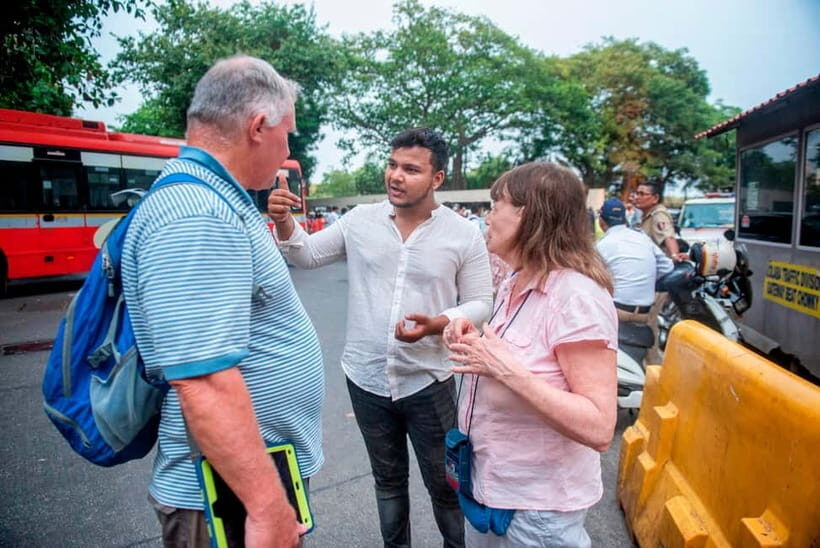
I like two things most. First, the stops are practical: free-entry at each listed landmark, so your money goes to the guide and the walk, not extra tickets. Second, the guides can be strong story-tellers—people in the group named Abhi, Ravi, and Yash for clear English, quick answers, and an easy pace.
One possible drawback: it’s mostly a fast look. Each stop is roughly 5 to 15 minutes, so if you want slow time inside buildings or long photo sessions, you’ll still be craving more afterwards.
In This Review
- Key highlights on this Mumbai architecture walk
- From Regal Cinema to Churchgate: how this 2-hour architecture walk works
- General Post Office to Town Hall Library: Indo-Saracenic meets neoclassical
- Horniman Circle Garden and Oval Maidan: parks, cricket energy, and style contrasts
- St. Thomas Cathedral and the High Court: Gothic Revival in daily use
- Rajabai Clock Tower and University skies: Sir George Gilbert Scott’s touch
- Kala Ghoda, Gateway of India, and the Taj Mahal Palace: empire landmarks in your line of sight
- Is the $18.88 price fair, and who should book
- FAQ
- How long is the Victorian Gothic Heritage Quarter and Art Deco walking tour?
- What does the tour cost?
- Where does the tour start and where does it end?
- Are entrance tickets included for the stops?
- Is a mobile ticket used?
- What is the maximum group size?
- Can I cancel and get a full refund?
Key highlights on this Mumbai architecture walk
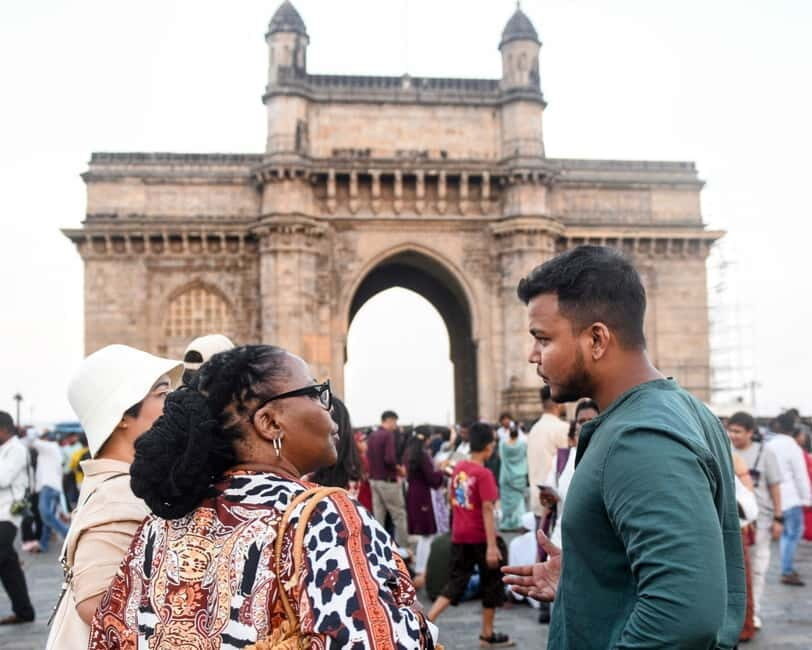
- Colaba to Churchgate route: a westward line through the city’s colonial-era showpieces
- Free-entry stops: you pay for the tour, not for each major landmark visit
- Gothic Revival + Art Deco contrasts: especially around Oval Maidan
- Guides that handle questions well: Abhi, Ravi, and Yash got praise for clear explanations
- Sunday park energy: cricket can show up in this park-zone depending on the day
- Mobile ticket and bottled water: simple, low-fuss extras for a 2-hour stroll
From Regal Cinema to Churchgate: how this 2-hour architecture walk works
This tour is built for people who want structure without feeling like they’re trapped in a classroom. It runs for about 2 hours, and the pace is broken into short landmark hits—mostly 10–15 minutes per stop, with a couple of quicker photo moments. With a maximum group size of 15, you’re not stuck shouting over a crowd, and you can actually ask questions when something catches your eye.
Your route starts at Regal Cinema, Apollo Bandar, Colaba and ends at Churchgate Station (near Maharshi Karve Rd). That matters because it’s not a round-trip loop in the same area. You’re walking through a slice of Mumbai that many first-timers miss if they only do the obvious waterfront and quick museum stops.
One more practical note: it’s a guided walk, not private transport. So wear shoes you’re happy to stand in. Mumbai sidewalk life can be unpredictable—crowds, traffic, and people stopping mid-step for photos are all part of the deal.
You can also read our reviews of more walking tours in Mumbai



General Post Office to Town Hall Library: Indo-Saracenic meets neoclassical

Stop one is the General Post Office Mumbai. It was built in 1913 and designed by John Begg, and the style is the star: Indo-Saracenic grandeur. Even if you’re not hunting for architectural terms, you’ll feel the difference. This is the kind of building where details matter—arches, stonework, and the overall “this was meant to impress” attitude.
Then you head to Town Hall / Asiatic Society Library, founded in 1804. The building is described as neoclassical, and the appeal here is what the place represents: long-running scholarship and rare materials. The tour keeps it moving, but it’s a smart stop if you want Mumbai to feel layered, not just painted with one period.
A small realism check: with only about 15 minutes at each of these early stops, you won’t become an expert. What you will get is a set of visual cues to help you recognize styles later as you wander on your own.
Horniman Circle Garden and Oval Maidan: parks, cricket energy, and style contrasts
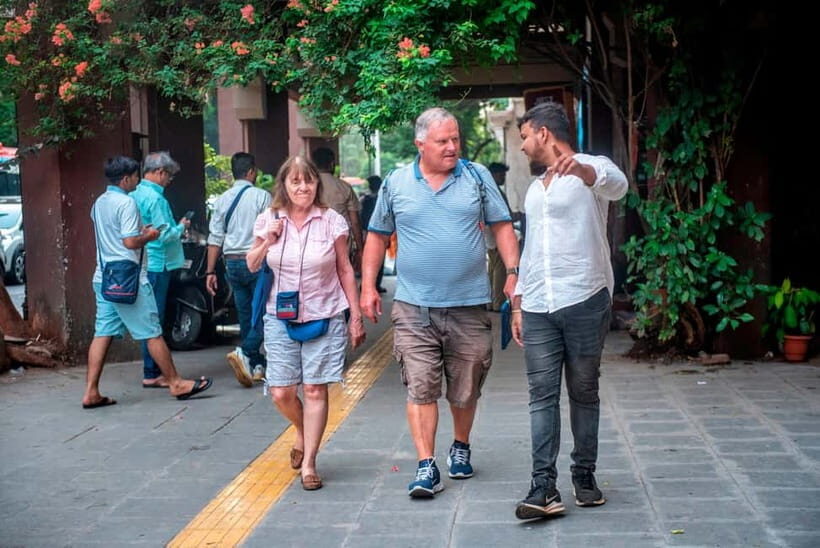
Next up is Horniman Circle Garden, built in 1860 and named after British editor Benjamin Horniman. The garden works like a breather. You step away from the heavy monuments and colonial facades for a moment, while the surrounding buildings keep the architectural theme going. The tour uses the park zone to show how planning and style weren’t only about big buildings—they also shaped public space.
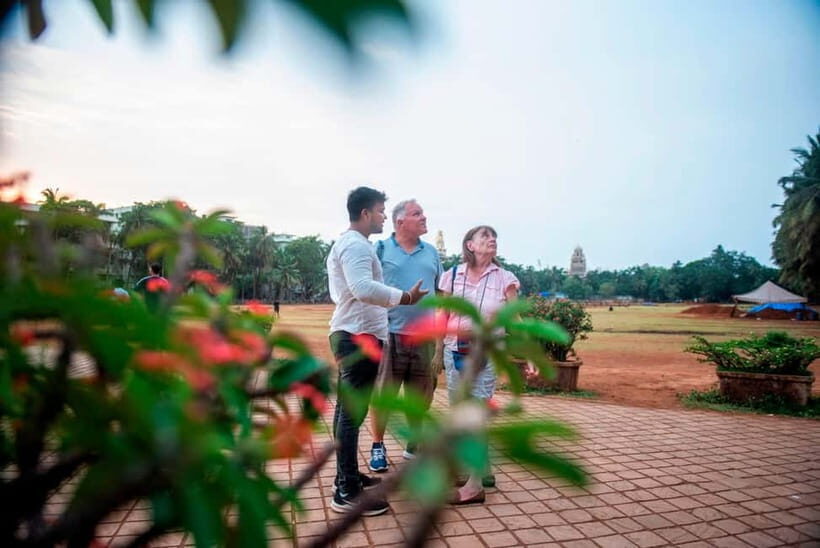
From there you reach Oval Maidan, the historic recreational ground. This is where the tour’s “Art Deco” angle becomes tangible. The area is flanked by Victorian Gothic buildings and Art Deco architecture, so you can compare design language in the same broader scene. Think shape, ornament, and the overall look of the facade rather than just color.
One of the best day-to-day surprises: on Sundays, the parks here can have serious cricket action. A guide may time the stop so you can spot matches and local energy while still keeping the architecture focus.
Tip for you: if you’re photo-inclined, this is a good area to take a breath and then shoot a few steady frames—sun angle and crowd movement matter here.
St. Thomas Cathedral and the High Court: Gothic Revival in daily use
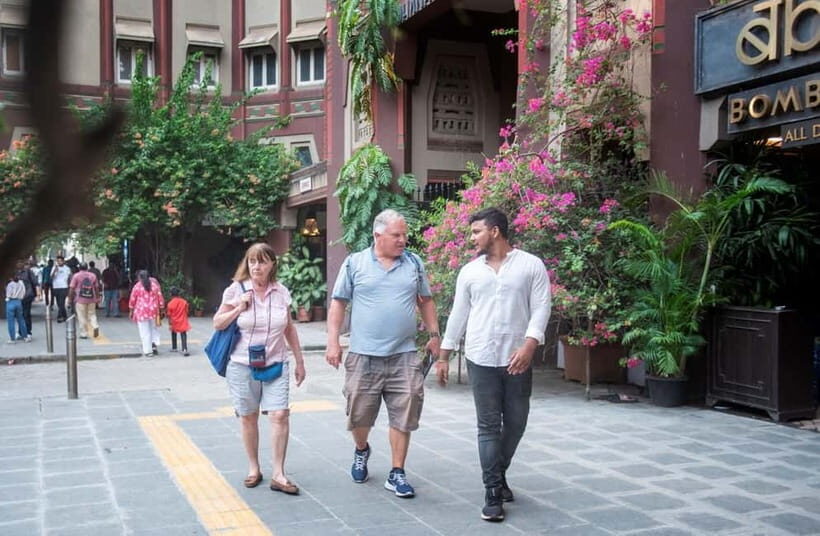
Stop four is St. Thomas Cathedral Mumbai, consecrated in 1718. It’s described as the city’s oldest Anglican church. This isn’t just a pretty facade stop. The point is continuity—this is a landmark that kept its function while the city around it changed.
Then you move to the legal heart of the walk: the High Court of Bombay. This is a Gothic Revival structure inaugurated in 1879. Gothic Revival architecture tends to feel dramatic, and the High Court’s role makes it feel even more important. The guide framing here is usually about why a style was chosen—because the building wasn’t meant to be quiet. It was meant to project authority.
After that, you’ll also see how Victorian-era design shows up as a city-wide language. You start noticing repeated patterns: vertical emphasis, stone detailing, and the way corners and arches create a sense of order.
The possible drawback at this stage is simple: it’s still short stops. If you’re hoping for a slow, room-by-room architecture appreciation session, this tour isn’t built for that. It’s built to point you at the right structures and then get you moving.
Rajabai Clock Tower and University skies: Sir George Gilbert Scott’s touch
The tour highlights Rajabai Clock Tower, completed in 1878, located at the University of Mumbai. The guide info here is useful: it was designed by Sir George Gilbert Scott and funded by Premchand Roychand. That combination—design credit plus local financial backing—helps you see the tower as a real project, not just a postcard.
Clock towers can feel like background scenery in many cities. Here, it’s worth paying attention because it anchors the whole “Gothic Revival” theme. Once you’ve stood near it, it’s easier to connect the dots to the High Court and other Gothic elements you saw earlier.
And because you’re on a timed walk, you’ll learn fast what matters: look for the tower’s silhouette, the way the Gothic styling translates into a clock-centered form, and how it visually lines up with the nearby institutional buildings.
If you want extra mileage after the tour, Rajabai is one of those anchors you can use when you’re planning your next walk. You’ll know what you’re looking for, even if you don’t know every architectural term.
You can also read our reviews of more historical tours in Mumbai






Kala Ghoda, Gateway of India, and the Taj Mahal Palace: empire landmarks in your line of sight
Now the tour shifts toward the big public icons.
You’ll stop at Kala Ghoda (Black Horse) Statue and the surrounding precinct. This area is known for art galleries, museums, and street art. The name ties back to the statue of King Edward VII, so even before you reach the Gateway of India, you’re already reading the colonial-era references hiding in the city’s everyday geography.
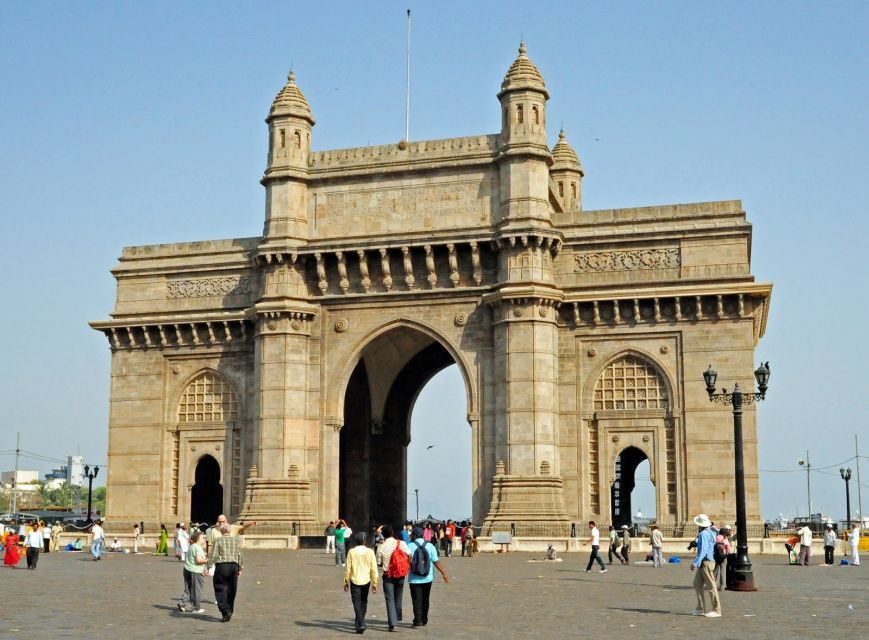
Then comes Gateway of India, an iconic arch monument built in 1924 to commemorate the visit of King George V and Queen Mary. It’s a dramatic monument, and it’s also a practical checkpoint. After you’ve walked through courts, churches, and towers, the Gateway feels like the city suddenly switched genres—toward spectacle and symbol.
The final featured stop is The Taj Mahal Palace, Mumbai, described as a luxury hotel built in 1903. Standing near it gives you the “how did Mumbai become this?” feeling—how quickly a port city can accumulate layers of wealth, influence, and architectural ambition.
One note from guide performance: some guides are happy to weave in short side stories, like lesser-known local stops such as Cat Chowk or stories about the so-called black magic house. These aren’t guaranteed stops, but they show the approach: not only monuments, but the character between them.
Is the $18.88 price fair, and who should book

At $18.88 per person for about 2 hours, this is one of those tours that’s mainly selling focus and guidance. And the value is better than it sounds on paper because the listed landmarks have free admission and you also get bottled water. That means you’re not paying again and again just to see the next building.
It’s also a good fit if you like architecture but don’t want to do the planning math yourself. The route is built so you can compare styles: Indo-Saracenic at the Post Office, neoclassical at the library, Gothic Revival at the High Court and clock tower, and then Art Deco influence around Oval Maidan. That gives you a mental map you can carry into the rest of your trip.
Who it suits best:
- First-timers who want a strong architectural orientation across central Mumbai
- People who enjoy short, guided “see it, understand it, move on” pacing
- Anyone who likes questions—guides named Abhi, Ravi, and Yash were praised for strong English and answering well
Who might not love it:
- If you want long interior visits, deep museum time, or slow photo sessions at every stop, this may feel rushed
- If your ideal tour is heavy on exact architectural analysis and you get a guide who doesn’t match your expectations, the experience can vary. One negative comment mentioned weak history and architecture delivery, so I’d suggest you speak up early if you want more detail
My bottom line: if you want a guided architecture primer with free entry stops and a sane pace, this is a good booking. If you already know you want hours inside buildings, you’ll likely need to pair it with other self-guided time.
FAQ

How long is the Victorian Gothic Heritage Quarter and Art Deco walking tour?
It runs for about 2 hours (approx.).
What does the tour cost?
The price is listed as $18.88 per person.
Where does the tour start and where does it end?
It starts at Regal Cinema, Apollo Bandar, Colaba, Mumbai, and ends near Churchgate Station (WRPG+3VW, Maharshi Karve Rd, Churchgate).
Are entrance tickets included for the stops?
The tour information says admission tickets for the listed stops are free, and bottled water is included.
Is a mobile ticket used?
Yes, the tour includes a mobile ticket.
What is the maximum group size?
The tour has a maximum of 15 people.
Can I cancel and get a full refund?
Yes. There is free cancellation, and you can cancel up to 24 hours in advance for a full refund.
If you want, tell me your travel dates and whether you care more about photos or architecture details, and I’ll suggest how to fit this walk into a smart half-day plan around Colaba and Churchgate.