REVIEW · MUMBAI
Full Day Mumbai Sightseeing Tour with Dharavi Slum
Book on Viator →Operated by Dream City Tours and Travels · Bookable on Viator
Mumbai runs on contrast. One day, you see both.
I like that this tour mixes Mumbai’s biggest landmarks with a visit to Dharavi, including both the commercial and residential sides. You also get a private guide and an air-conditioned ride, which matters in a city where heat and traffic can bully your plans.
Two things I really like: first, the sight lineup is efficient, covering major symbols like the Gateway of India and the Chhatrapati Shivaji Terminus area (the old Victoria Terminus name also shows up in Mumbai lore). Second, Dharavi is handled with context, not just a quick photo stop. One thing to consider: lunch isn’t included, and this is a long 7 to 8 hour day, so plan for walking and crowd-level energy, especially around temples and the slum visit.
In This Review
- Key highlights worth planning for
- A full-day circuit that connects Mumbai’s icons to everyday life
- Gateway of India to the CST area: start with scale and stop for photos
- Siddhivinayak Temple: where faith meets local atmosphere
- Haji Ali Mosque: Indo-Islamic design with a sea-facing setting
- Dharavi: commercial and residential life, not a simple label
- The rest of the Mumbai route: Marine Drive, courts, university, and Dhobi Ghat
- What the private guide actually changes
- Transport, timing, and comfort on a 7 to 8 hour day
- Price and value: is $100 per person fair for this mix?
- Should you book this Mumbai sightseeing and Dharavi tour?
- FAQ
- How long is the Full Day Mumbai Sightseeing Tour with Dharavi Slum?
- Is pickup offered for this tour?
- Is this tour private?
- What are some of the main places included?
- Are any admission tickets included?
- What is not included in the price?
- What does the tour include for comfort and convenience?
- Do I get an entry ticket on my phone?
- What physical fitness level do I need?
- Is free cancellation available?
- Who is the experience provider?
Key highlights worth planning for
- Dharavi visit with both residential and commercial areas (not just a drive-by)
- Iconic start points like Gateway of India and the CST/old Victoria Terminus zone
- Temple and mosque stops with admission included (Shri Siddhivinayak and Haji Ali)
- A full-circuit Mumbai route that also covers places like Marine Drive, Bombay High Court, Mumbai University, Mani Bhavan, and Dhobi Ghat
- A private guide in an air-conditioned vehicle with bottled water
A full-day circuit that connects Mumbai’s icons to everyday life
This is the kind of tour that works best when you want more than a highlight reel. In one day, you get Mumbai’s famous postcard landmarks, then you shift gears to a real working community in Dharavi, which is described as Asia’s biggest slum area. The idea is simple: understand the city as it exists, not as it gets marketed.
The timing runs about 7 to 8 hours, and travel time is already built in. That’s good news because Mumbai traffic can turn a good plan into a late-day stress fest. With pickup offered and an air-conditioned vehicle, you spend less of your energy stuck in transit.
One practical note: the tour includes bottled water, but it does not include lunch. Bring your own snack backup if you’re the type who gets cranky when the next meal is still a few stops away.
You can also read our reviews of more tours and experiences in Mumbai



Gateway of India to the CST area: start with scale and stop for photos
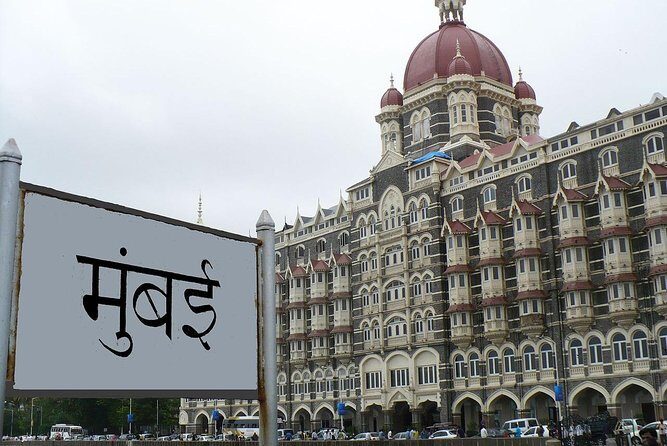
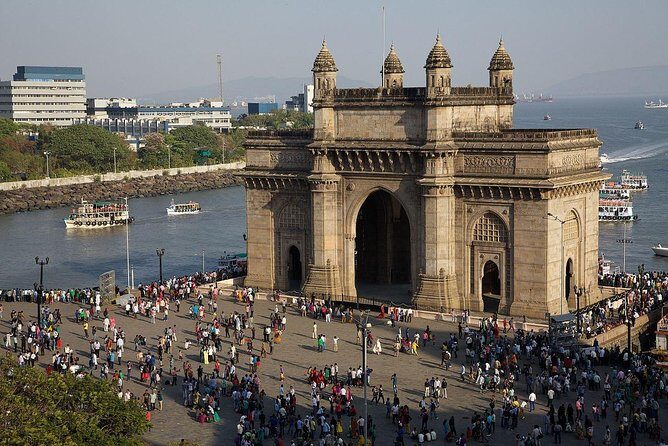
The day begins at Gateway of India, an arch monument set up to commemorate the landing of King George V and Queen Mary at Apollo Bunder. It’s free to enter, and the stop is short (about 15 minutes). That short timing is actually smart: you get the moment, you get the photos, and then you move before the area gets too hectic.
Next up is the Chhatrapati Shivaji Terminus area for around 30 minutes. This is a UNESCO-listed historic railway terminus, designed by British engineer Frederick William Stevens. If you’ve seen other grand station buildings around the world, this one has that same “architecture as identity” energy—except here you’ll also feel the working rhythm of rail life nearby.
What I’d do here: if you like photography, aim for angles that show the scale of the building rather than just close-up shots. The square and street sightlines can help you capture the terminus as a landmark, not a random wall.
Also, this tour is built to connect the “old grand Mumbai” feeling with “working Mumbai,” which is why CST fits so well at the start.
Siddhivinayak Temple: where faith meets local atmosphere
At Shri Siddhivinayak Ganapati Mandir, you’ll spend about 45 minutes, and admission is included. This is a Hindu temple dedicated to Ganesha (Prabhadevi neighborhood). Temples in India are not just attractions; they’re living spaces, and the experience is often about observing how people move, wait, pray, and speak softly in their own rhythm.
Because your time here is scheduled, you’re not stuck trying to figure out how long you need for queues or what area you’re allowed to enter. The guide helps keep you oriented, so you can focus on what you’re seeing rather than on logistics.
A practical tip: wear clothes that let you be comfortable while standing, and plan for modest behavior around sacred areas. If you like photography, keep your camera ready but be mindful—religious sites aren’t a free-for-all, even when the views are great.
This is one of the stops where you’ll feel the tour’s balance: it’s spiritual, but it’s also time-managed.
Haji Ali Mosque: Indo-Islamic design with a sea-facing setting
Next is Haji Ali Mosque (Haji Ali Dargah), about 30 minutes, with admission included. The dargah sits on an islet off the coast near Worli, and that makes it stand out visually even before you read anything about it.
The description points to its Indo-Islamic architectural style, which is a big part of why this stop matters. Mumbai is a city of overlays—British-era structures, Hindu religious spaces, and Islamic architecture all sharing the same urban canvas. This is one of the clearest examples in the itinerary.
What to expect: coastal wind, open sightlines, and a lot of people. If you’re sensitive to crowds, you may want to keep your expectations realistic and just treat this as a guided walk-through moment.
Also, because you’re on a full-day schedule, your guide will likely keep the pacing steady so you don’t lose time to the pull of wandering.
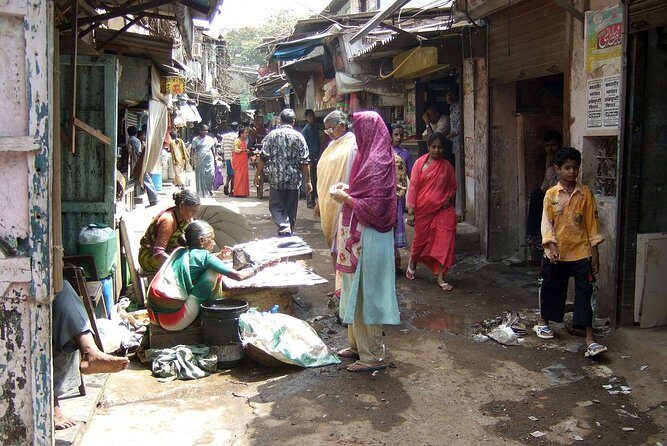
Dharavi: commercial and residential life, not a simple label
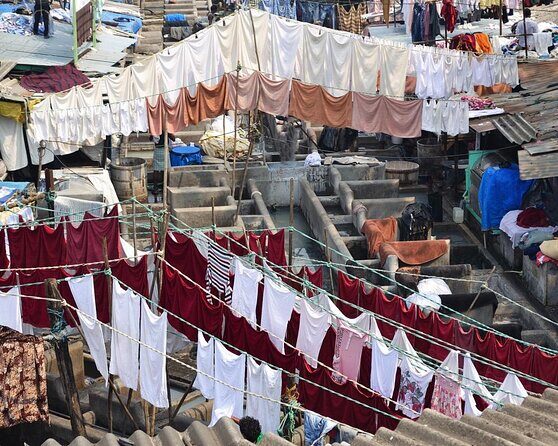
The heart of this day is Dharavi, with about 1 hour dedicated to the visit and admission included. The tour frames Dharavi as “the Heart and Financial Heart of Mumbai,” and it specifically notes visits to both the commercial and residential parts.
That wording isn’t just marketing. It matters because Dharavi is often reduced to one word in outside conversations. This tour pushes you to look past the label and understand how daily work, small businesses, and housing fit together. Even the best photo-based travel stories can miss that blend.
A key value of having a private guide here is interpretation. The guides mentioned by name in the available feedback include Viresh, who’s praised for detailed explanations and patience, and Shailendra, who some people credit with showing Dharavi as a large business world with lovely people rather than just a problem area. Another guide name that shows up is Suraj, connected to historical context and a sense of community understanding.
What I’d carry mentally: you’re not there to turn Dharavi into a checklist. Treat it as a place with people who work, live, and build livelihoods. Be respectful, keep your questions thoughtful, and let your guide set the pace.
One more thing: some versions of these Mumbai days include opportunities to try local street food, and the information provided here suggests that food moments can be part of the experience. If street food is offered during your day, make decisions based on what’s visibly fresh and handled with care.




The rest of the Mumbai route: Marine Drive, courts, university, and Dhobi Ghat
Between the major named stops, your day is designed as a circuit of famous Mumbai locations. The overview specifically calls out:
- Marine Drive
- Bombay High Court
- Mumbai University
- Mani Bhavan
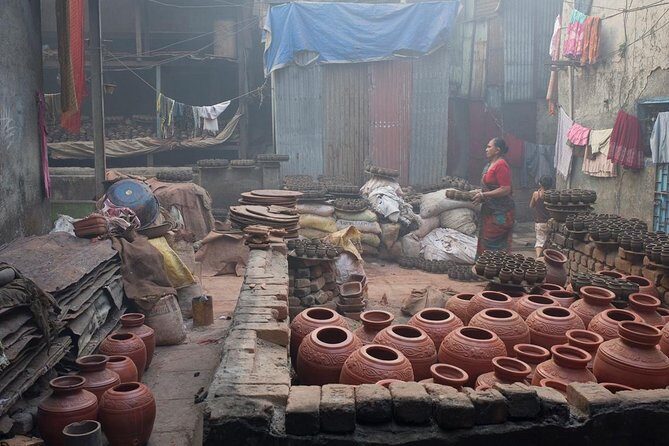
- Dhobi Ghat (described as the biggest washing laundry in the world)
Not every listed place will get a long sit-down time—this kind of route typically mixes quick looks, photo pauses, and guided context while you’re in the car. Still, those stops matter because they help you connect the dots between Mumbai’s different identities.
For example, Marine Drive is often where the city’s “movie soundtrack” feel shows up: long coastal views, skyline moments, and the classic Mumbai promenade vibe. Bombay High Court and Mumbai University help you see the institutional side of the city. Mani Bhavan adds a historical and political layer, while Dhobi Ghat gives you a working-world feel in the same day as Dharavi—two different neighborhoods, two different kinds of labor you can actually see.
What the private guide actually changes
A private guide is more than a comfort feature. It changes how you read what you’re seeing.
With a route like this, you need someone to:
- explain why the landmarks look the way they do
- keep your schedule from derailing in crowds
- set context so Dharavi isn’t treated like a spectacle
- point out the details worth noticing in short stop windows
The guide names that appear in the available feedback—especially Viresh, Shailendra, and Suraj—are repeatedly connected to patience and explanation. That’s what you want for a day that has both high-impact landmarks and a sensitive community visit.
Also, because this tour is described as private, it’s only your group participating. That usually means fewer interruptions, less crowd juggling, and more time for your guide to adjust on the fly if your group has questions.
Transport, timing, and comfort on a 7 to 8 hour day
Let’s talk about the practical side, because Mumbai days can feel longer than they are.
You’ll ride in an air-conditioned vehicle, and you get bottled water. That’s a simple inclusion, but it helps your energy stay consistent, especially if you’re visiting multiple outdoor areas like Gateway of India and Haji Ali.
There’s also a note that the tour is near public transportation and that you should have moderate physical fitness. Translation: you should be comfortable with walking at multiple stops and handling crowd levels.
What to bring
- comfortable walking shoes
- a light layer (indoors/transport can feel cool, outdoors can feel hot)
- a snack plan since lunch isn’t included
- a respectful attitude for temple and dargah spaces
If you’re the kind of person who gets restless waiting, this tour’s structure helps. The stop durations keep you moving, but not so fast that you can’t absorb what matters.
Price and value: is $100 per person fair for this mix?
At $100 per person, this tour isn’t priced like a bare-bones city bus loop. It’s priced like a day with real guiding time and a long-distance route.
Here’s where the value comes from based on what’s included:
- Private guide
- Air-conditioned vehicle
- Bottled water
- Admission included for Shri Siddhivinayak, Haji Ali, and Dharavi
- Gateway of India has free entry
And here’s the catch:
- Lunch isn’t included, so you’ll need to budget for that separately
- The day is long, so if you’re very sensitive to walking, the schedule may feel heavy
For me, this is good value if you want a structured day that ties together Mumbai’s major landmarks with a guided Dharavi visit. If you only want one of those pieces, you’d probably get better value with a shorter, more focused tour.
Should you book this Mumbai sightseeing and Dharavi tour?
I’d book it if you want a full-day format that mixes icons with real-life Mumbai, and you care about having a guide who can explain what you’re seeing—especially during the Dharavi stop. The fact that the itinerary includes both commercial and residential Dharavi sides is a big deal. It turns the day from a headline visit into a guided understanding.
I’d think twice if you hate long days or you’re relying on meals being included. Bring a snack backup, wear comfortable shoes, and accept that this is a packed schedule with sacred sites and busy public areas.
If you want Mumbai in one day, with context and pacing, this is a strong choice.
FAQ
How long is the Full Day Mumbai Sightseeing Tour with Dharavi Slum?
The tour runs about 7 to 8 hours.
Is pickup offered for this tour?
Yes, pickup is offered.
Is this tour private?
Yes. It’s private, and only your group participates.
What are some of the main places included?
You’ll visit Gateway of India, the Chhatrapati Shivaji Terminus area, Shri Siddhivinayak, Haji Ali Mosque, and Dharavi. The route also includes key sights such as Marine Drive, Bombay High Court, Mumbai University, Mani Bhavan, and Dhobi Ghat.
Are any admission tickets included?
Admission is free for Gateway of India. Admission is included for Shri Siddhivinayak, Haji Ali Mosque, and Dharavi.
What is not included in the price?
Lunch is not included.
What does the tour include for comfort and convenience?
It includes an air-conditioned vehicle, bottled water, and a private guide.
Do I get an entry ticket on my phone?
Yes, a mobile ticket is included.
What physical fitness level do I need?
You should have a moderate physical fitness level.
Is free cancellation available?
Yes. You can cancel up to 24 hours in advance for a full refund.
Who is the experience provider?
The provider is Dream City Tours and Travels.