REVIEW · MUMBAI
Walking Tour of Dharavi Slum in Mumbai
Book on Viator →Operated by Amaze Mumbai Tour · Bookable on Viator
Forget postcard Mumbai. This walking tour of Dharavi shows a working neighborhood up close, led by local people and shaped for small groups. What I like most is the local guide factor: they help you read what you’re seeing without turning it into a scare-fest.
It’s also sized right for a real walk—max 15 travelers—so you can ask questions and keep a steady pace through tight streets. One possible drawback: photography is not allowed in certain locations, and you’ll want to follow the guide’s rules for privacy, plus dress appropriately (no very short clothes).
In This Review
- Key Things That Make This Tour Worth Your Time
- Dharavi Isn’t One Thing: It’s a Full Neighborhood at Work
- Where You Start in Mahim and How the Walk Flows
- Price and Value: Getting a Local Guide for $12
- Stop 1: The Dharavi Streets Tour That Changes How You Think
- Stop 2: Dharavi Leather and Why This Industry Dominates
- Stop 3: Pottery-Making and the Logic of Small Workshops
- The “Local Insight” Factor: How Guides Keep It Grounded
- What You’re Actually Seeing Beyond Leather and Pottery
- Photography Rules and Dress Code: Keep It Respectful
- Safety, Comfort, and the Pace Through Tight Streets
- Who Should Book This Dharavi Walk (and Who Might Skip It)
- Should You Book This Tour?
- FAQ
- Where do I meet the guide, and where does the tour end?
- How long is the Dharavi walking tour?
- What industries or areas will we see during the walk?
- Is food or drinks included?
- Can I take photos during the tour?
- Is the tour okay for kids and what fitness level do I need?
Key Things That Make This Tour Worth Your Time
- Local-guided perspective that challenges the idea that Dharavi is only poverty, by focusing on work and daily life.
- Small group size (up to 15), which helps you stay together and actually hear the commentary.
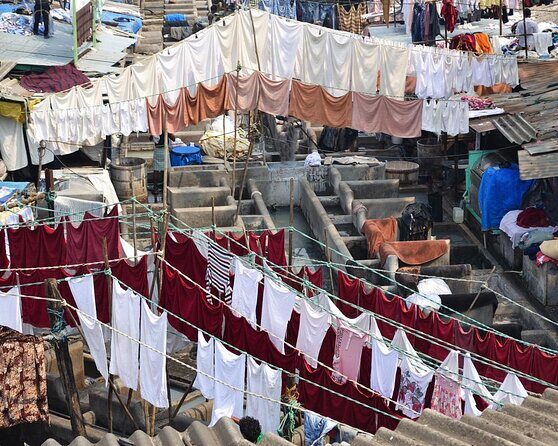
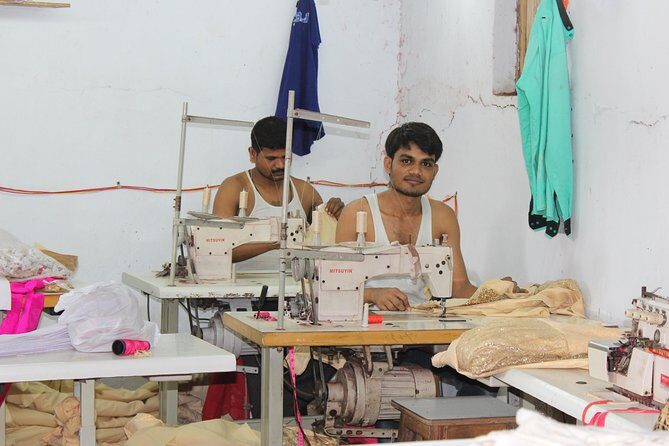
- Hands-on industry views like recycling, pottery-making, embroidery, soap-making, and leather tanning—all in cramped spaces.
- Leather and pottery stops highlight the two big trades that shape the area’s economy.
- A community geography lesson as you pass temples, mosques, and churches side by side.
- Rules you’ll feel in real time, including no photos at certain spots and respect for residents’ privacy.
Dharavi Isn’t One Thing: It’s a Full Neighborhood at Work
Dharavi is often described with one word: slum. On this walk, that label feels too small. With a population close to one million, Dharavi is actually a dense patchwork of homes, workshops, and neighbors.
The tour’s core idea is simple: watch what people do, see how industries run in limited space, and notice community life around it all. You’re not just looking at buildings. You’re learning how a place functions—through small-scale manufacturing and the everyday routines that keep it moving.
You can also read our reviews of more walking tours in Mumbai


Where You Start in Mahim and How the Walk Flows
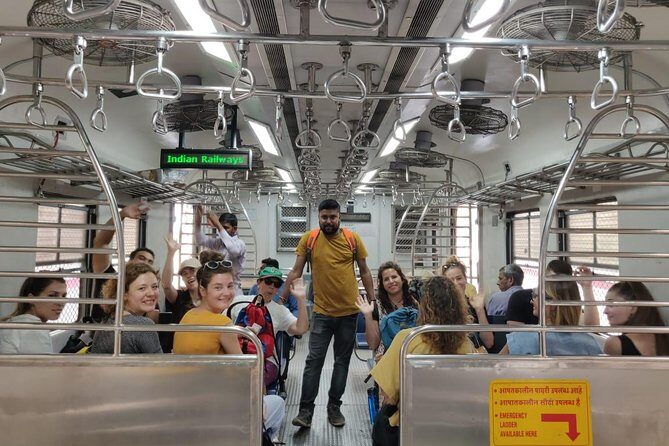
You’ll meet your guide in the Mahim (West) area, near a Cafe Coffee Day, with the stated meeting point listed at Third Wave Coffee on Tip Road (Senapati Bapat Marg). No hotel pickup here—so plan on reaching the start point on your own.
The tour ends opposite Sai Multispeciality Hospital & Research Centre in Dharavi (behind Sion Hospital area), so your afternoon plans should account for ending there rather than back at the station. The whole experience runs about 1 hour 30 minutes to 2 hours, depending on how the group moves and what your guide points out.
Price and Value: Getting a Local Guide for $12
At $12 per person, the math is pretty straightforward: you’re paying mainly for a local guide and their time. Food and drinks are not included, and there’s no pickup/drop-off, so factor in whatever you’ll need to get to and from the meeting area.
That said, it’s still strong value because the tour covers more than one “photo spot.” You’ll get guided context while walking through areas tied to major trades—especially leather and pottery—plus glimpses of other small industries like recycling, soap-making, and embroidery. For many people, that combination is what makes the price feel fair rather than symbolic.
Also worth noting: this is the kind of tour that people book ahead (on average about 33 days out). If you’re traveling during peak season or want a specific day, booking early helps you avoid last-minute gaps.
Stop 1: The Dharavi Streets Tour That Changes How You Think
The first part is your orientation phase—walking through Dharavi with a guide who’s there to help you see patterns, not just sights. You start by heading into the area to understand life in India beyond stereotypes, then you watch industry and community happen side by side.
You’ll notice how people from different parts of India live together here, and that diversity becomes visible through the everyday religious landmarks you pass—temples, mosques, and churches. That’s a big part of why this feels different from a basic “slum tour.” The walking route turns into a kind of map of coexistence.
You may also move through areas where you can see small manufacturing techniques being used in very confined spaces. The guide’s commentary matters because it puts the scenes into context—why something is done there, who it supports, and how it fits into the neighborhood.
Stop 2: Dharavi Leather and Why This Industry Dominates
Leather is one of the big engines of Dharavi. This stop is built around that reality: you’ll spend around 10 minutes at a leather-related area to see the trade at work.
It helps to go in with the right expectation. This isn’t a museum display. It’s an active industry, and you’re there to understand it as part of the local economy. The guide’s job is to connect what you see—work processes, the role of the trade, and its importance to livelihoods—to the broader story of the neighborhood.
One practical note: because it’s a real working setting, the guide will likely keep you moving and focused on the agreed viewing areas. You’ll want to follow directions quickly, especially in tighter spots.




Stop 3: Pottery-Making and the Logic of Small Workshops
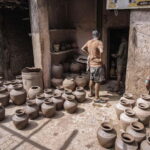
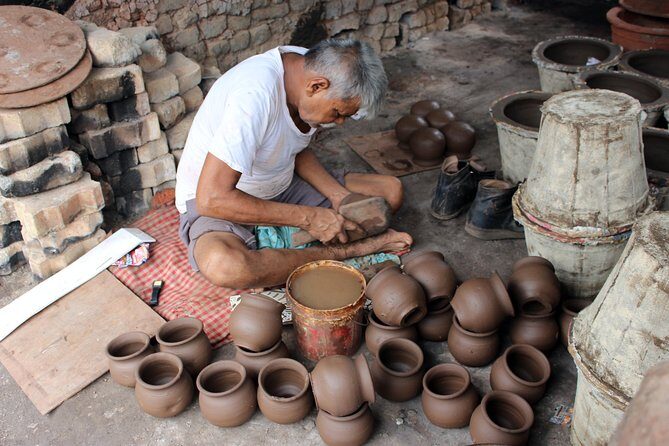
Next up is pottery—another key craft that shows how production happens at neighborhood scale. This section is also about 10 minutes, designed as a focused look rather than a long workshop visit.
Pottery here is a good contrast to leather. Both are industrial in the sense that they supply goods, but they reflect different kinds of tools, hands-on steps, and space planning. Watching both trades in the same general area helps you understand why Dharavi is known for small industries rather than one huge factory system.
If you pay attention, you’ll start seeing how the physical constraints of the neighborhood shape the way work gets done. You’re not just learning what’s made—you’re learning how the neighborhood’s layout influences the process.
The “Local Insight” Factor: How Guides Keep It Grounded
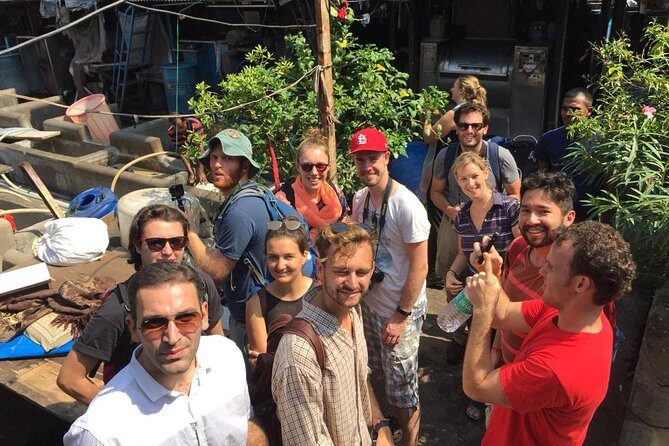
The tour leans hard on the guide. You’re walking with a local guide, and the best guides treat the job like translation—turning confusing scenes into clear meaning.
Some guides are known to be deeply embedded in Dharavi themselves. For example, names like Mr. Ganesh and Mr. Alam show up as guides who brought strong English and a positive, grounded view of Dharavi as a real place, not a headline. Another guide name you may hear is Dawood, who helped people feel safe and informed.
You’ll also feel the difference in how questions are handled. A good guide makes it easier to ask about day-to-day life, explain stereotypes, and point out what you might miss on your own—like the way small industries fit into community life.
What You’re Actually Seeing Beyond Leather and Pottery
Even though leather and pottery are the highlighted stops, you’re not limited to only those. The walk is built around a broader picture of small-scale industry.
Expect to hear about and possibly see work connected to:
recycling, pottery-making, embroidery, soap-making, and leather tanning
Many of these processes use inventive methods in crowded conditions, so the point is less about spectacle and more about real-world problem-solving.
One more thing the walk helps you notice: Dharavi’s mix of residents and businesses. It’s not “one community” in a simple sense. It’s a layered neighborhood where work, faith, and home life overlap.
Photography Rules and Dress Code: Keep It Respectful
This is where your tour becomes more “community-aware” than touristy. Photography is not allowed on this tour at certain locations, and the guide will ask you to respect those boundaries for privacy.
Treat that as a feature, not a hassle. If you want to take pictures at every stop, you might end up frustrated. If you can handle a phone put away when directed, you’ll likely have a calmer experience—and residents may feel more comfortable with visitors.
Dress matters too. The guidance is straightforward: dress appropriately and avoid very short clothes. It’s not about fashion. It’s about blending in and showing basic respect while you walk through people’s daily spaces.
Safety, Comfort, and the Pace Through Tight Streets
The tour is described as a walking experience with a moderate physical fitness level. That usually means you should expect uneven, crowded walking—so comfy shoes are non-negotiable.
Also, you’ll want to keep your expectations realistic about time. You’re out for roughly 1.5 to 2 hours, and there’s no food stop included. If you get hungry easily, you’ll want to eat before you meet the guide.
One practical tip that comes up in people’s experiences: bring water with you. In at least one guided walk, bottled water was available during the tour, but you shouldn’t count on that as your plan.
Who Should Book This Dharavi Walk (and Who Might Skip It)
This tour is best for you if you like real daily life over staged attractions. If you care about how cities work—through labor, community, and small businesses—this walk will make you rethink Dharavi in a smarter way.
It’s also a good choice for families who can manage a longer walk. The minimum age is 5 years, and children must be accompanied by an adult.
You might want to skip or adjust expectations if:
- You want a fully photographic experience (because photo rules can limit you)
- You dislike walking through dense neighborhoods for an hour or two
- You need a tour with included meals or pickup
Should You Book This Tour?
Yes, if you want to see Dharavi as a place where industries and community run on everyday effort. The value is strong: a local guide for about $12, focused on how leather, pottery, recycling, and other trades function where space is tight.
Book it if you can follow respect rules, keep your phone away when asked, and come prepared for a real neighborhood walk. If that sounds like your kind of travel—curious, respectful, and ready to look past stereotypes—this is one of the most meaningful things you can do in Mumbai.
FAQ
Where do I meet the guide, and where does the tour end?
You meet near Mahim Station (West) outside Cafe Coffee Day, with the listed start point at Third Wave Coffee on Tip Road in Mahim. The tour ends opposite Sai Multispeciality Hospital & Research Centre in Dharavi.
How long is the Dharavi walking tour?
Plan for about 1 hour 30 minutes to 2 hours total, depending on how the group moves and what your guide points out.
What industries or areas will we see during the walk?
You’ll get a guided look at life and small-scale work in Dharavi, including leather and pottery-making, and the tour also references other activities like recycling, embroidery, soap-making, and leather tanning.
Is food or drinks included?
No. Food and drinks are not included, so eat beforehand and consider bringing water.
Can I take photos during the tour?
Photography is not allowed on this tour at certain locations. Follow your guide’s instructions about where you can and can’t take pictures.
Is the tour okay for kids and what fitness level do I need?
Children must be accompanied by an adult, and the minimum age is 5 years. The tour lists a moderate physical fitness level, so wear comfortable shoes and be ready for a walking route through busy areas.