Mumbai’s past talks back on every corner. This private walk strings together colonial Bombay and modern Mumbai with stories you won’t hear on a typical checklist tour. You start at the Gateway of India, then work your way through landmark streets, older neighborhoods, and quieter moments built for photos.
I really like two things about this experience. First, it’s private with flexible timing, so the pacing can match what you care about most. Second, the food-and-sight stops are practical and memorable, including chai at a local café and time in markets where everyday life still shapes the city.
One possible drawback: the quality depends heavily on the guide and the day’s timing. If you’re very schedule-tight, I’d build in buffer, because you’re walking for hours and waiting for late starts would ruin your flow. Also, if you expect a nonstop “talk the whole time” style, you’ll want to ask for more emphasis on storytelling early.
In This Review
- Key points that make this walk worth your time
- Gateway of India: The colonial story begins, then changes speed
- Taj Mahal Palace to Colaba Causeway: Learn to read architecture
- Taj Mahal Palace Hotel
- Royal Bombay Yacht Club
- Colaba Causeway
- Old bazaars and a secret Parsi café: Food stops that actually teach
- What to expect during the café stop
- Courtyards and colonial corners: The architecture clues most tours miss
- Spice markets and step wells: The older Mumbai under the street noise
- Ferry time and optional Elephanta planning: What to know before you go
- Marine Drive finish: A calmer ending with photo potential
- Price and logistics: Is $10 really good value?
- Who should book this heritage walk (and who might not love it)
- When you might hesitate
- A quick reality check on guide quality and pacing
- Should you book Stories of Mumbai: Heritage Walk with Hidden Tales?
- FAQ
- How long is the heritage walk?
- Where does the tour start and end?
- How much does it cost?
- Is it a private tour?
- What language is the guide?
- What’s included in the tour price?
- What’s not included?
- What should I bring?
Key points that make this walk worth your time
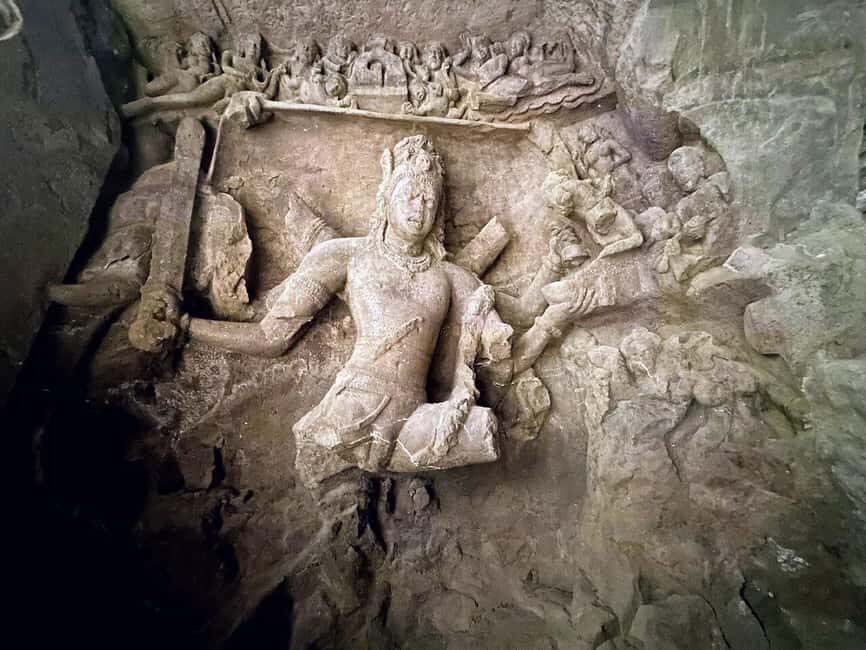
- Gateway of India start: the colonial-to-independence shift in one strong opening
- Colonial landmarks on foot: Taj Mahal Palace Hotel, Royal Bombay Yacht Club, and Colaba Causeway
- Bazaars plus a Parsi café: small stops where the city’s culture is lived, not staged
- Courtyards you don’t usually see: architecture details that change how you look at Mumbai
- Spice markets and step wells: older infrastructure you can still spot
- Marine Drive finish: a calmer photo pause with a sense of scale
Gateway of India: The colonial story begins, then changes speed
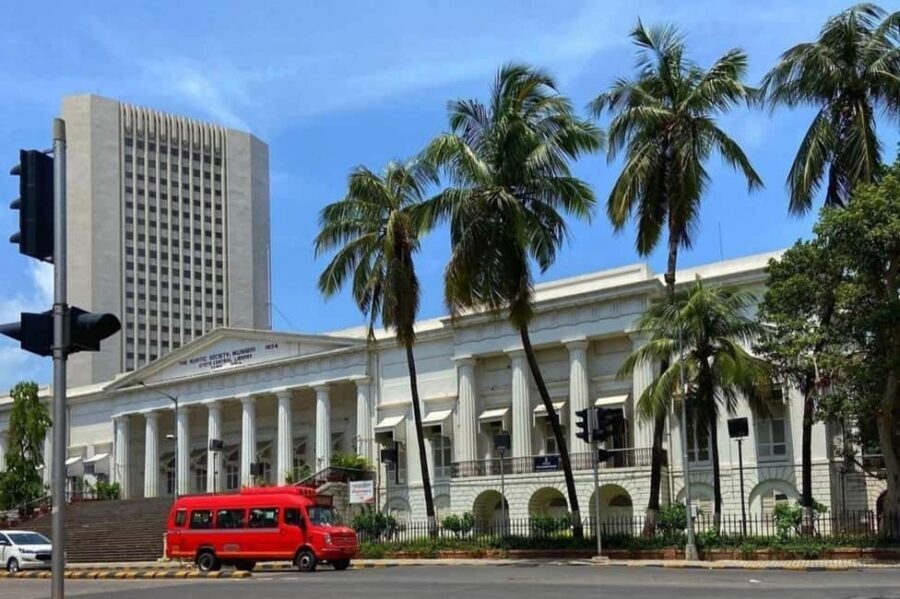
Most city walks start at a famous place and stay there. This one uses the Gateway of India as a real turning point. You begin where British-era arrival became British departure, and that shift sets the tone for everything that follows.
From there, you’ll be walking in Colaba’s orbit, where big-name buildings sit next to older street patterns. The trick here is not just seeing the structures, but hearing how the guide connects them to trade, power, and people. That connection is what makes the time feel worth it, even when you’re just moving sidewalk to sidewalk.
I also like that the tour is set up for a 2.5 to 6 hour window. Mumbai is weather-dependent and traffic-dependent, so having room to adjust helps you avoid that classic “we only have 45 minutes left” feeling.
You can also read our reviews of more walking tours in Mumbai



Taj Mahal Palace to Colaba Causeway: Learn to read architecture
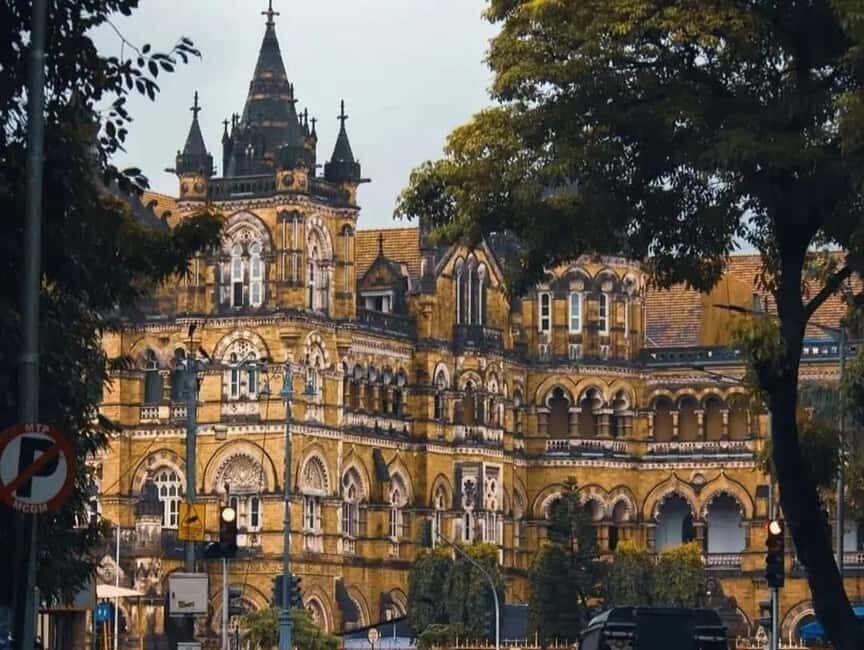
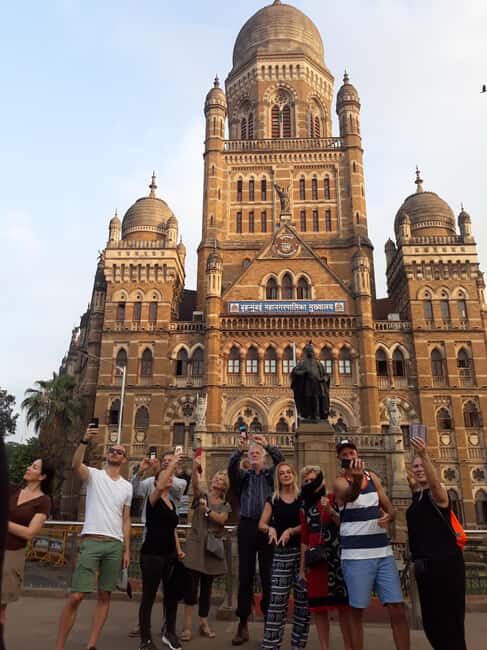
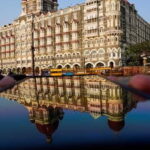
This walk puts you close to some of Mumbai’s most recognizable colonial-era landmarks. You’ll pass the Taj Mahal Palace Hotel, the Royal Bombay Yacht Club, and the stretch around Colaba Causeway.
Here’s the value: these aren’t treated as photo backdrops. You get context for why merchant wealth, British administration, and local resistance shaped the streets you’re standing on. Even if you’re not a hardcore architecture person, the guide’s framing makes buildings feel like documents.
Taj Mahal Palace Hotel
The Taj Mahal Palace is the kind of place that can feel overly polished from the outside. With a storytelling approach, it becomes more interesting because you’re thinking about what it signaled at the time and how Mumbai’s identity kept evolving around it.
Royal Bombay Yacht Club
This stop adds contrast. It hints at the city’s old connections to maritime life and the social world tied to it. You’ll also start spotting how “private” spaces sit next to public streets in Mumbai, which is a big theme in colonial city planning.
Colaba Causeway
This is where walking becomes more than sightseeing. The guide’s narrative helps you understand how commerce and daily life overlap, so you’re not just navigating foot traffic. You’re reading the neighborhood as a living system.
You can also read our reviews of more historical tours in Mumbai






Old bazaars and a secret Parsi café: Food stops that actually teach
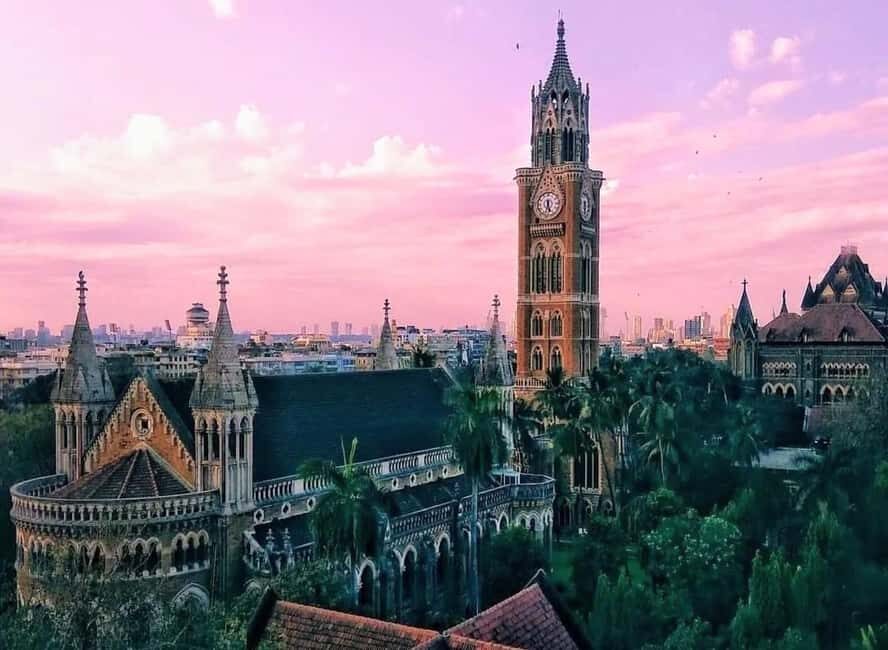
One of the best parts of this experience is how it handles food and market culture. You’ll visit old bazaars, and you’ll also make time for a secret Parsi café (with chai included).
That might sound like a tiny detail, but it’s a smart design choice. Markets are where you see how a city works at ground level, and a chai stop gives you a break without pulling you out of the story. You’re not “escaping” to lunch; you’re using the café as a cultural pause.
The Parsi angle matters too. Parsi communities have left visible marks in Mumbai’s food culture and social spaces, and the guide’s storytelling is what ties that to the surrounding streets. If you’re a photographer, this is also the part where you can get close to real scenes rather than just monuments.
What to expect during the café stop
You’ll get chai at a local café and bottled water is included. This means you can stay focused on the walk instead of spending energy figuring out where to get drinks.
Courtyards and colonial corners: The architecture clues most tours miss
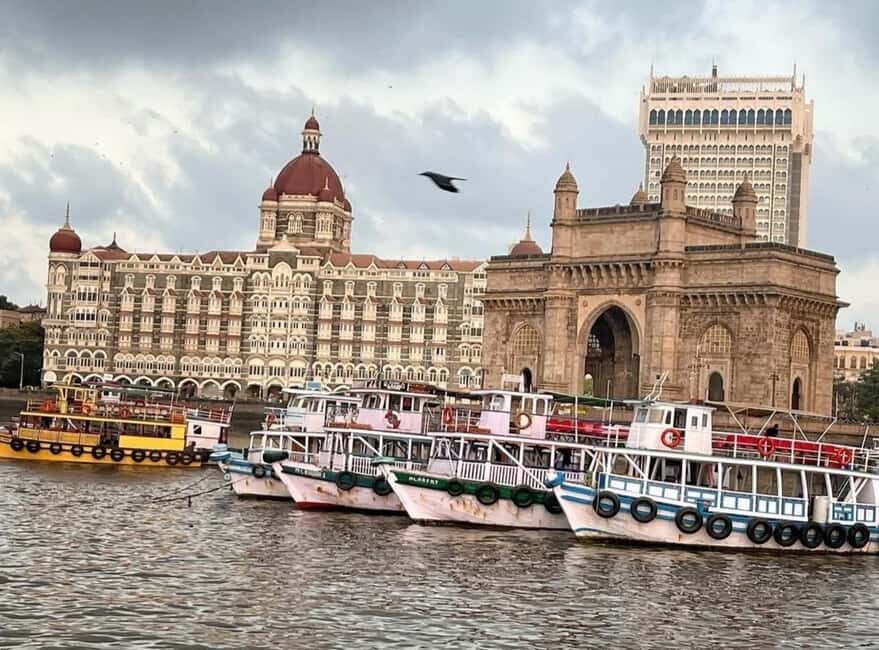
You’re not only walking past famous façades. The experience is designed to include colonial courtyards and hidden spots that don’t typically show up on standard city loops.
Courtyards are useful because they teach you something. Mumbai’s built environment often hides its oldest logic behind modern street walls. When you get time in courtyards, you can notice how light, ventilation, and community space were planned—and how those choices still influence what people feel in these places today.
This is also where the guide’s skill matters. A guide who knows how to explain details will point out what you’d otherwise walk past. A rushed guide will just move you along. Either way, you’ll still see the difference in spaces, but you’ll feel it more when the narration is strong.
Practical tip: keep your camera ready but don’t block the flow. Courtyards can be tight, and you’ll want to respect the space and the people there.
Spice markets and step wells: The older Mumbai under the street noise
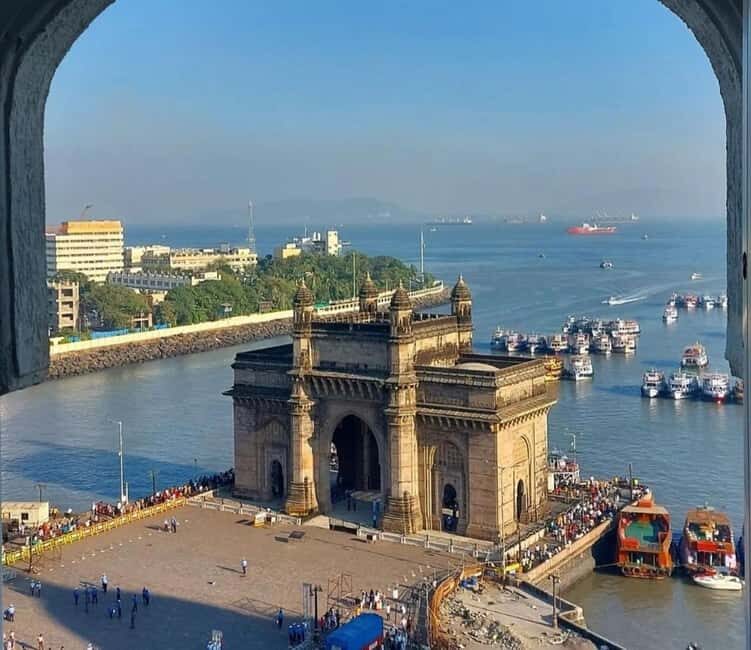
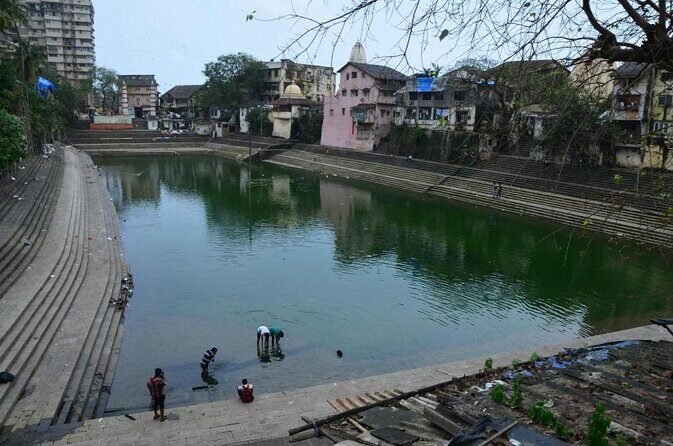
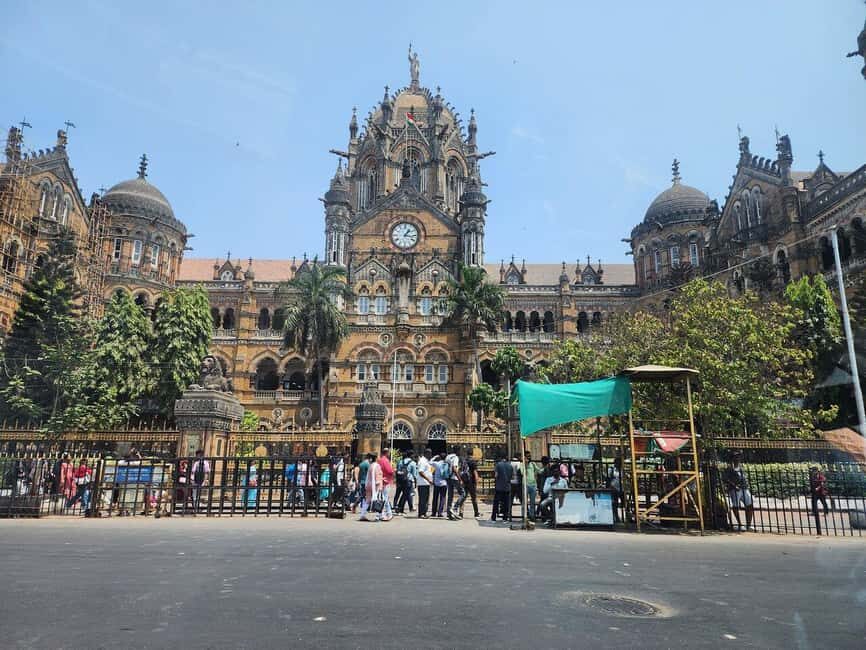
Mumbai is famous for its present-day energy, but you’ll spend time looking at older layers. The plan includes spice markets and ancient step wells.
Why this matters: step wells are not “just interesting.” They’re infrastructure. They show how people handled water before modern systems fully took over. When you stand near one, the city stops being only a skyline and becomes a place with engineering and everyday needs.
Spice markets add a different kind of historical proof. Even when the goods change over the years, market areas keep the memory of trade patterns. You’ll likely notice how stalls, pathways, and commerce rhythms still shape movement in the neighborhood.
If you’re into culture photography, this segment is where you can capture textures: signs, hands, movement, and the small visual grammar of trade.
Ferry time and optional Elephanta planning: What to know before you go
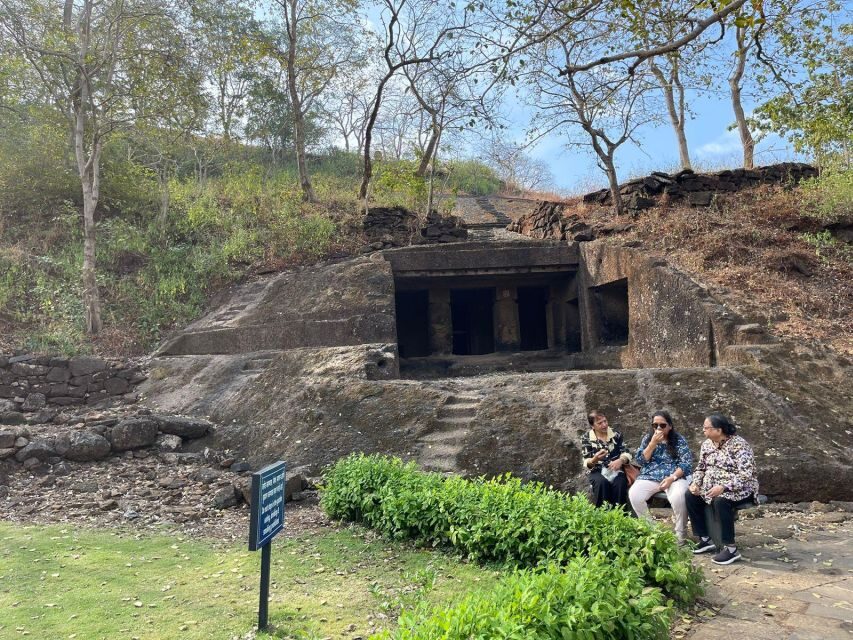
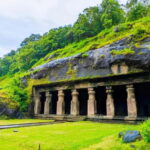
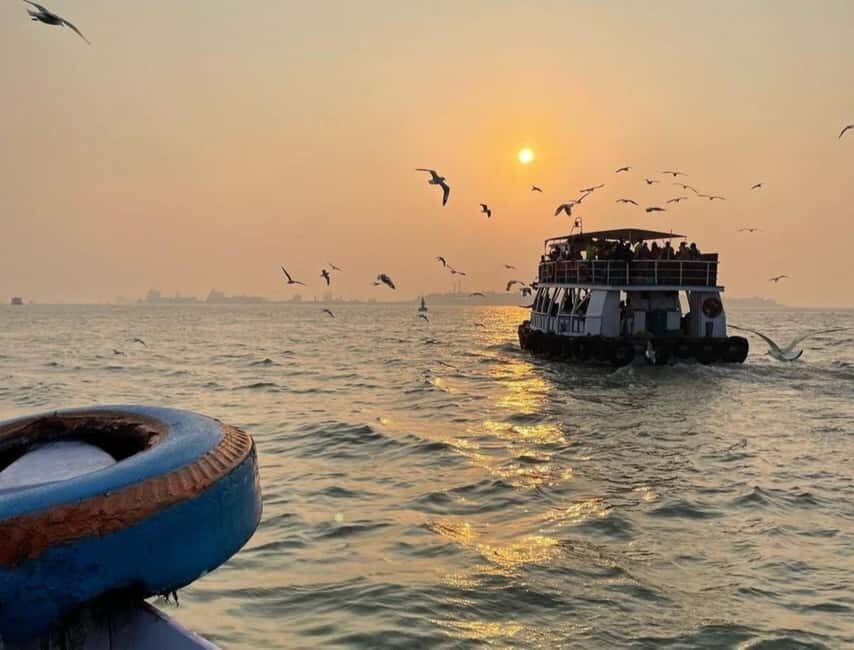
This experience includes a ferry. The tour also notes that Elephanta caves entrance is not included, which strongly suggests some options may connect your walk to ferry territory linked with Elephanta.
Here’s how to handle it without stress: when you book, check what your specific option includes. The “skip the ticket line” note is helpful if your itinerary involves ticketed entry for places like the caves, but entrance fees themselves are listed as not included.
I’d also treat the ferry as part of the pacing equation. It can add time and weather variability. If you’re prone to motion sensitivity, this is the moment to plan for it.
Bottom line: you’re getting a ferry component as part of the overall experience, and you’ll want to confirm whether your version of the day is strictly walk-and-talk around Colaba, or if it expands toward Elephanta.
Marine Drive finish: A calmer ending with photo potential
The tour concludes at Marine Drive, with a quiet moment that gives you space to reflect on how Mumbai grew from a cluster of fishing villages into a financial capital.
Marine Drive is ideal for this kind of ending because the atmosphere softens. Even if you’ve been on your feet for hours, you get a slower beat at the end—useful for regrouping, taking photos, and letting the stories land.
If your goal is to leave with a stronger “mental map” of Mumbai, this finish helps. You stop thinking only about buildings and start thinking about transformation: waterfront life, commerce, and modern identity all feeding into one long arc.
Price and logistics: Is $10 really good value?
At $10 per person, the price looks almost too low—until you break down what’s included. You get a professional English-speaking guide, private pickup and drop-off, bottled water, local taxes, chai at a local café, and a ferry.
That’s the core value: not just narration, but transportation support and food/time included in the experience. In a city where getting from place to place takes effort, pickup/drop-off can be a big part of what you’re actually paying for.
The duration also matters. A 2.5 to 6 hour window gives the guide room to pace stops properly, especially around markets and courtyards where timing can be unpredictable. The only caution is that flexible timing depends on real-world factors, so if you have an exact appointment later that same day, give yourself extra margin.
Also note the meeting point may vary by option. This is normal for private experiences, but it’s worth confirming so you don’t lose time hunting.
Who should book this heritage walk (and who might not love it)
You’ll likely enjoy this most if you care about history, architecture details, photography, and culture through everyday places. The guide approach is designed to connect big landmarks with street-level life, which fits people who like their travel stories explained, not just named.
It’s also a strong fit for a private group when you want flexibility. If you’re traveling as a pair or small group and want the route adjusted to your interests—more architecture, more markets, more photo time—this format has an advantage.
When you might hesitate
If you hate walking in uneven sidewalks, this tour can be tiring. Comfortable shoes aren’t optional. And if you only want the most famous sites with minimal time in markets and courtyards, you may feel like you’re spending too long in the in-between spaces.
A quick reality check on guide quality and pacing
The biggest “make or break” factor in this type of story walk is how the guide handles time and narration. In the best version of this experience, you’ll meet a guide like Nisar, described as friendly and packed with interesting facts and stories, plus good recommendations. That kind of guide can turn a two-hour stretch into something that feels like you just got an insider’s city lesson.
But there’s also a clear warning sign: when a guide is delayed or rushed, the walk can lose the storytelling element and skip the quieter courtyard-style stops that make the experience feel special. If you’re booking, I’d treat the tour as a walking plan first, and check your day for flexibility.
Should you book Stories of Mumbai: Heritage Walk with Hidden Tales?
I’d book it if you want Mumbai with context—colonial-era landmarks connected to markets, courtyards, and water history—plus a break built into the day with chai. At $10, the value is hard to ignore, especially since private pickup/drop-off and a ferry are included.
I’d think twice if your schedule is tight, you can’t handle long walks, or you want only the most iconic sights with no wandering into older neighborhood corners. This walk rewards curiosity, not just checklists.
If you’re the type who loves learning how cities change over time, this one has a good chance of becoming your best “story” day in Mumbai.
FAQ
How long is the heritage walk?
The duration is listed as 2.5 to 6 hours, depending on the option and availability.
Where does the tour start and end?
It starts at the Gateway of India and concludes at Marine Drive.
How much does it cost?
The price is $10 per person.
Is it a private tour?
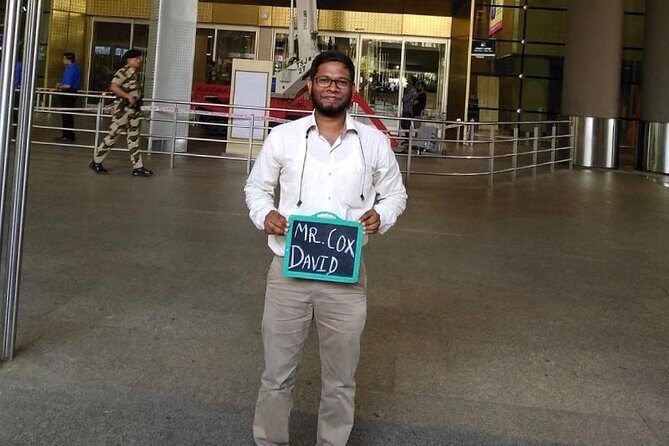
Yes. A private group is available, and the tour includes private pickup and drop-off.
What language is the guide?
The live tour guide speaks English.
What’s included in the tour price?
Included items are a professional English-speaking guide, private pickup and drop-off, local taxes, bottled water, chai at a local café, and a ferry.
What’s not included?
Not included are meals other than chai and the Elephanta caves entrance.
What should I bring?
Wear comfortable shoes for walking, be ready for changing weather, and bring a camera for photos.