Dawn in Mumbai hits harder than you expect. This Mumbai by Dawn walk pulls you into the city’s early trade, starting with fresh-catch auctions at Sassoon Dock and rolling onward through places most people never see. What I like most is the real rhythm of wholesale markets and the chance to understand India’s food culture from the source, not from a restaurant script.
One thing to consider: you’ll be out early, in close quarters, and the fish-market area can bring strong smells and tight walking space.
In This Review
- Key highlights you should know before you go
- Why Mumbai at dawn feels like real life, not a photo tour
- Sassoon Dock fish auctions: what you’ll see and how to plan your feet
- Dadar flower market under the flyover: the lanes you’ll want to linger in
- Banganga tank and ghats: the quiet contrast that makes the tour click
- The guide experience: turning street scenes into food-culture understanding
- What 3 to 4 hours really means on the ground
- Price and value: why $40 works here (and where it might not)
- Who this fits best in your travel style
- Should you book Mumbai by Dawn?
- FAQ
- How long is Mumbai by Dawn?
- What is the price per person?
- Is pickup included?
- Is food included on the tour?
- Are admissions included for the stops?
- Is this tour private?
- Where do cruise terminal private tour customers meet?
- Is there free cancellation?
Key highlights you should know before you go
- Sassoon Dock fish auctions at one of Mumbai’s oldest, public-access docks
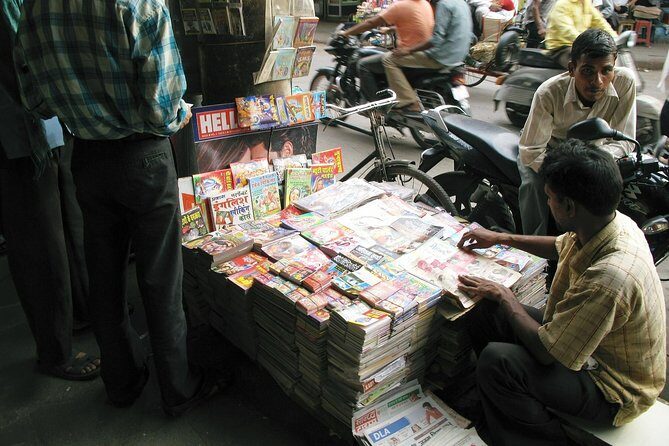
- Dadar flower market under the flyover in narrow lanes packed with stems and stalls
- Banganga tank and ghats for a calmer, more spiritual contrast to market chaos
- A personal guide who connects what you’re seeing to everyday food culture
- 3 to 4 hours total with short, focused stops (about 20 minutes each)
- Good value at $40 with bottled water and key site access included
Why Mumbai at dawn feels like real life, not a photo tour
This tour is built around one simple idea: you get a better read on Mumbai when the city is still working. Early hours make the difference. You see how produce moves, how sellers set up, and how people buy without the crowd energy you’ll find later in the day.
You’ll also get a route that makes sense. Fish first, then flowers, then Banganga as a breather. That order matters because it changes your senses as you go. Fish markets are loud and intense. Flower lanes are quick and colorful. Banganga slows everything down with water, steps, and the kind of sacred geometry that makes you stop moving for a moment.
Duration is reasonable too. Expect about 3 to 4 hours, not an all-day slog. With about 20 minutes per stop, you’ll have enough time to look around, ask questions, and still keep your energy for the next place.
You can also read our reviews of more tours and experiences in Mumbai.


Sassoon Dock fish auctions: what you’ll see and how to plan your feet
Sassoon Dock is one of the oldest harbors in Mumbai and also the largest wholesale fish market as well. What makes it special is access: it’s one of the few Mumbai docks that open to the public, so you’re not just viewing from behind a fence.
In practice, you’re walking into the middle of a working supply chain. Fresh catches are traded, sellers handle crates and gear, and the space is built for volume. You’ll likely notice how fast people move and how much is decided on the spot.
How to prepare
- Wear washable shoes. This is not a soft, polished-walk experience. You want footwear you can clean.
- Bring patience. Crowds and tight aisles are part of the deal here.
- Keep your camera ready, but don’t block people who are selling and hauling.
A small but important detail: the dock stop has an admission ticket included, so you’re paying for access, not just a stroll outside the gates.
Dadar flower market under the flyover: the lanes you’ll want to linger in
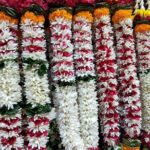
After fish, you shift to something very Mumbai: flowers sold at wholesale right near transit. The Dadar stop is under the Dadar flyover, where a wholesale flower market operates. The lanes are tiny and narrow, lined with kiosks and stalls, and you’ll even see stems laid out on wooden planks.
This stop is short on paper (about 20 minutes), but it’s the kind of place that rewards slow looking. Flowers here are not treated like decor. They’re part of daily life, commerce, and ritual. Even if you’re not shopping, you learn fast about scale: how quantities are handled, how flowers are graded, and how people move in and out of the lanes without hesitation.
A practical tip for this stop
Go in ready to get close. You’ll likely be standing near sellers and baskets. If you’re sensitive to strong scents, take breaks and focus on textures and colors instead of sniffing everything.
The Dadar flower market stop has admission free, so your money is going to the guide and the route timing, not extra entry fees.
Banganga tank and ghats: the quiet contrast that makes the tour click
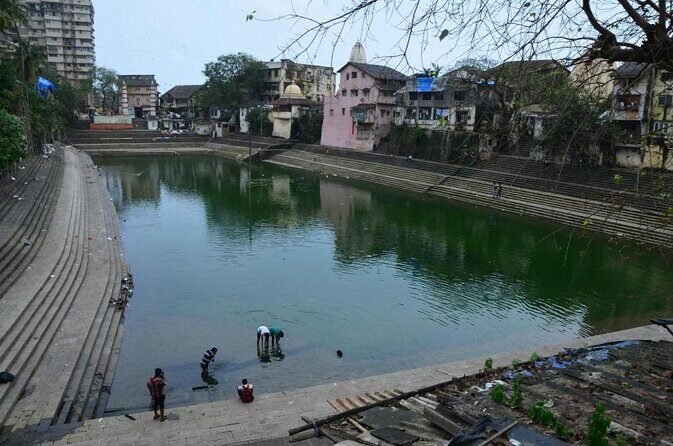
Banganga is a freshwater tank surrounded by ghats, and it carries a role that’s very much part of how Mumbai has worked for generations. According to local mythology, Lord Rama and his brother Lakshman took rest here while on their quest. The tank is also used for immersing ashes.
That means Banganga isn’t a “market stop” in the usual sense. It’s a pause in the program, and it’s the contrast you need after fish and flowers. Markets show you trade. Banganga shows you faith and the physical spaces people use for life and death.
You’ll walk the ghats and see the tank in a way that turns your attention from buying-and-selling to atmosphere and meaning. This is where the tour’s food-culture learning connects best, because everyday Mumbai isn’t separated into categories. People shop, people worship, and the city’s routines mix.
Like Dadar, Banganga has admission free, and the stop runs about 20 minutes—long enough to orient yourself without rushing.
The guide experience: turning street scenes into food-culture understanding
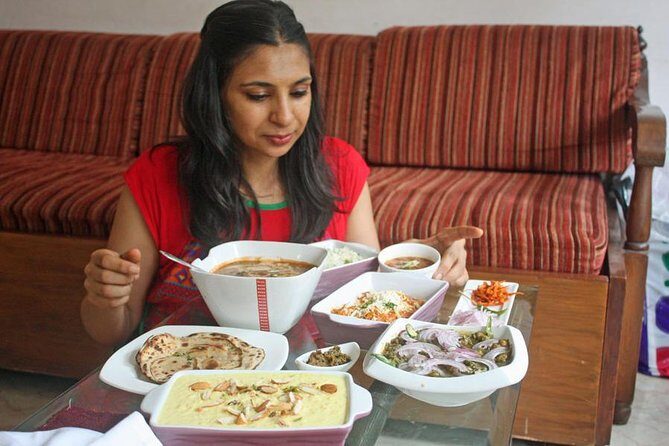
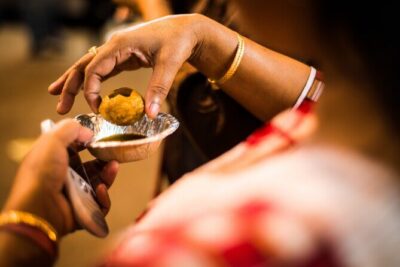
A good market guide can do two jobs at once: keep you from getting lost in the noise, and translate what you’re seeing into something you can use later. This tour leans into that second part—learning about India’s food culture while you snack on tasty morsels as you explore.
You should know one thing up front: the tour does not list food as included. Still, the experience description points to you trying small bites during the walk. Practically, bring a realistic mindset. If you’re the kind of person who needs a full meal, you’ll want to eat before you go (or plan to buy something during the route).
One guide name pops up in the experience feedback: Kamkesh. The people who worked with him noted the way he made the morning feel like a sequence of meaningful places rather than just stops on a map. Even better, he ended with something simple and very Mumbai-accurate: a lovely chai.
That’s the kind of payoff I love in tours like this. Markets can feel overwhelming at first, but a guide helps you ask the right questions—like what people buy, when they buy, and how different ingredients show up in daily eating.

What 3 to 4 hours really means on the ground
This is an early-start, walking-heavy kind of experience. Total time is 3 to 4 hours, with three main points (Sassoon Dock, Dadar, Banganga). Each stop is about 20 minutes, so you’ll get enough time to look, but not enough to treat it like a museum.
That pacing is a strength if you want authenticity without burnout. You’re sampling Mumbai in motion. You’ll cover enough ground to feel the city’s texture, but you won’t be stuck in one spot for long.
What to bring
- Comfortable shoes you can clean
- A light layer (dawn can feel cooler than midday)
- Your appetite, but also awareness that food and drinks aren’t included
Bottled water is included, which helps. Still, plan on needing water beyond that if you run hot or get thirsty fast.
If you want a calmer alternative day, this might not be for you. If you want a morning that feels like you slipped behind the curtain, it fits.
Price and value: why $40 works here (and where it might not)
At $40 per person, this tour isn’t trying to be a bargain in the sense of cheap. It’s priced like a guided morning with access, route planning, and an itinerary that hits real working spaces.
Here’s where the value comes from:
- Bottled water is included
- Key access is built in, including an admission ticket at Sassoon Dock
- The structure is efficient: you get three distinct areas in a short, guided window
- You have the option for pickup and drop-off (if selected)
Where you should think before booking:
- Food and drinks are not included. If you’re going to want more than small bites, budget for that.
- Markets mean variability. You’re not choosing a quiet, controlled environment. If you need low-stress travel, you might find the early crowds and narrow lanes tiring.
Also worth noting: this is private, meaning only your group participates. That can be a big value point if you’re traveling with friends or family and want fewer interruptions, more questions, and a pace that doesn’t assume you’re fine with being squeezed.
Who this fits best in your travel style
This tour suits you if you like:
- Street-level Mumbai over staged attractions
- Market culture and food ingredients
- A guided walk that helps you understand what you’re seeing, not just where you’re standing
- Early mornings, or at least early enough that you can be awake, steady, and curious
It might not suit you if:
- You dislike crowded spaces or strong smells
- You want a slow, sit-down pace with minimal walking
- You need full meals included in the ticket price
It’s also a good match if you’re traveling with a smaller group and want a private tour format with personal guide attention.
Should you book Mumbai by Dawn?
I’d book it if you want the city’s working hours, not just its postcard hours. The combination of Sassoon Dock fish auctions, Dadar’s wholesale flower lanes, and a reflective stop at Banganga makes the morning feel varied instead of repetitive. Add in a guide like Kamkesh (as mentioned in experience feedback), and you get more than sights—you get context, plus that chance to end with proper chai.
If you hate early starts, avoid chaos, or expect food to be fully handled for you, consider a different style of tour. Otherwise, this is one of those experiences that helps you understand Mumbai faster, from the inside out.
FAQ
How long is Mumbai by Dawn?
The tour lasts about 3 to 4 hours.
What is the price per person?
It costs $40.00 per person.
Is pickup included?
Pickup and drop-off are included only if you select that option. Bottled water is included either way.
Is food included on the tour?
Food and drinks are not included.
Are admissions included for the stops?
Sassoon Dock includes an admission ticket, while Dadar and Banganga are listed as free (no admission).
Is this tour private?
Yes. This is a private tour/activity, and only your group will participate.
Where do cruise terminal private tour customers meet?
Cruise terminal private tour customers must meet at the green gate.
Is there free cancellation?
Yes. You can cancel for a full refund up to 24 hours before the experience starts.