REVIEW · MUMBAI
Mumbai Private Cultural Tour with Lunch and Transport
Book on Viator →Operated by World of Bollywood Tours · Bookable on Viator
Mumbai is a city you feel fast. This private tour helps you read it. You’ll move through everyday neighborhoods with a local guide, hitting places most city tours either rush past or skip entirely. The day mixes big-picture sights (the Gateway of India and Mumbai’s rail world) with real working life, from fish sales to laundry lines.
I especially like the way this tour links food, work, and prayer—so you understand what you’re seeing, not just where to point your camera. I also like that it’s built around short stops with minimal pressure, so you can actually watch how people live: fishermen at work, market bustle, and the rhythms of local transport.
One thing to consider: it’s an all-weather plan and includes outdoor time at markets and open-air areas like Dhobi Ghat, so you’ll want to dress for heat and sun (or rain) and stay flexible with crowds.
In This Review
- Key takeaways before you go
- A private day that reads like real Mumbai
- Getting oriented with the day’s route
- Stop 1: Crawford Market—watch a working marketplace
- Stop 2: Bandra Fort—pictures and local vibes
- Stop 3: Bandstand Promenade—how people unwind near the water
- Stop 4: Mount Mary Basilica—short church stop, big atmosphere
- Stop 5: Juhu Beach—street food energy by the sea
- Stop 6: Gateway of India—iconic, but don’t rush it
- Stop 7: Jogger’s Park on Carter Road—small break, real neighborhood feel
- Stop 8: Dabbawala Tribute Statue—how the lunch system works
- Stop 9: Khar Danda—fish market reality
- Stop 10: Dhobi Ghat—open-air laundry on a massive scale
- Stop 11: CSMT Heritage Museum—railway power, up close
- Guides make the difference (Sho, Tiger, Devu)
- Lunch: included, and usually part of the story
- Price and value: when $130 makes sense
- Practical tips so your day feels smooth
- Who this tour is for
- Should you book this Mumbai private culture tour?
- FAQ
- Is hotel pickup and drop-off included?
- What’s the tour duration?
- Is this tour private?
- Does the tour include transport?
- What’s included with the price?
- Are alcoholic drinks included?
- Is there a vegetarian lunch option?
- What should I wear?
- Does the tour run in bad weather?
- Is the tour suitable for children or everyone’s physical needs?
Key takeaways before you go
- Private guide time means you can ask questions about daily customs for work, travel, eating, and prayer.
- Lunch is included, and one commonly praised option is Cafe Metro, with dishes like Chicken Nargisi and garlic naan.
- Dhobi Ghat and the dabbawala story give you a front-row view of Mumbai systems that keep running.
- Short sight stops (forts, promenades, viewpoints) make the day feel varied without turning it into a marathon.
- Hotel pickup and drop-off plus private vehicle transport saves you a lot of planning stress.
A private day that reads like real Mumbai
I like tours where the guide helps you notice details you’d otherwise miss. This one does that. You’re not stuck in a checklist. You’re walking, looking, and asking why people go where they go.
At $130 per person for about 5–6 hours, it sits in the “worth it if you care about context” category. The price isn’t just for seats in a car. You’re paying for a private guide, hotel pickup and drop-off, lunch, and transport by private vehicle—plus bottled water and light refreshments. If you’re coming to Mumbai and you want more than famous monuments, that math usually works.
Also, this tour is private. Only your group participates, so you’re not stuck waiting for a big crowd to regroup.
You can also read our reviews of more private tours in Mumbai


Getting oriented with the day’s route
The flow is smart: you start in the South Mumbai market zone, then swing west toward Bandra and the sea front, and finally head into more of the city’s working and transit areas near the historic rail hub. Expect driving time between neighborhoods, plus short walking moments at each stop.
Dress code is smart casual. That’s helpful in a city where you can run into everything from temple visits to church areas to formal-looking streets. You’ll also want to bring something for the weather because the tour operates in all conditions.
Stop 1: Crawford Market—watch a working marketplace
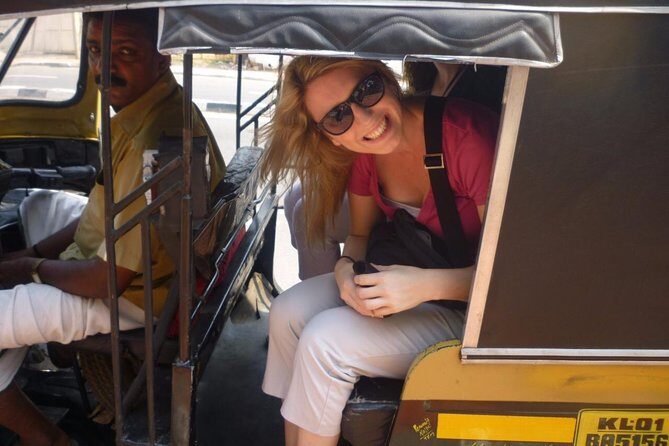
Crawford Market is a big wholesale-style market for fruits, vegetables, and household utility items. This isn’t a “look but don’t touch” photo stop. It’s the kind of place where the activity is the point.
What I like here is the texture. Even if you don’t buy anything, you learn how commerce moves in Mumbai—how produce and everyday goods get handled close to where people live and cook. You’ll probably see how fast transactions happen and how goods are staged for buyers.
Possible drawback: markets can feel intense. If you’re sensitive to crowds or close quarters, go slowly, keep your pace steady, and use the guide to tell you where it’s easiest to stand and look.
Stop 2: Bandra Fort—pictures and local vibes
Bandra Fort is a scenic, picture-friendly stop popular with locals. The walk doesn’t eat much time, but it adds a viewpoint and a change of pace.
What makes this one worth it is the atmosphere. You’re not just touring a landmark—you’re seeing how people use the space in real life, including the kind of relaxed, everyday energy that doesn’t show up in formal sightseeing.
Quick tip: keep your phone/camera ready. This is the sort of place where the best views appear the moment the light shifts.
Stop 3: Bandstand Promenade—how people unwind near the water
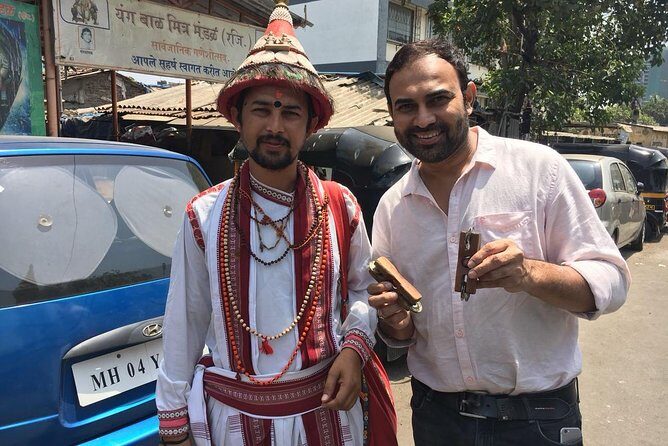
Bandstand Promenade is where locals come to walk, jog, stroll, and hang out. This stretch helps you understand Mumbai as a daily city, not only an “attraction city.”
I like that the guide can connect what you’re seeing to local customs around leisure—what people do after work, how they move, and why the waterfront is such a magnet. Even a short visit helps you get your bearings.
Watch-outs: it can be crowded depending on time of day. If you want calmer photos, you’ll likely need to be patient and time your shots with the flow.
You can also read our reviews of more historical tours in Mumbai


Stop 4: Mount Mary Basilica—short church stop, big atmosphere
Mount Mary Basilica is a beautiful church in Bandra. The tour keeps it brief, but it’s a meaningful stop that adds spiritual context to the day.
This is where smart casual matters. You’ll want to look respectful as you pass through the area. It’s also a good moment to step back from the street-level bustle and slow down.
Stop 5: Juhu Beach—street food energy by the sea
Juhu Beach brings you to the Mumbai side most people imagine: sea air, casual strolling, and plenty of food stalls serving local snacks.
I like how this stop turns the city’s food culture into something you can actually see. Street food here isn’t just about taste; it’s about daily habits—how people grab something quick, sit where they can, and keep moving.
One practical note: if you’re trying street snacks, do it with the same care you’d use anywhere crowded—be mindful of what’s freshly handled and keep water nearby. The tour includes bottled water, which helps.
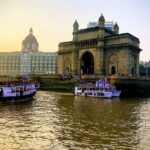
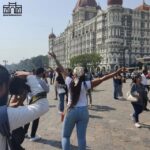
Stop 6: Gateway of India—iconic, but don’t rush it
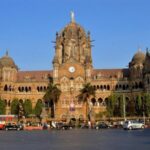
Gateway of India is famous for a reason. It’s short and sweet on this route, but it’s still worth your attention, especially when your day already includes places tied to daily labor and local transport. You’ll feel the contrast.
This stop works best if you treat it as a “pause and orient” moment. Stand back for context, then let the guide point out what it means in the city’s bigger story—without turning it into a lecture.
Stop 7: Jogger’s Park on Carter Road—small break, real neighborhood feel
Jogger’s Park on Carter Road is popular with people who come to walk and jog. It’s a quick stop, but it gives your body a break and shows the city’s everyday rhythm again.
I like that the tour keeps moving, but doesn’t ignore comfort. This is one of those stops where your senses reset: less market, more movement, and a calmer pacing for a few minutes.
Stop 8: Dabbawala Tribute Statue—how the lunch system works
The dabbawalas are Mumbai’s legendary lunchbox workers. This stop focuses on their efficiency—how they get lunches delivered in an organized way, and how they do it without relying on modern tech.
This is one of the tour’s brainy moments. It’s not just a story; it’s a window into how Mumbai runs on systems that are invisible until you learn how to watch for them. You’ll likely leave with more respect for the logistics behind daily life.
If you like human stories (the kind that explain why a city feels like it does), this stop delivers.
Stop 9: Khar Danda—fish market reality
Khar Danda is a local fish market. The tour takes you to experience how local fisher women sell fresh fish.
This is the working-life counterpart to the market you saw earlier. Where Crawford Market shows wholesale goods and households, this one shows the seafood supply chain close to the source.
Possible drawback: markets like this can be busy and fast-moving. If you’re not comfortable with crowds, ask your guide where the easiest viewing spots are. Also, keep your time flexible—watching how sales happen takes a minute.
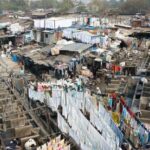
Stop 10: Dhobi Ghat—open-air laundry on a massive scale
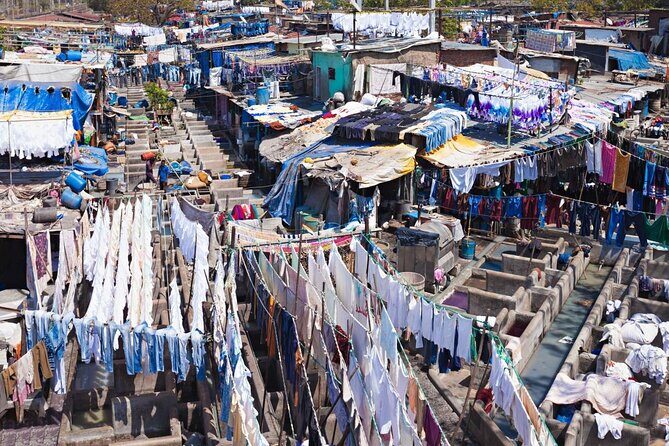
Dhobi Ghat is the biggest open-air laundry in the world. You’re going to see an operation that’s visually hard to describe and easy to remember.
This stop is valuable because it’s not staged. You’re witnessing daily work—how laundry is processed, moved, and managed in open air. It also ties into the tour’s theme: local customs for labor and routine.
If you’re a photographer, this is a gold mine. If you’re sensitive to strong smells or close-to-the-ground activity, keep a little distance and let your guide guide your viewing position.
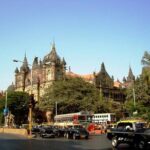
Stop 11: CSMT Heritage Museum—railway power, up close
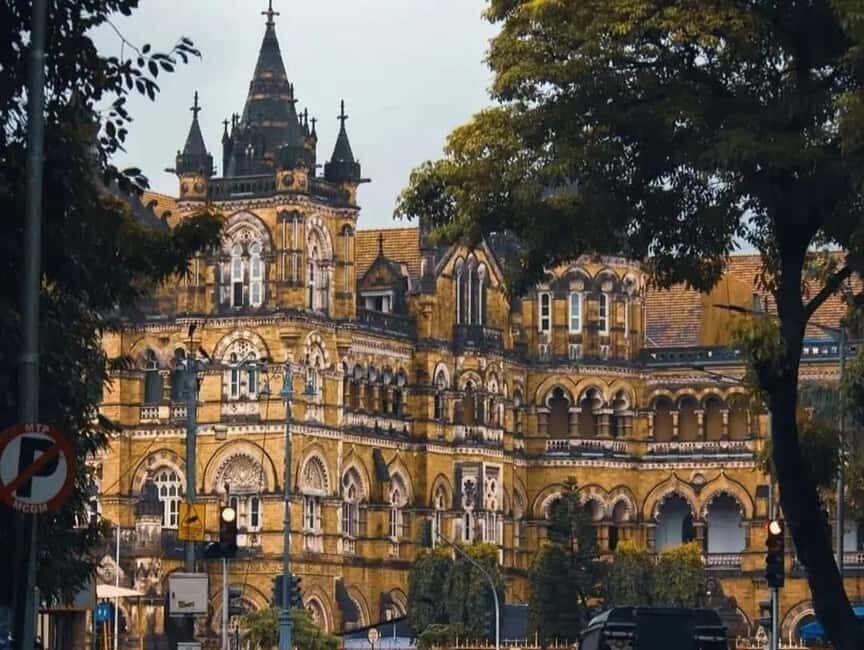
CSMT Heritage Museum connects you to India’s train world. The station area is highlighted as the biggest train station in India, and you’ll get a quick look at a beautiful landmark that’s also a machine for moving people.
This final stop helps you tie everything together: markets, food, local delivery systems, and transport. Mumbai isn’t one thing. It’s a set of connected routines that move all day.
Pro tip: if you’re standing near rail areas, keep your belongings secure and your pace controlled. The environment is active.
Guides make the difference (Sho, Tiger, Devu)
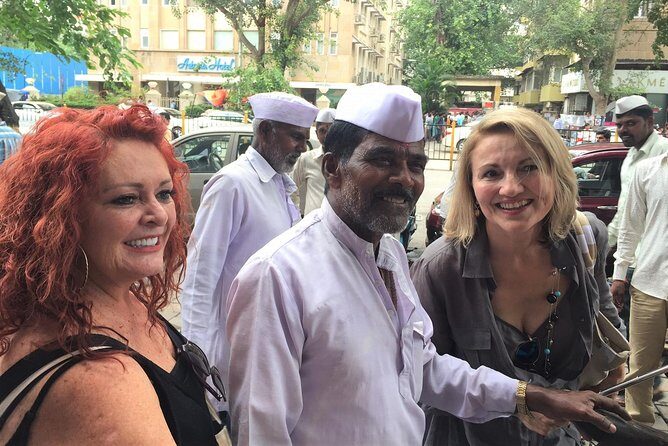
What really stood out from past experiences is how the guides set the tone. I love that the guiding style tends to be relaxed and accommodating, not rushed.
Some guides associated with this tour include Sho, Tiger, and Devu. In different ways, they’ve been praised for being helpful and informative while still keeping the day comfortable. That matters because Mumbai can be a lot. A calm guide helps you absorb more without feeling drained.
If you care about culture as lived experience—how people work, eat, worship, and travel—this kind of guide approach is a big part of the value.
Lunch: included, and usually part of the story
Lunch is included, along with bottled water and light refreshments. A commonly mentioned lunch spot is Cafe Metro, and one of the dish suggestions that gets repeated is Chicken Nargisi with garlic naan.
I like that lunch isn’t treated like an afterthought. The guide can connect what you eat to everyday habits—so you don’t just taste food, you understand the culture around it.
Vegetarian options are available if you advise at booking. If you have dietary needs beyond vegetarian, it’s worth checking with the operator when you reserve.
Price and value: when $130 makes sense
At $130 per person, you’re paying for a private guided route across multiple neighborhoods, with hotel pickup and drop-off, private vehicle transport, bottled water, light refreshments, and lunch.
This price tends to make the most sense if:
- you want a private guide to explain what you’re seeing,
- you don’t want to piece together transit and entry points on your own,
- you’re hungry for local-life stops (Dhobi Ghat, fish markets, dabbawala-related sights),
- you’d rather avoid spending your time figuring out logistics.
If you only want a couple of big-photo monuments and you’re totally fine with self-guided wandering, you could do it cheaper on your own. But if your goal is to understand Mumbai beyond the postcard level, this tour is built for that.
Practical tips so your day feels smooth
A few things will help you enjoy the full route:
- Wear comfortable shoes. Even when stops are short, you’ll walk through active areas.
- Plan for heat and weather. The tour runs in all conditions, so pack accordingly (light layers or rain protection).
- Bring a small patience buffer. Markets and busy public areas move in flows, not lines.
- Use your guide for context. Ask what you should notice at each stop. That’s where the tour payoff is.
- Alcohol isn’t included. Alcoholic drinks are available to purchase, but plan on paying for them separately.
Who this tour is for
This is a strong fit if you:
- want authentic daily-life stops, not only monuments,
- like food culture tied to real neighborhoods,
- prefer the pace of a private guide over big group tours,
- enjoy seeing how a city works through its systems (delivery, laundry, rail, markets).
It may feel like a lot if you dislike crowds or if you’re not comfortable with outdoor public spaces. The tour does require moderate physical fitness, mainly due to walking and time spent outdoors.
Should you book this Mumbai private culture tour?
If you’re aiming for a Mumbai day that actually teaches you how people live, I’d book this. The combination of market life, working-labor sights like Dhobi Ghat, neighborhood viewpoints, and a lunch that’s part of the experience makes it a practical way to spend 5–6 hours.
It’s also a good choice for first-timers who want structure without feeling trapped. You’ll come away with stories you can retell—how lunch deliveries run, why waterfront promenades matter, and what it looks like when a city’s daily systems are right in front of you.
If you prefer quiet museums only, or you want minimal time outdoors, this might not match your style. But for most people who want real Mumbai, this tour does the job.
FAQ
Is hotel pickup and drop-off included?
Yes. Hotel pickup and drop-off are included as part of the tour.
What’s the tour duration?
The tour runs about 5 to 6 hours.
Is this tour private?
Yes. It’s a private tour/activity, and only your group will participate.
Does the tour include transport?
Yes. Transport by private vehicle is included.
What’s included with the price?
It includes bottled water, light refreshments, lunch, a driver/guide, a local guide, and hotel pickup and drop-off.
Are alcoholic drinks included?
No. Alcoholic drinks are not included, but they are available to purchase.
Is there a vegetarian lunch option?
Yes. A vegetarian option is available if you advise at booking.
What should I wear?
The dress code is smart casual.
Does the tour run in bad weather?
Yes. It operates in all weather conditions, so you should dress appropriately.
Is the tour suitable for children or everyone’s physical needs?
Children must be accompanied by an adult, and the tour is recommended for travelers with a moderate physical fitness level.