REVIEW · MUMBAI
Dharavi Slum Tour
Book on Viator →Operated by Reality Tours & Travel Pvt Ltd · Bookable on Viator
A world-class neighborhood hides in plain sight. Dharavi is often misunderstood, and this walking tour trades shock value for real context. You follow a local guide through tight lanes and working industries, from recycling and textiles to leather tanning, with time built in to see how everyday life runs.
Two things I like a lot: you get access to community businesses and not just a quick look, and you leave knowing your ticket supports local education and livelihood projects. The ending stop also explains how funds get re-invested, so it feels less like charity theater and more like a feedback loop.
One consideration: it is a no-photography area, and the rules are clear. If you prefer Instagram-style wandering, this tour will feel restrictive, and you’ll want to dress modestly with shoulders and knees covered.
In This Review
- Key highlights to know before you go
- Why Dharavi feels like Mumbai’s workshop
- Stop 1 in Dharavi: recycling, rooftop views, popaddom and pottery
- Stop 2 at Reality Tours & Travel: seeing how the ticket helps
- Price and timing: what $20.40 buys you in Mumbai
- Getting there without stress: train option and meeting point
- What it’s like on the ground: respectful rules and real walking
- Guides make the difference: local voices and smart handling
- Who should book this Dharavi slum tour (and who might skip it)
- Should you book: the quick decision guide
- FAQ
- How long is the Dharavi slum tour?
- How much does the tour cost?
- What’s included in the ticket price?
- Where do I meet, and where does the tour end?
- Is photography allowed during the tour?
- Do I need hotel pickup and drop-off?
- What happens after the tour ends if I want to go elsewhere in Mumbai?
Key highlights to know before you go
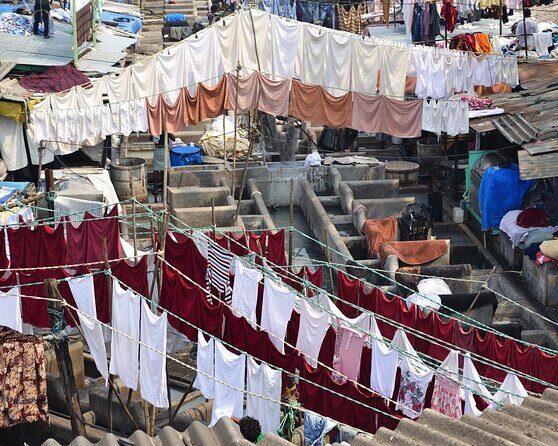
- A working industrial tour, not a disaster tour, with stops tied to real trades
- Rooftop visit plus views from inside a dense neighborhood
- Hands-on sights like popaddom making and Kumbharwada pottery work
- Community center time where proceeds support local projects
- Ends at the operator’s Dharavi office for a cold drink and a clear money story
- No photography allowed while you’re in Dharavi
Why Dharavi feels like Mumbai’s workshop
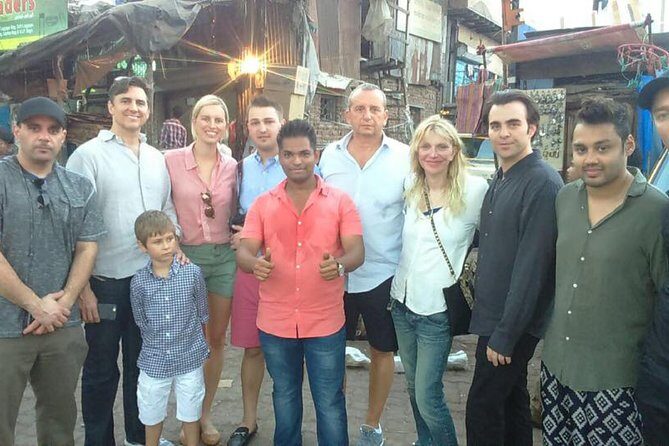
Dharavi is described as a city within a city, and that description actually helps you understand the vibe. This is an industrial hub where residents run businesses that keep going every day, not a place that only exists for outsiders to witness.
On this tour, you’re not asked to stare or judge. You’re guided through how the neighborhood functions: the narrow lanes, small shops, and production work that connect to Mumbai and beyond. It’s the kind of experience that can challenge your preconceptions fast, because you see people as workers and entrepreneurs first, not as a headline.
You’ll also get a cultural reality check about how urban life adapts. Dharavi is compact and busy, and you’ll move at walking speed through an area where space is tight and routine is everything. That makes it a strong option if you want Mumbai beyond the famous landmarks.
You can also read our reviews of more tours and experiences in Mumbai.


Stop 1 in Dharavi: recycling, rooftop views, popaddom and pottery
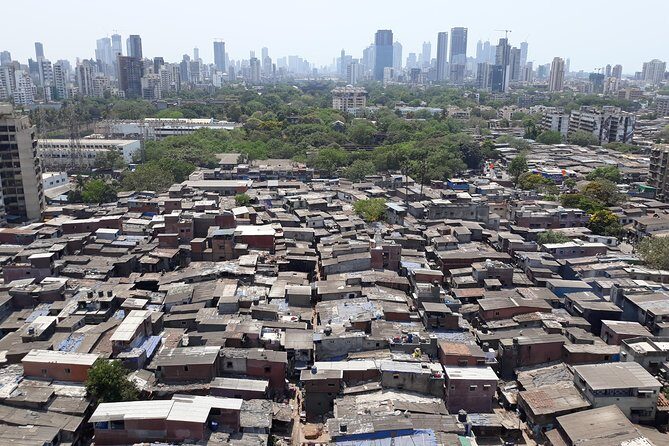
Stop 1 is the main walking block, and it’s where the tour earns its keep. You’ll cover several areas and industries, including places like the Recycling Area, a Rooftop Visit, Popaddom Making, and Kumbharwada Pottery Colony. Expect more than one kind of work happening in close quarters.
Here’s what to look for, in plain terms:
- Recycling Area: Watch how materials flow through the neighborhood’s industrial side. This is often the first stop that helps people rethink what a slum means in practical terms.
- Rooftop Visit: This gives you a rare perspective. From up high, you can better grasp the density and the way buildings stack life on top of life.
- Popaddom Making: This is a small-food industry moment that’s easier to understand than big-picture economic talk. You’ll see how everyday products are made locally.
- Kumbharwada Pottery Colony: Pottery work turns this tour into a craft lesson, not just a construction-site view.
The tour overview also points to other trades you may encounter during the walk, including textiles and leather tanning businesses run by local residents. So if you like seeing how materials get turned into goods, you’ll probably enjoy the range.
A couple of practical notes matter here. You can’t take photos while in the Dharavi slum, and that changes how you experience the place. Bring your attention instead of your camera. Also, dress for respect and comfort: modest clothing that covers shoulders and knees is required across India, and this tour follows that norm in a conservative area.
Stop 2 at Reality Tours & Travel: seeing how the ticket helps
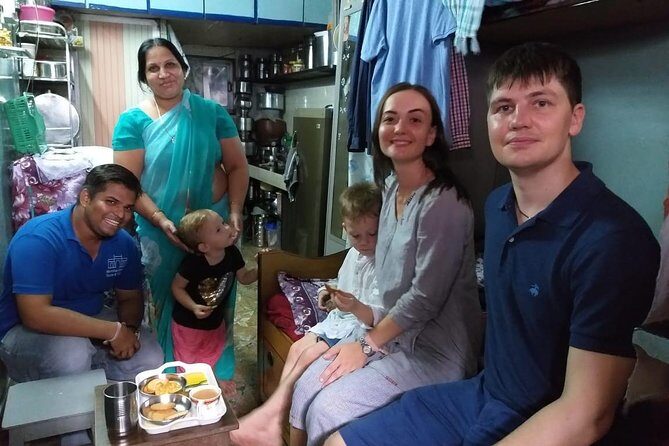
After walking through the community, the tour ends at the Reality Tours and Travel office in Dharavi. You’ll have a soft drink there and get more context on how funds are re-invested back into the neighborhood.
This second stop is short, but it’s important. It’s where you can ask the straightforward questions that people often wonder about: what happens after the walk, and where does the support actually go? The info you’re given focuses on projects tied to education, health, and livelihood, and the tour is framed around community reinvestment rather than vague good intentions.
Worth reading the Mumbai Adventures team before you book.
In the guide experiences shared by past participants, you’ll also hear specific descriptions of local impact. Some accounts mention that a large share of profits supports community needs like schooling and English learning. Even if you don’t remember the exact number, the key takeaway is the same: the tour is set up to fund local priorities that residents identify as important.
Price and timing: what $20.40 buys you in Mumbai
The price is listed as $20.40 per person, and the walk runs about 2 hours 30 minutes. For a tour that includes a local English speaking guide, water or a cold drink, and a community-centered route, it’s strong value on paper.
Timing-wise, it’s also an efficient use of your day. Dharavi isn’t far from typical transport corridors in Mumbai, and the tour is designed so you can build it into a sightseeing schedule. The average booking window is about 16 days in advance, which suggests demand is real, so don’t wait until the last minute if your dates are fixed.
Two other details influence value:
- You’re not paying for hotel pickup. That lowers the price, but it also means you must show up at the meeting point under your own steam.
- Group size can be large (up to 99). Even with that cap, you’ll want to stay close and keep moving with the guide. This is not the best fit if you want long, slow stops for every single curiosity.
Overall, at this price and time length, you’re buying a guided, respectful pass through an area that’s hard to interpret on your own. If you’re trying to understand Mumbai as a living industrial city, the cost-to-time ratio makes sense.
Getting there without stress: train option and meeting point
The meeting point is Reality Tours & Travel (Dharavi), 60 Feet Road, Shahid Bhagat Singh Nagar, Kumbhar Wada, Dharavi, Mumbai, Maharashtra 400017, India. The tour also ends at the same office, which helps you avoid the classic end-of-walk scramble.
You don’t get hotel pickup or drop-off, so you’ll need to plan your route. The tour offers an option to travel by train with your guide or go under your own navigation plan, depending on what you select. Either way, the key is that you’re near public transportation.
After the walk, the guide can help you get where you want next. One useful detail: if you want to head back toward Churchgate or connect to another part of Mumbai by local train, the guide will escort you to the station.
For me, that kind of handoff is a hidden benefit. In a city with lots of movement and noise, a guided exit lowers friction when you’re ready to keep exploring.


What it’s like on the ground: respectful rules and real walking
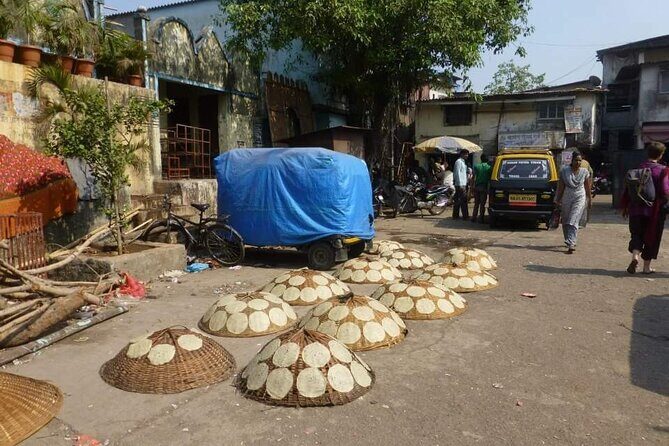
Dharavi is an area of real daily life, which is why the tour includes strict conduct rules. The biggest one is no photography permitted while you’re inside Dharavi. That rule is about respect and privacy, and it shapes the experience. You’ll rely on your guide’s explanations and on what you can safely see and hear.
Dress code matters too. Modest, respectful clothing that covers shoulders and knees is required, and that also helps you feel comfortable in a neighborhood where norms are conservative. Wear breathable layers if it’s hot, and bring closed-toe shoes. Several past participants specifically recommend them for this kind of uneven, close-quarters walking.
The route is described as narrow lanes and close-up shops and industries. That means you should expect tight spacing and stop-and-go movement. If you get claustrophobic in crowds, you might find parts of the walk a bit challenging. If you’re okay with busy streets and close contact with everyday life, you’ll likely enjoy how fast the tour becomes real and specific.
Guides make the difference: local voices and smart handling
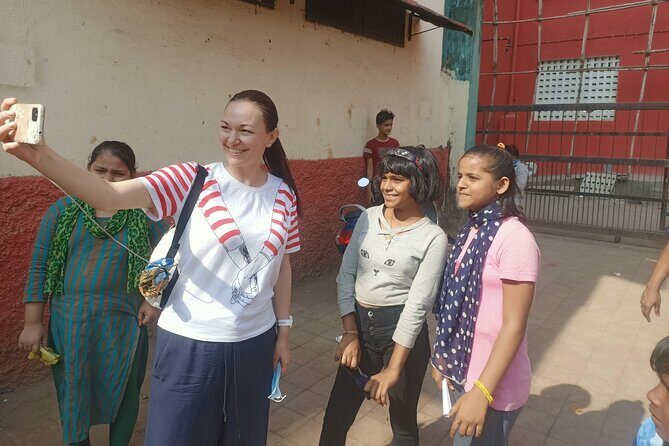
A tour like this lives or dies by the guide, and the names in the experience accounts point to something you should look for when you book: people who understand Dharavi from the inside and explain it without condescension.
For example, Rakesh is mentioned for being flexible when Mumbai traffic created challenges, while still keeping the tour moving and informative. Leena gets repeated praise for being seamless and for challenging expectations in a thoughtful way. Cethan is praised for a respectful, informative approach that helps you appreciate how the community works. Rishi is described as kind, helpful, and patient, especially for solo visitors who needed extra support.
You’ll also see accounts that highlight guides as local Dharavi community members. One guide example is Javed, described as articulate with genuine understanding of the community, and that matters here because it changes the tone. Local guides can answer the questions that outsiders often ask, and they can do it without turning the neighborhood into a spectacle.
One more practical point: the tour is designed for safety and ease of navigation, and multiple accounts mention feeling safe even when walking alone. Still, basic street smarts apply. Keep your phone away where photos are not allowed, follow your guide’s cues, and keep your questions focused on people and how the neighborhood functions.
Who should book this Dharavi slum tour (and who might skip it)
This tour is best for you if:
- You want a Mumbai experience that focuses on work, trade, and community agency
- You like guided walking tours with clear explanations and short, structured stops
- You’re curious about recycling, textiles, leather tanning, pottery, and small food production like popaddom
- You appreciate tours where proceeds support education, health, and livelihood projects
It might not be your best fit if:
- You strongly prefer photography-heavy travel and don’t want to follow a no-photo rule
- You don’t like walking through tight, crowded lanes
- You’re looking for a polished, museum-style narrative rather than a living neighborhood route
For most people who want something honest and different from the standard Mumbai checklist, this tour earns a spot high on your list.
Should you book: the quick decision guide
I’d book this Dharavi slum tour if you’re the type of traveler who wants context over comfort, and you like learning from local guides who treat the community with respect. At $20.40 for about 2.5 hours, with water/cold drink included and community reinvestment explained, it offers strong value for what you’re getting.
I’d think twice if you want plenty of photos, long scenic stretches, or a slow-paced “views and cafes” style outing. This is a working neighborhood walk with rules, not a postcard crawl.
If you do book, go in with the right mindset: wear closed-toe shoes, dress modestly, keep your phone away during the no-photography parts, and ask questions about how the industries and community support systems connect.
FAQ
How long is the Dharavi slum tour?
The tour is about 2 hours 30 minutes (with Stop 1 lasting about 2 hours and Stop 2 about 20 minutes).
How much does the tour cost?
The listed price is $20.40 per person.
What’s included in the ticket price?
A local English speaking guide and water or a cold drink are included. Lunch is optional at an additional price.
Where do I meet, and where does the tour end?
You meet and end at Reality Tours & Travel (Dharavi), 60 Feet Road, Shahid Bhagat Singh Nagar, Kumbhar Wada, Dharavi, Mumbai, Maharashtra 400017, India.
Is photography allowed during the tour?
No photography is permitted while you are in the Dharavi slum.
Do I need hotel pickup and drop-off?
No. There is no hotel pickup or drop-off. You’ll meet at the tour operator’s Dharavi location, and there is also an option to travel by train with the guide or make your own way there.
What happens after the tour ends if I want to go elsewhere in Mumbai?
After the walk, your guide helps you go wherever you want to go. If you want to return to Churchgate or catch a local train, the guide can escort you to the train station.