REVIEW · MUMBAI
Mumbai: Private City sightseeing and Dharavi Slum Tour
Book on GetYourGuide →Operated by Tours By Walk · Bookable on GetYourGuide
Mumbai’s contrasts hit fast. You get the big-name postcard sights plus a grounded look at daily life in Dharavi, one of Asia’s largest informal settlements. I also like that the tour can be guided by Rakesh, a friendly, story-driven guide who makes both the skyline and the street-level details click.
The best part is the pairing: Gateway of India, CSMT, Marine Drive, and Taj Mahal Palace in one day, then a careful walk through Dharavi’s workspaces and community spaces. One thing to consider: it’s an 8-hour day with real walking and short stop times, so plan for a fast pace and bring comfortable shoes.
You’ll start with hotel pickup in Mumbai and get an English-speaking guide plus a mineral water bottle. Entry tickets are included, but food and drinks are not, so you’ll want to eat before or after the tour window (or bring your own plan).
In This Review
- Key Highlights You’ll Care About
- High-contrast Mumbai in One 8-Hour Loop
- The Logistics: Private Feel, Tickets Included, English Guide
- Dharavi: 2 Hours of Real Work, Community, and Craft
- Dhobi Ghat: Watching Laundry Work in Public
- The Colonial-Era Belt and Mumbai’s Big Institutions
- CSMT to Oval: Architecture Meets the City’s Pulse
- Gateway of India, Taj Mahal Palace, and Marine Drive Walks
- Mani Bhavan and Hanging Gardens: Gandhi, Water Tanks, and Views
- What to Bring and How to Pace Yourself
- Price and Value: When $109 Per Group Works
- Should You Book This Mumbai City + Dharavi Tour?
- FAQ
- How long is the tour?
- What does the tour include for pickup and transport?
- Is an English-speaking guide provided?
- Are entry tickets included?
- Do I get food during the tour?
- Is mineral water provided?
- What should I bring?
- Can I cancel for a refund?
Key Highlights You’ll Care About

- A private setup up to 3 people: better questions, better control of pace.
- Rakesh-style guiding: approachable, full of local context, and quick to answer questions.
- Dharavi isn’t staged: you see small-scale industries, recycling, and everyday routines up close.
- Iconic Mumbai with structure: Gateway of India, Marine Drive, and Chhatrapati Shivaji Maharaj Terminus get real context, not just quick photos.
- Colonial-era stops by design: university buildings, clock towers, high-court architecture, and classic landmarks tied together.
High-contrast Mumbai in One 8-Hour Loop
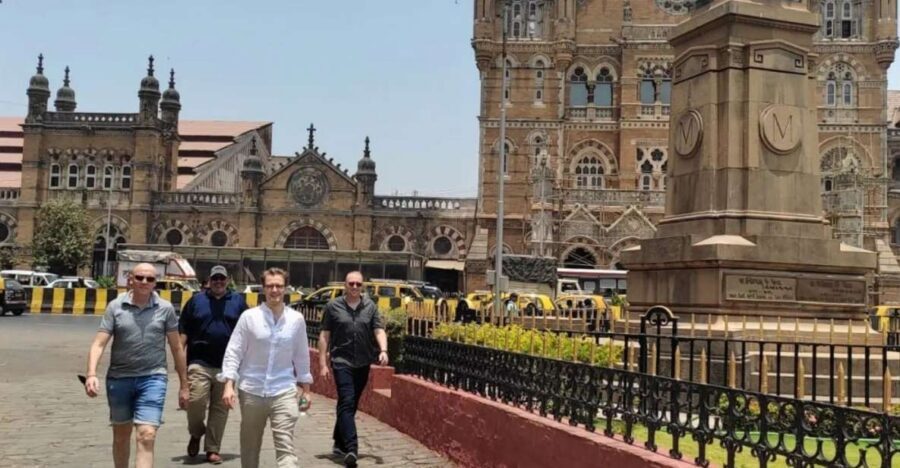
This is the kind of day that makes Mumbai feel like two cities at once. On one side, you have grand colonial-era architecture and oceanfront promenades. On the other, you have Dharavi’s dense neighborhoods and the working hustle that keeps communities running.
What makes this tour work for you is the way it connects places, not just coordinates them. You’re not just checking boxes. You’re learning how history, money, labor, and migration shape what you see today. And because the day is structured (city first, Dharavi next), you get to compare impressions while everything still feels fresh.
You can also read our reviews of more city tours in Mumbai



The Logistics: Private Feel, Tickets Included, English Guide

You pay $109 per group for up to 3 people for an 8-hour experience. That pricing makes sense if you’re traveling as a small group, because you’re effectively splitting the cost. If you go with two friends or family members, the per-person total drops fast, and the “private” aspect stops feeling like a marketing word.
A few practical wins:
- Hotel pickup and drop-off are included, which saves time and hassle in a city where traffic can eat your day.
- Entry tickets are included, so you’re not stopping to sort out paid entrances mid-tour.
- The tour includes an English-speaking guide plus a mineral water bottle.
- There’s skip-the-ticket-line, which helps when schedules are tight.
There’s also a small but important reality check: you’re packing a lot into one day. Some stops are quick (think 5–20 minutes), so you’ll want to treat the stops like “orientation + key moments,” not like slow museum time.
Dharavi: 2 Hours of Real Work, Community, and Craft
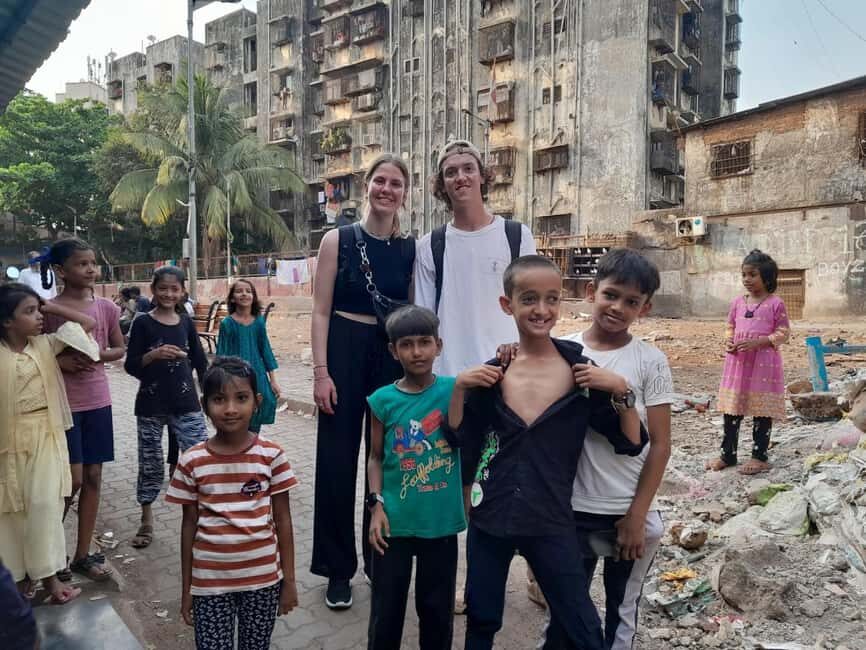
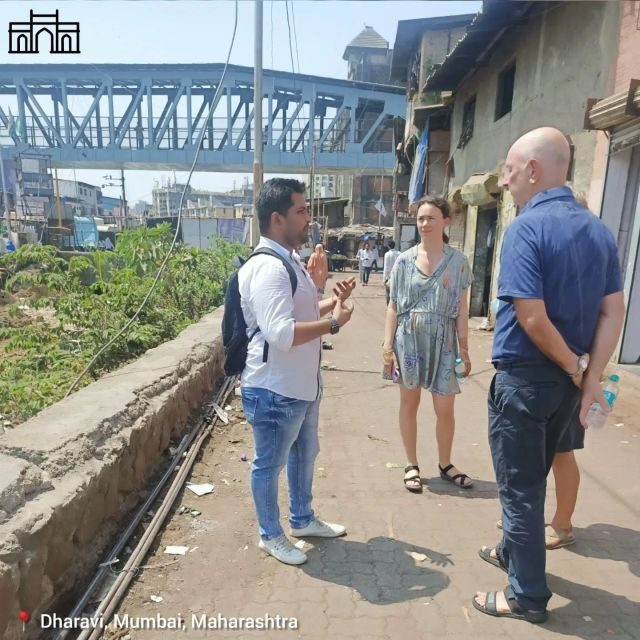
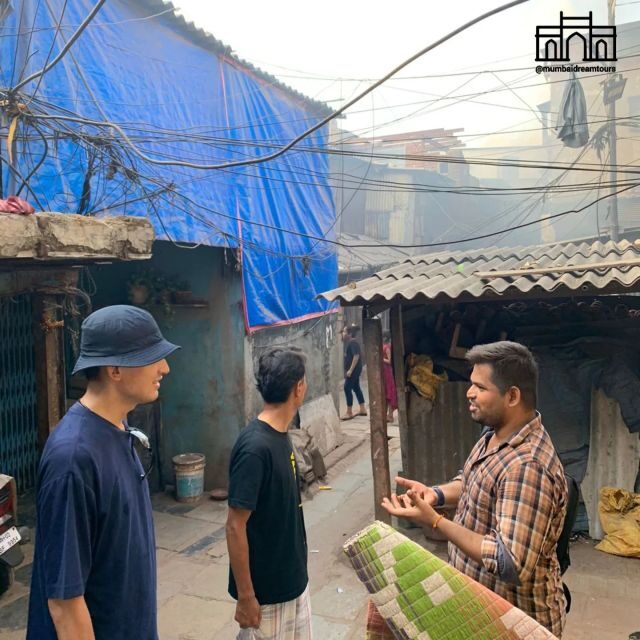
Dharavi is where this tour earns its reputation. This isn’t a drive-by viewpoint. You walk through narrow alleys for about 2 hours with a guided visit. The focus is daily life and resilience—how people build routines and businesses in tight spaces.
The tour’s Dharavi highlights are specific, which helps you understand what you’re seeing:
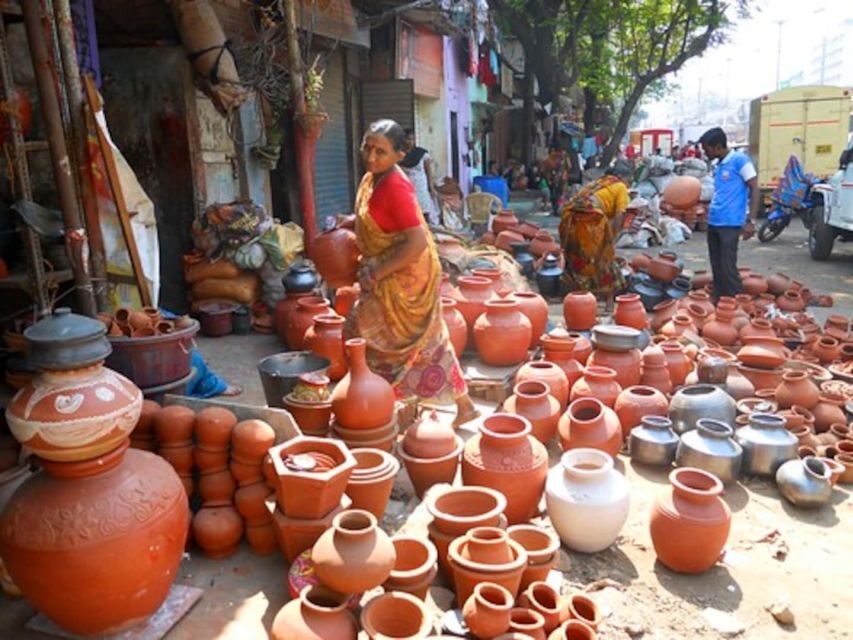
- Small-scale industries like leather work, pottery, soap making, and baking
- Color dye processes
- Plastic and veg-oil recycling
- A slum market
- Community services like schools and hospitals
- Everyday culture you might notice as you walk, including places of worship and shared spaces
One detail I really like from the tour’s description is that the guide himself lives in the slum. That matters because you’re not hearing generic commentary. You’re hearing how local life is explained by someone who’s part of it.
A respectful tip for you: keep your body language low-key, follow your guide’s lead on what can be photographed (and what shouldn’t), and remember this is someone’s neighborhood. If you go in with curiosity instead of judgment, the experience feels human and focused.
Dhobi Ghat: Watching Laundry Work in Public
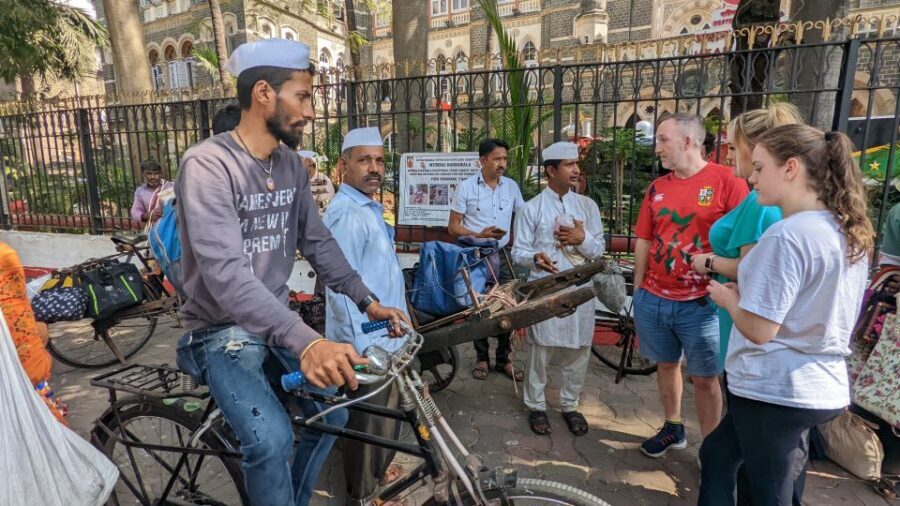
After Dharavi, the itinerary shifts to another Mumbai landmark that feels very “in the open”: Dhobi Ghat, the open-air laundry area. You’ll have about 20 minutes for a guided visit and a short walk.
Even if you’ve seen pictures, Dhobi Ghat has a sensory effect you can’t fake. Clothes move through the process right in front of you, and the whole place runs on routine and repetition. It’s one of those stops where the value isn’t just the sight—it’s the way it reframes what tourism usually calls background.
What you should expect here:
- A quick guided orientation
- Enough time to look closely without turning it into a long detour
Because this is a time-boxed day, keep your attention sharp. If you linger too hard here, you’ll feel it later in the city stops.
The Colonial-Era Belt and Mumbai’s Big Institutions

As you head back into the city sights, the tour emphasizes British heritage architecture and institutions. You’ll see a lot of “face” stops—buildings that tell you where power and prestige were centered.
Key landmarks included in the city portion include:
- Rajabai Clock Towers, often called Big Ben of India
- A British heritage Mumbai University building built in 1857
- Watson’s Hotel Ruins, tied to a famous refusal story involving Tata and the Taj
- Bombay High Court, another iconic colonial building
- Municipality Building and other colonial-era structures you’ll pass
You also get a stop that anchors Mumbai’s railway pride: Chhatrapati Shivaji Maharaj Terminus (CSMT). The tour gives you about 20 minutes at this UNESCO World Heritage site area. This is the moment where you really see Victorian Gothic design turned into something intensely local.
Practical note: with a schedule that includes multiple 10-minute segments, you’ll want to pick one or two details to study at each building—like clock faces, arches, or facades—so your brain absorbs more than “big building, photo, next.”
You can also read our reviews of more private tours in Mumbai





CSMT to Oval: Architecture Meets the City’s Pulse
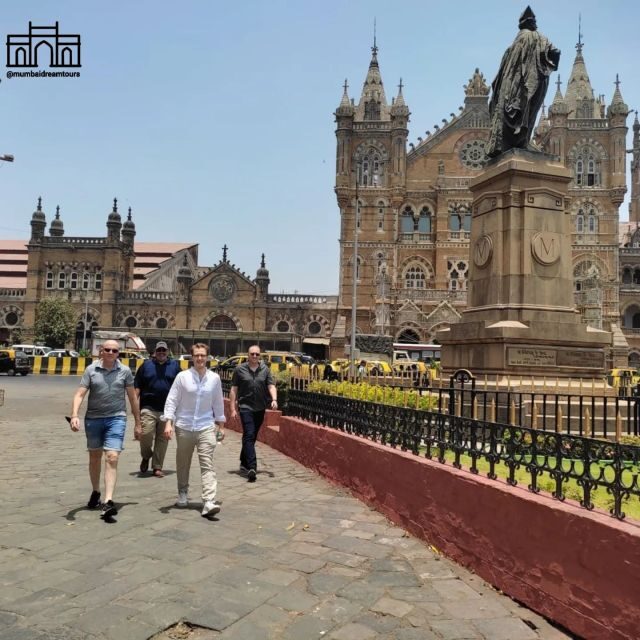
After CSMT, you move through the Central Mumbai sights in shorter guided blocks—some are more of a quick orientation than a long stop.
A highlight you’ll likely appreciate is the stop around Oval Maidan (and the cricket connection near Oval Cricket Ground). Cricket isn’t just a sport here. It’s a social glue. Even a short visit helps you place the city’s energy in a more everyday frame.
Then there’s Kala Ghoda, which is tied to the historic art-and-heritage vibe of that area. You’ll get only about 5 minutes there, but those few minutes can be enough if you’re paying attention to street-level character and the building styles around you.
For the “seen-it-but-don’t-want-to-miss-it” crowd: this portion helps you connect the dots between institutions, public spaces, and what Mumbai celebrates.
Gateway of India, Taj Mahal Palace, and Marine Drive Walks
Now you hit the classic Mumbai waterfront story. The tour builds in a walk and guided look at:
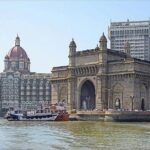
- Gateway of India (about 20 minutes including a walk)
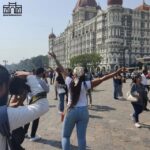
- The Taj Mahal Palace, Mumbai area (about 10 minutes)
- Marine Drive (about 10 minutes)
- Passes by Chowpatty Beach and the drive along Marine Drive
If you’ve only seen Mumbai from the outside, this is the section that brings you back to earth. The architecture hits you first, then you start noticing the rhythm: how people move, where they pause, and how the coastline turns the city into a backdrop for daily life.
Gateway of India is especially important because it’s not just a structure. It’s a symbol of what outsiders notice and what locals keep living around. Your guide should help you interpret that shift.
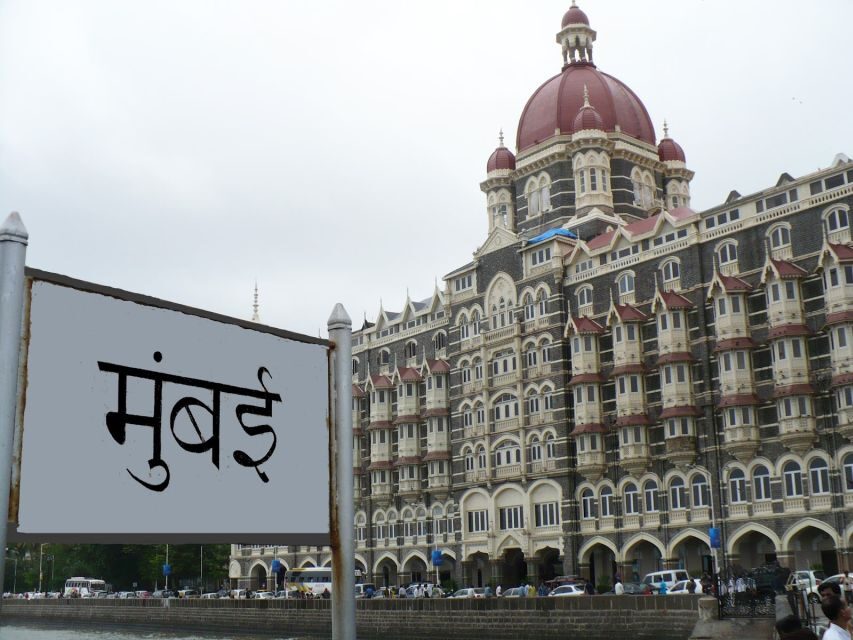
Then the Taj Mahal Palace stop adds another layer—how a single landmark can represent prestige, history, and modern identity all at once.
Marine Drive is short here, but it’s a good one to grab because the location helps your eyes understand Mumbai’s layout. It’s also a relief break in the schedule: the walking feels easier than some of the street-level density earlier in the day.
Mani Bhavan and Hanging Gardens: Gandhi, Water Tanks, and Views
This is where the tour adds meaning beyond architecture.
You’ll spend about 30 minutes at Mani Bhavan, the Gandhi museum stop. It’s a longer block than some other city stops, so it’s one of the better chances to slow down and take in what the site stands for. Even if your time is limited, Mani Bhavan helps connect national history to the city itself.
Next comes Hanging Gardens (about 20 minutes). The tour description links these gardens to the idea of gardens built on top of water tanks near the Tower of Silence area (Parsi burial place). Even in a short visit, that kind of context makes the place feel layered instead of random.
You’ll also have a chance at Kamala Nehru Park for a skyline view concept and the Old Woman’s shoe reference (not a long stop, but it adds character). Short stops like these can be frustrating if you want depth—but they’re great if you want snapshots that help you understand the city’s shape.
What to Bring and How to Pace Yourself
This tour is long enough that your comfort matters. The big item is simple: comfortable shoes. You’ll walk in Dharavi and also do short walks at Dhobi Ghat and around waterfront points.
A few smart add-ons for you:
- Carry a hat or something for sun, especially in open-air sections.
- Use your free mineral water wisely; you might feel it more than you expect on a full day.
- Plan your meals. Food and drinks are not included, so don’t assume you’ll get a mid-tour break with snacks.
Also, keep expectations realistic. Some stops are timed tightly. If you’re the type who needs 45 minutes in every place, you’ll feel rushed. If you’re okay with “see it, understand it, move on,” this day format suits you.
Price and Value: When $109 Per Group Works
Let’s do the math in practical terms. At $109 per group up to 3, the value depends on how you book.
- If you fill the group (3 people), it works out to roughly $36 per person for 8 hours with hotel pickup, an English guide, mineral water, and entry tickets included.
- If you book as one traveler (depending on availability), it’s pricier per person, but you still benefit from the included tickets and the private structure.
The real value isn’t only what’s included. It’s how the day balances two very different worlds—major landmarks plus Dharavi—while keeping the whole plan guided instead of cobbled together on your own.
And because the itinerary includes “skip the ticket line,” you’re less likely to waste time during peak bottlenecks.
Should You Book This Mumbai City + Dharavi Tour?
I’d book this if:
- You’re short on time and want a structured first look at Mumbai.
- You want both the postcard sites and a meaningful look at daily work and community life.
- You like guided explanations, and you appreciate a guide who can connect the dots on what you’re seeing.
I’d skip it (or reconsider) if:
- You dislike walking for long stretches and prefer slow, unhurried sightseeing.
- You want deep time at only one neighborhood rather than a day of highlights.
- You’re not comfortable visiting sensitive areas that are still lived-in communities, not museum sets.
If you want a Mumbai day that’s more than photos, this is a strong choice—especially with a guide like Rakesh being highlighted for friendly, story-rich explanations.
FAQ
How long is the tour?
The tour runs for 8 hours.
What does the tour include for pickup and transport?
Hotel pickup and drop-off are included, and you’ll meet the tour in Mumbai.
Is an English-speaking guide provided?
Yes, the guide is English speaking.
Are entry tickets included?
Yes. Entry tickets are included, and there is also a skip-the-ticket-line benefit.
Do I get food during the tour?
No. Food and drinks are not included.
Is mineral water provided?
Yes. A mineral water bottle is included.
What should I bring?
Bring comfortable shoes, since you’ll walk during parts of the city and during Dharavi.
Can I cancel for a refund?
Yes. Free cancellation is available up to 24 hours in advance for a full refund.