REVIEW · MUMBAI
Dharavi Slum Tour
Book on Viator →Operated by Mumbai Dream Tours · Bookable on Viator
If you think a slum tour is just sadness, Dharavi will correct that fast. This 2-hour walking experience is built around seeing daily life with an English-speaking guide who lives in the area, plus stops that focus on local businesses and recycling, not spectacle.
What I like most is the emphasis on learning from residents in real homes and workspaces, and that you don’t just watch—you can also try pottery at a potter’s workshop. The main thing to consider is simple: it can get hot, so you’ll want to dress right and plan to stay comfortable during the walk.
In This Review
- Why this tour earns its near-perfect rating
- Quick hits before you book
- Entering Dharavi with the right mindset
- Your two hours: what you actually do in Dharavi
- The resident guide factor (and why names matter)
- What makes the pottery and family meal worth it
- Price and value: about $13.42, and what you should compare
- Logistics that matter: meeting point, end point, and timing
- What to wear and bring so the heat doesn’t spoil it
- Respect rules that keep the experience human
- Who should book this Dharavi slum tour?
- Should you book? My call
- FAQ
- Where does the tour start?
- Where does the tour end?
- How long is the Dharavi slum tour?
- How much does it cost?
- What’s included in the price?
- Do I need a paper ticket?
- How many people are in a group?
- What should I wear?
- Can I cancel for a full refund?
Why this tour earns its near-perfect rating
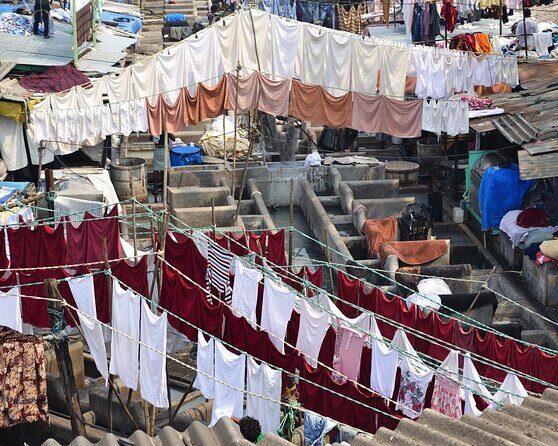
The best part is the tone: tours here are designed to feel respectful and practical, with guides who know the neighborhood and can answer your questions with clarity. I also appreciate the value—at about $13.42 per person for a guided, organized visit with bottled water, it’s one of the more budget-friendly ways to understand Dharavi beyond headlines.
The possible drawback? You’re touring a densely lived-in area, so you’ll need to follow the lead of your guide and be mindful with photos, space, and your own expectations.
Quick hits before you book
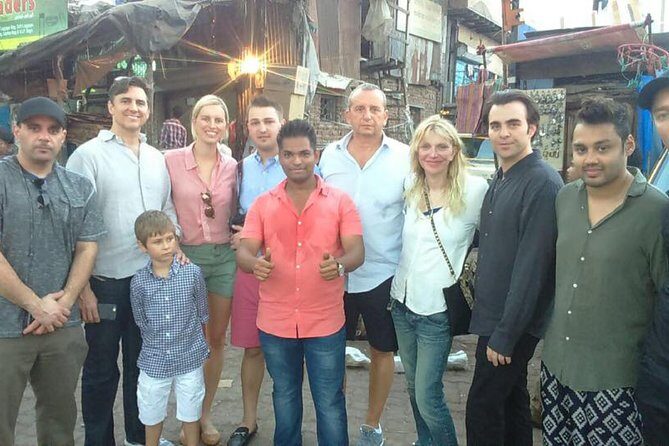
- Resident-led: An English-speaking guide who lives in Dharavi means fewer generic facts and more local context.
- Hands-on pottery: You’ll get to try your hand at making pottery at a working potter’s workshop.
- Small group feel: Maximum 20 travelers, which helps keep the experience conversational and steady.
- Real commerce, not just housing: The tour highlights how business runs through the neighborhood—plus recycling work.
- Vegetarian meal in a family home: You’ll share vegetarian fare as part of the experience.
- Modest dress request: Closed-toed shoes and modest clothing keep you comfortable and respectful.
You can also read our reviews of more tours and experiences in Mumbai.



Entering Dharavi with the right mindset
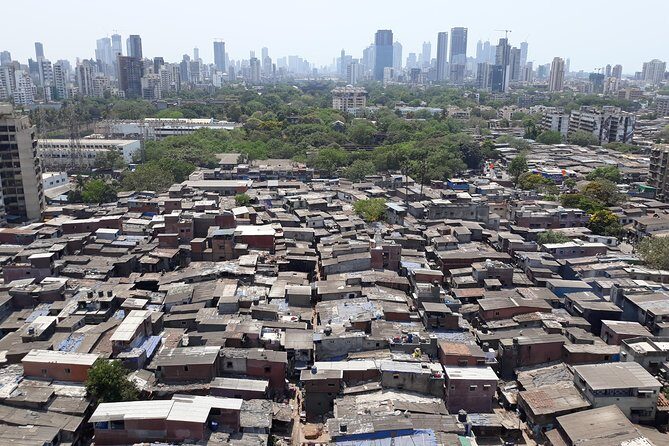
Dharavi is one of Asia’s largest slum areas, and it’s also known for entrepreneurship and recycling. The way this tour frames it matters. You’re not coming in as an outside observer collecting tragedy. You’re coming in to understand how nearly a million people build daily routines, livelihoods, and small enterprises in tight quarters.
That mindset changes what you notice. You’ll likely pay attention to production—how goods get made and moved—and to how neighborhoods function when formal infrastructure is limited. It’s also why the experience tends to stick with you: you leave with a clearer picture of how communities organize themselves, trade skills, and solve problems.
Your two hours: what you actually do in Dharavi
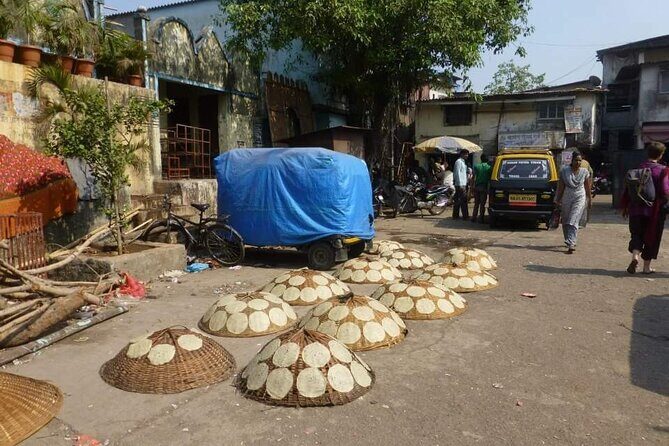
The tour is about 2 hours and stays in the Dharavi area. The big “stop” is Dharavi itself, but within that time you move through different kinds of scenes: residential corners, local businesses, and workshop spaces.
Here’s what you should expect, in plain terms:
You’ll meet at Third Wave Coffee, Tip Road (Unit no.58, Ground, Ram Mahal, Senapati Bapat Marg) in the Mahim/Station area of Mumbai. From there, you’ll head into Dharavi with your guide, who talks through how people live and work side by side.
A core part of the visit is spending time learning from residents at local homes and businesses. This is where the tour becomes more than walking with facts. You’re guided through how work happens, how families manage space, and how the community supports ongoing activity—especially around entrepreneurship and recycling.
Then you’ll get a more hands-on moment: pottery at a potter’s workshop. It’s not about being “good at pottery.” It’s about seeing the process and getting a feel for the craft and workflow you otherwise wouldn’t catch as a passerby.
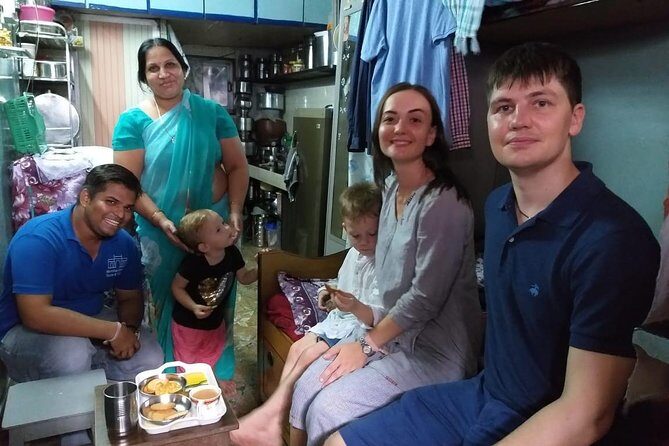
Finally, you’ll dine on vegetarian fare in a family home. That part is often the emotional anchor for people because it shifts the experience from sightseeing to sharing. It’s also a reminder that this is not a set; it’s someone’s everyday life.
The resident guide factor (and why names matter)
This tour is built around an English-speaking guide who lives in the slum area. That single detail is huge for your experience. A local guide can explain what outsiders might misread and can point out what to watch for—without turning the neighborhood into a museum.
The guide names that show up in feedback are especially telling. People mention guides such as Smith, Alkama, Rakesh, Hardik, and Dinesh. Across the shared comments, the common thread is that guides are kind, professional, and willing to answer questions, which helps you feel grounded instead of lost.
You’ll also notice a safety and comfort theme in the way the tour is described. Guides are reported to keep things steady, not rushed, and organized. If you care about feeling at ease while walking through an intense environment, the resident-guide structure is a strong selling point.
What makes the pottery and family meal worth it
A lot of tours promise “culture.” This one does a better job by including two time-based activities that slow you down.
Pottery workshop try-out gives you a sensory experience. Even if you’ve never touched clay before, you’ll see how skilled work gets taught and practiced. More importantly, it connects the neighborhood’s economy to tangible output—something real people produce with their hands.
The vegetarian meal in a family home does something similar in a different way. It turns the tour from an outward look into an inward share: food, routine, conversation. You’re not just hearing about daily life; you’re part of it for a short window.
If you’re the type of traveler who learns best by doing and by talking (rather than just looking), these two segments are where the tour justifies its existence.



Price and value: about $13.42, and what you should compare
At roughly $13.42 per person, this is priced like a budget activity, and it honestly makes sense for what you get. For that amount you receive:
- an English-speaking resident guide
- bottled water
- a structured visit that includes time with residents and businesses
- pottery and a vegetarian meal as part of the experience
Here’s the practical way to think about it: you’re paying for organization, interpretation, and access—plus the guided time that helps you understand what you’re seeing. If you tried to DIY this without local guidance, you’d likely spend more on transport and still struggle to get context.
Yes, it’s not a “comfort tour” in the way a museum with AC is a comfort tour. But it is a strong value if your goal is understanding real daily life and local work.
Logistics that matter: meeting point, end point, and timing

This tour uses a mobile ticket, and it runs with variety of start times so you can match it to your day in Mumbai. It’s also described as near public transportation, so you shouldn’t need private transportation to get there.
The meeting point is clearly identified at:
- Third Wave Coffee, Tip Road, Unit no.58, Ground, Ram Mahal, Senapati Bapat Marg, Marinagar Colony, Station, Mahim, Mumbai 400016
The tour ends at:
- Sai Multispeciality Hospital & Research Centre, 90 Feet Rd, behind Sion Hospital area, Dharavi, Mumbai 400017
The practical takeaway: you end near an area where it’s easy to get an Uber cab. That’s helpful because after a couple hours on foot, you’ll want a clean exit plan.
Max group size is 20 travelers, which tends to make navigation easier and keeps the pace from becoming chaotic.
What to wear and bring so the heat doesn’t spoil it
A short tour can still feel long if you’re underdressed. The tour specifically asks for modest clothing—no sleeveless shirts, short shorts, or low tops for women—and closed-toed shoes.
One review also recommends planning for heat with hydration and carrying a cap. That’s the kind of advice that actually matters here because you’re moving through an active neighborhood.
So I’d pack like this:
- closed-toed shoes you can walk in for two hours
- a cap or hat
- water (even though bottled water is included)
- a light layer if you prefer to cover up for comfort
Respect rules that keep the experience human
This type of tour lives or dies on respect. The best version of Dharavi tours is the one where you treat people as people, not educational props.
Follow your guide’s lead on where to stand, when to move, and how close to get. Ask before taking photos, and keep your attention on the conversation rather than trying to collect a “look at this” memory.
Also, keep your tone grounded. The neighborhood is described as entrepreneurial and innovative, and the guide is there to help you understand that. If you go in with curiosity, you’ll get more out than if you go in with a checklist of stereotypes.
Who should book this Dharavi slum tour?
This works especially well if you:
- want an intelligent, respectful introduction to how Dharavi works
- prefer resident-led interpretation over generic facts
- like hands-on moments like the pottery try-out
- want a real meal experience, not just a quick snack
It’s also a good choice for solo travelers or couples because the group is capped at 20, and the guide presence helps keep you comfortable and oriented.
If you dislike tight spaces, prefer very controlled environments, or need a quieter, less interactive format, you might find the density and daily activity a bit intense. You can still enjoy it with the right expectations, but you should know what you’re signing up for.
Should you book? My call
Book it if your goal is to understand Dharavi as a working community—where people create businesses, recycle materials, run workshops, and feed visitors through shared meals. The mix of resident perspective, pottery, and vegetarian family dining makes it more than a photo walk, and the about $13.42 price feels fair for that access.
Skip it (or at least rethink your expectations) if you want a smooth, air-conditioned “tourist” experience with minimal interaction. This is a lived-in neighborhood. You’ll get the best results by showing up with respect, wearing the right clothes, and letting the guide shape your pace.
FAQ
Where does the tour start?
The tour starts at Third Wave Coffee, Tip Road, Unit no.58, Ground, Ram Mahal, Senapati Bapat Marg, Mahim, Mumbai, Maharashtra 400016.
Where does the tour end?
It ends at Sai Multispeciality Hospital & Research Centre, 90 Feet Rd, behind Sion Hospital area in Dharavi, Mumbai 400017. Uber cabs are easy to get at the end.
How long is the Dharavi slum tour?
The tour lasts about 2 hours.
How much does it cost?
The price is $13.42 per person.
What’s included in the price?
It includes an English-speaking guide who lives in the slum area and bottled water. It also includes the tour activities such as learning from residents, pottery at a potter’s workshop, and vegetarian fare in a family home.
Do I need a paper ticket?
No. You’ll receive a mobile ticket.
How many people are in a group?
The tour has a maximum of 20 travelers.
What should I wear?
Wear modest clothing (no sleeveless shirts, short shorts, or low tops for women) and closed-toed shoes.
Can I cancel for a full refund?
Yes. Free cancellation is available up to 24 hours in advance for a full refund. If you cancel less than 24 hours before the start time, the amount paid is not refunded.