REVIEW · MUMBAI
Mumbai Slum Tour – Visit Dharavi Slum with Local Guide
Book on GetYourGuide →Operated by Mumbai Experiences · Bookable on GetYourGuide
Dharavi changes how you picture Mumbai. This small-group tour takes you through a real working neighborhood where residents run industries, schools, and local businesses side by side. I love the local guides who live in Dharavi and the way the route mixes workshops, markets, and everyday homes in just a few hours. The only real drawback is that it is a walking tour through tight streets, so you’ll want solid shoes and patience for crowded lanes.
You’re also walking into a place that people have strong opinions about, so the tone matters. This tour keeps it respectful and practical, with rules like no professional cameras and limited restroom access along the way. If you’re looking for a polished, stand-back-and-take-photos experience, you may find the format a bit more direct than expected.
In This Review
- Quick hits before you go
- A working neighborhood, not a photo-op
- Meet your guide in the lanes of Dharavi
- What you’ll actually see: markets, schools, and small industries
- Dharavi’s residential side: everyday life in tight space
- The tour rhythm: break time and pacing that keeps it doable
- Photo rules, clothing, and how to be respectful in real space
- Getting there and where you end: pickup and drop-off points
- Price and value: why $5 can be a serious bargain
- Who this tour suits best—and who should rethink it
- Should you book this Dharavi slum tour?
- FAQ
- How long is the Mumbai Slum Tour of Dharavi?
- Is bottled water included?
- Do I need snacks during the tour?
- What language are the tours guided in?
- Is pickup available, or do I meet the guide at a set location?
- What areas does the tour cover inside Dharavi?
- Are there restrictions on cameras and photos?
- Is the tour suitable for wheelchair users or visually impaired visitors?
Quick hits before you go
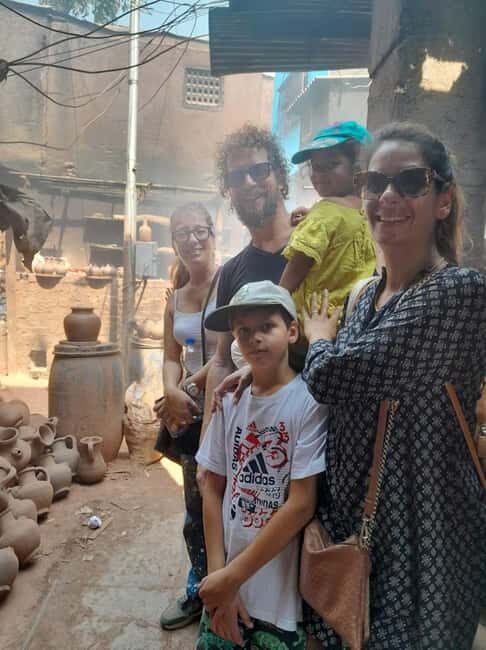
- Local guides with family roots in Dharavi share day-to-day realities from inside the community
- Industry stops you can actually see: recycling work, leather, garments, and pottery
- School and market time helps you understand the community beyond work
- English-speaking guides are repeatedly praised for clear explanations (guides like Priscilla, Shivam, Balaji, Siddesh, and Sufiyan come up often)
- Respect rules are real: no flash, no pro cameras, and dress modestly
A working neighborhood, not a photo-op

The headline word is slum, but what you’re touring is more specific: Dharavi as a dense, working area with jobs, learning, and trades happening every day. The community is described as generating over $1 billion annually, and it’s even referenced as a five-star slum in Mumbai. That phrasing may sound odd until you see how tightly daily life is organized around production and commerce.
What I like most for your experience: you don’t just pass by from the outside. You move through narrow lanes to small homes and busy workspaces, then you connect the dots. Guides on this tour are often second- and third-generation locals, which matters because they don’t only explain what’s there—they explain how it works and why people stay proud of their work.
The other thing that tends to land well is that you’ll meet a community with many languages. Families from across India live together, so conversations you overhear (and questions you ask your guide) can quickly shift from one language to another. If you’re curious, this is one of the fastest ways to feel Mumbai’s social reality instead of just hearing facts.
You can also read our reviews of more guided tours in Mumbai



Meet your guide in the lanes of Dharavi
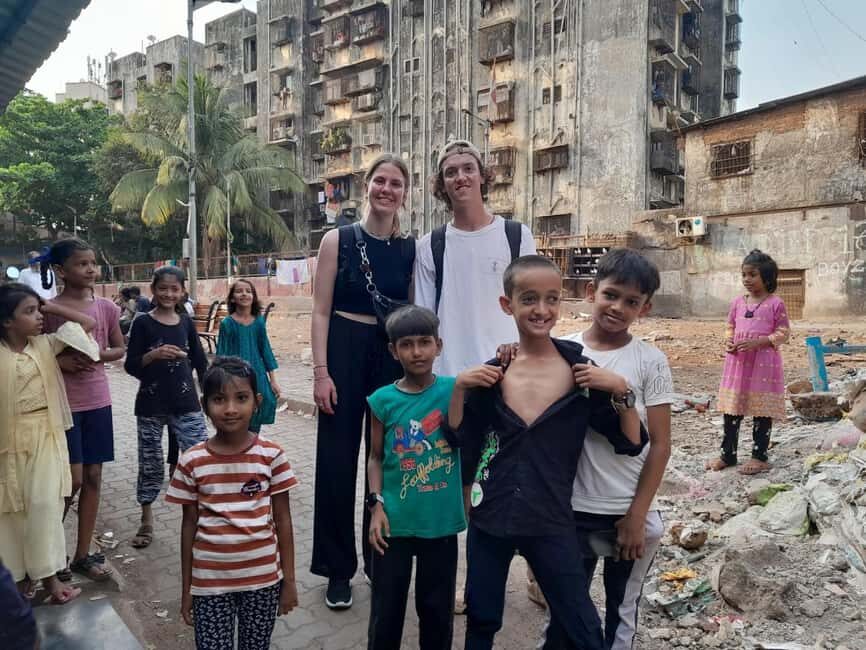
Your tour is built around a live English-speaking local guide, and the vibe is very much like being shown a neighborhood by someone who grew up there. The most frequent praise I see is for guides who combine friendliness with practical answers—people mention clear English and a steady pace that lets questions land.
You may be guided by names like Priscilla (often called warm, eloquent, and easy to understand), Shivam (praised for knowledge and even humor), Balaji (described as third-gen local and respectful), Siddesh (noted for thorough explanations and question time), Sufiyan (praised for looking after guests and sharing work and living), or Sajid (mentioned as answering questions patiently). You can’t guarantee a specific person unless the operator confirms it for your booking, but the pattern is consistent: locals with confidence in their own community.
This is also where you’ll feel the tour’s purpose. The experience highlights entrepreneurial spirit and community pride. You’re not being asked to pity anyone. You’re being invited to understand how people build livelihoods in a place outsiders often misunderstand.
What you’ll actually see: markets, schools, and small industries
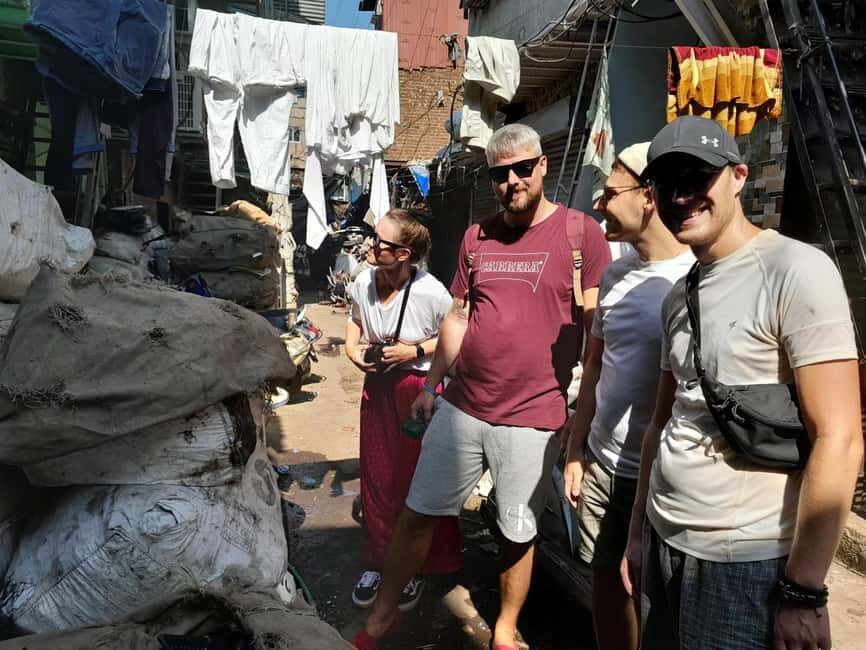
The core of the route is a guided walk through Dharavi’s main zones—work first, then daily life. Expect about two hours of walking total during the Dharavi section, plus time for breaks and visits. Your guide will help you spot what a quick glance would miss: small businesses tucked into tight spaces, the way goods move from workshop to market, and how training connects to jobs.
Here are the stops you should be ready for, based on the tour description:
- Local market areas where small commerce drives everyday life
- A school visit that shows learning in the middle of work
- Recycling industries—a big part of how materials get reused
- A leather factory area, where skilled production is central
- Garments work connected to the broader supply chain
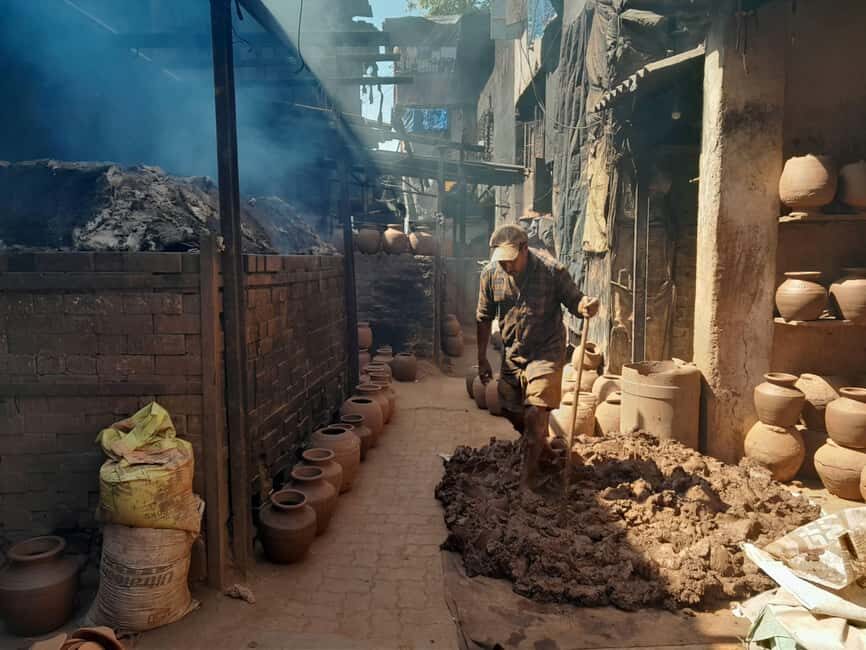
- Pottery and craft production
What makes these stops valuable isn’t just the list. It’s the story your guide ties to them: how informal economies function, how people earn, and how housing and education fit into that system. Many guides are specifically praised for explaining these topics at a level that the whole group can follow.
If you have a practical mindset, this section may feel like an open-air version of how supply chains work—only with people’s lives attached. If you’re more sensitive, you might find it emotionally intense at moments, especially when you see how much effort is packed into limited space. A good guide helps keep the tone honest and respectful.
Dharavi’s residential side: everyday life in tight space
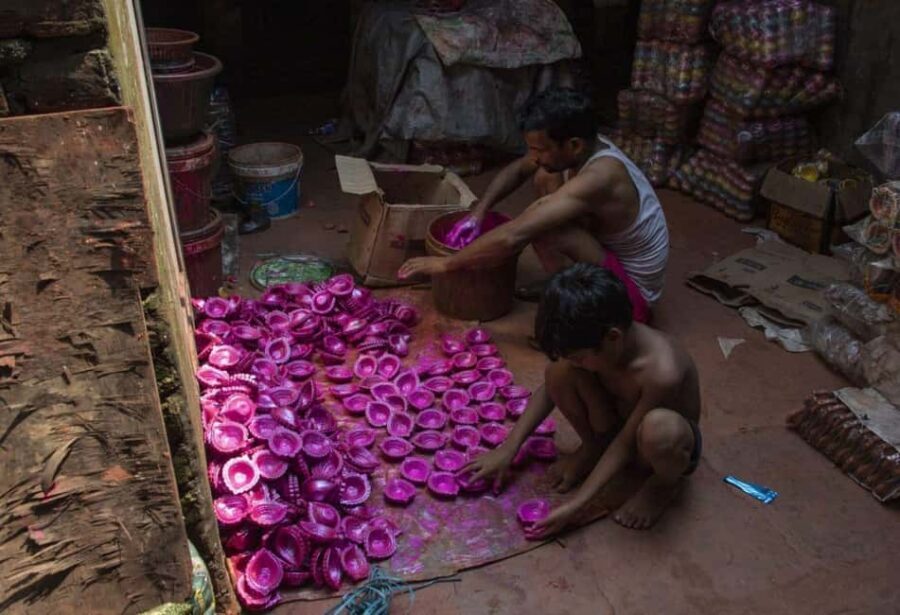
You’ll also spend time in the residential side, where the scale becomes clear. The tour is designed to show you the smallest houses, the lanes where families move through daily routines, and the ways community life holds together across different backgrounds.
From the guide styles that get praised most, you’ll likely hear personal context too—stories that explain why families organize their days the way they do and what “home” means in a dense neighborhood. People mention that guides speak from their own experience and answer questions about how life functions, not just what industries exist.
One thing to watch for: you are walking through someone’s neighborhood. That means you should keep your tone calm, your questions thoughtful, and your camera rules strict. The operator also lists what you should not do, including flash photography and professional cameras.
The tour rhythm: break time and pacing that keeps it doable
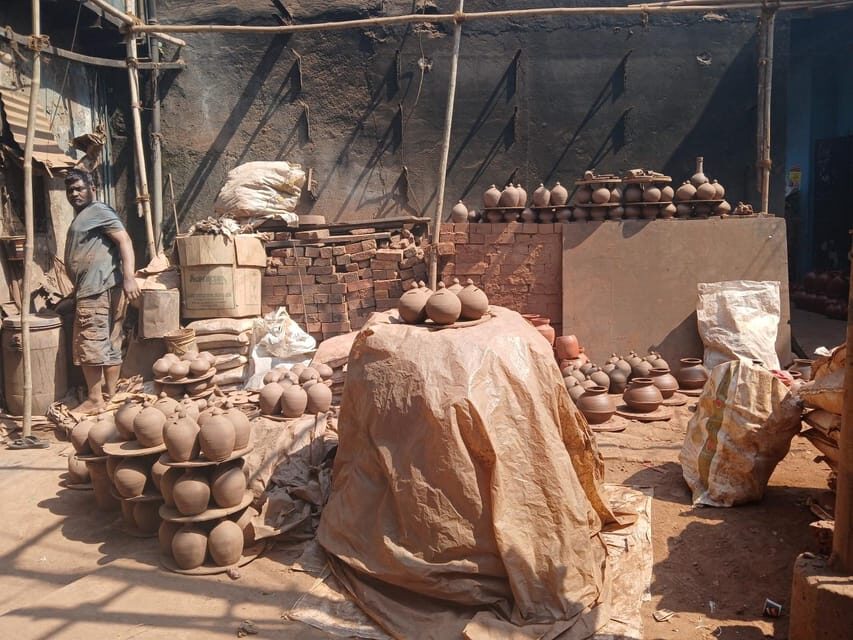
This experience is set for 2 to 3.5 hours, and that range matters. Two hours is long enough to feel the place, but not so long that you’re exhausted beyond usefulness. Many people find that the best tours here are the ones that keep moving without rushing you past everything your guide is pointing out.
You’ll have a break during the Dharavi portion, and you’ll also do short stops for visits and guided walking. Bottled water is included, which is a small detail, but it helps when you’re out in heat and crowding.
What I recommend for you: plan to wear comfy shoes and think about sweat. The operator suggests a sun hat, sunscreen, and weather-appropriate clothing, which is basically them telling you to treat this like a city walk, not a museum visit.



Photo rules, clothing, and how to be respectful in real space
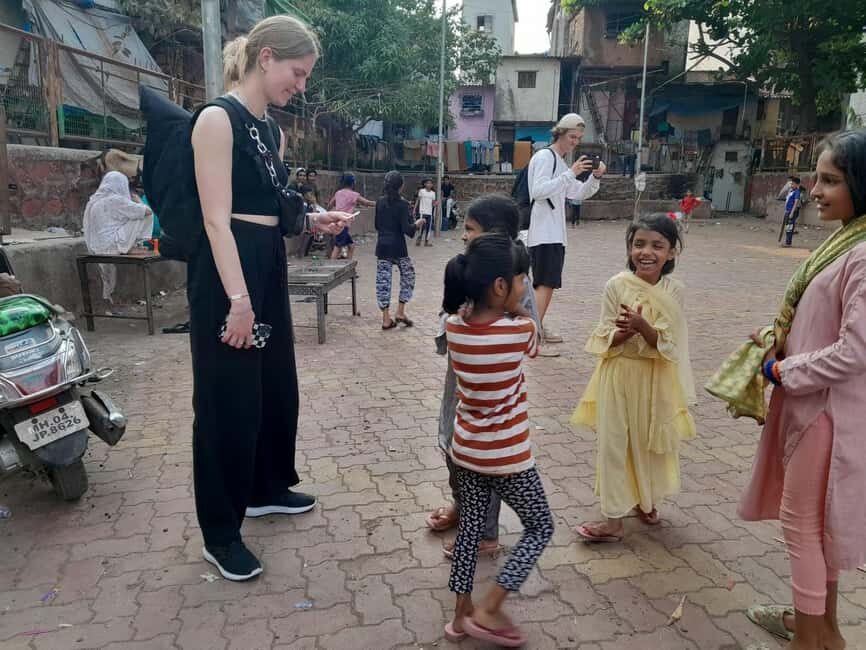
This tour comes with clear behavior guidelines, and they’re there for good reasons: privacy, comfort, and safety in crowded lanes. The rules listed include:
- No short skirts
- No sleeveless shirts
- No professional cameras
- No flash photography
You don’t need to dress like it’s a wedding. Just keep it modest and comfortable. If you’re traveling with a DSLR or a big zoom lens, leave it at your hotel and use your phone like everyone else.
Also remember this isn’t a set you control. Your guide will help you move at the right pace and in the right places. If you want your photos, ask first, and keep your distance when people are working. That simple behavior goes a long way toward making the experience feel human instead of intrusive.
Getting there and where you end: pickup and drop-off points
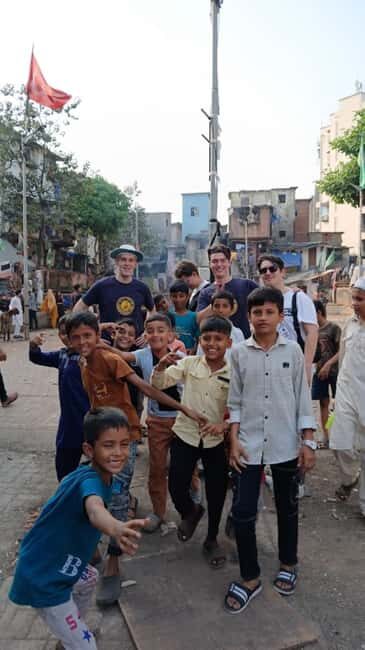
Logistics are pretty straightforward, but do read them carefully so you don’t burn time. Pickup is optional. If you book it, you wait at the main hotel entrance or lobby, and the driver calls or WhatsApp you (usually around 10 minutes before pickup). The driver then takes you to the meeting point where your guide starts.
Meeting point details can vary by option, so the key habit is simple: confirm the exact spot in your booking info. Drop-off is also specified as Matunga Road Railway Station, Matunga Central Railway Workshop, or Hanuman Nagar in Mumbai.
This matters if you’re planning the rest of your day. Because it ends by rail areas and workshop neighborhoods, you can usually reposition quickly afterward, but you’ll want to keep your next booking flexible.
Price and value: why $5 can be a serious bargain
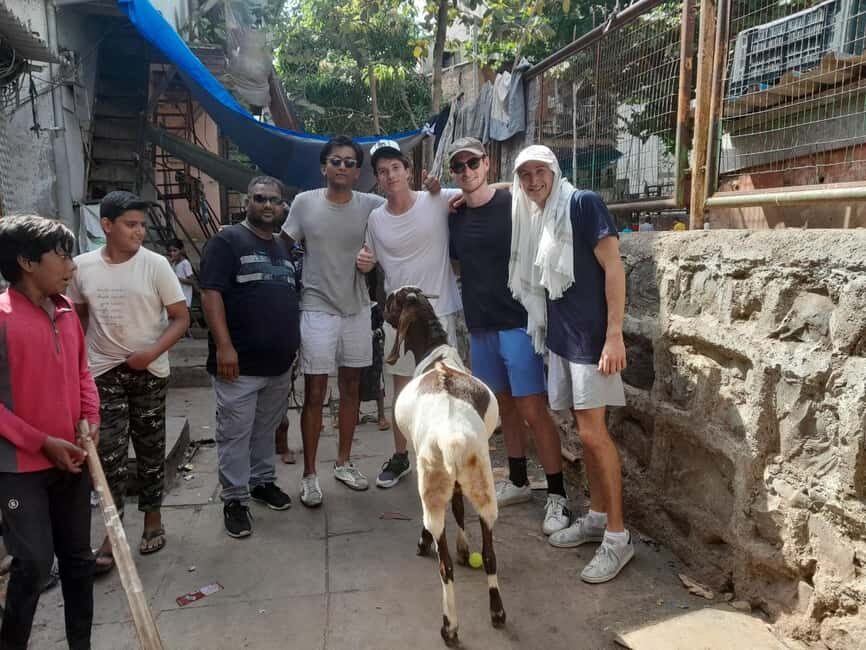
At about $5 per person, this is not a “luxury” tour. It’s a low-cost way to access local knowledge that would otherwise require a lot more time, language help, and planning. You’re paying for a guide who lives there, plus bottled water.
What makes the value feel real: guides are repeatedly praised for clear explanations, warm friendliness, and the ability to answer questions in depth. People also mention that the tour covers multiple sides—industrial work, market life, schools, and residential areas—so you don’t leave with only one kind of picture.
The one thing not included is snacks, so don’t assume you’ll get fed. If you’re doing this near a meal, plan a snack stop before you go or carry something small if your operator allows it (the provided info only says snacks aren’t included; it doesn’t say you can’t bring your own, but it’s safest to follow the guide’s directions).
Who this tour suits best—and who should rethink it
This experience is a strong match if you want to see Mumbai from the inside and you like learning through real places, not just viewpoints. It’s also ideal if you enjoy asking questions and talking with people rather than racing through stops.
It may not suit you if:
- You need wheelchair access (the tour is listed as not suitable for wheelchair users)
- You have visual impairment needs that require different accommodation (it’s listed as not suitable for visually impaired people)
- You struggle with walking on uneven, crowded lanes for a couple of hours
It’s also not designed for people who want a silent, observational museum style. This is a conversation-led neighborhood walk.
That said, many guests mention feeling safe and well cared for by their guides. The best outcome usually comes when you show up with patience, modest behavior, and a willingness to listen.
Should you book this Dharavi slum tour?
I’d book it if you want a grounded look at how people live and work in a place most visitors only hear about in stereotypes. The small-group feel, the English live guide, the mix of industry plus daily life, and the fact that guides often speak from personal experience make it more useful than most “see-this-area” stops in Mumbai.
Skip it if you need maximum comfort, minimal walking, or full accessibility support. And be honest with yourself about your expectations: you’re visiting real homes and real workplaces, so you should act like a guest, not a critic.
If you’re traveling with only one day in Mumbai and you want one experience that changes your mental map of the city, this is one of the best choices at its price point.
FAQ
How long is the Mumbai Slum Tour of Dharavi?
The tour duration is listed as 2 to 3.5 hours, depending on the selected option.
Is bottled water included?
Yes. Bottled water is included.
Do I need snacks during the tour?
Snacks are not included.
What language are the tours guided in?
The live tour guide speaks English.
Is pickup available, or do I meet the guide at a set location?
Pickup is optional. If you choose pickup, you wait at your hotel lobby/entrance and the driver contacts you before heading to the meeting point where the guide starts. The meeting point itself may vary by option.
What areas does the tour cover inside Dharavi?
Inside Dharavi, the tour includes guided walking and visits around the local market, school, recycling industries, leather factory, garments, and pottery, plus residential areas.
Are there restrictions on cameras and photos?
Yes. Professional cameras are not allowed, and flash photography is not allowed.
Is the tour suitable for wheelchair users or visually impaired visitors?
No. The tour is listed as not suitable for wheelchair users and not suitable for visually impaired people.